

Beginner Vegetable Garden Tips: A Comprehensive Guide to Growing Your Own Food
Beginner Vegetable Garden Tips: A Comprehensive Guide to Growing Your Own Food
The allure of homegrown vegetables is undeniable. The vibrant colors, the intoxicating aromas, the unparalleled taste – these are just a few of the reasons why more and more people are embracing the rewarding world of vegetable gardening. But for beginners, the prospect of starting a vegetable garden can seem daunting. Fear not! This comprehensive guide will equip you with the knowledge and confidence to cultivate your own thriving backyard oasis, transforming you from a gardening novice into a confident cultivator.
:max_bytes(150000):strip_icc()/beginner-vegetable-garden-fd3e995a138b4f88bfeeb83f76f6e4d1.jpg)
Why Start a Vegetable Garden in 2025?
In a world increasingly focused on sustainability and healthy eating, starting a vegetable garden offers a multitude of benefits. Beyond the delicious, nutrient-rich food you'll harvest, there's a profound sense of accomplishment in nurturing plants from seed to table. You'll develop a deeper connection with nature, gain a better understanding of the food chain, and potentially even reduce your reliance on commercial grocery stores. Plus, it's a fantastically therapeutic activity – the perfect antidote to the stresses of modern life.
Consider these key advantages:
- Superior Taste and Freshness: Homegrown vegetables are unparalleled in flavor and freshness. Nothing beats the taste of a sun-ripened tomato plucked directly from the vine.
- Enhanced Nutritional Value: Studies show that homegrown vegetables often contain higher levels of essential vitamins and minerals than their commercially grown counterparts.
- Reduced Environmental Impact: Growing your own food minimizes transportation and packaging waste, reducing your carbon footprint.
- Cost Savings (in the long run): While initial investment is required, homegrown vegetables can offer significant cost savings over time.
- Therapeutic Benefits: Gardening is a relaxing and meditative activity, beneficial for mental and physical well-being.
- Increased Self-Sufficiency: Growing your own food contributes to greater self-sufficiency and food security.

Choosing the Perfect Spot for Your Vegetable Garden
Site selection is paramount for a successful garden. Before you even think about planting, carefully assess your yard for the ideal location. The most important factor is sunlight. Most vegetables need at least 6-8 hours of direct sunlight daily. Observe your yard throughout the day to identify the sunniest areas. Here's a checklist for site selection:
- Sunlight: 6-8 hours of direct sunlight is ideal for most vegetables.
- Water Access: Proximity to a water source (hose or outdoor tap) is crucial for convenient watering.
- Soil Drainage: Vegetables thrive in well-draining soil. Avoid areas prone to waterlogging.
- Soil Quality: Assess the existing soil; you may need to amend it with compost or other organic matter.
- Accessibility: Choose a location that's easy to reach for planting, weeding, and harvesting.
- Protection from Wind: Strong winds can damage plants; consider sheltered areas.
- Space: Plan the size of your garden based on available space and your planting ambitions.

Essential Tools for Your Beginner Vegetable Garden
You don't need an extensive collection of tools to start your vegetable garden. Begin with a few essential items:
- High-quality Gardening Gloves: These are crucial for protecting your hands from dirt, thorns, and potential irritants.
- Hand Trowel: A versatile tool used for digging small holes, transplanting seedlings, and weeding.
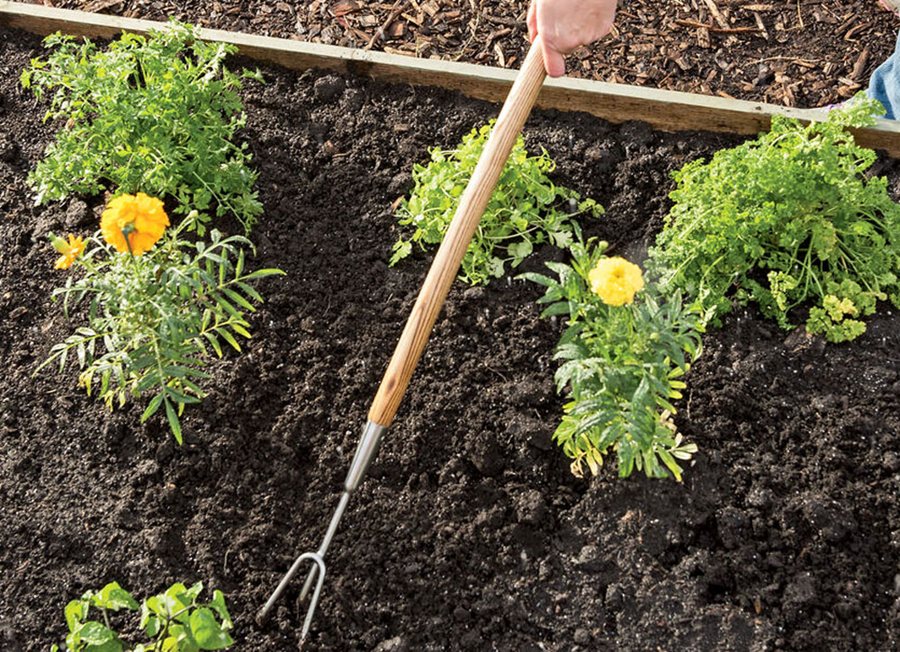
- Garden Fork: Ideal for loosening compacted soil, incorporating compost, and weeding larger areas.
- Watering Can or Hose with Nozzle: Choose a watering method suitable for your garden size and watering preferences.
- Measuring Tape: Essential for accurate spacing of plants according to their specific requirements.
- Garden Hoe: Used for weeding, cultivating the soil, and creating furrows for planting.
- Small Shovel or Spade: Useful for larger digging tasks, such as preparing raised beds or moving soil.
- Gardening Kneeler: A great addition for added comfort during extended gardening sessions.


Planning Your Vegetable Garden: What to Grow and When
Effective vegetable garden planning involves more than just choosing your favorite vegetables. You must also consider the timing and spacing requirements of each plant. Consult a planting calendar specific to your region. This calendar will indicate ideal planting times for both direct sowing and transplanting seedlings. Consider these points:
- Growing Season Length: Match the vegetables you choose to the length of your growing season.
- Climate Considerations: Select vegetables suited to your local climate and soil conditions.
- Personal Preferences: Choose vegetables your family enjoys and will eat.
- Succession Planting: Plan to plant multiple crops in succession to maximize your yield throughout the growing season.
- Crop Rotation: Rotate your crops yearly to prevent soil depletion and pest buildup.
- Spacing Requirements: Allow sufficient space between plants for proper growth and air circulation.

Preparing Your Soil for a Bountiful Harvest
Healthy soil is the foundation of a successful vegetable garden. Before planting, conduct a soil test to determine its pH level and nutrient content. Most vegetables prefer a slightly acidic to neutral pH (6.0-7.0). Amend your soil as needed to achieve optimal conditions. Incorporating organic matter, such as compost, aged manure, or leaf mold, is crucial. This improves soil structure, drainage, aeration, and nutrient content. Here’s how:
- Soil Testing: Determine your soil's pH and nutrient levels with a soil test kit.
- Soil Amendments: Incorporate compost, aged manure, or other organic matter to improve soil structure and fertility.
- Improving Drainage: If your soil is poorly draining, consider adding sand or other amendments to improve drainage.
- Addressing Soil pH: Adjust the soil pH using lime (to raise pH) or sulfur (to lower pH) as needed.

Easy Vegetables for Beginner Gardeners
Starting with easy-to-grow vegetables will build your confidence and encourage you to continue gardening. Here are some excellent options for beginners:
- Lettuce: Quick-growing, adaptable, and provides continuous harvests.
- Radishes: A fast-growing root crop offering a quick and satisfying harvest.
- Zucchini: A prolific producer, although you might find yourself with more zucchini than you can eat!
- Bush Beans: Relatively low-maintenance and provide a good yield.
- Cherry Tomatoes: Easy to grow, even in containers, and produce an abundance of small tomatoes.
- Leaf Spinach: A cool-season crop, nutritious and relatively easy to cultivate.
- Summer Squash: Produces quickly and abundantly, great for beginners.
- Peppers (bell peppers): Relatively easy to grow, offering a variety of colors and flavors.
Watering and Maintenance Tips for a Thriving Garden
Consistent watering is crucial for the health of your vegetables. Water deeply and less frequently, encouraging strong, deep root systems. Avoid overhead watering, which can promote fungal diseases. Use a watering can, hose with a spray nozzle, soaker hoses, or drip irrigation. Mulching around plants conserves moisture, suppresses weeds, and regulates soil temperature. Regular weeding is essential to prevent competition for resources. Side-dress your plants with compost or fertilizer midway through the growing season for a nutrient boost.
Common Mistakes Beginner Gardeners Make (and How to Avoid Them)
Even seasoned gardeners make mistakes; beginners are no exception. Here are some common pitfalls to avoid:
- Overwatering: Leads to root rot and other diseases; water deeply but less frequently.
- Poor Soil Preparation: Always amend your soil before planting to ensure optimal conditions.
- Ignoring Pests and Diseases: Regularly inspect your plants for signs of problems and address them promptly.
- Planting Too Densely: Provide adequate space between plants for growth and air circulation.
- Insufficient Sunlight: Choose a sunny location receiving at least 6-8 hours of direct sunlight daily.
- Neglecting to Fertilize: Provide essential nutrients throughout the growing season.
- Improper Harvesting Techniques: Harvest vegetables at their optimal maturity for peak flavor and quality.

Pest Control Basics for Your Vegetable Garden
A holistic approach to pest control is most effective and environmentally friendly. Start with preventative measures:
- Companion Planting: Strategically plant certain plants together to deter pests. Research companion planting combinations effective against common garden pests.
- Handpicking Pests: Manually remove pests whenever possible. This is especially effective for small infestations.
- Beneficial Insects: Introduce beneficial insects, such as ladybugs, to control aphids and other pests.
- Insecticidal Soaps: A relatively safe and effective option for controlling various garden pests.
- Natural Insecticides: Consider using natural insecticides like neem oil or insecticidal soap when necessary.
Harvesting and Enjoying Your Homegrown Bounty
The culmination of your hard work is the moment you harvest your homegrown vegetables. Harvest vegetables at their optimal maturity for the best flavor and nutritional value. Refer to seed packets or online resources for specific harvesting guidelines. Remember to wash your vegetables thoroughly before eating. Preserving your harvest, through canning, freezing, or pickling, will help you enjoy your bounty throughout the year.
Advanced Techniques: Raised Beds, Vertical Gardening, and More
As your gardening skills develop, you can explore more advanced techniques:
- Raised Bed Gardening: Ideal for improving drainage, soil quality, and accessibility, especially beneficial in areas with poor soil.
- Vertical Gardening: Maximizes space in smaller gardens using trellises, hanging baskets, or vertical planters for climbing plants.
- Container Gardening: Perfect for small spaces or those with limited soil. Choose suitable container sizes and plant varieties.
- Hydroponics and Aquaponics: These advanced methods utilize water instead of soil to grow vegetables, offering potential for increased yields and reduced water usage.
Seasonal Vegetable Planting Guide
Understanding your region's growing seasons is critical. Refer to a planting calendar specific to your area to determine the ideal planting times for your chosen vegetables. Here's a general guide:
- Cool-Season Crops (spring and fall): Lettuce, spinach, kale, peas, radishes, carrots.
- Warm-Season Crops (summer): Tomatoes, peppers, cucumbers, squash, beans, corn.
Utilizing Compost for Optimal Soil Health
Composting kitchen and yard waste provides a rich and sustainable source of organic matter for your vegetable garden. Compost improves soil structure, drainage, and fertility, providing essential nutrients for healthy plant growth. Apply compost as a soil amendment before planting or as a mulch around established plants.
Efficient Watering Strategies for Your Vegetable Garden
Efficient watering is essential for healthy plants. Deep watering, less frequently, promotes strong root systems. Use soaker hoses or drip irrigation to deliver water directly to the roots, minimizing water waste and preventing fungal diseases. Water early in the morning to reduce evaporation.
Choosing the Right Tools for Your Vegetable Garden
Invest in quality tools for a more enjoyable gardening experience. Look for durable, ergonomic tools that fit comfortably in your hand. Beyond the basics, consider adding specialized tools as needed, such as pruning shears, a garden cultivator, or a wheelbarrow.
Dealing with Persistent Garden Pests
For more persistent pests, use row covers to protect plants from pests or introduce beneficial nematodes or parasitic wasps to control specific pests organically. Always research the safety and efficacy of any pest control method before application.
The Power of Companion Planting for Success
Companion planting is a technique that involves planting different vegetable varieties together to enhance growth, deter pests, and improve soil health. Research companion plants that complement your chosen vegetables.
Leveraging a Comprehensive Vegetable Gardening Guide
Numerous comprehensive gardening guides offer in-depth information on various aspects of gardening. These valuable resources offer detailed information on plant selection, soil preparation, pest control, and more. Choose a guide tailored to your region and gardening style.
Detailed Edible Garden Planning for Beginners
Careful planning is crucial. Start with a garden plan detailing the size, location, and arrangement of your vegetable beds, taking into account sunlight, spacing requirements, and the layout of your space. Sketch out your garden plan, noting the location of each plant. As your experience grows, you'll refine your techniques and adjust your plans to optimize yield and efficiency.
Conclusion: Embrace the Journey of Vegetable Gardening
Starting a vegetable garden is a rewarding experience that connects you with nature, provides fresh, healthy food, and offers a wealth of personal satisfaction. By following these guidelines, you'll gain the knowledge and confidence to nurture your garden from its humble beginnings to a bountiful harvest. Embrace the journey, enjoy the process, and relish the delicious rewards of your hard work!
Related collection
Explore Seed Collections
See seed varieties and growing-related collections.
Browse Seed CollectionsProducts and collections are presented for general ingredient, culinary, botanical, craft, or gardening use. Content on this site is educational only and is not medical advice.
Leave a comment