

The Rike Vision & Mission | Sustainability, Community & AI
The Rike Vision & Mission: Sustainability, Community & Responsible AI
Vision & Mission Context: This page combines The Rike's real project history with its long-term vision. The Mr. Jack/WREF work, cooperative initiative, production and manufacturing relationships, supplier partnerships, and supplier certification documents described here are based on real project activity. Some sections also describe future plans or aspirations, and those are presented as goals rather than completed outcomes. Current product and policy pages remain the source of truth for what is sold or offered today.
The country is like a lavish palace, but lacks the solid foundation of green forests and food. A friend of mine is a farmer, diligently working on his land every day. But he is always worried about the forest being destroyed. "Without the forest, water can’t be retained, floods keep coming, how can the crops survive?" he says.
These things will help us survive in the coming years, especially in the context of climate change and war. Without support from factories, we will have to rediscover our ability to survive, facing the challenges of food and population. We need to cooperate and support each other to overcome this difficulty.
Using existing technology and knowledge to create sustainable solutions is the way forward. Think about it, the forest is the root of the nation; losing the forest means losing everything. Each of us should look back and find ways to protect the forest. How will we live in the coming years if we don't act now?
Each small action of ours will be like a candle in the night, spreading the light of faith and hope. We can create a better future where our descendants live in a clean environment, where the forests are green and food is abundant.
Let’s stay attached to this land together, protect, and regenerate the green forests. Then, we will see clear rivers, green forests, and a prosperous and peaceful life as before.

Growing up, I saw my parents constantly worried about not having enough. We lived in a modest home, and every expense was carefully calculated. This scarcity mindset was deeply ingrained in me. let me share another personal experience related to the concept of scarcity versus abundance. I once volunteered at a local food bank.
Initially, I was struck by the lack of resources - it seemed we would never have enough to meet the needs. But as I worked more, I saw something incredible. Despite limited supplies, the community came together creatively. People donated not just food, but time and skills. We shared recipes, repurposed leftovers, and maximized every resource. This experience changed my view on scarcity. It wasn't about how little we had, but how resourcefully and generously we could use it.
The real scarcity was not in material goods, but in willingness to collaborate and share. This revelation was profound, teaching me that abundance is often a matter of perspective and community effort. Reflecting on my own life experiences, I've witnessed firsthand the profound struggles people face when the system fails them. I remember meeting a single parent, juggling multiple jobs, yet still unable to afford basic needs. The heart-wrenching choice between paying for healthcare or electricity was a daily reality.
This wasn't just an individual failing but a clear indication of systemic breakdown. Such experiences have deepened my understanding of societal inequities and the urgent need for systemic change to address these fundamental human challenges. However, a turning point came during a trip to a small village in Southeast Asia. I was struck by the stark contrast between the villagers' material poverty and their rich sense of community and sharing. Despite having little, they lived abundantly, generously sharing whatever they had.
This experience was eye-opening. It made me realize that scarcity isn't always about the physical lack of resources, but often about our perception and approach to what we have. Returning home, I began to challenge my inherited scarcity mindset. I started seeing abundance in my life, not in terms of wealth or possessions, but in relationships, experiences, and the little joys of everyday life.
I learned to appreciate and share more, realizing that true abundance comes not from having more, but from giving more. This personal journey taught me a valuable lesson: The world is abundant if we choose to see and make it so. It's not just about the resources we have, but how we use and share them. This shift in perspective has brought me more fulfillment and a deeper connection with those around me.
We have bigger houses but smaller families; more conveniences but less time.
We have more degrees but less wisdom; more knowledge but less judgment; more experts but more problems; more medicines but less health. We've reached the Moon, but have trouble crossing the street to meet our new neighbors.
We create more computers to store more than ever before,
But we no longer truly communicate with each other;
We have plenty in quantity, but little in quality. It's an era of fast food but slow digestion;
Tall buildings but short tempers; more profits but shallow relationships. Outside that window, there's plenty
But inside the room, there's nothing.
The financial crisis we face today arises from the fact that we've nearly exhausted all our social, cultural, natural, and spiritual capital to turn into money. A century of continuous money-making has left us so impoverished that there's nothing left to sell. Our forests are irreparably destroyed, our land depleted and washed away, our oceans overfished, and the Earth's capacity to recycle waste is saturated. The cultural treasures of songs and stories, images and symbols, have been stolen and owned as copyrights. Any clever phrase you can think of has become a registered trademark. Human relationships and capabilities have been taken away from us and sold back to us, so now we depend on strangers, we depend on money, for things that used to be nearly free: food, shelter, clothing, child care, cooking. Life itself has become a commodity to be bought and sold.
I've been thinking a lot about the state of the world lately and it feels like we're on a path to nowhere. Everything seems to be changing, and no one can predict what will happen next. The world is full of uncertainty and risks, but I believe there are hidden opportunities within these challenges.
Imagine this: One Saturday morning, I'm sitting down with a cup of coffee, contemplating the news of inflation and economic crises. People are panicking and fearful, but I think we need to look beyond and see the opportunities hidden amidst it all.
In times of hardship, people often become simpler, friendlier, and more supportive. They focus on sharing and connecting, and that's when the gift economy emerges. It's not about hoarding or accumulating; it's about giving and receiving. It's about creating connections within the community and offering help when needed.
Perhaps what's crucial is that we should invest in our communities. When the financial system is volatile, traditional investments may no longer be effective. But investing in the development of the community, fostering unity and support, can bring significant benefits. We all contribute to building a better world for ourselves and those around us.
Life is ever-changing, and we need to adapt. Don't just focus on survival; think about how we can grow and make the world a better place. Remember, connection and generosity are the most important things, and we all play a role in building a brighter future for everyone.
Remember, we're all on this journey together, and true security doesn't lie in money or material possessions but in the connections we forge and the generosity we extend to one another. So, embrace the change that's coming, and turn it into a positive change for all.
The Rike, a place not merely of commerce but of communion, where every leaf was a whisper from the past, every seed a promise for the future, and every crafted item a testament to the seamless blend of age-old tradition and sparkling innovation. The Rike was far more than a mere establishment; it was the embodiment of a mission—a mission dedicated to nourishing the community's soul and safeguarding the abundant blessings of Mother Earth.
Imagine yourself stepping into The Rike. As you cross the threshold, you're embraced by the rich, comforting aroma of herbal teas. Your eyes dance over the artisanal crafts, each with its own story, its own journey. The atmosphere envelops you, warm and welcoming, a gentle reminder that you've become a part of something truly extraordinary. Each product resting on the rustic wooden shelves doesn't just exist; it narrates a tale where tradition gracefully waltzes with technology, where yesteryears meet the possibilities of tomorrow.

Artificial Intelligence is part of The Rike's project history and long-term vision. We see AI as a tool that can help organize information, interpret growing records, compare observations, and support better decisions. We do not view AI as a replacement for farmers, local knowledge, field observation, or human judgment. The goal is to use technology in ways that remain grounded in real conditions, transparent evidence, and respect for the people doing the work.

Project case: The Mr. Jack/WREF story refers to a real project relationship, not a fictional example. It illustrates how traditional farming experience can be combined with weather information, crop observations, and decision-support technology. The story should be read as a real project case while recognizing that agricultural and weather outcomes can vary and are not guaranteed.
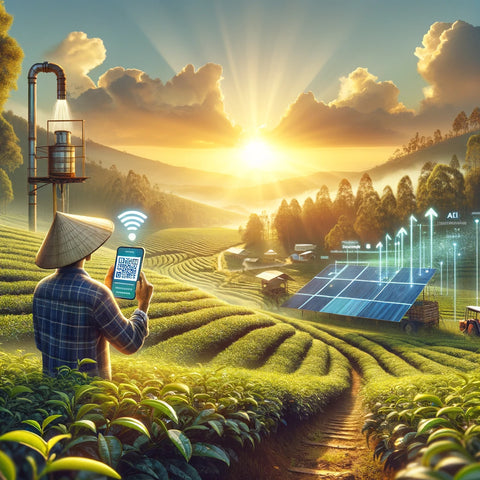
In this project context, WREF represents a real decision-support technology associated with the work described here. Its role is to help organize weather information, field observations, and risk signals so growers can make informed decisions. References to forecasting or crop support should not be interpreted as guarantees of prediction accuracy, crop outcomes, or flood prevention.
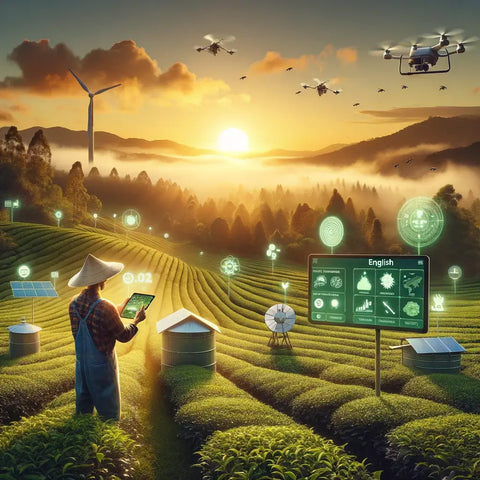
The Rike's ethos was about weaving a vibrant tapestry of connections, threading farmer to market, human to nature, individual to the planet. It wasn't merely about trading tea; it was about pouring out a cup of sustainability for the world to share. The vision was lucid and profound—to foster a global fellowship where the heartbeat of technology resonates with the pulse of tradition, where every sip of tea is a nurturing touch for both the soul and the soil.
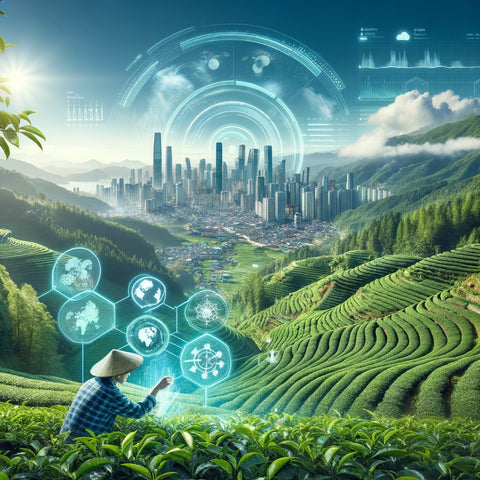
Yet, the narrative of The Rike is far from its final chapter. It's merely the dawn, the first light of a future where farmers like Mr. Jack rest easier, where tea aficionados relish every sip, conscious of being part of an expansive, meaningful movement, and where AI transcends intellect to embody empathy and ecological stewardship.
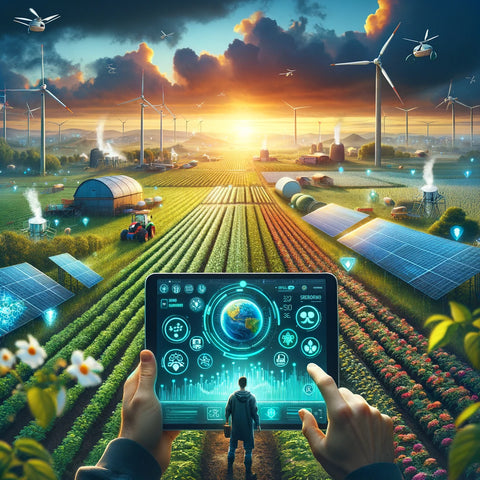
In the fertile heart of Asia, The Rike continues to flourish, nurturing every leaf, every seed, and every crafted marvel, all the while staying deeply rooted in the rich legacy of the land and gazing resolutely towards the horizons of innovation and sustainability.
So, here's to The Rike—a haven where every leaf has a saga to tell, where every tale is a stride towards a world more verdant, more compassionate. And when you find yourself cradling a cup of tea from The Rike, remember, you're not just savoring a beverage; you're partaking in a legacy as timeless as the earth and as promising as the dawn. Welcome to The Rike, where each sip is a narrative, each narrative a step towards a future sustainable and bright. 🌱
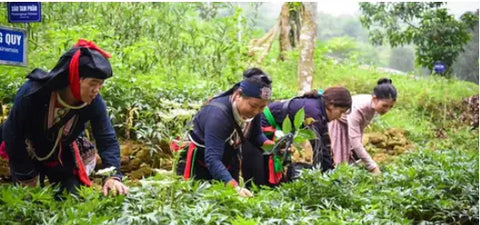
In the heart of a lush, verdant valley, there's a place where the future of agriculture and tradition blend seamlessly together – welcome to the world of The Rike. It's a world where each leaf and seed tells its own story, a tale of nature, nurture, and technology.
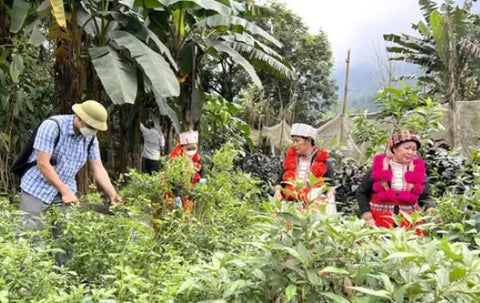
The Dawn of a New Era in Agriculture
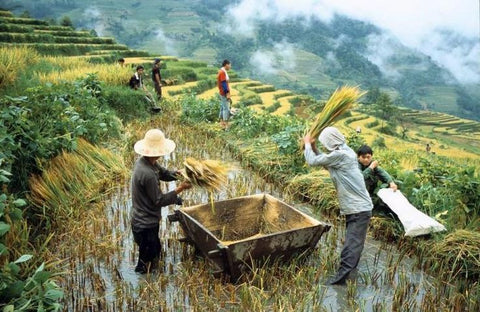
Meet Mr. Jack, a farmer with a spirit as rich as the soil he tends. He's one of the many souls who have woven their lives into the fabric of The Rike. Mr. Jack's farm, a tapestry of green, is more than just land and crops. It's a testament to the future, a future where each blade of grass knows the symphony of nature and the rhythm of innovation.
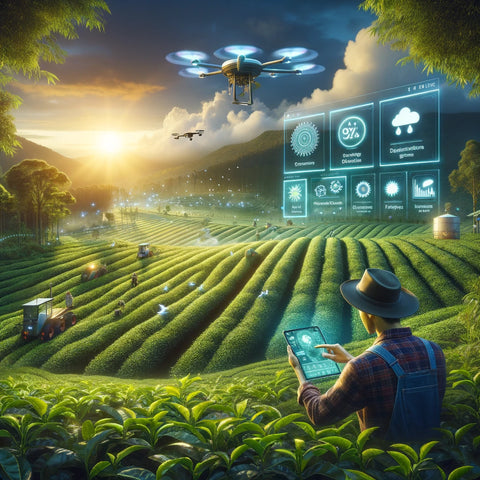
Enter WREF, the beacon of this new era. It's not just a tool; it's Mr. Jack's companion, his guide through the seasons. WREF whispers to him the secrets of the skies – when the rains will come, when the sun will shine brightest. It helps him understand the language of his crops, telling him when they're thirsty, when they're basking in health, and even when they might feel a little under the weather.
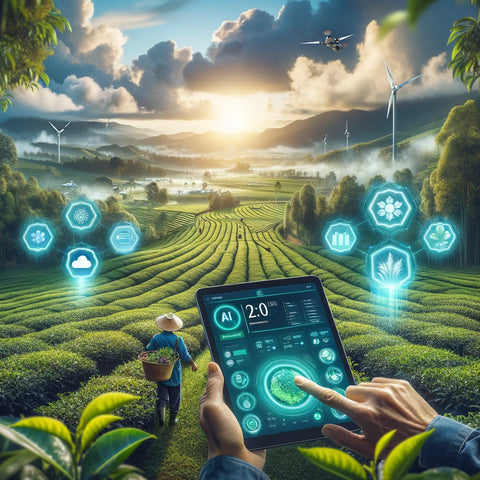
But WREF is more than just a weather forecaster or a crop doctor. It's the bridge between Mr. Jack's traditional wisdom and the frontiers of technology. It's how The Rike ensures that every leaf that goes into your tea cup carries the legacy of the past and the promise of the future.
The Marketplace of Memories
Imagine a marketplace, not of commerce, but of stories and memories. This is where The Rike comes alive, a place where every product is a chapter, every purchase a continuation of the story. Here, in this marketplace of memories, you don't just buy tea; you become a part of its journey from Mr. Jack's farm to your home.
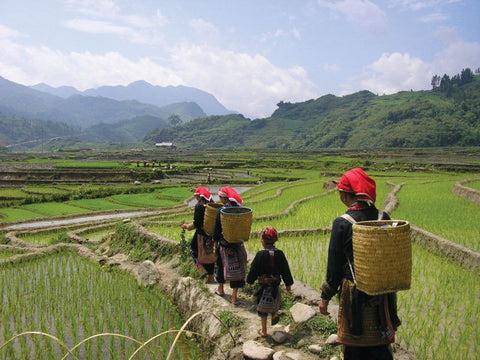
In the world of The Rike, things are different. You don't find shelves cramped with products. Instead, you find experiences waiting to unfold. Why keep a closet full of gadgets and tools when they can be summoned right to your doorstep, just in time to add their verse to your story?
The Green Symphony
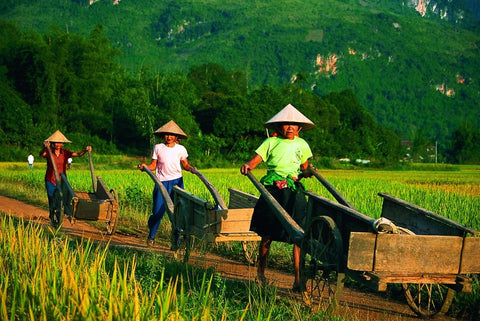
Back on Mr. Jack's farm, life is a symphony conducted by nature and orchestrated by WREF. It's a symphony of growth, of life, and of harmony. Here, every element plays its part – the sun, the rain, the earth, and the seed. WREF ensures that this symphony plays in perfect harmony, balancing the needs of nature with the wisdom of technology.
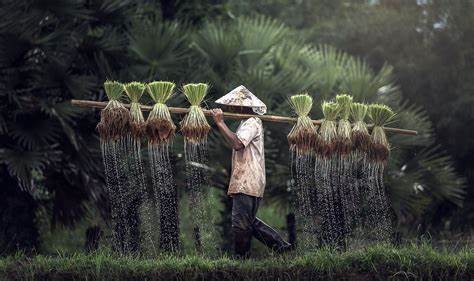
But the symphony of The Rike isn't confined to Mr. Jack's farm. It extends into the heart of the city, into homes, and into lives. It's in the air you breathe, the tea you sip, and the community you're part of. It's a symphony that sings of sustainability and of a future where every sip tells a story, and every story is a pledge to the earth.
The Canvas of Innovation
The Rike is more than a tea shop or a farmer's ally. It's a canvas where innovation meets tradition, where every stroke paints a future of sustainability and harmony. With WREF, The Rike isn't just growing crops; it's cultivating a future where technology and nature walk hand in hand.
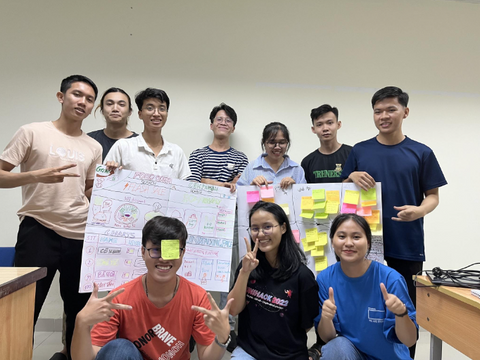
In this canvas of innovation, every color, every line tells a story—a story of change, of hope, and of a future we're building together. It's a story that begins in the heart of nature, in the hands of farmers like Mr. Jack, and finds its way into the heart of the city, into homes, and into lives.
A Shared Journey
As you embark on this journey with The Rike, remember, you're not just a part of a story. You're a storyteller. With every cup of tea, with every seed that sprouts, you're weaving your verse into this saga of sustainability and innovation.
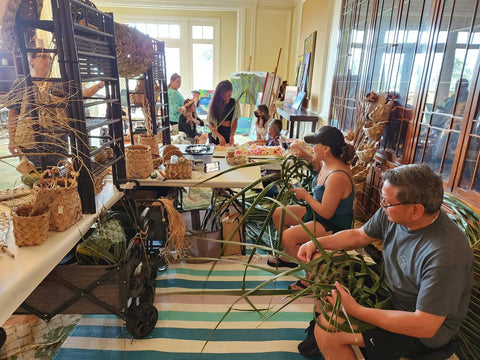
Welcome to The Rike, where every leaf tells a story, where every sip is a journey, and where every journey is a step towards a greener, more sustainable future. Here, in the world of The Rike, you're not just embracing a product; you're embracing a legacy—a legacy of the earth, of Mr. Jack, and of a future we're crafting together. 🌱✨
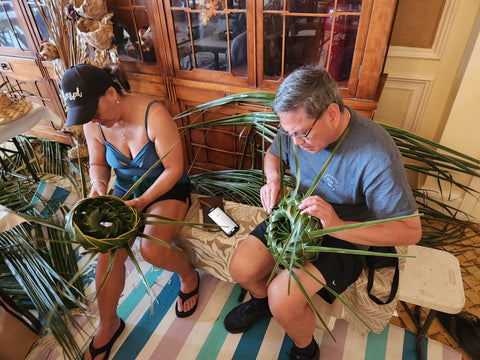

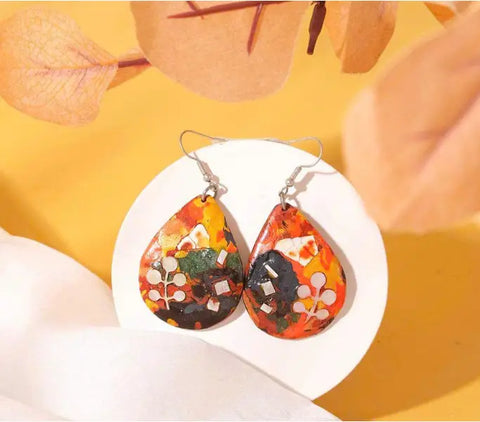
Your support is a key ingredient in this brew of change. Every contribution takes us one step closer to a future where useful products and practical information are accessible, farmers are empowered, and agriculture is sustainable. This isn't just a business initiative; it's a movement towards a healthier, greener future.
How often do you pause to appreciate the awe-inspiring might of the natural world around you? A whole universe of beauty is at our fingertips, from towering trees to tiny flowers that blossom in pavement cracks.
Despite our deep appreciation for and dependence on Mother Nature, are we contributing sufficiently to her well-being? More than just a pastime, caring for a garden or planting a tree is a meaningful way to express gratitude to the earth. 🌍
Each and every one of the earth's leaves, flowers, and soil particles is essential to human survival. In addition to being aesthetically pleasing, they also play an important role in ensuring our continued existence and health. Take a moment to admire these amazing gifts from nature the next time you're outside, whether you're trekking in the woods or simply watering your plants at home.
We should all commit to being more conscious of how our activities affect the planet. Minimal efforts, such as recycling more, using less water, or even just being more knowledgeable about local wildlife and plants, may have a significant impact. 💪🌱
If we work together, we can make our world better for everyone.
Join me, would you? Let's celebrate Earth Day every single day! 🌏✨
All things related to nature and sustainable living are celebrated every day on Earth Day.
Join us, and let’s 'Sip Sustainability' together.
For more details, Visit our tea store
Or our social channels:


Circular Economy - an Essential Future
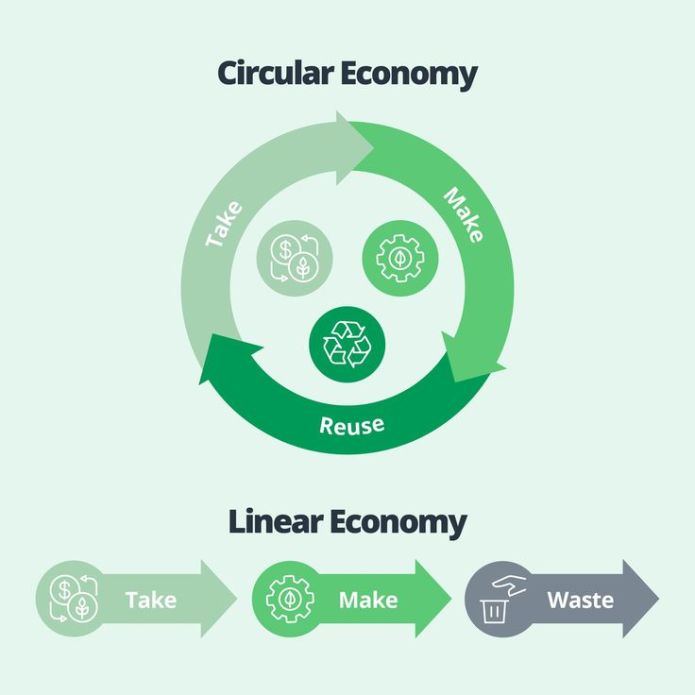
The Earth's life cycle operates in a way that sustains life. It's a simple concept. One organism's waste is another organism's food. The end result is everything returning to the Earth in one form or another. But over the years, the promise of development has seduced us, humans. Progress now equates to destruction, and we have blindly accepted this new definition. Think about it. Is it really progress if it comes at the cost of more lives for the benefit of a few?
The life cycle that the Earth has mapped out conveniently has been broken to cater to human convenience. The circular economy mimics the Earth's living model. The idea of matter finding its way back to contribute to the lives of others. On the other hand, humans have not been able to bear what is now referred to as the linear economy approach - TAKE, MAKE, DISPOSE, or what is commonly known as consumerism. A new shoe release and we rush to buy, a new phone and we plan to discard the old ones, a new shampoo ad with glossy hair, and we rush to the supermarket to buy it.
One might ask, what's wrong with this lifestyle? After all, what is an economy if not for such innovations? The problem is that the Earth can never recover to sustain this level of consumption. We are depleting finite resources, and tons of waste end up rotting in landfills, choking other forms of life. We are not only destroying the lives of these plants and animals but also our own. This information is not new. We are all aware of human devastation on Earth. But it seems that the comfortable lives we lead have made us too complacent to let go of it.
No matter how comfortable we are with this lifestyle, we will surely not feel the same in the years to come. Simply put, there is no other choice but to shift our lives towards a more sustainable one. The concept of the circular economy precisely brings about this change.
The Path to Zero Waste: Reusing and recycling materials would certainly lead to low resource consumption, and with conscious material use and responsible waste management, the model prevents tons of waste from overflowing landfills.
Why Businesses Should Adopt it in a Pure Economic Perspective? What Does It Mean for Humanity?
With the current rate of consumption, we can be sure that we will soon run out of natural resources to rely on, and that comes with a global economic cost. At the beginning of the century, the price of natural resources has been rising due to its scarcity. Continuous oil shocks have created a path for economic recession, and our vulnerability due to its dependence will eventually lead us into a chaotic world if we haven't arrived there yet.
The cost of resources will skyrocket, leaving mere survival as a luxury. This may seem dramatic and exaggerated, but it is very much possible, especially in causing vulnerability for developing economies. UNIDO observes that the circular economy will address this dual challenge, reversing the resource consumption in developing countries and subsequently resource depletion, climate change, and poverty. So, the question is, why don't we change our ways?
Companies save money, consumers live better and more ethically. The world becomes a better place to live, and the environment around us will certainly be more friendly to us humans. This throwaway culture we are currently living is leading us down a rabbit hole. A circular economy offers us an escape route to become better and make our future prosperous.
That being said, there are many organizations that have adopted the circular economy approach, but it's not enough to create a greater impact. This only proves that the potential for a better future is hindered not by techniques but by conscious choices. We need to stop seeing nature as a separate entity, detached from human life. We originate from nature's processes, and in the bigger picture, the destruction of nature will ultimately be our destruction.
The Rike's Journey
Our journey started with a shared love for nature and a deep respect for royal values. As a team of health enthusiasts and design lovers, we began The Rike Inc. to bridge a gap we saw in the market. We recognized the potential for an herbal tea business that not only catered to those seeking a healthier lifestyle but also held strong roots in sustainable farming and ethical sourcing.
In the heart of Asia, we found experienced farmers, skilled experts, and passionate young entrepreneurs willing to join us in this venture. We saw a chance to boost the economy of the rural farming community while bringing high-quality organic herbal tea to consumers.
The cooperative described in this project is a real initiative connected to tea leaf and seed production. Its purpose is to bring participants together to share knowledge, resources, equipment, and market access while retaining local experience and human judgment. The operating scope and stage of the cooperative may evolve over time, so this page focuses on the mission and structure rather than treating every future plan as already completed.
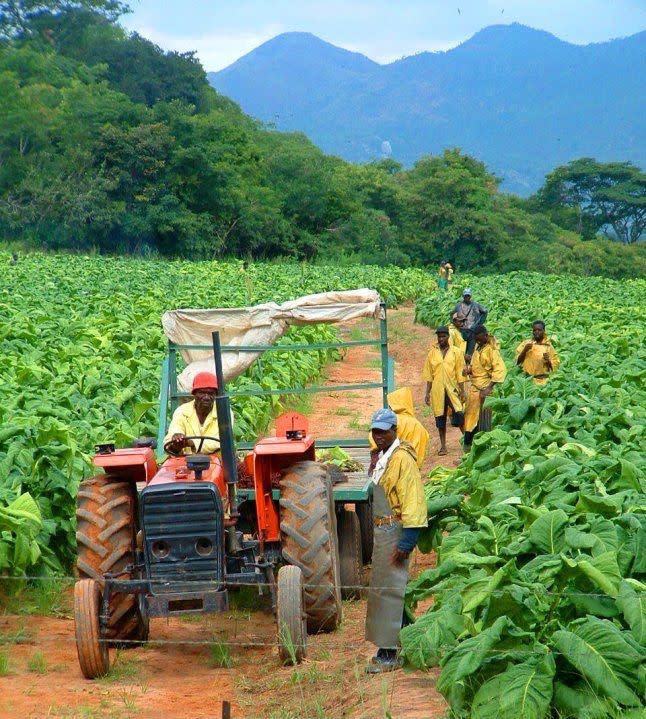
A cooperative is a socio-economic model where members come together, share resources and work collectively to achieve common goals.
Benefits of cooperatives:
Connecting farmers: The cooperative will provide a platform for farmers in the region to connect, share experiences and gather resources. This helps to strengthen solidarity and common development among farming communities.
Producing high-quality tea buds and seeds: Through cooperation, we can share knowledge and techniques for producing high-quality tea buds and seeds, thereby improving product quality and increasing prices. commercial value.
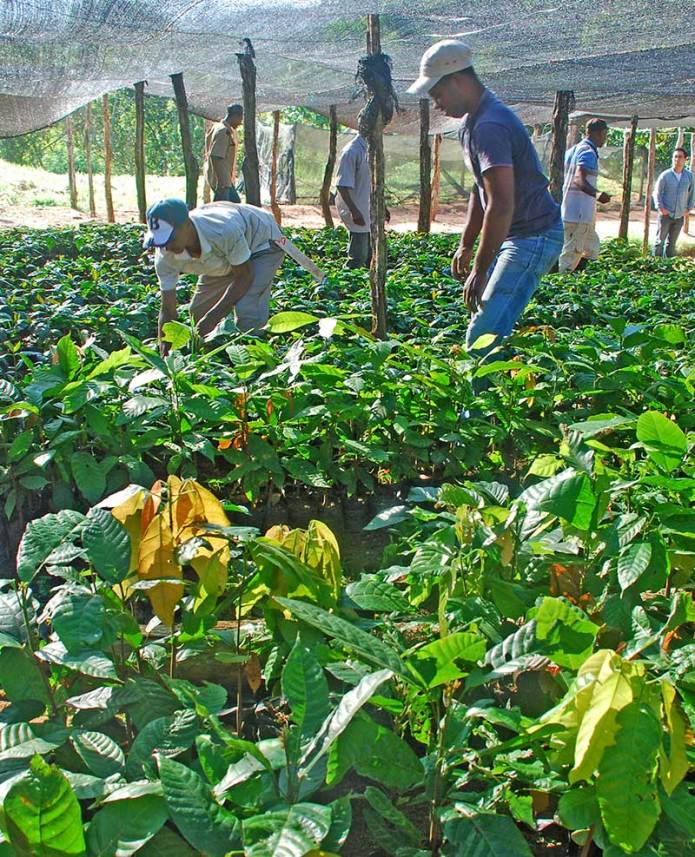
Savings: Cooperatives increase farmers' competitiveness by reducing production costs by consolidating equipment and raw materials. Integrated sustainable development Adopt sustainable farming methods: The cooperative will promote the use of organic and sustainable farming practices, protect the environment and provide consumers with healthy and safe goods.
Creating a sustainable supply chain: The cooperative will seek to connect with business partners and support groups with the goal of building a sustainable supply chain across from production to consumption and adding value to customers. neighboring areas.
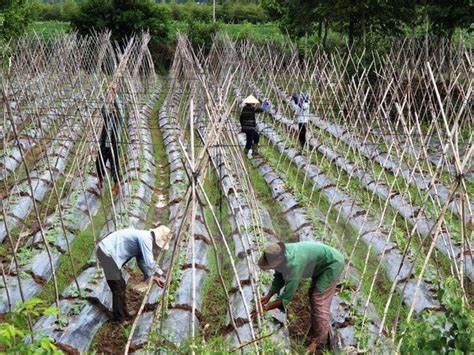
Recession, Deflation and early recovery cycle:
During times of economic crisis, such as recession, deflation and early recovery, cooperatives play a vital role in helping farmers overcome difficulties. By sharing resources, knowledge, and techniques, cooperatives strengthen competitiveness and prepare to seize early economic recovery opportunities.
Resource pooling: Encourage members to pool their resources, such as land, equipment, knowledge, and labor. This collective effort helps to optimize production, reduce costs, and create economies of scale. It also fosters knowledge sharing and skill development among members.
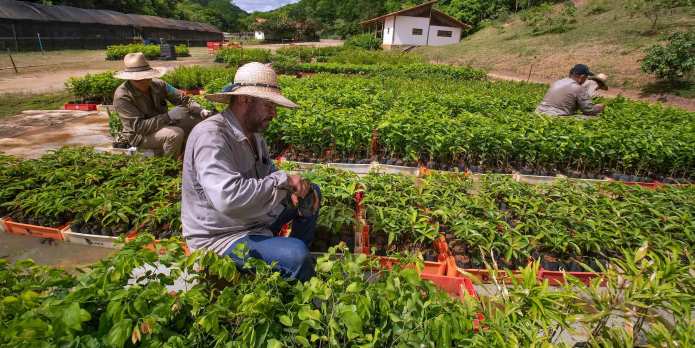
Cooperative management: Create an effective management system for the cooperative's business activities. This may include setting up a board of directors or management committee responsible for making strategic decisions, monitoring financial matters and organizing activities related to tea leaf and seed production.
Capacity building for members and training them will help them become more proficient in tea and tea seed production. This may include farming, harvesting, processing and quality assurance methods. improve the background knowledge of members to increase output and competitiveness.
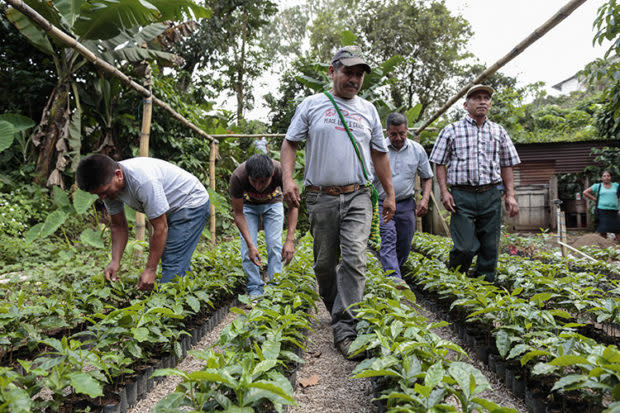
Networking and collaboration: Explore opportunities for collaboration with other tea producers, cooperatives, research institutions, or industry associations. This can facilitate knowledge exchange, access to markets, and the adoption of best practices.
Earlier fundraising material explored how circular-economy ideas might apply to tea leaf and seed production, including waste reduction, reuse, composting, water efficiency, and collaboration. The examples below are planning concepts rather than a representation that a specific funding round, facility, or program is currently active.
Organic farming practices: Emphasize organic farming methods to reduce the use of synthetic fertilizers and pesticides. Organic practices promote soil health, biodiversity, and the natural nutrient cycle, aligning with the principles of the circular economy.
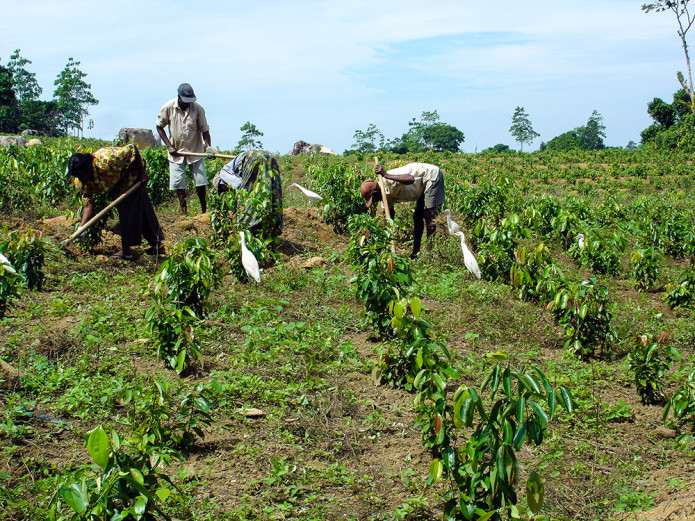
Composting and waste management: Establish a system for composting tea leaves and seeds, such as pruning residues, leftover tea leaves and processing by-products. Compost can be used as an organic fertilizer, closing the nutrient loop and reducing the need for external inputs.
Water management: Implement efficient irrigation systems to minimize water consumption and prevent water waste. Consider rainwater collection and treatment for irrigation purposes. Plus, discover ways to recycle and reuse the water used in tea making to reduce water usage.
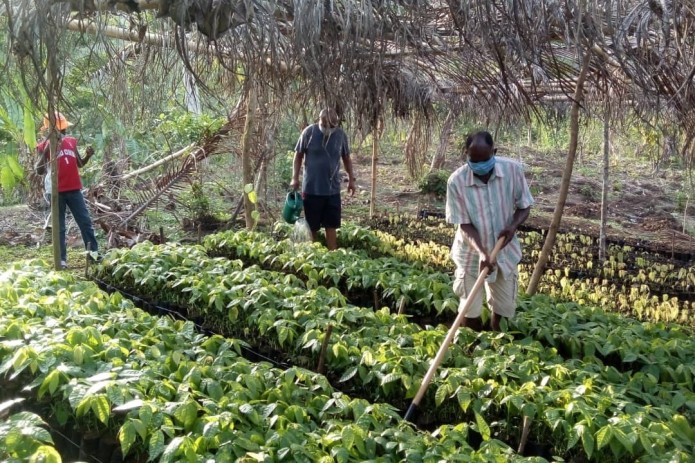
Product diversification and waste pricing: Look for opportunities to diversify tea leaf and seed products to maximize resource use. For example, consider producing specialty teas, herbal blends, or tea-based cosmetics from tea leaves.
Use tea seed oil in various applications, such as food, cosmetics or biofuels to extract maximum value from the seeds.
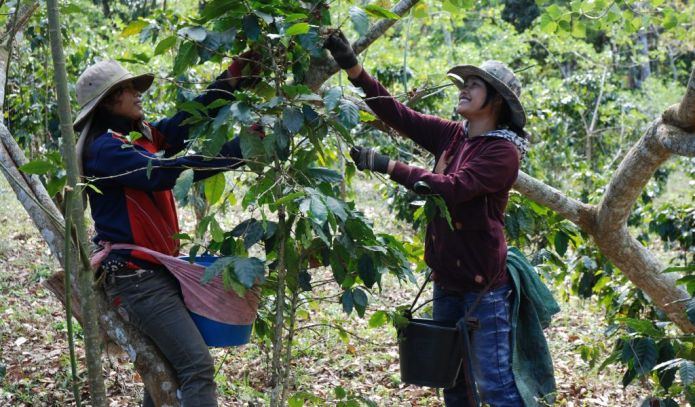
Packaging and waste reduction: Opt for sustainable packaging materials, such as biodegradable or compostable materials, to minimize waste generation. Encourage the use of refillable or reusable containers for tea products, reducing single-use packaging.
Collaboration and supply chain optimization: Collaborate with local farmers, cooperatives, and stakeholders to create a closed-loop supply chain. This can involve exchanging agricultural byproducts or residues with other producers for mutual benefit. Sharing resources, equipment, or knowledge can optimize production efficiency and reduce waste.
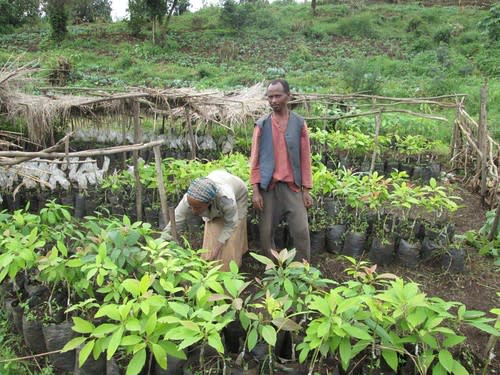
Educate and engage consumers: Educate consumers about the principles of the circular economy and the environmental benefits of supporting sustainable tea nut and leaf production. Encourage responsible consumption practices, such as composting tea waste, using reusable tea filters, or choosing products with eco-friendly packaging.
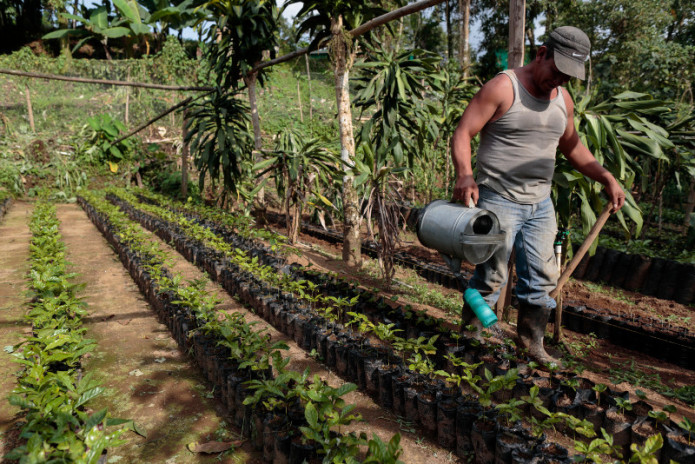
Lifecycle assessment and continuous improvement: Conduct lifecycle assessments to evaluate the environmental impacts of tea leaf and seed production. Identify areas for improvement, such as energy efficiency, waste reduction, or water conservation, and implement strategies to continually enhance the circularity of the production process.
By embracing circular economy principles in tea leaf and seed production, you can minimize waste, reduce environmental impact, and create a more sustainable and resilient tea industry. This approach not only benefits the environment but also contributes to the long-term viability and profitability of the sector.
Conclusion:
Building a cooperative producing tea buds and tea varieties is a model that embraces sacredness, local economy, and sustainable development. By connecting farmers, improving product quality, and promoting sustainable farming methods, we can contribute to developing farming communities and the local economy.
Our Team & Community Vision
The Rike's vision depends on people: customers, growers, suppliers, collaborators, and team members who bring different skills and perspectives. We value practical knowledge, curiosity, responsible sourcing questions, clear communication, and thoughtful design.
Our work includes real relationships with farmers, suppliers, production partners, entrepreneurs, and other collaborators connected to seeds, herbs, teas, botanicals, and specialty products. Those relationships have existed at different stages and with different scopes, so this page does not imply that every person or organization mentioned has the same current role or contractual status today.
Our mission is to support informed purchasing, useful growing knowledge, thoughtful product discovery, and a long-term interest in agriculture, community resilience, and responsible use of technology.
Our Production, Manufacturing & Supplier Network
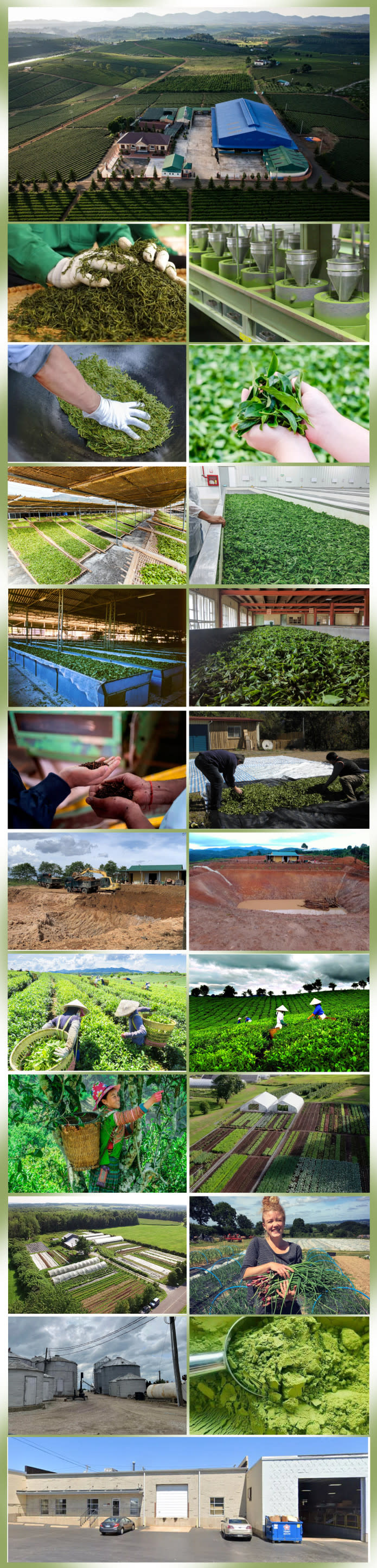
The Rike has worked with real farms, suppliers, production and manufacturing facilities, co-packing resources, testing and certification channels, logistics providers, and fulfillment partners. Some farm suppliers have provided certification documents to The Rike for marketing and product-support purposes. Those certificates apply to the named certified farm, supplier, facility, crop, product, or scope shown on the document; they do not automatically mean that The Rike itself or every item in the catalog carries the same certification. Exact certifier names, certificate numbers, covered scope, and validity dates can be added after the supporting documents are reviewed.
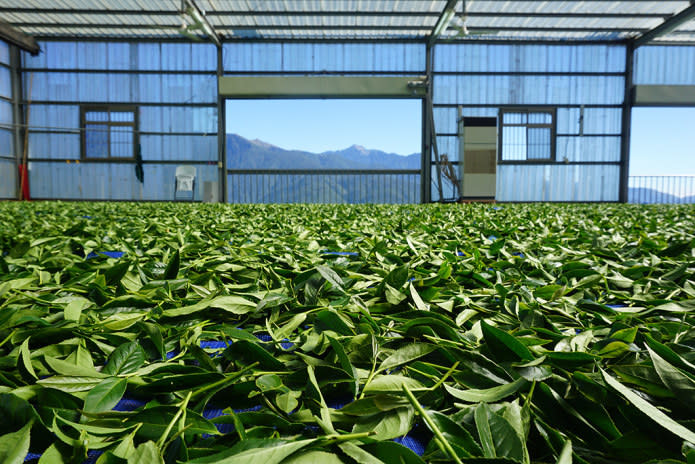
Our Products
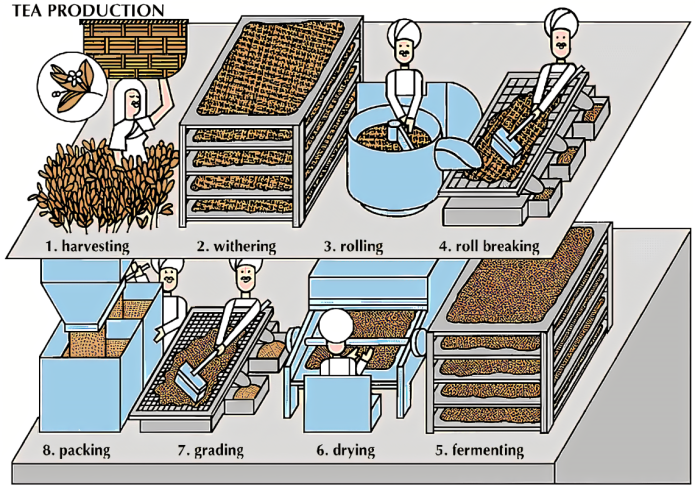
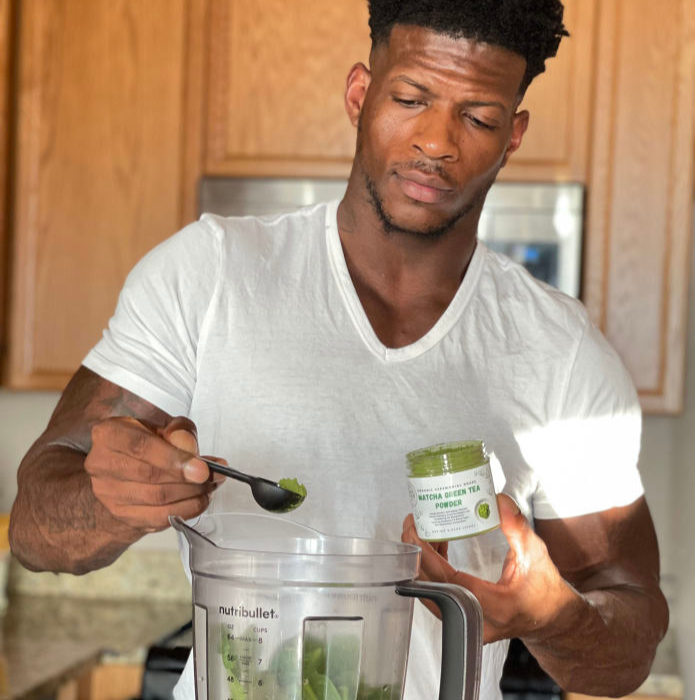
At The Rike, we want product discovery to connect the finished item with useful information about ingredients, flavor, planting, preparation, origin when verified, and the work required to bring a product to market.
Our products are not just commodities, but handpicked tales of nature's bounty transformed into a royal experience.
Our catalog may include herbal teas and botanicals with different flavors, aromas, ingredients, and preparation styles. Product pages should describe those characteristics directly. We do not use this vision page as evidence that an herbal product can diagnose, treat, cure, or prevent a medical condition.
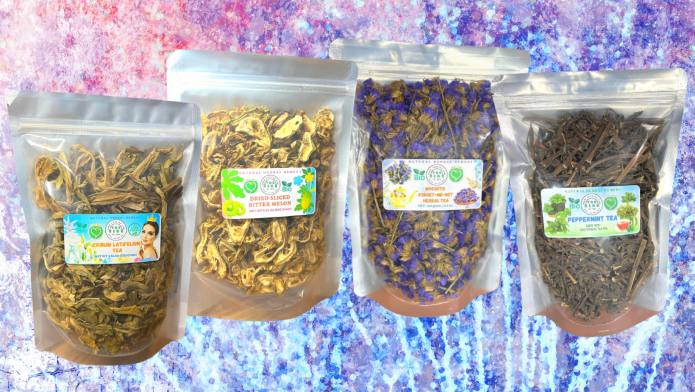
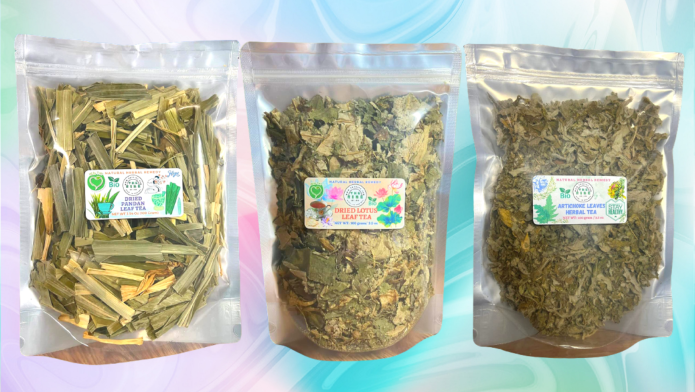
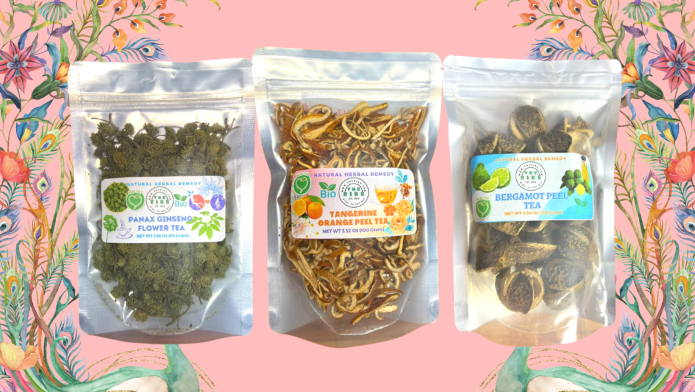
The Rike also offers seeds and other planting products. For growers and hobbyists, our aim is to pair products with practical information so customers can make better choices for their climate, space, and intended use. Germination and growing outcomes depend on conditions and are not guaranteed by this vision statement.
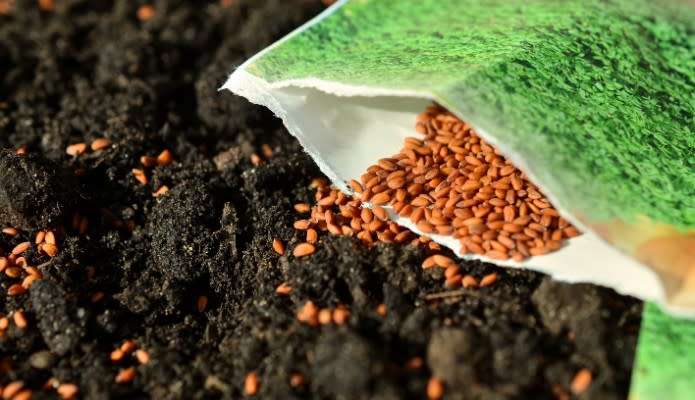
We want quality, sourcing, certification, and sustainability claims to be specific and verifiable. Rather than applying a single environmental or ethical claim to the entire catalog, customers should rely on the current information provided for the individual product they are considering.
Our Mission Moving Forward
Competitive Strategy
We aim to focus on a niche market, investing in research to exploit product resources and tailoring our offering to better meet our customers' needs. Recognizing the power of engaging content and strong visuals, we will dedicate resources to create captivating images, compelling product descriptions, and authentic customer reviews. We believe that a good story can make a world of difference.
Our commercial vision includes improving product presentation, useful content, packaging, and customer experience over time. Promotions, discounts, certifications, manufacturing arrangements, and product programs may change, so this page should not be treated as a promise of a specific offer or partnership.
Logistics and Packaging
As The Rike develops, we may explore additional sales, customer-service, logistics, and packaging relationships. Any current shipping method, service level, or fulfillment arrangement should be checked against the store's current shipping and order information.
Production
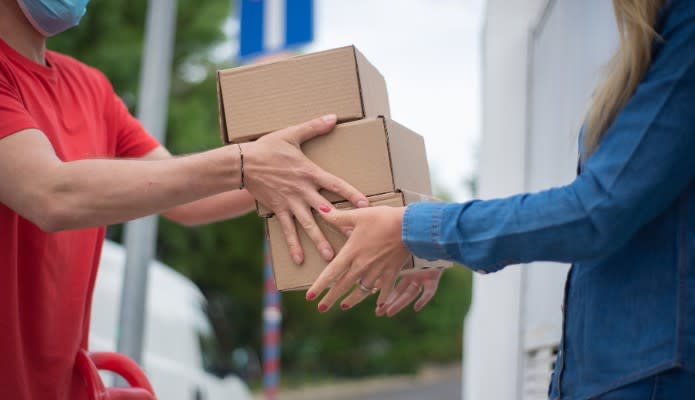
The Rike has had real farm, supplier, production, and manufacturing relationships in Vietnam, the United States, and other regions discussed in the project. The role and scope of individual partners can change over time, so current sourcing, production status, and product availability should still be verified against the latest records and product information.
Media and Marketing
As the brand develops, our communication goals include clearer educational content, responsible product information, customer outreach, and thoughtful use of digital channels. Mentions in earlier planning material of specific media outlets, influencers, or advertising platforms were aspirations, not promises of coverage or endorsement.

Social media will be a key part of our strategy to connect with customers, sharing valuable content that speaks not just to the physical, but the spiritual. We aim to become a brand that brings hope, encourages peace, and helps people find meaning and purpose.
The broader vision is to grow The Rike responsibly while keeping useful information, customer trust, agriculture, community, and long-term resilience at the center of decision-making. Progress should be measured by what can actually be built, documented, improved, and sustained over time.
Project History: Risks & Challenges
This section originated in earlier fundraising material and is retained as part of The Rike's project history. It describes the kinds of operational risks the project considered, not a current fundraising promise or guarantee.
Supply chains, logistics, product availability, and delivery can all be affected by events outside a merchant's control. Our current approach is to communicate accurately, avoid guarantees we cannot support, and use current store policies and order information as the source of truth.
Ingredient or seed shortages are another potential challenge. Availability can change with harvests, inventory, suppliers, transportation, and market conditions. This page does not guarantee reserved stock, specific suppliers, or uninterrupted availability.
We cannot promise a journey without challenges. What we can aim for is clearer communication, current product information, realistic commitments, and continued learning as conditions change.
Thank you so much!
Project History: Cryptocurrency Donation
Historical note: The donation and crowdfunding references on this page come from earlier project material. Their presence here is part of the project archive and does not by itself confirm that a fundraising campaign or payment method is currently active.
Earlier Indiegogo campaign material described cryptocurrency as one possible contribution method. That language is retained here as part of the project's history. It should not be read as confirmation that the campaign, listed currencies, or payment methods are currently active.
Secure and Private Transactions:
The earlier campaign materials presented blockchain-based payments as an alternative transaction method. Security and privacy depend on the network, wallet, payment provider, and transaction setup, so this page does not make a current guarantee about privacy or payment security.
Faster and Lower Fees:
The campaign also discussed possible differences in transaction speed and fees. Those costs and processing times can vary substantially by network and payment provider.
Global Reach:
The original intention was to make participation accessible to supporters in different regions. Actual availability of any payment method depends on the active campaign, provider, jurisdiction, and current checkout options.
Enhanced Transparency:
Public blockchains can provide visible transaction records, but a transaction record alone does not prove how funds are ultimately used. Any current fundraising should provide its own up-to-date terms, disclosures, and accountability information.
Showcasing Innovation:
The archived campaign framed cryptocurrency as an experiment in new payment technology. On this Vision & Mission page, that history is presented as part of The Rike's broader interest in technology rather than as a current endorsement or active fundraising claim.
Archived Contribution Instructions:
These steps were part of the earlier campaign and may no longer be current. Anyone considering a contribution should rely only on the current instructions and payment options shown through an official active campaign or The Rike's current store channels.
This historical fundraising material remains on the page to document an earlier stage of The Rike's project vision. The current mission is broader: useful products, practical information, community, agriculture, resilience, and responsible exploration of technology.