
Loose Tea Storage & Steeping Guide
Loose Tea Storage & Steeping Guide
Good tea preparation is mostly about a few controllable variables: fresh water, the right amount of tea, water temperature, steeping time, and proper storage. There is no single “perfect” method for every tea, so use the product label when specific instructions are provided and treat the ranges below as practical starting points.
How to Store Loose Tea
Dry tea can lose aroma and pick up moisture or surrounding odors if it is stored poorly. For most loose teas and herbal ingredients, the goal is a cool, dry, dark place with minimal exposure to air.
- Keep tea in a clean, tightly closed container.
- Use an opaque container or keep clear containers inside a dark cabinet.
- Keep tea away from humidity, steam, direct sunlight, heat, and strongly scented foods or spices.
- Avoid repeatedly opening a large container in a humid area. Smaller working containers can help protect the rest of the tea.
- Refrigeration or freezing is usually unnecessary for everyday loose tea unless the producer specifically recommends it. Temperature changes can introduce condensation if the container is opened while cold.
HOW TO STEEP LOOSE TEA
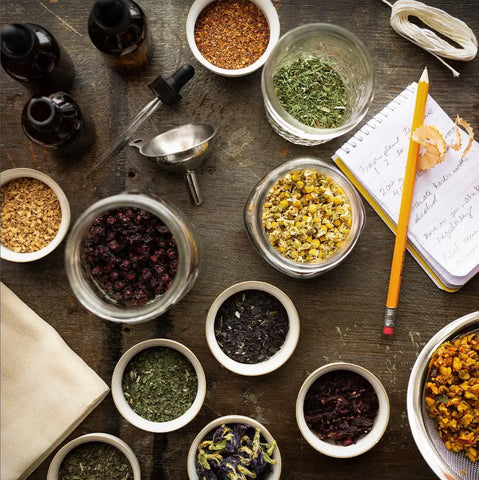
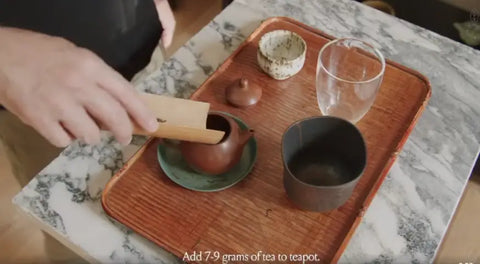
A basket infuser, tea strainer, teapot with an infuser, or other food-safe brewing tool can all work. Give whole or larger leaves enough room to expand.
Start with about 1 teaspoon of loose tea per 6–8 ounces of water unless the product says otherwise. Dense rolled teas, very fine-cut herbs, large flowers, and bulky leaves may need a different volume, so adjust by product and taste.
BLACK TEA
- Start around 195–212°F (90–100°C), depending on the tea.
- Steep about 3–5 minutes.
- Taste near the lower end of the range and extend the steep if you want a stronger cup.
Black tea can be enjoyed plain or with additions such as milk, lemon, sugar, or honey according to preference. If using dairy, remember that adding strong citrus directly to milk can cause curdling.
OOLONG TEA
- Start around 185–205°F (85–96°C).
- Steep about 3–5 minutes for a Western-style brew, then adjust to taste.
- Many oolongs can also be infused more than once.
Oolong styles vary widely, so product-specific instructions are especially useful.
GREEN TEA
- Start around 160–180°F (71–82°C).
- Steep about 2–3 minutes.
- If the tea tastes harsh or bitter, try cooler water, less leaf, or a shorter steep.
WHITE TEA
- Start around 170–185°F (77–85°C).
- Steep about 3–5 minutes, depending on leaf size and style.
- Adjust gradually because delicate-looking white teas can still vary considerably in strength.
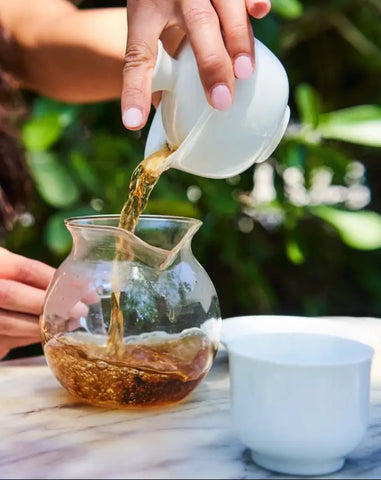
HERBAL TEA & TISANE PREPARATION
Herbal infusions can be made from very different plant parts, so there is more variation than the category name suggests. Leaves and flowers may infuse fairly quickly, while roots, bark, seeds, or dense pieces can need more time.
GENERAL HERBAL STEEPING STARTING POINT
- Use water near a boil, around 200–212°F (93–100°C), unless the product says otherwise.
- Start with roughly 1 teaspoon per 6–8 ounces of water, adjusting for bulky flowers or dense ingredients.
- Steep about 5–10 minutes, then adjust to taste.
- For roots, bark, or seeds, some products may call for longer steeping or simmering. Follow the specific preparation directions where provided.
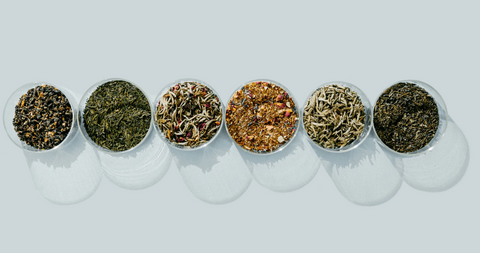
Water, Leaf Amount & Re-Steeping
Water quality can noticeably affect tea. Fresh water with a neutral taste is a useful starting point. Very hard or heavily chlorinated water can change aroma and flavor.
If the first cup is too weak, increase the leaf amount before dramatically extending steep time. If it is too bitter or astringent, reduce temperature or steeping time. Many whole-leaf teas can be steeped more than once, although each infusion will taste different.
Food-Safety & Product Guidance
Use clean brewing equipment and potable water. If you prepare tea for iced use, cool and refrigerate it appropriately rather than leaving brewed tea at room temperature for long periods. Always follow any product-specific preparation or storage directions on the current listing or package.
For help choosing between tea types, see our Tea Selection Guide. For herbal ingredients and flavor context, visit the Herbal Tea Guide.