3 Pack x 100 Velvetleaf Seeds (Abutilon theophrasti), Butterprint / Buttonweed / China Jute, a Tall Annual Mallow with Velvety Leaves and Yellow Flowers, for Contained Educational and Fibre-Interest Plots, a Regulated Invasive Weed
Velvetleaf Seeds grow Abutilon theophrasti, a tall annual in the mallow (Malvaceae) family, also called butterprint, buttonweed, China jute, or velvetleaf, and sometimes confusingly labelled Indian mallow. This is a seed packet for a contained, informed planting project, not a live plant, a food, a fibre product, a tea, or any consumable product.
Product Details
There are two honest things to lead with here. First, what it is: an upright annual, often several feet to well over head height in a single season, with large, soft, velvety, heart-shaped leaves, small yellow to yellow-orange mallow flowers, and distinctive cup-shaped, ridged seed pods. It was introduced to North America centuries ago as a potential fibre plant, and it still has a niche interest for fibre demonstrations, botany and identification study, and educational plots.
Second, and far more important, is that velvetleaf is a serious weed. It is one of the most troublesome invasive agricultural weeds in North America, competing aggressively with crops such as corn and soybeans and causing real yield losses, and it is listed as a noxious or regulated weed in many places. Its seeds are long-lived and can persist in the soil for years. For all those reasons this is not a plant to sow casually: buyers should check local noxious-weed and planting regulations before purchase or sowing, grow it only where it can be fully contained and monitored, keep it well away from farmland, field edges, and open natural areas, and remove or bag the seed pods before they shed to prevent escape.
It is worth noting this is a different plant from Abutilon indicum, the ornamental country mallow also sometimes called Indian mallow; velvetleaf, Abutilon theophrasti, is the weedy fibre species. It grows fast and easily from seed in full sun and tolerates poor, compacted, and disturbed soils, which is exactly why it spreads so readily.
It is a poor fit for most ordinary gardens. It is not a tidy ornamental, not a food or herb, and not a plant for a shared plot, a vegetable bed, or anywhere near crops or wild land. Gardeners without a strictly controlled, legal place for it should not sow it.
It is worth stating the regulatory position plainly, because it shapes everything. Velvetleaf is formally listed as a noxious, prohibited, or restricted weed in a number of jurisdictions, among them Washington, Oregon, Iowa, Michigan, and Colorado, and it is treated across much of North American agriculture as one of the most damaging broadleaf weeds there is. Depending on where you live, buying, selling, growing, or moving it may be restricted or outright illegal, so checking your national, state, and local weed regulations is not optional.
The scale of the harm it does to crops is why it is fought so hard. Velvetleaf competes fiercely with row crops, and studies put the losses starkly: heavy stands in corn can cut yields by roughly a fifth to a third, and in soybeans competition can drive losses of more than forty percent. It grows tall and fast, shading and starving the crop around it, and it is resistant to a number of common herbicides, which makes it both costly and difficult to control once it takes hold.
Its seed is what makes it nearly unstoppable. A single plant can produce many thousands of hard-coated seeds, and those seeds are famous for their longevity, staying viable in the soil for something like fifty to sixty years. That means one season of allowing it to set seed can seed a site for a working lifetime, which is exactly why prevention, and strict control of how the plant is sold and moved, matters so much more than trying to clear it later.
There is a genuine, non-food history behind the plant, which is where its niche interest lies. Native to Asia and grown in China for thousands of years for the strong, jute-like bast fibre in its stems, it was carried to North America in the seventeen-hundreds as a candidate fibre crop for rope, netting, sacking, and coarse cloth. That heritage is why it still appears, responsibly and legally, in some fibre-craft demonstrations and botanical and identification study collections, rather than as anything to eat or brew.
A point of identity matters too, to avoid a costly mix-up. This weedy fibre species, Abutilon theophrasti, is not the ornamental country mallow Abutilon indicum, even though both are mallows sometimes labelled Indian mallow; it is the velvety-leaved, cup-podded weed, and it should be recognised and handled as such. Mislabelling is common, so confirming the true species before doing anything with the seed is wise.
If growing it is lawful where you are and you still choose to, containment must be absolute. Grow it only in a controlled, monitored plot far from farmland, field margins, and open natural areas; watch for and remove any stray plants; and, above all, cut and bag every seed pod before it can dry and shed, disposing of plant material so no seed escapes and cleaning any tools or footwear that could carry seed elsewhere. Anyone who cannot guarantee that level of control, and legal permission, should simply not sow it.
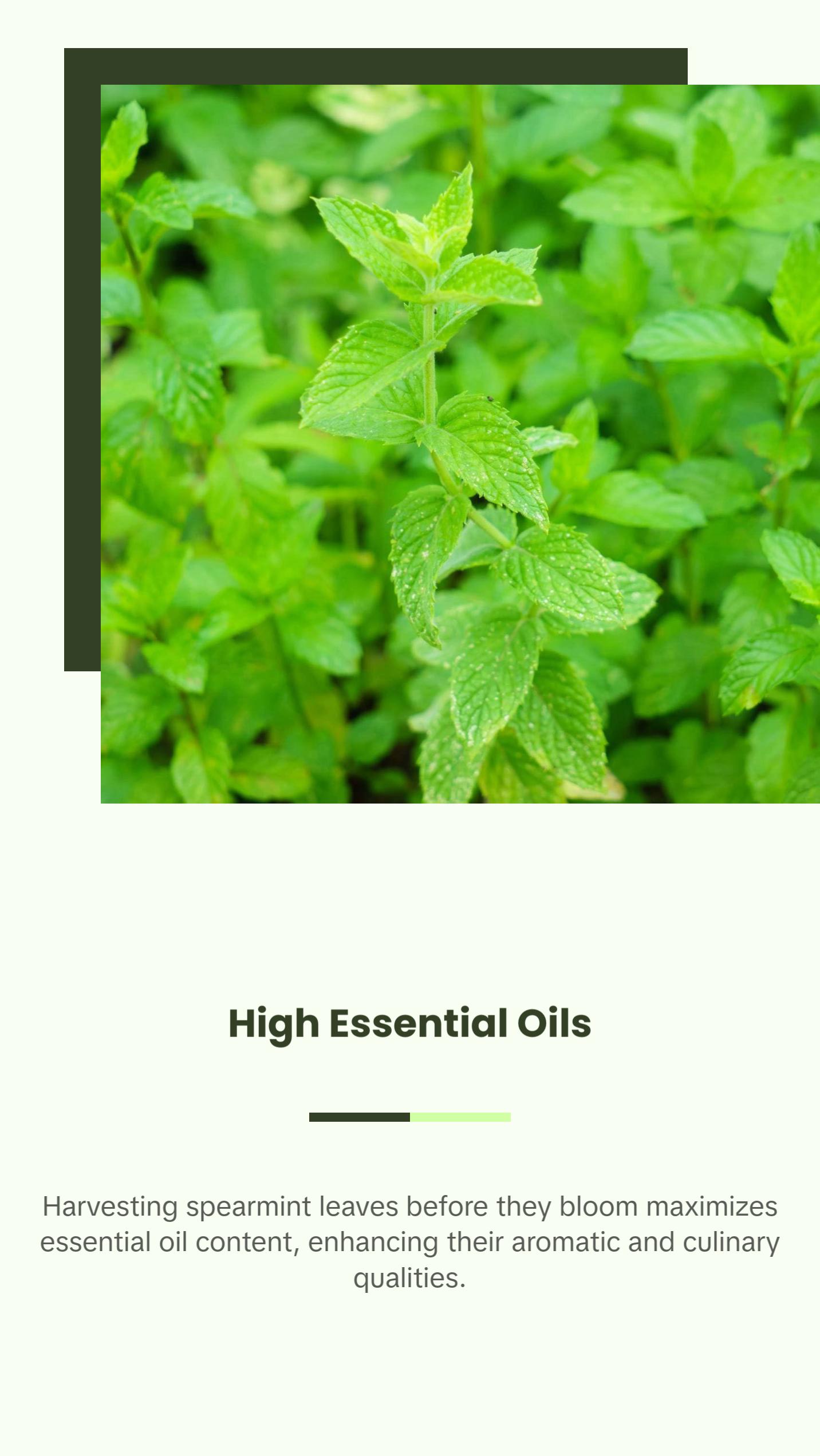
The plant itself is unmistakable once known. It grows fast and erect, often to head height or more in a season, on stout stems clothed in very large, soft, heart-shaped leaves that are velvety to the touch, hence velvetleaf; above them sit small, cupped, yellow to orange mallow flowers, followed by the ring of beaked, cup-shaped seed pods that give the other name buttonweed. Every part of that is a plant built to grab ground fast.
Set against an ordinary garden, then, this is emphatically not a decorative or useful plant to grow for pleasure. It has no place in a shared allotment, a vegetable bed, a wildflower patch, or anywhere near crops or open country, and its cheerful flowers and soft leaves do not offset the very real, long-lasting harm an escape can cause. The responsible default, for almost everyone, is not to grow it, and to report it if it appears uninvited.
Handle it as a contained, responsibly-managed botanical or fibre-study project rather than a garden ornamental, since it can escape and cause harm if left to seed. Keep unused seed cool, dry, and sealed, follow the packet directions, and above all check that growing it is allowed where you live.
Product Highlights
- Velvetleaf Seeds grow Abutilon theophrasti, a tall annual mallow (also called butterprint, buttonweed, or China jute), with large, soft, velvety, heart-shaped leaves, small yellow mallow flowers, and cup-shaped, ridged seed pods, and it smells distinct when crushed.
- It was introduced long ago as a potential fibre plant and still has niche interest for fibre demonstrations, botany and identification study, and educational plots, growing fast and tall from seed in a single warm season and needing very little care.
- Most important, velvetleaf is a serious invasive: one of the worst agricultural weeds in North America, competing with corn and soybeans, with long-lived seeds, and it is listed as a noxious or regulated weed in many places.
- Because of that, do not sow it casually: check local noxious-weed rules first, grow it only where it can be fully contained and monitored, keep it away from farmland and wild land, and bag the seed pods before they shed to prevent escape.
- Note it is a different plant from ornamental country mallow (Abutilon indicum), and it is not a food, herb, or ornamental for a shared plot; grow it only where it is allowed, and store any spare seed cool, dry, sealed, and clearly labelled.
Search Terms
velvetleaf seeds, abutilon theophrasti seeds, butterprint seeds, buttonweed seeds, china jute seeds, annual mallow seeds, fibre plant seeds, educational plant seeds, noxious weed seeds, invasive weed study seeds, not abutilon indicum
Inventory Last Updated: Sep 23, 2026