

Farmer Life in Phu Yen: Work, Weather, and Fair Value
This article presents one farmer’s account from Phu Yen province, Vietnam: long working days, manual cultivation, care for young plants, weather uncertainty, participation in a medicinal-herb cooperative, and frustration when market prices do not reflect the labor behind a crop. It describes one experience, not every farmer in Phu Yen.
A Working Day on the Farm
The original account describes long days devoted to planting, cultivating soil, checking young plants, and responding to changing conditions. It does not provide an exact schedule, so this article avoids turning “long hours” into a fixed dawn-to-night routine.
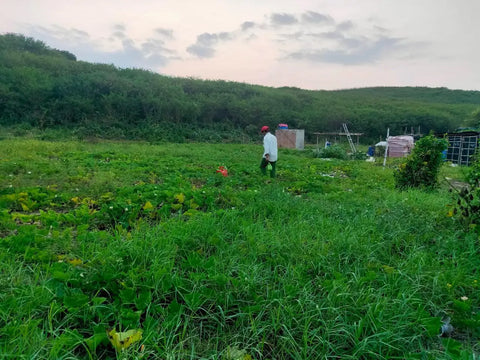
The work is physically demanding and requires repeated attention. Its outcome is never controlled by effort alone: weather and markets remain outside any single farmer’s control. Even so, the author finds personal meaning in growing food and caring for the land.
Manual Cultivation and Young Plants
Manual cultivation is central to this farmer’s story. Planting, handling soil, and checking leaves make progress visible, but they also reveal problems quickly. Young plants can be more vulnerable to weather and handling, so observation matters.
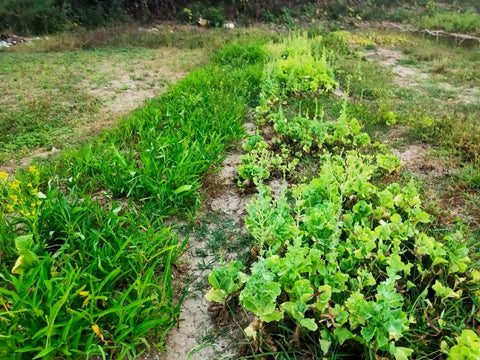
This account does not identify every tool, crop, or intervention used. The reliable point is simpler: young plants receive close attention, and protection decisions change with weather, crop needs, and the materials available.
Garden Covers: Protection, Limitations, and Trade-offs
The farmer uses covers to protect young plants from changing weather. “Garden cover” can refer to different materials, and their purpose depends on the crop and conditions. Some designs may reduce damage from heavy rain or wind; others provide shade or help manage soil moisture.
Covers also have limitations. A material that blocks rain may reduce airflow; one that provides shade may also reduce light; plastic products require careful use and disposal. The article does not claim that frost is typical in Phu Yen or that one cover works for every crop.
The useful principle is to match the material to a clearly identified risk, monitor the plants, and adjust when conditions change.
Weather Uncertainty and the Limits of Planning
The farmer’s account repeatedly returns to the next change in weather. Forecasts and experience can guide decisions, but they cannot remove uncertainty.
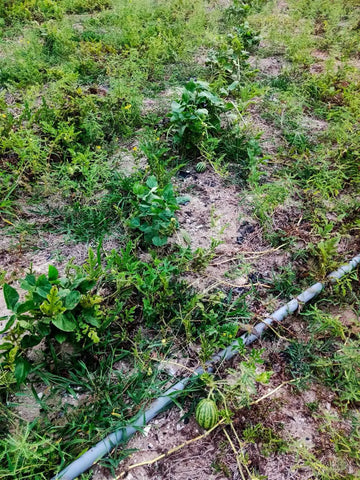
Too much or too little rain, strong wind, heat, and other conditions can affect different crops in different ways. Farmers may adjust timing, protection, or watering when possible, but the result depends on the crop, growth stage, soil, and severity of the event. This article does not assign a specific loss or yield to the farm.
Farm Tasks, Risks, and Decisions: A Practical Overview
| Area of Work | Possible Risk | Decision to Consider |
|---|---|---|
| Planting and young plants | Weather or handling stress | Timing, spacing, and protection |
| Garden covers | Insufficient airflow, light, or weather protection | Material, placement, and removal timing |
| Water management | Too much or too little moisture | Observe soil and adjust when possible |
| Harvest timing | Quality loss or approaching weather | Balance readiness with forecast and labor |
| Selling | Price may not cover labor and other costs | Review available channels, timing, and terms |
Medicinal-Herb Work Through a Cooperative
The original article identifies the farm owner as a participant in a cooperative that grows medicinal herbs. It does not name the herbs, cooperative, buyers, standards, acreage, or volume, so those details should not be assumed.
In general, a cooperative may help members share knowledge, coordinate work, purchase inputs, or negotiate with buyers, but its actual services depend on its rules and resources. Participation does not guarantee a particular price, certification, market, or income.
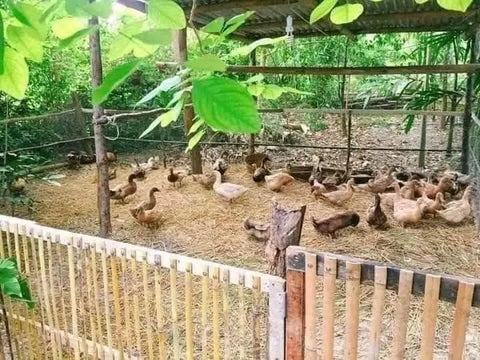
Medicinal-herb production can involve requirements for identity, cleanliness, harvest timing, drying, storage, and traceability. The applicable requirements depend on the plant and intended market. This article therefore avoids claiming that the Phu Yen cooperative follows a specific protocol that has not been documented here.
Market Prices, Labor Value, and Fair Exchange
The farmer describes a gap between the labor invested and the price sometimes received. Market prices do not function as a direct wage for hours worked; they reflect supply, demand, quality, timing, buyer requirements, transport, storage, and conditions across a wider market.
Those factors do not prove that this particular farmer lacks information, storage, or bargaining power. They explain why price can move independently of effort. A high-effort crop can still meet a weak market, while a shortage may raise prices for reasons unrelated to one grower’s labor.
“Fair value” is not one universal price. It can include clearer quality standards, understandable deductions and fees, reliable payment terms, traceability, and enough information for each party to evaluate an offer. Labor and production risk belong in that discussion even when they cannot determine the market price by themselves.
How Consumers and Businesses Can Value Farm Labor
- Ask for traceability. Information about origin, production, and handling can make quality claims easier to evaluate, although traceability alone does not prove fair compensation.
- Expect seasonal variation. Availability, appearance, and price may change across the year. Avoid treating natural variation as automatic evidence of poor farming.
- Review purchasing terms. Businesses can examine payment timing, rejection rules, quality specifications, and how price changes are communicated.
- Evaluate cooperative or direct channels carefully. These models may improve coordination, but benefits depend on governance, fees, services, and actual contract terms.
- Reduce avoidable waste. Better forecasting, storage, and handling can prevent edible produce from losing value after it leaves the farm.
What “Long Working Days” Does—and Does Not—Tell Us
The original account describes work stretching across much of the day, but it does not provide a clock-based schedule. Farm labor also changes with the task and season. Planting, protection, maintenance, harvesting, cleaning, recordkeeping, and cooperative coordination do not all happen at the same intensity every day.
For that reason, a responsible profile should not convert one farmer’s phrase into a claim that every day begins before sunrise and ends at midnight. The important point is the accumulation of attention: plants must be checked, weather decisions cannot always wait, and physical work continues even when the eventual selling price is uncertain.
Long hours also do not prove efficiency, profitability, or hardship by themselves. To understand working conditions, a reader would need more information about labor support, tools, crop cycles, rest, income, and responsibilities—details this article does not have.
Questions That Make a Farm Story More Accurate
When more information becomes available, the following questions would improve this profile without turning assumptions into facts:
- Which tasks take the most time during planting, maintenance, and harvest?
- What kinds of covers are used, for which crops, and for which weather risks?
- Which services does the medicinal-herb cooperative actually provide?
- How are quality requirements communicated and checked?
- Which costs matter most before a selling price is known?
- How quickly are growers paid, and what happens when a crop is rejected?
These are questions, not claims about this farm. Including them makes the limits of the current evidence visible and suggests what a future interview or update should document.
Fair Value Requires Clearer Information
Consumers often see only the retail price, while growers see inputs, labor, weather exposure, harvest timing, and the risk that a crop may lose value before sale. Buyers and retailers face their own costs and uncertainty. Better decisions begin when those different parts of the chain are made visible.
Transparency can include origin, grade, accepted tolerances, delivery terms, payment timing, and reasons for deductions or rejection. None of these guarantees a high price, but they reduce ambiguity and make it easier to discuss whether the exchange is workable for each party.
Fairness also has to be evaluated over time. One strong price does not guarantee stability, and one weak price does not explain the entire relationship. Reliable records and repeated, understandable terms provide a better basis for judgment than sentimental language about sacrifice.
The Meaning in the Work
In this account, farming remains meaningful despite long hours, physical effort, uncertain weather, and frustration with prices. The satisfaction comes from cultivating the land, caring for plants, and contributing to food production.
That meaning should not be used to excuse poor conditions or erase economic difficulty. Enjoying farm work and asking for better recognition or fairer terms are not contradictions.
Farmers are one part of a larger food system that also includes cooperatives, traders, processors, transporters, retailers, cooks, and consumers. The farmer’s role is essential, but this article avoids claiming that one person feeds a region or nation alone.
FAQ: Farming in Phu Yen and Agricultural Fair Value
What does this article confirm about the Phu Yen farm?
It confirms a farm owner in Phu Yen, long working days, manual cultivation, care for young plants, use of protective covers, weather uncertainty, concern about market prices, and participation in a medicinal-herb cooperative. It does not document acreage, income, yields, named herb species, or cooperative services.
What are garden covers used for in Vietnamese farming?
Garden covers serve several purposes depending on the material and crop: protecting young plants from heavy rain or wind, reducing heat stress with shade cloth, retaining soil moisture with plastic mulch, and creating a more stable microclimate during variable weather. Each type has specific trade-offs and is chosen based on the crop's needs and current conditions.
Why can market prices differ from the labor invested?
Prices reflect supply, demand, quality, timing, logistics, buyer requirements, and competition as well as production costs. They are not calculated as wages for hours worked. Clear terms and better market information can help parties evaluate whether an offer is workable, but they do not remove price risk.
What can a farming cooperative do?
A cooperative may coordinate production, share knowledge or equipment, purchase inputs, support quality systems, or negotiate with buyers. Actual benefits depend on governance, fees, member participation, services, and market access. This article confirms participation in a medicinal-herb cooperative but not its specific operations.
What does fair value mean in the context of agricultural products?
Fair value in agriculture refers to pricing that accounts for the full cost of production — including labor, inputs, weather-related losses, and the time between planting and harvest. It also involves supply chain transparency, stable and predictable returns for growers, and purchasing decisions by consumers and businesses that reflect an understanding of what consistent food production actually requires.
Related collection
Explore Related Collections
Browse culinary and botanical collections related to this topic.
Browse Ingredient CollectionsProducts and collections are presented for general ingredient, culinary, botanical, craft, or gardening use. Content on this site is educational only and is not medical advice.
Leave a comment