

Luna Herb Co. Farm Profile: Herbs, Soap, and Community Learning
This archival profile documents Luna Herb Co. and its associated personal-care brand, The Smelly Gypsy, as they were described in a farm listing for a small family-run operation based in Troy, Illinois. The profile is preserved here as a historical record. Offerings, prices, classes, contact details, and operating status may have changed significantly since the listing was written and should be confirmed through current official channels before acting on any information below.
About the Farm and Its Mission
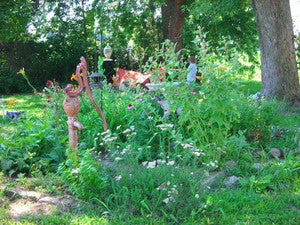
According to the profile, Luna Herb Co. and The Smelly Gypsy operated as a small, family-run farm and product business. The business described its focus as growing, wildcrafting, and sourcing herbs in ways that aligned with its values around minimal intervention and local adaptation. The profile states that the operation was not certified organic, and the listing used the broad phrase "no chemicals" for its herb-growing practices. Because that wording does not identify specific inputs, this article does not translate it into a certification or a precise pesticide or fertilizer standard.
The profile also noted a stated goal of eventually cultivating or wildcrafting all herbs used in products, with a preference for locally adapted varieties or those that grow well in the Illinois region. Whether that goal was reached is not documented here.
Sourcing and Growing: What the Profile Describes
The business described a three-part sourcing approach: herbs grown on the farm, herbs wildcrafted from the surrounding landscape, and herbs purchased from other growers who the business described as following similar practices. The profile does not specify which herbs fell into which category, and no independent verification of sourcing claims is available from this record.
A Note on "Wildcrafting"
Wildcrafting — the practice of harvesting plants from their natural, uncultivated habitat — is a long-standing tradition in herbal practice. When done responsibly, it involves harvesting only what is needed, avoiding rare or threatened species, leaving enough of each plant population to regenerate, and being certain of correct plant identification before harvest. The profile does not detail the specific wildcrafting protocols used by this farm, and readers should not assume any particular standard was followed. Anyone interested in wildcrafting as a practice should consult current resources on sustainable harvesting ethics and local regulations.
Small-Batch Processing: What It Can and Cannot Tell a Buyer
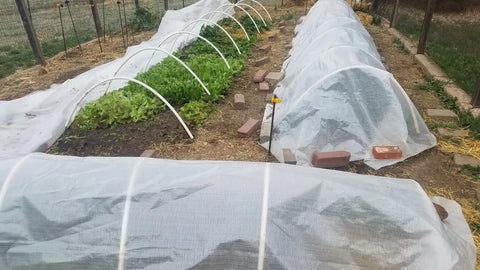
The profile states that the business made all of its products in small batches, describing this as a quality-control measure and noting that herbs were collected and prepared at what the business considered their optimal time. Small-batch production can offer certain practical advantages: shorter production runs may allow for closer attention to individual batches, fresher ingredient turnover, and easier traceability if a problem arises. However, small-batch production alone does not guarantee potency, purity, or safety. It does not substitute for third-party testing, standardized ingredient sourcing, or regulatory compliance. Buyers evaluating any herbal product — from this or any producer — should look for clear labeling that includes a full ingredient list, batch or lot information, harvest or production dates where relevant, storage instructions, and allergen disclosures.
Farm and Personal-Care Goods: Historical Offerings
The profile documents a range of goods that the business described offering at the time of the listing. These are recorded here as historical offerings only. Current availability, formulations, and pricing should be verified directly with the business.
Personal-Care Products
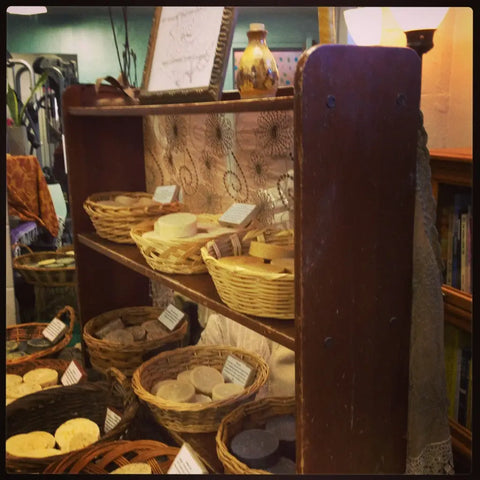
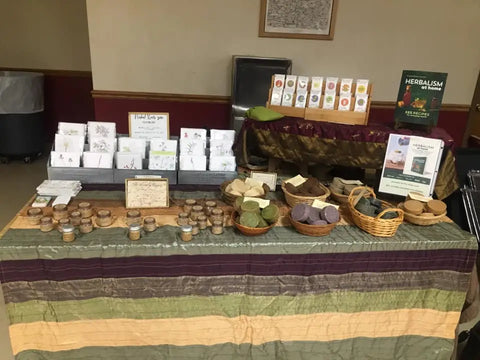
The Smelly Gypsy brand, as described in the profile, focused on handcrafted personal-care items. The profile states that goat-milk soaps were made with 100% natural ingredients, avoiding artificial scents and colors. Beard oils were described as organic in formulation. Lip balms were described as fragrance-free, and deodorants were described as aluminum-free. The profile does not specify which individual ingredients were certified organic, and the "organic" descriptor as used in the listing appears to refer to specific product formulations rather than to the farm as a whole.
Farm Produce and Livestock Products
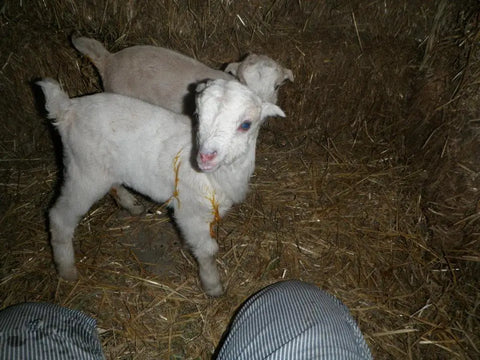
The profile describes a small farm operation that, at the time of listing, kept free-range hens and offered eggs. Seasonal livestock products — including turkey and lamb in the fall — were also described. The profile separately mentions goats and goat-milk soap, and lists angora rabbit wool as a seasonal fiber product. It does not document the exact source of every soap ingredient.
Herbs
Medicinal herbs were listed as available across multiple seasons — spring, summer, and fall — with fresh herbs noted for the warmer months. The profile does not enumerate specific herb varieties, quantities, or forms (dried, fresh, tinctured, etc.) available at any given time.
Education and Community Learning
One of the more distinctive aspects of the profile is its description of educational offerings. The business described offering herb classes open to anyone interested in learning about plants, as well as a weekly study group. Herbal consultations were also listed as available. The profile does not detail the content, format, duration, cost, or qualifications associated with these offerings.
Community-based herbal education of this kind — study groups, hands-on classes, and one-on-one consultations — reflects a broader tradition of knowledge-sharing around plant use that predates formal credentialing systems. Whether these programs were ongoing, seasonal, or have since concluded is not known from this record. Anyone interested in herbal education should seek out current information through the business's official channels or through accredited herbal education programs.
How to Evaluate Herbal Products Responsibly
Whether purchasing from a small farm operation, a large manufacturer, or anywhere in between, the same principles apply when evaluating herbal products:
- Clear labeling: Look for a complete ingredient list using recognized botanical names where applicable, not just common names.
- Batch and production information: Lot numbers, production dates, and best-by dates help with traceability and freshness assessment.
- Storage guidance: Herbs and herbal preparations can degrade with heat, light, or moisture. Proper storage instructions matter.
- Allergen disclosures: Many herbal products contain carrier oils, beeswax, nut-derived ingredients, or other potential allergens. Check labels carefully.
- Realistic claims: Be cautious of products that promise to cure, treat, or prevent specific diseases. Disease-treatment claims deserve particular scrutiny. Look for specific, supportable information rather than therapeutic guarantees or vague promises.
- Third-party testing: Where available, certificates of analysis from independent laboratories provide additional assurance about purity and potency.
Reported Practices vs. What to Verify Today
| Reported Practice (from the archival profile) | What a Reader Should Verify Today |
|---|---|
| Herbs grown, wildcrafted, or sourced from growers with similar practices | Current sourcing standards and supplier relationships |
| Not certified organic; described not applying chemicals to herbs | Current certification status, if any; current growing practices |
| Preference for locally adapted herb varieties | Which specific herbs are currently grown or stocked |
| Small-batch production described as a quality measure | Current batch sizes, testing practices, and quality documentation |
| Goat-milk soaps made with natural ingredients; no artificial scents or colors | Current formulations and full ingredient lists |
| Beard oils described as organic; lip balms fragrance-free; deodorants aluminum-free | Current product lines, formulations, and any certifications |
| Free-range eggs, seasonal turkey and lamb, angora rabbit wool | Current livestock operations and seasonal availability |
| Herb classes, weekly study group, herbal consultations offered | Whether programs are active, current schedule, cost, and format |
Medical Safety: An Important Note
Herbal products are not inherently safe simply because they are plant-derived or described as natural. Many plants contain biologically active compounds that can cause side effects, trigger allergic reactions, or interact with prescription and over-the-counter medications. Some herbs are contraindicated during pregnancy or breastfeeding, may be inappropriate for young children, or require dose adjustments for people with chronic conditions affecting the liver, kidneys, or cardiovascular system.
Nothing in this profile — and nothing described in the original farm listing — should be interpreted as medical advice or as a recommendation to use any herb or herbal product to address a health condition. If you are considering herbal products as part of your health routine, consult a qualified clinician or pharmacist, particularly if you are pregnant, breastfeeding, caring for a child, managing a chronic condition, or taking any medications. A pharmacist is often an accessible first point of contact for questions about potential herb-drug interactions.
Frequently Asked Questions
What is Luna Herb Co. and The Smelly Gypsy?
Based on an archival farm listing, Luna Herb Co. and The Smelly Gypsy were a small family-run farm and personal-care product business described as operating in Troy, Illinois. The farm grew, wildcrafted, and sourced herbs, and the associated brand produced handcrafted personal-care items including goat-milk soaps, lip balms, beard oils, and deodorants. This profile is a historical record; current operating status is not confirmed here.
Were Luna Herb Co. products certified organic?
The profile states explicitly that the business was not certified organic. The business described not applying chemicals to its herbs, and some product formulations were described using the term "organic" — but this referred to specific products rather than to a farm-wide certification. Readers should not assume any certification exists without verifying directly with the business.
What educational programs did the business offer?
The archival profile describes herb classes open to the public, a weekly study group, and herbal consultations. No details about content, cost, qualifications, or current availability are documented in this record. Anyone interested should seek current information through the business's official channels.
Are herbal products safe to use?
Herbal products can cause side effects, allergic reactions, and interactions with medications. They are not automatically safe because they are plant-based. Anyone considering herbal products — especially during pregnancy, breastfeeding, childhood, or while managing a health condition or taking medications — should consult a qualified clinician or pharmacist before use.
How can I find current information about Luna Herb Co.?
This profile is an archival record and does not reflect current offerings, pricing, contact details, or operating status. To find current information, search for Luna Herb Co. through official business directories, social media, or a direct web search. Do not rely on contact details or prices from older listings, including this one.
Related collection
Explore Herbs and Spices
See culinary herbs, spices, and botanical ingredients.
Browse Herbs and SpicesProducts and collections are presented for general ingredient, culinary, botanical, craft, or gardening use. Content on this site is educational only and is not medical advice.
Leave a comment