

Incense Cones vs Sticks: Which Is Better for Scent, Smoke, and Safety?
TL;DR: Cones give a short, intense burst of aroma with denser smoke and easy cleanup. Sticks spread fragrance more gently, often burn longer, and tend to smoke less. Pick by room size, ventilation, and sensitivity. Use good holders, ventilate, and avoid synthetic-heavy products if smoke or fragrance bothers you. See Safety and Sources.
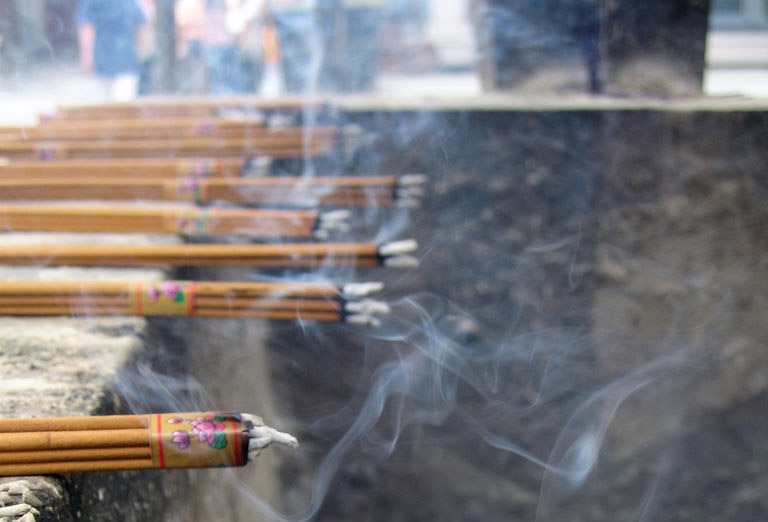
Context & common problems
- Too much smoke: cones can overwhelm small rooms; sticks can still be irritating in tight spaces with no airflow.
- Weak scent complaint: often caused by poor-quality blends or burning in a draft that thins the plume.
- Ash mess: some sticks shed ash mid-burn; cones keep ash contained but can scorch holders if the base lacks sand.
How-to framework: cones vs sticks
1) Scent throw & smoke
- Cones: compact fuel bed burns hotter and faster, producing a stronger initial plume and denser smoke.
- Sticks: slower, more linear release; often lighter smoke and gentler diffusion across a room.
- Tip: sensitive noses or small rooms usually do better with sticks or half-cones.
2) Burn time & control
- Cones: typically shorter sessions per piece; easy to snuff halfway to save for later.
- Sticks: often longer per stick; you can break a stick to customize session length.
- Airflow matters: more oxygen = faster burn; reduce drafts for steadier scent and less ash scatter.
3) Cleanup & holders
- Cones: ash stays in place. Use a heat-safe dish with a layer of sand or salt to prevent scorching.
- Sticks: need a holder or tray to catch ash; some bamboo cores drop ash along the stick’s length.
4) Ingredients & quality tell
- Natural bases: look for wood powders and plant binders (e.g., makko) with essential oils or resins.
- Charcoal or synthetic-heavy blends: may yield harsher smoke and lingering residue; sensitive users often prefer low-additive recipes.
- Label clarity: better makers list aroma sources and avoid vague “fragrance” catch-alls.
5) Cost & use cases
- Cones: great for quick mood-setting, short meditation, or outdoor use where wind dilutes scent.
- Sticks: budget-friendly per minute of burn; good for larger rooms and steady background scent.
Decision: quick chooser
- Small room, sensitive to smoke: Stick, shorter burns, windows cracked.
- Fast, bold aroma for a brief ritual: Cone in a heat-safe bowl with sand.
- Minimal cleanup: Cone or a stick over a wide tray; avoid drafts.
- Budget and long sessions: Stick or half-stick.
Tips & common pitfalls
- Tip: Pre-ventilate: open a window a crack before lighting; keep airflow gentle, not gusty.
- Tip: Trim session time. You rarely need a full cone or full stick to scent a room.
- Mistake: Burning near smoke detectors, curtains, or plants. Keep clear zones and never leave burning incense unattended.
- Mistake: Using metal-only holders for cones. Add sand or salt to diffuse heat.
FAQ
Which produces less smoke?
Many people find sticks produce less visible smoke per minute than cones, but quality, oils, and airflow can flip the experience. Test one piece in your own space.
Are backflow cones safe indoors?
They can be, with ventilation and a heat-safe holder. Backflow designs route smoke downward, which can concentrate aroma in small areas. Keep sessions short if you’re sensitive.
Why does my incense smell harsh?
Common culprits: low-quality fragrance oils, charcoal-heavy bases, or burning in a low-oxygen corner (partial combustion). Switch brands, improve airflow, or shorten sessions.
Safety
- Ventilation: Incense smoke contains fine particles; sensitive groups may experience irritation. Burn sparingly with airflow and avoid enclosed, unventilated spaces.
- Who should limit or avoid: those with asthma or chronic respiratory issues, infants, and pets in close quarters. Many households choose unscented alternatives around birds.
- Fire safety: place on nonflammable surfaces, add sand under cones, keep away from fabrics, and never leave burning incense unattended.
- Fragrance sensitivity: choose lighter sticks, resin-based options, or try non-burning aromatics (diffusers) if smoke bothers you.
Sources
- Candles, incense, and indoor air — U.S. EPA (epa.gov)
- Home fire safety basics — U.S. CPSC (cpsc.gov)
- Indoor air pollutants overview — American Lung Association (lung.org)
- Household air and health — WHO (who.int)
Conclusion
Cones shine for quick, bold scent with tidy cleanup; sticks excel at gentle, longer ambiance. Your best pick depends on your nose, room size, and ventilation. Use quality blends, burn less than you think you need, and keep safety simple: airflow, distance, and attention.
Related collection
Explore Related Collections
Browse culinary and botanical collections related to this topic.
Browse Ingredient CollectionsProducts and collections are presented for general ingredient, culinary, botanical, craft, or gardening use. Content on this site is educational only and is not medical advice.
Leave a comment