

The Nutritional Benefits of Matcha Chia Pudding
Direct answer: To make layered matcha chia pudding, blend half of the coconut milk, Greek yogurt, maple syrup, and raspberries, then stir in half of the chia seeds. In a second container, whisk the remaining coconut milk, yogurt, and maple syrup with sifted matcha, then stir in the remaining chia seeds. Cover both mixtures and refrigerate for at least four hours, or until thickened. Stir, layer the raspberry and matcha puddings in glasses, and top with fresh berries.
This version keeps the original six ingredients and its two-mixture concept while completing the missing set-and-assemble steps with established chia-pudding guidance. It removes the old list of disease, weight-loss, blood-sugar, cholesterol, and other medical claims. The result is a practical make-ahead dessert or breakfast with a creamy texture, earthy tea flavor, and tart berry layer, without medical promises.

What this pudding is like
Chia seeds absorb liquid and create a spoonable gel without cooking. Greek yogurt makes both layers creamier and tangier, coconut milk adds richness, and maple syrup softens the bitterness of matcha and the acidity of the fruit. The raspberry layer should taste bright and fruity; the matcha layer should be earthy and lightly sweet.
The final texture depends on how evenly the seeds are dispersed and how long the mixture rests. Immediately after mixing, it will look loose. During refrigeration the seeds swell and suspend in the liquid. A second stir after the first few minutes can prevent a dense seed layer from forming at the bottom.
Ingredients
- 1 cup coconut milk, divided
- 1 cup plain Greek yogurt, divided
- 2 tablespoons maple syrup, divided
- 1/2 cup raspberries, plus extra for topping
- 2 teaspoons matcha powder, sifted
- 1/4 cup chia seeds, divided
Use the same style of coconut milk throughout the batch. Canned coconut milk is richer and thicker than a refrigerated coconut beverage, so switching between them changes the texture. The source recipe does not specify which type was used. Choose one, note the result, and adjust only in a later batch if needed.
The recipe contains dairy because it uses Greek yogurt. Coconut is also present. Read every package when preparing food for someone with an allergy or dietary restriction. This source does not establish a verified dairy-free or coconut-free conversion.
Prepare the chia seeds and matcha
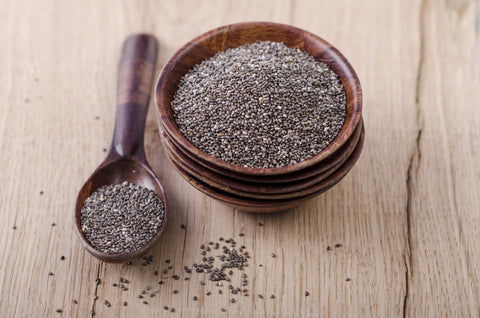
Whole chia seeds work directly in pudding and do not need to be ground. Measure the full 1/4 cup, then divide it as evenly as practical between the two layers. If one mixture receives much more seed than the other, it will set more firmly and the layers will feel noticeably different.
Sift the matcha before whisking it with the wet ingredients. Matcha clumps easily, and dry pockets can remain bitter in the finished pudding. A small fine-mesh sieve works well. Press visible lumps through the mesh, then whisk until the green layer looks even.
Labels such as “ceremonial” and “culinary” do not by themselves guarantee how a matcha will taste in this recipe. Choose powder with a fresh tea aroma and no stale or musty smell. Because yogurt, coconut, maple, and fruit all contribute flavor, the most delicate matcha qualities will be less noticeable than in plain whisked tea.
Equipment
- A small blender for the raspberry layer
- Two lidded containers or bowls that can be covered
- A whisk or fork
- A flexible spatula
- Measuring cups and spoons
- Two to four serving glasses or jars
Use containers with enough room to stir without splashing. Chia pudding thickens where it rests, so a broad container is easier to scrape and remix than a very narrow bottle. Clean, dry jars also make it easier to see whether the seeds are evenly distributed.
Step-by-step method
1. Make the raspberry base
Add 1/2 cup coconut milk, 1/2 cup Greek yogurt, 1 tablespoon maple syrup, and 1/2 cup raspberries to a small blender. Blend until smooth. Scrape down the sides if needed so no large yogurt pockets remain. Pour the mixture into the first container.
2. Add chia to the raspberry layer
Stir half of the chia seeds into the raspberry mixture. Work around the bottom and corners so the seeds do not collect in one place. Let it stand for about five minutes, then stir again to break up any early clumps.
3. Make the matcha base
In the second container, combine the remaining 1/2 cup coconut milk, 1/2 cup Greek yogurt, and 1 tablespoon maple syrup with the two teaspoons of sifted matcha. Whisk until the color is consistent and no obvious green powder pockets remain.
4. Add chia to the matcha layer
Stir the remaining chia seeds into the matcha mixture. Let it stand for about five minutes and stir a second time. This brief follow-up is useful because chia seeds can settle and stick together before the liquid begins to gel.
5. Cover and refrigerate
Cover both containers and refrigerate for at least four hours. Government and extension chia-pudding recipes commonly chill mixtures for several hours or overnight so the seeds can absorb liquid and develop a pudding-like consistency. Keeping the mixtures cold also protects the yogurt while the pudding sets.
6. Check the texture
After chilling, stir each mixture from the bottom. The pudding should hold on a spoon but remain easy to stir. If it is looser than you prefer, give it additional refrigerator time. If it is very firm, a small spoonful of the same coconut milk can loosen it, but add liquid gradually so the layers do not become runny.
7. Assemble the layers
Spoon the raspberry pudding into the serving glasses, followed by the matcha pudding. For cleaner lines, add the second layer gently against the side of the glass. For a marbled look, drag a spoon through the boundary once or twice. Top with extra raspberries just before serving.
How to keep the texture even
Stir twice before chilling
The first stir distributes the seeds; the second catches seeds that settled during the first few minutes. Scrape the bottom and sides each time. This is the simplest way to prevent a thick seed mass below a thin liquid layer.
Measure the divided ingredients
Do not divide by guesswork if you want matching layers. Measure 1/2 cup portions of coconut milk and yogurt, 1 tablespoon portions of maple syrup, and two reasonably equal portions of chia. Small differences are acceptable, but large ones can change setting time and sweetness.
Keep watery fruit out of the finished jars
Rinse berries as appropriate and dry them before blending or topping. Extra rinse water dilutes the fruit layer. If frozen raspberries are used, thawing liquid will also change the formula; the original recipe does not establish a frozen-fruit adjustment, so fresh raspberries are the clearest first-batch choice.
Troubleshooting
The pudding did not thicken
Confirm that the full 1/4 cup of chia was divided between the two mixtures and that the containers chilled for at least four hours. Stir from the bottom before judging. Coconut beverages and yogurts differ in thickness, so a thin base may need more time than a rich one.
The pudding is too thick
Stir in a small amount of the same coconut milk, one spoonful at a time. Wait until each addition is fully mixed before adding more. Loosening the layers separately helps preserve their distinct colors.
The matcha layer has bitter lumps
Sift the matcha and whisk it into the wet base before adding chia. Once the mixture gels, dry clumps are much harder to disperse. Do not add extra powder only for a darker green color.
The layers blend together
Both mixtures need to be chilled and thickened before assembly. A loose layer will sink into the other. Spoon slowly, use the side of the glass, and avoid piling a heavy topping onto an unset surface.
The chia collects at the bottom
Stir once immediately after adding the seeds and again after about five minutes. If the pudding has already chilled, scrape the bottom thoroughly and mix before serving. The appearance may be less layered, but the texture can still be even.
Serving and storage
Serve the pudding cold, with raspberries added at the last moment for the freshest texture. Small jars work well for individual portions. If preparing ahead, store the two layers separately and assemble them closer to serving, or layer them once both mixtures are fully set.
Keep the pudding covered in the refrigerator because it contains yogurt and coconut milk. Utah State University Extension’s chia-pudding guidance stores leftovers in an airtight container for three to five days. Use clean utensils and discard the pudding if it develops mold, an off odor, or another clear sign of spoilage.
Practical variations and limits
The photograph illustrates a strawberry-topped berry variation, while the source formula uses raspberries. You may use strawberries as a topping, but replacing the blended raspberries changes sweetness, acidity, color, and water content. Make the raspberry formula first if you want the closest baseline to the source.
You can choose a richer or lighter coconut milk, but that choice affects thickness. You can also reduce or increase maple syrup to taste after the pudding sets, yet the texture and flavor balance will shift. Avoid changing several ingredients at once, because you will not know which adjustment caused the result.
A dairy-free version would require replacing the Greek yogurt with a suitable alternative. That is a new formulation rather than a guaranteed one-for-one swap. Choose a recipe developed for the restriction if consistent texture or allergen control is important.
Frequently asked questions
Do chia seeds need to be ground?
No. Whole chia seeds absorb liquid and create the characteristic pudding texture. Grinding would make a different texture and is not part of this formula.
How long should the pudding chill?
Refrigerate it for at least four hours, or overnight. The exact time depends on the liquids and containers. Stir before serving and extend the chilling time if the mixture remains loose.
Can I assemble the layers before chilling?
It is possible, but the colors are more likely to merge while the mixtures are still liquid. Chilling them separately first gives you more control over the final layers.
Can I use strawberries instead of raspberries?
Strawberries work naturally as a topping and appear in the article imagery. Using them in the blended layer is a variation, not the exact source formula, so expect a different color, acidity, and water balance.
Why is my matcha layer pale?
Greek yogurt and coconut milk lighten matcha’s color. A pale green layer can still taste balanced. Use freshness, aroma, and flavor as guides rather than adding excess powder for appearance.
Is this recipe a substitute for medical or nutrition advice?
No. It is a food-preparation guide. The old article’s disease and weight claims have been removed because a pudding recipe should not make disease or medical promises.
A reliable first batch
For the clearest result, use the divided quantities exactly, sift the matcha, stir each chia mixture twice, refrigerate both for at least four hours, and assemble only after they thicken. That baseline makes future adjustments easier to evaluate and keeps the recipe centered on taste, texture, and safe preparation.
Related collection
Explore Related Collections
Browse culinary and botanical collections related to this topic.
Browse Ingredient CollectionsProducts and collections are presented for general ingredient, culinary, botanical, craft, or gardening use. Content on this site is educational only and is not medical advice.
Leave a comment