

Neem oil uses and safe DIY: garden spray, household care, and what to avoid
Intent: give you a practical, safety-first guide to using neem oil without wrecking your plants, skin, or pets. Benefit: clear use cases, exact dilutions, a reliable DIY garden spray, mistakes to avoid, and firm Safety + Sources.
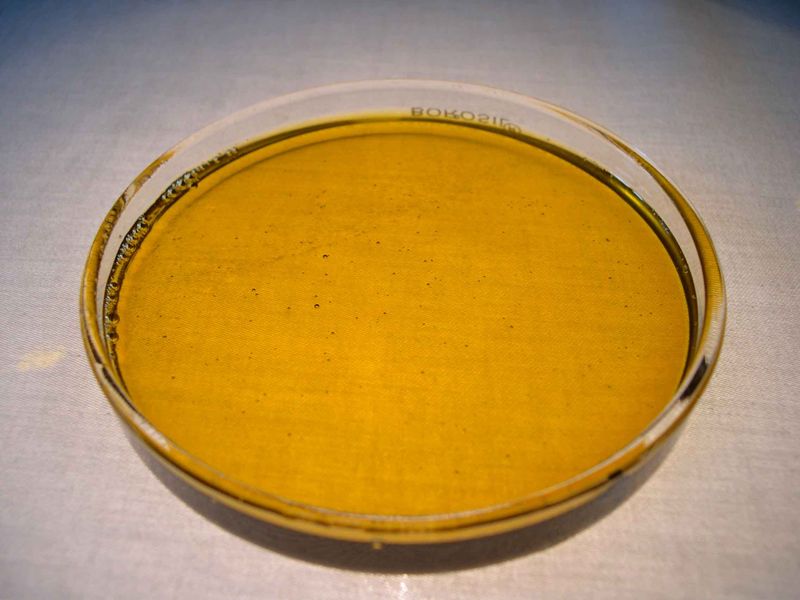
What neem oil is and how it works
Neem oil is pressed from the seeds of Azadirachta indica. The key compound, azadirachtin, interferes with insect feeding and development. Cold-pressed neem used as a horticultural oil can smother soft-bodied pests on contact and, when azadirachtin is present, may reduce future feeding. It’s not a knock-down poison; results depend on timing, coverage, and repeat applications.
Best uses (where neem makes sense)
- Garden pest management: soft-bodied insects like aphids, whiteflies, spider mites, mealybugs, scale crawlers; and on leaves with powdery mildew early in an outbreak.
- Leaf shine & dust control: a very diluted wipe can remove dust on tough, non-hairy houseplant leaves. Test first.
- Outdoor ornamentals and edibles: many labels allow use on fruits, herbs, and veggies. Respect preharvest intervals on your product.
Uses to avoid or treat with caution
- Pets: do not apply concentrated neem to cats or dogs; ingestion can be harmful. Keep sprays and treated plants away from animals until dry.
- Skin/hair DIYs: neem can irritate; strong concentrations smell sharp and may cause dermatitis. If you insist, keep topical mixes highly diluted and patch-test.
- Heat or drought stress: oils can burn leaves under intense sun or on thirsty plants. Time sprays for mild temperatures and hydrated plants.
DIY garden spray (with store-bought cold-pressed neem)
Goal: a stable emulsion that coats pests without burning leaves.
- Choose oil: cold-pressed neem labeled for gardening, showing azadirachtin content if possible.
-
Make a small batch: in a clean sprayer, combine:
- 1 liter lukewarm water
- 1–2 ml mild liquid soap (emulsifier)
- 5 ml neem oil (about 1 teaspoon)
- Spray smart: target undersides and tops of leaves until just glistening, not dripping. Spot-test one plant section and wait a day.
- Timing: evening or early morning, never in hot direct sun. Repeat every 7–10 days for active infestations, less often for maintenance.
- Storage: mix fresh for each use; discard leftovers in household trash per local guidance. Do not pour into drains.
Houseplant wipe (leaf cleaning on sturdy foliage)
- Mix 1 liter water + 1 ml mild soap + 2–3 ml neem oil.
- Dampen a cloth, wipe a few leaves, and wait 24 hours to check for leaf burn. Avoid fuzzy or delicate leaves.
Tips & common mistakes
- Know your target: neem works best on young, soft pests. For armored scale adults, prune or use targeted methods per label.
- Coverage over concentration: a light, even film with repeat treatments beats strong mixes that scorch leaves.
- Do not mix with sulfur or within days of a sulfur spray: combined residues may burn foliage.
- Protect pollinators: spray when bees aren’t active and never on open blooms.
FAQ
Can I use neem on edibles?
Many garden formulations allow it. Rinse produce under running water and respect your label’s preharvest wait time.
Will it cure powdery mildew?
It may suppress early, light infections. For heavy cases, remove worst leaves, improve airflow, and use a labeled fungicidal approach.
Can I press my own neem oil at home?
Grinding and solvent extraction at home is not recommended due to safety and purity issues. Buying cold-pressed, garden-labeled oil is safer and more consistent.
Safety
- People: wear gloves and eye protection; avoid breathing mists; wash skin if contacted. Stop use if you develop rash or breathing irritation.
- Pets & wildlife: keep animals away until plants are dry. Do not apply to pet fur or skin. Fish and aquatic life are sensitive; avoid runoff into ponds or aquariums.
- Children: store oils and sprays locked and labeled. Never use as a lice or skin remedy on kids.
- Home & garden: avoid spraying on heat-stressed or newly transplanted plants; test first; never exceed label directions.
Consider
- Neem is one tool in integrated pest management. Combine with hand-picking, pruning, sticky traps for whiteflies, and strong hose rinses for aphids before reaching for sprays.
- Some houseplants with very thin or hairy leaves dislike oils. When in doubt, use a plain water wipe or insecticidal soap per label instead.
Sources
- National Pesticide Information Center — Neem oil overview (npic.orst.edu)
- U.S. EPA — Azadirachtin ingredient summary (epa.gov)
- UC IPM — Horticultural oils in the garden (ipm.ucanr.edu)
- Extension-style guidance on whiteflies and soft pests (orkin.com)
- Pet Poison Helpline — Essential oils and pets (petpoisonhelpline.com)
Further reading: The Rike: what are the uses for neem oil? best guide & making it at home
Related collection
Explore Related Collections
Browse culinary and botanical collections related to this topic.
Browse Ingredient CollectionsProducts and collections are presented for general ingredient, culinary, botanical, craft, or gardening use. Content on this site is educational only and is not medical advice.
Leave a comment