

Bergamot essential oil for dogs: careful benefits, clear risks, and safer options
Intent: give a careful, evidence-aware view of bergamot essential oil for dogs. Benefit: quick context on why people use it, the real risks, safer alternatives, and clear safety rules if you still choose to try it.
What it is and why people try it
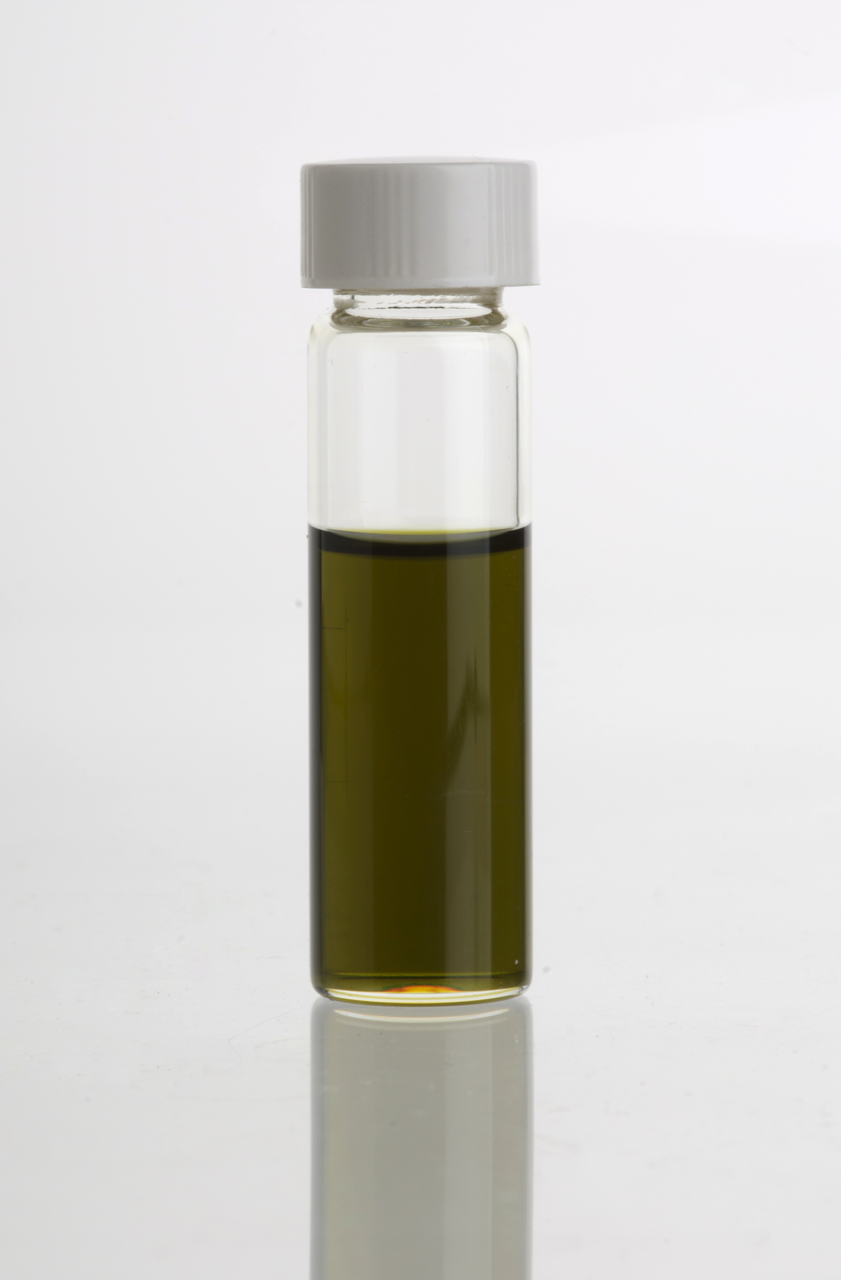
Bergamot essential oil comes from the rind of the bergamot citrus. People reach for it because the scent feels bright and calming in human aromatherapy. For dogs, evidence is limited. Any potential soothing effect must be weighed against real risks from essential oils in pets.
Potential upsides (with big caveats)
- Ambient scent only: a very mild, indirect aroma in a well-ventilated room may feel calming to some dogs. This is anecdotal and not a treatment.
- Odor masking: pleasant to humans, but scent-covering does not fix the reason a dog is anxious or itchy. Address behavior, environment, and skin care first.
Consider: If a dog is stressed or itchy, behavior plans, enrichment, and veterinary skincare usually do more than fragrance.
Real risks you should know
- Phototoxicity: many bergamot oils contain furanocoumarins (for example, bergapten) that can make skin more sensitive to sunlight after topical use. That can mean redness, burns, or pigment changes.
- Skin and eye irritation: essential oils are concentrated. Even diluted, some dogs develop redness, itching, or discomfort.
- Ingestion hazards: licking treated fur or accidental dosing can lead to drooling, vomiting, lethargy, ataxia, or worse.
- Diffuser issues: mists and strong odors may irritate airways or trigger nausea. Pets cannot escape closed rooms easily.
- Quality unknowns: adulteration, mislabeled chemotypes, and variable strength make “drops” unpredictable.
If you still plan to use it (harm-reduction only)
1) Choose a safer format
- Prefer FCF bergamot (bergapten-free) for any topical experiments. It reduces, but does not remove, risk.
- No direct oral use: do not feed essential oils or put them on paws or areas a dog can lick.
2) Dilution and placement
- Ultra-low topical only, if at all: many pet-care practitioners limit leave-on dilutions to around 0.25%–0.5% in a bland carrier oil for large, healthy adult dogs. Spot-test a tiny area first and avoid sun exposure entirely for at least a day.
- Avoid face, ears, groin, broken skin, and paws.
- For room scent: skip active diffusers near the dog. If you insist, use a passive method (closed reed or a cotton pad placed out of reach) in a large, ventilated space with an easy exit.
3) Watch the dog, not the idea
- End the trial at the first sign of drooling, squinting, rubbing, red skin, coughing, hiding, tremors, or unusual fatigue.
- Wash off topicals with mild dog shampoo; ventilate the room for airborne scent.
Who should avoid completely
- Puppies; pregnant or nursing dogs.
- Dogs with skin disease, allergies, or a history of reactions to fragrances.
- Dogs with asthma-like airway issues, seizure disorders, liver disease, or those on multiple medications.
- Brachycephalic breeds or any dog living mostly outdoors in bright sun.
Smarter alternatives that help more
- For stress: behavior plans, enrichment, predictable routines, pheromone products designed for dogs, and vet-guided options.
- For odor/itch: identify the cause. Use gentle, fragrance-free dog shampoos, regular grooming, and allergy or skin plans from your vet.
FAQ
Is bergamot essential oil ever “safe” for dogs?
“Safe” depends on the individual dog and how the product is used. The lowest-risk path is avoiding topical and oral use and avoiding forced scent exposure. If you proceed, keep exposure minimal, choose FCF bergamot, and monitor closely.
Can I run a diffuser if my dog is in the room?
Not recommended. If you insist, use passive scent in a large, airy room with the door open so your dog can leave. Stop if your dog avoids the area or shows any irritation.
Why is sunlight a problem with bergamot?
Standard bergamot oil can contain bergapten and related compounds. On skin, these can increase sensitivity to UV light, leading to phototoxic reactions. Even with FCF, avoid sun on any treated area.
Safety
- Never give essential oils by mouth to dogs without explicit veterinary guidance.
- Keep oils and diffusers out of reach. Clean spills fast; oils can penetrate skin and be licked from fur.
- Patch test: for any topical experiment, use a tiny, highly diluted amount once, then wait a day. Stop if any change appears.
- Sun avoidance: do not apply bergamot oils before outdoor exposure. Even diluted, sunlight can raise risk.
- Emergency signs: vomiting, wobbliness, shaking, drooling, eye irritation, trouble breathing, or collapse need veterinary care immediately. Bring the product label.
Sources
- ASPCA — Animal Poison Control Center (aspca.org)
- Pet Poison Helpline — Essential oils and pets (petpoisonhelpline.com)
- VCA Animal Hospitals — Essential oils and pet toxicity (vcahospitals.com)
- DermNet — Bergamot oil and phototoxicity (dermnetnz.org)
- IFRA — Fragrance Standards, bergamot FCF guidance (ifrafragrance.org)
Further reading: The Rike: benefits and safety of bergamot essential oil for dogs
Related collection
Explore Related Collections
Browse culinary and botanical collections related to this topic.
Browse Ingredient CollectionsProducts and collections are presented for general ingredient, culinary, botanical, craft, or gardening use. Content on this site is educational only and is not medical advice.
Leave a comment