

Mullein and Lung Health: Traditional Uses, Evidence, and Safety
Mullein and Lung Health: What Does the Evidence Actually Say?
Quick answer: Common mullein (Verbascum thapsus) has a long history of traditional use for throat and cough complaints. That history does not prove that mullein leaf tea clears the lungs, treats asthma or COPD, cures bronchitis, prevents influenza, or replaces prescribed treatment. Research on extracts and plant compounds cannot be assumed to demonstrate the benefits of a cup of tea.
An important distinction is often missed: the European Medicines Agency (EMA) assessed mullein flower medicines for traditional relief of sore throat associated with dry cough and colds. Its conclusion was based on traditional use, and it noted a lack of clinical studies. That assessment should not be presented as clinical proof for dried leaf tea, home tinctures, or an ear-oil preparation.
If you have difficulty breathing, chest pain, persistent fever, coughing blood, or worsening respiratory symptoms, seek medical care rather than trying to manage the condition with an herb.
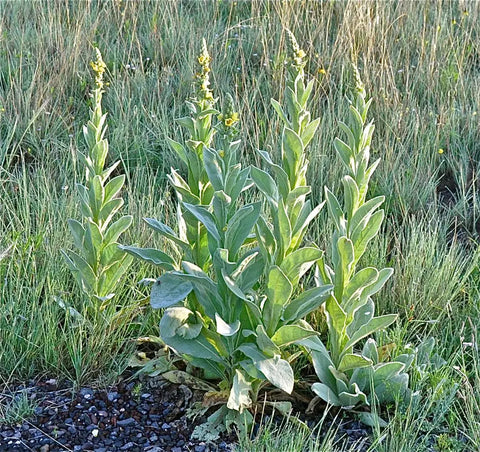
Identify the Plant Before Interpreting Any Claims
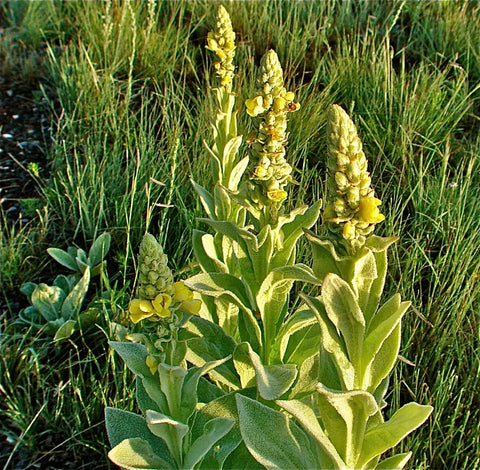
Common mullein is a biennial in the figwort family (Scrophulariaceae). During its first growing season, it develops a low rosette of thick, woolly leaves. A tall stalk with yellow flowers usually appears in its second season. University Extension identification resources describe these features, but a photograph of a living plant is not evidence that a particular retail bag contains correctly identified, tested or food-grade dried leaves.
Several kinds of mullein and different plant parts appear in herbal discussions. Verbascum thapsus is the common mullein species discussed here; the leaf, flower, seed and concentrated extract are not interchangeable ingredients for assessing preparation, safety or research results.
What We Know About Respiratory Claims
- Traditional use: Flowers of certain Verbascum species appear in European traditional herbal medicine for sore throat associated with a dry cough. The EMA specifically explains that this is a traditional-use conclusion, not a result established by adequate clinical trials.
- Laboratory research: Studies of isolated compounds or plant extracts may examine antimicrobial or anti-inflammatory activity. Such studies do not establish that drinking leaf tea treats infections, asthma, COPD or pneumonia in people.
- Individual experiences: People report different experiences with mullein tea and supplements. A personal account can show what someone tried, not whether the herb caused a benefit or is safe for everyone.
- Medical care: Proven therapies for respiratory illness should not be stopped or delayed because an online article describes a traditional plant remedy.
Leaf Tea, Flower Preparations, Seeds and Ear Oils Are Different Products
Dried leaf tea: Prepared from leaves sold for infusion, where labeling, processing and the physical product matter. A leaf-tea listing is not automatically covered by an EMA assessment of mullein flowers.
Flower preparations: May be made and regulated differently depending on country and formulation. The EMA's flower-monograph statements cannot establish the safety or benefits of every homemade preparation.
Seeds for planting: Intended to grow a plant, not to make tea or a medicinal dose. Buying seeds and buying a bag of dried leaves are entirely different transactions.
Concentrated extracts and oils: Preparation and exposure differ from an ordinary infusion. Do not borrow dose instructions from one form and apply them to another.
For buyers comparing the catalog, The Rike currently lists common mullein dried-leaf tea and a separate great mullein planting-seed listing. Check the current product page and actual physical package for identity, form, quantity and preparation information. Neither listing should be mistaken for proof of a medical outcome.
What About Mullein Tea Preparation?
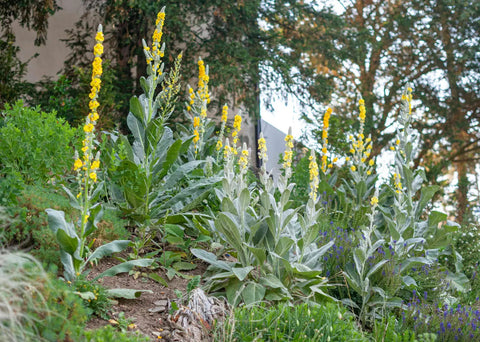
The leaves of common mullein are densely hairy, an important identification feature. When preparing a product labeled for infusion, avoid leaving plant particles in the finished cup: use a suitable fine filter and follow the actual package's preparation directions. This article does not set a clinical dose, prescribed daily frequency or treatment schedule. Ask a pharmacist or qualified healthcare professional about your circumstances, especially if you take medication or manage a chronic illness.
Do not harvest unknown roadside plants for consumption. Botanical identification, environmental contaminants, processing and the suitability of a specific lot for food use cannot be established from a generic gardening photograph.
Is Homemade Mullein Ear Oil Appropriate for an Ear Infection?
No self-treatment instructions are recommended here. Ear pain can have several causes, and oils or homemade drops are not a proven replacement for assessment and treatment of an infection. The UK's NHS warns against putting eardrops or other objects into the ear when the eardrum is perforated unless a doctor recommends them. A person may not know whether the eardrum is damaged without examination.
If you have ear pain with fever, fluid or blood draining from the ear, sudden hearing changes or severe symptoms, get clinical advice. Do not insert homemade mullein oil into the ear canal, and do not treat hearing problems with a recipe found in a blog.
Safety: What Has Not Been Established?
Evidence is too limited to confidently generalize the safety of daily long-term mullein use across different ages, preparations, medical conditions and pregnancy. Herbal products may differ in their constituents, identity, contamination risk and interactions with medicines. People who are pregnant or breastfeeding, caregivers considering products for children, and those with significant respiratory or other chronic illness should seek professional advice before using herbal supplements.
Do not smoke mullein or inhale hot herbal steam as a proposed lung-cleansing treatment. Smoke irritates the respiratory tract, and bowls of hot water can cause burns. No good clinical evidence establishes those practices as a substitute for medical care.
Questions Buyers and Readers Ask
Can mullein tea clear mucus from the lungs or treat COPD?
There is no adequate clinical evidence establishing mullein leaf tea as a COPD treatment or reliable lung-cleansing therapy. Talk with your clinician about symptoms and established care.
Does the European herbal assessment prove mullein leaf tea works?
No. The EMA specifically discusses traditionally used mullein flower preparations for sore throat with dry cough, with limited clinical evidence. It does not validate every dried-leaf product.
Can mullein oil cure an ear infection?
Do not rely on homemade ear oils as treatment. Ear symptoms need appropriate evaluation, and drops can be unsafe when an eardrum is damaged.
Are the fluffy leaves and the yellow flowers the same ingredient?
No. They are distinct parts of the plant and may be processed into different products. Check the product description and physical package rather than assuming they are interchangeable.
What can a product photograph prove?
An image may help identify plant appearance or product form. It cannot establish germination, purity, safety, clinical benefit or the exact composition of an unverified retail lot.
References and Evidence Limits
- European Medicines Agency: Verbasci flos, traditional flower preparations and limitations of clinical evidence.
- University of Wisconsin Extension: Common mullein, botanical identity and plant morphology.
- NHS: Perforated eardrum and when ear drops should not be used.
- NHS: Ear infections, warning signs and treatment context.
Evidence note: Botanical descriptions and traditional-use assessments are different from clinical proof of treatment or verification of a particular retail product. This article provides plant and evidence literacy, not a diagnosis, medical prescription or report of tested results from The Rike products.
Related collection
Explore Related Collections
Browse culinary and botanical collections related to this topic.
Browse Ingredient CollectionsProducts and collections are presented for general ingredient, culinary, botanical, craft, or gardening use. Content on this site is educational only and is not medical advice.
Leave a comment