

Medicinal Herbs: Benefits and Uses
Answer: Medicinal herbs have been used for ages to promote health and well-being. They contain natural compounds that may offer therapeutic benefits, but it's crucial to use them safely and responsibly. Always consult with a healthcare professional before incorporating new herbs into your routine, especially if you have existing health conditions or are taking medications.
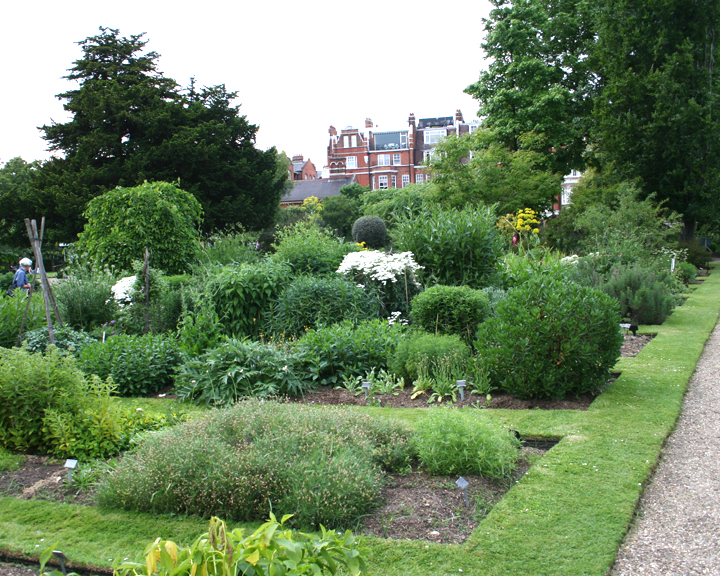
Understanding Medicinal Herbs
Medicinal herbs are plants containing compounds that may be used to treat or prevent disease, or to promote overall health. People across many cultures have used these herbs for ages, and modern science is increasingly recognizing their potential benefits. However, it's important to approach herbal remedies with knowledge and caution.
Many people use herbal remedies to:
- Support the immune system
- Reduce stress and anxiety
- Improve sleep quality
- Aid digestion
- Manage pain and inflammation
Key Terms
- Active Constituents:
- The specific compounds within a herb that are believed to be responsible for its medicinal effects.
- Adaptogens:
- Herbs that may help the body adapt to stress and restore balance.
- Infusion:
- A method of extracting herbs by steeping them in hot water (like tea).
Using Medicinal Herbs Safely
While medicinal herbs can offer potential health benefits, it's essential to use them responsibly. Here's a guide to help you navigate the world of herbal remedies safely:
Research and Identification
- Know your herbs: Before using any herb, research its properties, potential benefits, and possible side effects.
- Proper identification: Ensure you have correctly identified the herb. If foraging, use reliable field guides and, if possible, consult with an experienced forager.
Dosage and Preparation
- Start with small doses: Begin with a low dose to see how your body reacts.
- Follow instructions: Adhere to recommended dosages and preparation methods (e.g., infusions, decoctions, tinctures).
- Quality matters: Purchase herbs from reputable sources to ensure quality and purity.
Potential Interactions and Contraindications
- Medication interactions: Be aware that herbs can interact with medications. Consult your doctor or pharmacist before combining herbs with prescription or over-the-counter drugs.
- Existing conditions: Certain herbs may be contraindicated for specific health conditions. If you have any underlying health issues, seek professional medical advice before using herbal remedies.
- Pregnancy and breastfeeding: Some herbs are not safe for pregnant or breastfeeding women. Always consult a healthcare provider before using any herbal product during these times.
Tips and Common Mistakes
- Be patient: Herbal remedies may take time to produce noticeable effects.
- Listen to your body: Pay attention to how your body responds to the herb and adjust the dosage or discontinue use if necessary.
- Avoid self-treating serious conditions: Herbal remedies should not replace conventional medical treatment for serious health issues.
- Don't exceed recommended doses: More is not always better. Exceeding the recommended dosage can increase the risk of side effects.
- Involve a professional: A qualified herbalist or healthcare provider can offer personalized guidance and help you choose the right herbs for your needs.
Conclusion
Medicinal herbs can be a valuable addition to a holistic approach to health and wellness. By understanding their properties, using them safely, and seeking professional guidance when needed, you can harness the potential benefits of these natural remedies.
FAQ
-
Are medicinal herbs safe for everyone?
Medicinal herbs are not safe for everyone. Certain herbs may interact with medications or be contraindicated for specific health conditions. Pregnant and breastfeeding women should exercise extra caution. Always consult with a healthcare professional before using herbal remedies.
-
How do I know what dosage of an herb to take?
Start with the lowest recommended dose and carefully monitor how your body responds. Dosage recommendations can vary depending on the herb, the form (e.g., tea, tincture, capsule), and individual factors. Consulting with a qualified herbalist or healthcare provider can help you determine the appropriate dosage.
-
Can I use medicinal herbs alongside my prescription medications?
It is crucial to consult with your doctor or pharmacist before combining medicinal herbs with prescription medications. Herbs can interact with medications, potentially altering their effectiveness or increasing the risk of side effects.
-
Where can I find reliable information about medicinal herbs?
Look for information from reputable sources, such as academic institutions, government agencies, and qualified herbalists. Be wary of information that is not evidence-based or that makes exaggerated claims.
Safety and Sources
The information provided in this article is for general knowledge and informational purposes only, and does not constitute medical advice. It is essential to consult with a qualified healthcare professional for any health concerns or before making any decisions related to your health or treatment. Self-treating can be dangerous, and it's crucial to have the guidance of someone who can assess your individual needs and medical history.
Potential Risks: Using medicinal herbs can pose risks, including allergic reactions, interactions with medications, and adverse effects if used improperly. Some herbs may not be safe for pregnant or breastfeeding women, children, or individuals with certain health conditions.
Always consult with a healthcare professional before using medicinal herbs, especially if you:
- Are taking prescription medications
- Have underlying health conditions
- Are pregnant or breastfeeding
- Are planning to give herbs to a child
Credible Sources:
- National Center for Complementary and Integrative Health (NCCIH) – National Institutes of Health
- Dietary Supplements – U.S. Food and Drug Administration (FDA)
- Memorial Sloan Kettering Cancer Center - Integrative Medicine
- Johns Hopkins Medicine
"Many herbs have anti-inflammatory properties that can help manage pain and swelling. However, it's important to use them under the guidance of a healthcare professional, especially if you have underlying health conditions or are taking medications."
– Irina Todorov, MD – Integrative Medicine Physician – Johns Hopkins Medicine
According to the National Institutes of Health, about 40% of adults in the United States use complementary and integrative health approaches, including herbal remedies. National Institutes of Health
Related collection
Explore Related Collections
Browse culinary and botanical collections related to this topic.
Browse Ingredient CollectionsProducts and collections are presented for general ingredient, culinary, botanical, craft, or gardening use. Content on this site is educational only and is not medical advice.
Leave a comment