

Mugwort dried leaf tea preparation safety guide for pregnant women and beginners to follow
Mugwort dried leaf tea preparation safety guide for pregnant women and beginners to follow
As a general precaution, pregnant women should avoid consuming mugwort tea. The scientific evidence regarding its safety during pregnancy is limited, and some sources suggest it may stimulate uterine contractions, potentially leading to complications. It is always best to consult with a healthcare provider before consuming any herbal remedies during pregnancy. For beginners preparing mugwort tea, safety primarily revolves around proper identification, sourcing, and preparation to avoid adverse effects.
Sourcing Your Mugwort:
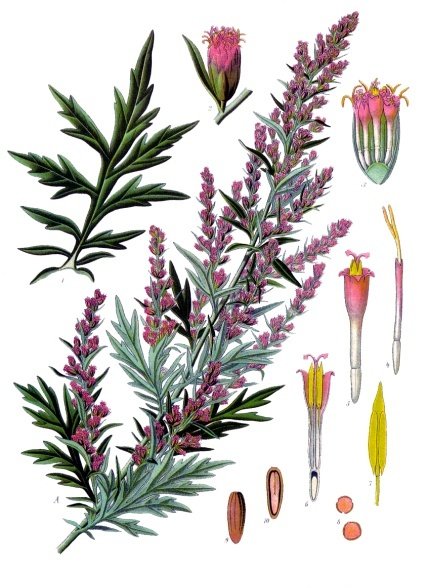
Beginners should prioritize obtaining mugwort from reputable sources. This could be a trusted herbalist, a well-established online retailer specializing in herbs, or if you are foraging, absolute certainty in identification is paramount. Misidentification can lead to consuming toxic look-alike plants. If foraging, be aware of potential contamination from pesticides, herbicides, or pollutants in the soil, especially if gathering from roadsides or areas with industrial activity.
Preparation Steps for Beginners:
1. Measure Accurately: For a standard cup of tea, use approximately 1 teaspoon (about 1-2 grams) of dried mugwort leaves. Using too much can result in a very strong, potentially bitter, and unpleasant taste, and may increase the risk of mild side effects.
2. Boil Water: Heat fresh, cold water to a rolling boil. The ideal temperature for steeping most dried herbs is just off the boil, around 200-212°F (93-100°C).
3. Steep Appropriately: Place the measured dried mugwort leaves into a tea infuser, tea bag, or directly into your teapot or mug. Pour the hot water over the leaves. Cover the mug or teapot to keep the volatile oils from escaping. Steep for 5 to 10 minutes. Over-steeping can make the tea bitter.
4. Strain Thoroughly: After steeping, carefully strain the tea to remove all leaf particles. This is important for both taste and to prevent accidental ingestion of larger plant matter.
5. Cool and Consume: Allow the tea to cool to a comfortable drinking temperature. It can be consumed hot or cold.
Beginner Safety Tips:
- Start Small: When trying mugwort tea for the first time, consume only a small amount, perhaps half a cup, to see how your body reacts.
- Listen to Your Body: Pay attention to any unusual sensations, discomfort, or allergic reactions. If you experience any adverse effects, discontinue use immediately. Common mild side effects can include digestive upset or a feeling of being "wired."
- Avoid if Allergic: If you have known allergies to plants in the Asteraceae family (which includes ragweed, daisies, and marigolds), you may also be allergic to mugwort.
- Dosage: Stick to the recommended dosage. Increasing the amount does not necessarily increase the benefits and can increase the risk of side effects.
- Duration of Use: It's generally advised not to consume mugwort tea continuously for extended periods. Short-term use, for specific purposes, is usually recommended. If you plan to use it regularly, discuss this with a qualified herbalist or healthcare professional.
Related collection
Explore Tea Collections
See tea selections and related pantry ingredients.
Browse Tea CollectionsProducts and collections are presented for general ingredient, culinary, botanical, craft, or gardening use. Content on this site is educational only and is not medical advice.


Leave a comment