

Passion fruit seeds: crunchy, aromatic, and surprisingly versatile
Answer: Passion fruit seeds add crunch, aroma, and subtle nutty notes to desserts, sauces, and drinks. Toast lightly, infuse in warm syrup, or blitz briefly for pulpy texture; keep portions modest and strain for smooth sauces. For nutrition and safety, rely on primary sources and use clean, ripe fruit UF/IFAS Extension – edis.ifas.ufl.edu, USDA ARS Flavonoid Database – ars.usda.gov, Stilbenes in passion fruit seeds – NLM/PMC.
Those crackly black seeds inside tart-sweet pulp aren’t just decoration. With a few technique tweaks, they become a signature texture and a quiet source of interesting plant compounds.
Context & common questions
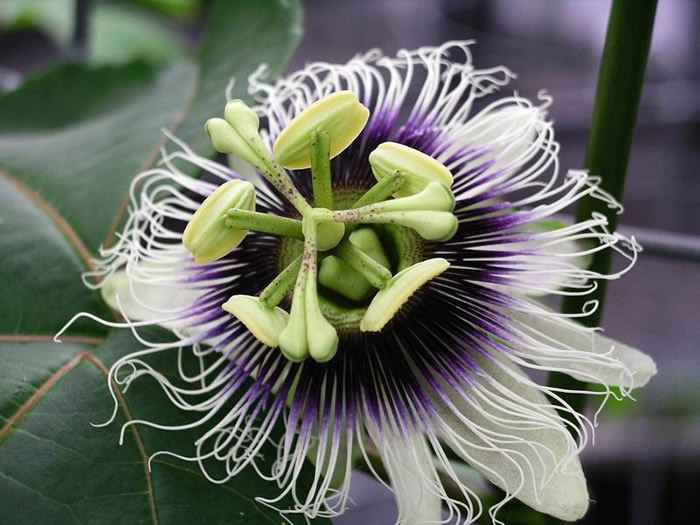
What are they? The edible seeds of Passiflora edulis are suspended in fragrant pulp. Extension guides describe passion fruit as a perennial vine with aromatic fruit and show how to select and handle it safely UF/IFAS Extension – edis.ifas.ufl.edu, Emerging passion fruit industry – edis.ifas.ufl.edu.
What’s inside? Seed coats deliver crunch; the kernel carries lipids and notable polyphenols. Laboratory work repeatedly detects piceatannol and its dimer scirpusin B in seed extracts NLM/PMC, Europe PMC, Europe PMC.
“Passion fruit seeds are rich in stilbenes such as piceatannol and scirpusin B.” — T. Yamamoto, corresponding author of a peer-reviewed study on passion fruit seed extract NLM/PMC.
Useful statistic: A cup of passion fruit arils with seeds provides roughly about 24 g dietary fiber, illustrating why even small spoonfuls feel satisfyingly substantial University Hospitals nutrition facts – uhhospitals.org.
Framework & how to use passion fruit seeds
Key terms
- Arils: the juicy sacs surrounding each seed; what you scoop from the fruit.
- Piceatannol: a stilbene reported in passion fruit seeds; studied for bioactivity in extracts, not a justification for high doses of seeds NLM/PMC.
- Cold-strain: pressing pulp through a fine sieve without heat for a glossy, seedless purée.
- Infused syrup: warm simple syrup steeped briefly with seeds to capture aroma, then strained.
Quick methods (step-by-step)
- Toast for crunch: spread rinsed, dried seeds on a parchment-lined pan. Warm briefly in a low oven until just fragrant. Cool, then sprinkle over yogurt or ice cream.
- Infuse a syrup: combine equal parts sugar and water. Warm gently, stir in a spoonful of seeds with a little pulp, steep a few minutes off heat, then strain. Use in mocktails or to glaze fruit.
- Pulse for pulpy sauces: blitz arils with seeds for one or two short pulses. The aim is uneven texture: some intact seeds, some crushed for aroma. Fold into cheesecake batter or panna cotta at the end.
- Seed-forward vinaigrette: whisk strained juice with a few whole seeds, citrus, and neutral oil for a speckled dressing.
Applications and pairings
- High-contrast desserts: the crunchy seeds pop against smooth custards.
- Bright sauces: a few seeds hold up in warm, not boiling, sauces for grilled seafood or tofu.
- Breakfast crunch: toasted seeds plus oats and coconut for a tropical granola vibe.
What the science says
- Polyphenols present: analyses consistently identify piceatannol and scirpusin B in seed fractions; these findings come from extracts and do not imply the same effects from culinary amounts NLM/PMC, Europe PMC.
- Aroma and oil: research catalogs diverse volatiles in passion fruit seed oils, explaining the nutty-tropical aroma when lightly heated NLM/PMC.
- Nutrient context: national databases record passion fruit as fiber-dense with useful potassium and small amounts of vitamins; values vary by cultivar and serving form USDA ARS – ars.usda.gov, Australian Food Composition – foodstandards.gov.au.
Tips & common mistakes
- Don’t boil seeds hard. High heat can push bitterness. Use gentle warmth for syrups or add at the end.
- Strain for silky textures. For curds and custards, sieve the pulp; reserve a few seeds for garnish if you want the speckled look.
- Mind your teeth. Whole seeds are crunchy; avoid aggressive grinding if dental work is a concern.
- Use ripe fruit. Slightly wrinkled skins signal ripeness; scoop, taste, and discard any off-smelling pulp UF/IFAS Extension – edis.ifas.ufl.edu.
FAQ
Are the seeds safe to eat?
Yes for typical culinary amounts. If you prefer a smooth texture, strain them out. People with seed sensitivities should avoid large amounts and choose seedless purées UF/IFAS Extension.
Do the seeds add nutrition?
They contribute fiber and plant compounds. Databases list passion fruit as fiber-dense; lab studies identify stilbenes in seed fractions. Treat these as culinary bonuses, not medical claims USDA ARS, NLM/PMC.
Can I use the seeds in baking?
Yes. Fold whole or lightly crushed seeds into muffin or quick-bread batters for speckles and crunch, or infuse a syrup for glazing fruit tarts.
Safety
- Allergy & sensitivities. Individuals with seed or latex-related fruit sensitivities should use small amounts or strain completely. Stop if you notice itching, swelling, or stomach upset.
- Kids & texture. Whole seeds can be a choking risk for toddlers. Offer smooth purée instead.
- Clean handling. Wash fruit, use clean knives and sieves, and refrigerate pulp promptly to maintain quality USDA FSIS – usda.gov.
Sources
- The Passion Fruit in Florida – UF/IFAS Extension (edis.ifas.ufl.edu)
- Emerging Passion Fruit Industry – UF/IFAS Extension (edis.ifas.ufl.edu)
- USDA ARS Expanded Flavonoid Database – ars.usda.gov
- Identification of stilbenes in passion fruit seeds – NLM/PMC
- Volatile aroma compounds of passion fruit seed oils – NLM/PMC
- Passion fruit nutrition facts (with seeds) – University Hospitals
- Home food safety basics – USDA FSIS
Related collection
Explore Related Collections
Browse culinary and botanical collections related to this topic.
Browse Ingredient CollectionsProducts and collections are presented for general ingredient, culinary, botanical, craft, or gardening use. Content on this site is educational only and is not medical advice.
Leave a comment