

Eastern White Pine: Planting, Care, and Smart Landscape Uses
Answer: Plant Eastern white pine (Pinus strobus) in full sun with well-drained, acidic soil and plenty of room. Water deeply during establishment, avoid heavy pruning, and site trees where salt spray, compacted soil, and chronic wind won’t stress the canopy.
Eastern white pine is elegant, fast to establish, and surprisingly low-maintenance when you match it with the right site. This guide distills extension and forestry sources into clear steps for healthy growth in home landscapes.
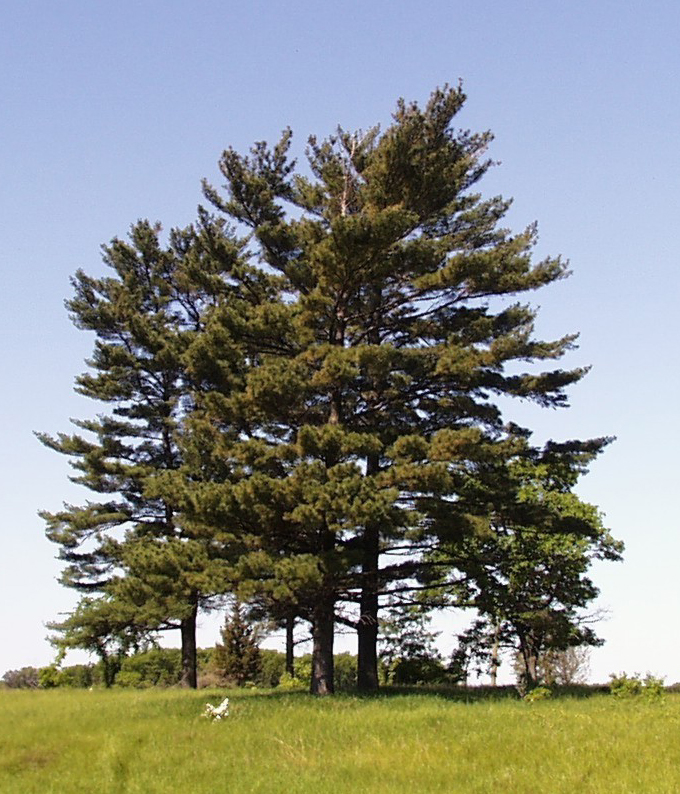
Background & common pitfalls
Native to much of eastern North America, Pinus strobus is valued for its soft, bluish needles in bundles of five and its straight, layered branching. Forestry and extension references emphasize its preference for acidic, well-drained soils and vulnerability to salt, compacted urban sites, and certain diseases USDA PLANTS Profile – plants.usda.gov, USDA Forest Service FEIS – fs.usda.gov, NC State Extension Plant Database – plants.ces.ncsu.edu.
“Site selection is the single best defense for white pine: choose well-drained, acidic soils and minimize salt exposure.” — Extension horticulture guidance, NC State Extension plants.ces.ncsu.edu
Statistic to know: Eastern white pine needles appear in bundles of five, a quick field check that separates it from many other pines USDA PLANTS – plants.usda.gov, USFS FEIS – fs.usda.gov.
Practical framework: planting and care
Site & soil
- Sun: Full sun is ideal; light shade when young is tolerated in forestry notes USFS FEIS – fs.usda.gov.
- Drainage: Essential. Avoid chronically wet or compacted soils; white pine prefers well-drained, acidic substrates NC State Extension – plants.ces.ncsu.edu.
- Soil reaction: Performs best on acidic to slightly acidic soils; chlorosis may appear on high-pH sites Penn State Extension – extension.psu.edu.
Spacing & step-by-step planting
- Measure the space: Reserve wide clearance for the mature canopy and avoid overhead conflicts.
- Dig wisely: A hole as deep as the root flare and two to three times as wide. Keep the flare at or slightly above grade.
- Backfill with native soil: No heavy amendments; firm gently to remove air pockets.
- Water in: Slow, deep soak to settle soil; mulch a thin ring, keeping mulch off the trunk.
- Stake only if needed: Remove supports once roots anchor.
Watering & feeding
- Establishment: Deep watering during dry spells until roots extend beyond the planting pit.
- Mature trees: Typically need supplemental water only during prolonged drought on sandy sites.
- Fertilizer: Use sparingly. If growth is poor and a soil test shows deficiency, apply a slow-release, balanced formula in the root zone.
Pruning & form
- Light touch: Prioritize removal of dead, damaged, or crossing branches. Avoid heavy crown reduction that invites decay.
- Leader protection: Maintain a single central leader for stability and classic form. Remove competing tops early.
- Candle pinch (optional): In landscape settings, pinching back fresh candles can modestly limit annual extension.
Wind, salt, and urban stress
- Wind: Plant away from wind tunnels and expose trees gradually; layered branching can sail in strong gusts.
- Salt: Sensitive to salt spray and road de-icers; buffer with distance or salt-tolerant shrubs Penn State Extension – extension.psu.edu.
- Urban sites: Performance drops on compacted, alkaline soils; choose a different conifer if you cannot meet soil needs NC State Extension – plants.ces.ncsu.edu.
Pests & diseases (prevent first)
- White pine blister rust: A serious disease associated with alternate hosts in the genus Ribes. Many landscape guides recommend avoiding planting currants and gooseberries nearby in sensitive regions USFS FEIS – fs.usda.gov.
- Needle blights and tip dieback: Often linked to stress, shade, or poor air flow; improve site conditions first Penn State Extension – extension.psu.edu.
- White pine weevil: Monitor the leader for wilting and dieback; prune out and destroy affected tips promptly USFS FEIS – fs.usda.gov.
Landscape uses
- Specimen tree: Soft texture and blue-green color offer contrast to oaks and maples.
- Screening: Space generously; staggered rows create layered privacy without crowding.
- Habitat value: Provides cover and seed for wildlife in its native range USDA PLANTS – plants.usda.gov.
Tips & common mistakes
- Don’t bury the flare: A covered root flare suffocates bark and invites rot.
- Avoid heavy topping: Leads to weak, multiple leaders and breakage.
- Respect soil pH: Chlorosis on alkaline sites is a sign to amend the plan, not just the soil.
- Mind salt sources: Keep distance from salted roads and driveways.
Key terms
- Root flare: The visible base where trunk widens into roots; should sit at or slightly above soil line.
- Leader: The main vertical stem that shapes conifer form and stability.
- Blister rust: A fungal disease of five-needle pines involving alternate hosts in Ribes.
FAQ
How fast does Eastern white pine grow in landscapes?
It is considered a relatively fast grower under good conditions: full sun, acidic well-drained soils, and adequate moisture during establishment NC State Extension – plants.ces.ncsu.edu.
Can I plant it near driveways or streets?
Use caution. White pine is sensitive to salt spray and de-icers; pick a site set back from roads or shield with salt-tolerant plantings Penn State Extension – extension.psu.edu.
Do I need to prune it every year?
No. Routine heavy pruning is not recommended. Focus on removing dead or damaged wood and maintaining a single leader for structure USFS FEIS – fs.usda.gov.
Sources
- USDA PLANTS Profile: Pinus strobus – plants.usda.gov
- USDA Forest Service Fire Effects Information System: Eastern white pine – fs.usda.gov
- NC State Extension Plant Database: Pinus strobus – plants.ces.ncsu.edu
- Penn State Extension: Eastern white pine landscape notes – extension.psu.edu
Conclusion
Choose a sunny, well-drained, low-salt site, plant the root flare at grade, water deeply during establishment, and keep pruning minimal. Do that, and Eastern white pine will repay you with a soft, graceful canopy for decades.
Related collection
Explore Related Collections
Browse culinary and botanical collections related to this topic.
Browse Ingredient CollectionsProducts and collections are presented for general ingredient, culinary, botanical, craft, or gardening use. Content on this site is educational only and is not medical advice.
Leave a comment