
Mullein Leaf Tea: Straining Fine Hairs, Product Forms & Safety
Mullein Leaf Tea: Filter the Fine Hairs and Check What You Are Buying
Quick answer: Mullein leaf tea is an herbal infusion made from dried leaves of common mullein (Verbascum thapsus). The leaves are naturally covered in fine woolly hairs. When preparing loose leaf sold for infusion, filter the liquid carefully so plant hairs and particles do not remain in your cup. A paper coffee filter or layers of clean, fine cloth can help. Always follow the actual product's food-preparation directions and do not treat a tea recipe as a medical dose.
Frequently Asked Questions
Do I need to remove the fuzzy particles from mullein tea?
Yes. When preparing leaf sold for infusion, use fine filtration such as a paper coffee filter or layers of clean cloth. The fine hairs may irritate the throat if they remain in the cup.
Is mullein leaf tea the same as mullein flower tea?
No. Leaves and flowers are different plant parts. Evidence and historical use reported for specific flower medicines should not be copied onto a dried-leaf product.
Can I make tea from mullein seeds sold for planting?
Do not use planting seeds as a tea ingredient. They are a different product with a different intended use.
Does mullein tea cure a lung condition?
There is no adequate clinical proof that loose mullein leaf tea cures or treats chronic lung disease or a respiratory infection. Use appropriate medical care for symptoms.
How much mullein tea should I drink each day?
There is no established medically effective daily dose of this tea. Follow the actual package's food-use instructions, and ask a professional about interactions or health concerns rather than increasing the strength or frequency based on online claims.
What is the difference between this guide and The Rike's other mullein articles?
This guide helps shoppers distinguish products, read the label and filter hairy leaves. The respiratory evidence article evaluates clinical claims. The existing mullein-from-seed growing guide addresses gardening rather than how to buy a prepared leaf-tea product.
This article focuses on choosing and handling leaf tea, not on claims that the plant cures lung infections or “detoxes” the respiratory system. For the broader assessment of traditional uses and respiratory claims, read Mullein and Lung Health: Traditional Uses, Evidence, and Safety.
Why Mullein Leaves Feel Fuzzy
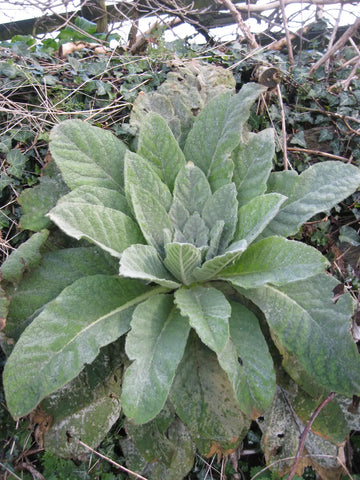
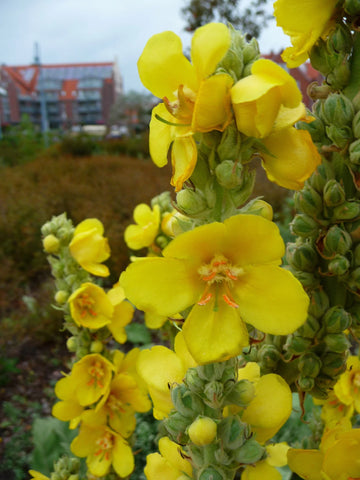
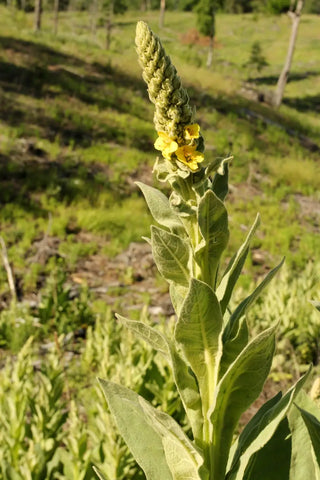
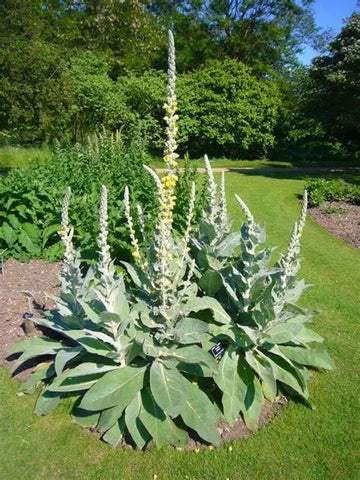
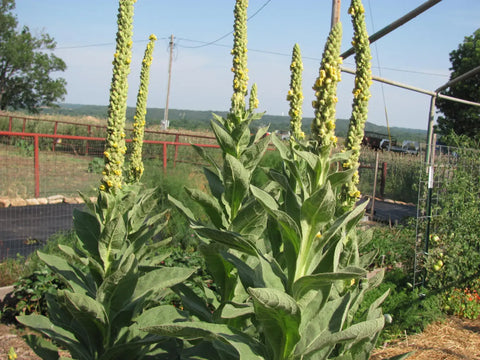
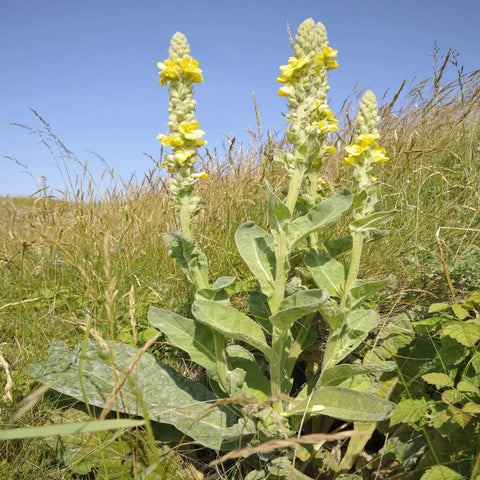
Common mullein is often called woolly or flannel mullein because its large leaves are densely covered in fine hairs. University of Wisconsin Extension describes its soft, felt-like first-year rosette, followed by a tall flowering stem in a later season. This distinctive leaf surface is a plant-identification feature and a practical consideration when handling dried leaf for tea.
The hairs and small plant fragments should not be left floating in an infusion. Filtering with a paper coffee filter or clean fine cloth is more suitable than relying only on a wide-mesh kitchen strainer. The goal is to remove visible and fine particles for a cleaner cup, not to establish that an unknown or incorrectly labeled herb is safe to drink.
Loose Mullein Leaves, Mullein Flowers, Seeds, and Extracts Are Not the Same Product
- Dried leaves: The plant part offered for loose herbal leaf tea. Check that the label actually says leaves and identifies the botanical species.
- Flowers: A different plant part used in some European traditional herbal medicines. The European Medicines Agency (EMA) describes traditional uses of specified mullein flower preparations; its conclusions are not clinical proof of benefits from every mullein leaf tea.
- Planting seeds: Sold to grow plants, not to be consumed as dried leaf tea. A seed packet does not mean you have a ready-to-brew food ingredient.
- Extracts, tinctures and ear oils: These have different ingredients, concentrations, intended uses and potential risks. Do not substitute homemade oil, concentrated drops or smoking mixtures for a food infusion.
The Rike has separate listings for mullein dried-leaf tea and great mullein planting seeds. Consult the live listing and the physical label to verify the plant part, pack count and instructions before purchase or use. This article does not certify the botanical identity, net weight or laboratory status of an individual retail lot.
Practical Preparation: Focus on Filtration, Not a Medical Dose
- Confirm the product: Check that the material is a correctly labeled, food-grade dried leaf product intended for infusion. Do not rely on a botanical image, an unlabeled wild plant or packaging from a different item.
- Follow the specific package directions: Use clean equipment and follow the current supplier instructions for ordinary food preparation. Leaf size and processing vary; this guide does not prescribe grams, a medical dose or daily frequency.
- Filter carefully: Pour the prepared infusion through a clean paper coffee filter or several layers of fine cloth. Avoid leaving leaf fragments or woolly particles in the finished cup.
- Check the cup: If fine visible particles remain, filter again using fresh filter material. Discard the used leaf matter. Do not interpret a cloudy or gritty cup as proof of stronger benefits.
- Stop if it irritates you: Do not continue consuming a preparation that causes throat discomfort or an unexpected reaction; seek professional guidance if symptoms are significant.
WebMD's general consumer overview also emphasizes careful straining because tiny mullein hairs may irritate the throat. That practical filtering recommendation is separate from evidence of medical effectiveness.
What to Check on a Mullein Tea Product Label
Before purchasing, look for a clear botanical name, the plant part (leaf versus flower), whether it is loose or pre-packed into tea bags, the advertised net weight, a supplier or packer identity, storage guidance and any lot or best-by information on the actual package.
Retail titles and internal product codes do not independently establish the contents of a current physical lot. If the listing and physical package disagree about leaf versus flower, the number of packs or net weight, ask the seller to resolve the discrepancy before using it. Avoid assuming “organic,” “lab-tested,” “pharmaceutical grade,” “safe for pregnancy,” or a specified healing effect unless trustworthy, product-specific evidence is available.
Storage and Quality Checks
Keep dried leaf tea sealed in a dry, clean place, away from moisture, strong odors and direct heat. Check for a package-specific date or storage instruction when available. If dried herbs show mold, unusual moisture damage, insects or an unexpected odor, do not attempt to salvage them by brewing longer.
Color, particle size and leaf texture can vary naturally, but those visible features alone cannot verify purity, ingredient identification, safety, pesticide status or a guaranteed shelf life.
What Science Does and Does Not Say About Mullein Tea
Traditional use is part of mullein's cultural history, but it is not proof that a home infusion treats asthma, chronic obstructive pulmonary disease (COPD), pneumonia, tuberculosis, cancer or an ear infection. The EMA states that its mullein flower conclusions rest on traditional use and that clinical studies were lacking. Because this monograph concerns flowers, it cannot be used to validate a specific leaf-tea regimen.
Laboratory findings about antimicrobial or anti-inflammatory compounds are not the same as human clinical outcomes from drinking mullein leaf tea. Likewise, stories about one person's relief do not establish that the tea caused the result or is safe for everyone. Do not delay or replace established treatment for respiratory symptoms.
Do not pour homemade mullein oils into an ear to treat an infection, particularly when eardrum damage has not been ruled out. Do not smoke dried mullein as a supposed lung-cleaning treatment or inhale steam over a hot bowl to “open the lungs”; smoke irritates airways and hot water creates a burn risk.
Who Should Seek Professional Advice?
People who are pregnant or breastfeeding, caregivers thinking about herbs for children, and anyone taking prescription medication or managing a chronic illness should speak with a qualified healthcare professional before making mullein preparations part of a routine. Human safety evidence for repeated or concentrated leaf-tea use is limited. Difficult breathing, worsening cough, chest pain, fever or coughing blood warrant prompt clinical assessment.
References and Evidence Limits
- University of Wisconsin Extension: Common Mullein, Verbascum thapsus — plant identity and densely hairy leaves.
- European Medicines Agency: Verbasci flos — traditional use of mullein flower medicines and lack of clinical studies.
- WebMD: Mullein Tea — practical fine-straining note; consumer guidance does not establish therapeutic efficacy.
- NHS: Perforated Eardrum — why unsupervised ear drops can be inappropriate.
Scope: Practical product identification and tea preparation only. Existing botanical and lifestyle images are illustrative, not lab reports, proof of a retail seed or tea lot, customer outcomes or medical claims. The information does not replace medical assessment.
Related collection
Explore Tea Collections
See tea selections and related pantry ingredients.
Browse Tea CollectionsProducts and collections are presented for general ingredient, culinary, botanical, craft, or gardening use. Content on this site is educational only and is not medical advice.
Leave a comment