

Purple Cabbage Nutrition: Benefits, Limits, and Ways to Eat It
Purple Cabbage Nutrition: Benefits, Limits, and Ways to Eat It
Quick answer: Purple cabbage and red cabbage are two common names for the same group of heading cabbages. It is a low-calorie vegetable that supplies fiber, vitamin C, vitamin K, and red-purple anthocyanin pigments. Those nutrients can contribute to a varied diet, but the vegetable is not a treatment for cancer, heart disease, inflammation, ulcers, or any other condition. Its most practical advantages are its crisp texture, long refrigerator life, vivid color, and versatility in raw, cooked, and safely fermented dishes.
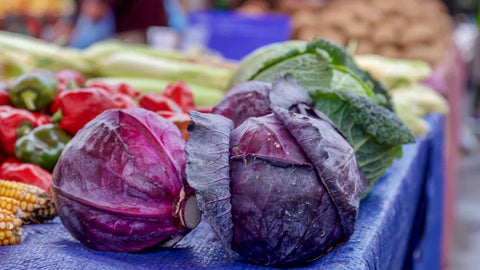
The color can range from reddish magenta to deep violet depending on cultivar, growing conditions, and pigment chemistry. That is why stores and recipes may call the same vegetable red cabbage or purple cabbage. Both names generally refer to forms of Brassica oleracea in the heading-cabbage group.

A Realistic Nutrition Overview
Food-composition values are estimates rather than fixed dosages. Cultivar, soil, maturity, storage, serving size, and preparation all change the result. A recognized food-composition database is the best source when exact numbers matter for clinical nutrition or meal planning.
As a practical reference, one cup of chopped raw purple cabbage is roughly 89 grams and commonly provides:
- About 25 to 30 calories
- Roughly 6 to 7 grams of carbohydrate
- About 2 grams of dietary fiber
- A small amount of protein and very little fat
- Vitamin C and vitamin K
- Smaller amounts of vitamin B6, folate, potassium, manganese, and other micronutrients
The useful point is not that cabbage delivers a perfect percentage of every daily target. It is that a normal serving adds fiber, micronutrients, and plant pigments without adding many calories. Its contribution still depends on the rest of the meal and the person eating it.
Anthocyanins: What the Evidence Can and Cannot Show
Purple cabbage owes much of its color to anthocyanins, a family of water-soluble plant pigments also found in berries, cherries, black rice, and other red, blue, or purple foods. They are often described as antioxidants, but that word can be misleading when laboratory measurements are treated as guaranteed effects in the human body.
Laboratory Research
In test tubes and cell cultures, anthocyanin-rich extracts can interact with oxidation reactions and cellular pathways. These models are useful for generating hypotheses, but an isolated extract placed directly on cells is not equivalent to eating cabbage. The concentration, chemical form, exposure time, and surrounding conditions differ.
Observational Research
Population studies sometimes find associations between diets rich in colorful plant foods and favorable health outcomes. An association does not prove that purple cabbage caused the result. People who regularly eat vegetables may also differ in physical activity, smoking, sleep, income, access to care, and the rest of their diet.
Human Intervention Trials
Human trials can test more direct effects, but results depend on the food, dose, duration, comparison diet, and population. Anthocyanins are also transformed during digestion and metabolism. It is therefore inaccurate to translate a high test-tube antioxidant score into a promise that one food will produce a particular clinical outcome.
Fiber and Digestive Tolerance
Purple cabbage contributes dietary fiber, including components that add bulk and others that can be fermented by gut microbes. Fiber supports normal bowel function as part of an adequate diet, but tolerance varies.
Someone who rarely eats high-fiber foods may experience gas, bloating, or cramping after a large raw-cabbage serving. Increase portions gradually, chew thoroughly, drink according to normal thirst and medical guidance, and try cooked cabbage if raw leaves are uncomfortable. People with a diagnosed gastrointestinal condition should follow the individualized advice of their clinician or registered dietitian rather than a generic wellness claim.
Vitamin C and Vitamin K
Vitamin C
Vitamin C is required for collagen formation and participates in normal antioxidant and immune-system functions. It also improves absorption of non-heme iron from plant foods when eaten in the same meal. These are established nutritional roles, not evidence that cabbage treats an infection, skin problem, or other disease.
Vitamin K
Vitamin K participates in normal blood-clotting pathways and bone-related protein metabolism. Purple cabbage contributes vitamin K1, although the amount varies by serving and preparation. Eating the vegetable does not replace medical evaluation or a prescribed supplement.
Limits Behind Common Health Claims
Older listicles often turn associations or laboratory observations into promises. A more accurate interpretation keeps the following boundaries clear:
- Cancer: Purple cabbage does not prevent, treat, cure, or reverse cancer. Research on cruciferous vegetables and isolated phytochemicals is not a substitute for screening, diagnosis, or oncology care.
- Heart disease: Vegetables can be part of a heart-supportive dietary pattern, but one cabbage serving does not lower risk by a guaranteed percentage and cannot replace medication or medical care.
- Inflammation: A laboratory change in an inflammatory marker does not mean cabbage will resolve arthritis, inflammatory bowel disease, or another inflammatory condition.
- Ulcers: Historical studies of cabbage juice do not justify telling readers to use it for peptic ulcers. Ulcer symptoms require appropriate assessment because causes and treatments differ.
- Detox claims: Cabbage does not cleanse the liver or kidneys. Those organs already perform complex metabolic and excretory functions.
- Topical cabbage leaves: A home compress should not be presented as a treatment for joint pain, breast inflammation, or another medical problem.
Warfarin and Vitamin K Consistency
Vitamin K can affect therapy with warfarin and some other vitamin K antagonists. People using those medicines are often advised to keep vitamin K intake reasonably consistent rather than suddenly eliminating all leafy vegetables or eating a much larger amount than usual.
Medication plans are individual. Anyone taking an anticoagulant should follow the prescriber's instructions and discuss major dietary changes with the care team. This warning should not be generalized to every blood-thinning medicine because different drugs interact with food in different ways.
A Careful Thyroid Note
Cruciferous vegetables contain glucosinolates, and their breakdown products are sometimes described as goitrogenic. Concern is most relevant when very large amounts are combined with inadequate iodine intake or a particular thyroid condition. Normal culinary portions are not a reason for most people to avoid cabbage.
Cooking changes some of the relevant compounds, but it is too broad to promise that cooking removes every thyroid-related concern. People with thyroid disease should follow their clinician's advice, especially before making a major change in raw cruciferous-vegetable intake or using concentrated juices or supplements.
How to Choose Purple Cabbage
Choose a head that feels firm and heavy for its size. Outer leaves should be crisp, with no widespread slime, mold, deep soft spots, or strong off odor. Minor surface scuffs or a dry outer wrapper leaf can usually be trimmed.
Size does not determine quality. A small dense head may be more useful for a household that wants to finish it quickly, while a larger head works well for batch cooking or a tested fermentation recipe.
Washing, Cutting, and Refrigerating
- Remove damaged outer leaves.
- Rinse the head under cool running water before cutting. Do not use soap or household cleaners on produce.
- Use a clean cutting board and a sharp knife. Cut through the core, then remove the tough triangular core from each section.
- Shred, slice, or cut wedges according to the recipe.
Store an unwashed whole head in the refrigerator's crisper drawer, preferably in a breathable or perforated produce bag. Storage time varies with freshness and refrigerator conditions, so inspect it rather than relying only on a calendar. Wrap or seal cut cabbage, refrigerate it promptly, and use it while it remains crisp and free from spoilage.
Can Purple Cabbage Be Frozen?
Freezing damages the crisp structure, so thawed cabbage is better for soups, braises, stir-fries, and other cooked dishes than for fresh slaw. Use a current, tested freezing guide for preparation and blanching time because cut size matters. Cool blanched cabbage quickly, drain it well, package it in freezer-safe portions, remove excess air, label, and freeze promptly.
Cooking Color Chemistry
Anthocyanin pigments change color with acidity. Vinegar, lemon juice, wine, or tart apple can shift cooked cabbage toward red or magenta. Alkaline ingredients such as baking soda can push the color toward blue or gray and may also make the texture overly soft.
Hard water and reactive cookware can affect appearance. Color change by itself is not proof that the food is spoiled. Use odor, texture, storage history, and visible signs of decay when judging freshness.
Practical Ways to Eat Purple Cabbage
Raw Slaw
Shred the cabbage thinly and combine it with carrot, apple, scallion, or herbs. Salt and an acidic dressing soften the leaves during a short rest. Add nuts, seeds, beans, eggs, fish, or another protein to make the dish more substantial.
Quick Sauté
Cook thin slices in a small amount of oil with onion or garlic. Add a splash of vinegar near the end for brightness and color. Keep the cooking time short for a firmer texture.
Slow Braise
Braise wedges or thick slices with apple, onion, caraway, vinegar, and a modest amount of liquid. Low, steady heat softens the leaves and blends the sweet and acidic flavors.
Roasted Wedges
Cut through the core so each wedge stays together, coat lightly with oil, season, and roast until the edges brown and the center becomes tender. Time depends on wedge thickness and oven behavior.
Soups, Tacos, and Grain Bowls
Add thin raw shreds just before serving for crunch or cook them in the broth for a softer texture. Purple cabbage pairs well with beans, lentils, rice, noodles, roasted vegetables, citrus, ginger, sesame, and many savory proteins.
Fermentation Requires a Tested Recipe
Purple cabbage can be fermented as sauerkraut or used in kimchi-style preparations. Safe home fermentation depends on correct ingredient ratios, salt concentration, temperature, cleanliness, submersion, time, and storage. Use a current recipe from a university extension service or another authoritative food-preservation source.
Do not reduce salt or alter processing details by guesswork. Submersion helps create the conditions a tested recipe expects, but it is not a guarantee that every batch is safe. Discard a batch that shows signs the preservation guide identifies as spoilage, and do not taste a questionable ferment to test it.
Frequently Asked Questions
Is purple cabbage more nutritious than green cabbage?
They overlap nutritionally. Purple cabbage usually contains anthocyanin pigments that standard green cabbage lacks in comparable amounts, while individual vitamin values vary. The better choice is the one that fits the meal, budget, availability, and preference; variety across vegetables matters more than declaring one universal winner.
Does cooking destroy all the nutrients?
No. Heat and water can reduce or redistribute some heat-sensitive and water-soluble nutrients, while the cooked vegetable still supplies fiber and other nutrients. Using the cooking liquid in a soup or braise retains components that move into the liquid.
Can I eat purple cabbage every day?
Many people can include it regularly, but portion tolerance and medical needs differ. Rotate it with other vegetables, increase fiber gradually, and follow individualized advice for anticoagulant therapy, thyroid disease, or a gastrointestinal condition.
Why did my cabbage turn blue while cooking?
The anthocyanin pigment responded to an alkaline environment. A small amount of food acid such as vinegar or lemon juice can shift the color back toward red or magenta. Avoid baking soda if you want to preserve both color and firmer texture.
Is raw or cooked purple cabbage better?
Neither is universally better. Raw cabbage is crisp and works well in salads; cooking softens it and may improve tolerance for some people. Eating it in several preparations is a practical way to enjoy the vegetable without turning one method into a health rule.
Bottom Line
Purple cabbage is useful because it is colorful, affordable in many markets, rich in fiber and several micronutrients, and adaptable to many dishes. The evidence supports describing it as one nutritious food within a varied diet—not as a medicine. Choose a firm head, store it cold, prepare it safely, use tested preservation instructions, and treat dramatic disease claims with skepticism.
Related collection
Explore Related Collections
Browse culinary and botanical collections related to this topic.
Browse Ingredient CollectionsProducts and collections are presented for general ingredient, culinary, botanical, craft, or gardening use. Content on this site is educational only and is not medical advice.
Leave a comment