
Smooth Sumac Seeds vs. Sumac Spice: What Are You Buying?
Smooth Sumac Seeds vs. Sumac Spice: Choose the Correct Product
Direct answer: If you are buying smooth sumac (Rhus glabra) seeds for planting, you are buying propagules to grow a shrub, not a ready-to-eat spice, tea ingredient, herbal supplement or medication. Traditional sumac beverages and culinary seasonings involve appropriately identified and prepared fruits from specific sumac species. That cultural history does not establish that a retailer's planting seeds are food-grade, untreated, correctly identified by physical lot or medically effective.
The Rike lists Smooth Sumac Seeds (Rhus glabra) — 2 packets × 500 as advertised. The listed 1,000-seed total and species come from the catalog; a physical packet count, verified botanical lot label, provenance, germination test and seed-treatment history have not been supplied. Do not consume planting seed or brew an infusion from this retail packet.
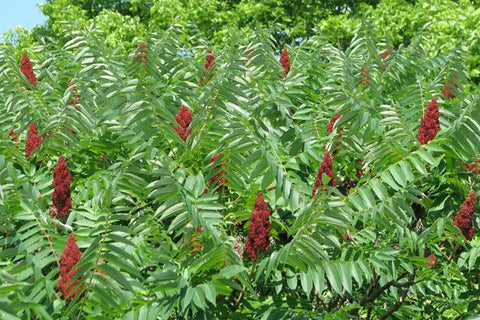
Original article image retained. The file's subject, botanical identification, provenance and rights have not been independently confirmed; it does not authenticate the sale's physical seed lot.
One word, three different items
| Item you see offered | What it is | What to verify |
|---|---|---|
| Smooth sumac planting seed | Seed or seed-containing propagules meant to produce Rhus glabra shrubs. | Exact botanical species, harvest or lot record, any pretreatment, storage history, physical seed count and germination information. Do not infer food suitability. |
| Red smooth-sumac fruits (drupes) | Clusters of small red, hairy fruits on mature female plants; each drupe contains a seed. Historically used in some traditional preparations. | Identification to the correct species, clean harvesting site, handling and food-safety suitability before any foraging or culinary use. |
| Packaged culinary sumac spice | A food product usually made from processed fruit material of suitable sumac species. Specific species, ingredients and packaging vary. | Food-grade label, species where declared, processing, ingredients, storage and applicable food-safety information. It is not automatically viable planting seed. |
Common mistake: Red fruit clusters pictured online are not proof that a seed packet contains culinary sumac, a female plant, or a guaranteed fruiting shrub. The USDA Forest Service species review documents historical use of smooth sumac fruits, while Illinois Extension notes that fruit occurs on female plants and depends on a compatible male plant for pollination.

Which sumac species do you have?
Rhus glabra (smooth sumac) and Rhus typhina (staghorn sumac) are related but different plants. On the mature plant, young smooth sumac stems lack the characteristic dense, velvet-like hairs found on staghorn sumac stems. Both can form spreading colonies of suckers. By contrast, poison sumac (Toxicodendron vernix) belongs to a different genus and must not be treated as edible sumac. Do not decide any plant is safe to forage from a single color or online photograph.
A real grower asked an Ask Extension question in July 2021 about distinguishing R. glabra and R. typhina from seed-grown material and whether the shoots would spread excessively. The expert cautioned that seedlings can be difficult to identify and both types sucker. An independent Ask Extension response explains important differences between familiar non-poisonous sumacs and poison sumac. These are original questions and horticultural answers, not evidence of sales volume or a verified The Rike seed lot.

Before growing: give a suckering shrub enough room
Smooth sumac is a deciduous North American shrub or small tree with bright autumn colors and strong colonizing tendencies. It can work in a managed open site, dry slope, large wildlife area or naturalized edge, but it is a poor choice where root suckers would interfere with a small formal border or neighboring property. Iowa State University Extension describes its spreading form, and Illinois Extension documents mature plant size and suitability for massing rather than tiny containers.
A single seedling should not be promised to produce red fruit, because plants can be male or female. A seed-grown plant also cannot be promised to stay compact, remain isolated, flower in a specific year or match a photographed fruit head.
How to approach Rhus glabra seed germination responsibly
The hard covering of sumac seed can delay water uptake and emergence. Source recommendations differ on whether or when additional chilling is needed, and procedures depend on the exact sumac species and seed treatment history. USDA Forest Service, Iowa State Extension and an October 2025 Ask Extension seed question illustrate why a single advertised 'guaranteed germination in X days' would be misleading.
- Inspect the actual packet. Confirm that it says Rhus glabra, record the supplier and seed-lot details, and check whether the seeds were already treated. A marketing name alone is insufficient.
- Choose a managed site and a labeled trial. Start a modest comparison rather than sowing all 1,000 advertised seeds across a garden or natural area. Label the date and conditions.
- Use a draining seed-starting medium. Keep moisture consistent without standing water. Monitor contamination, crusting and mold rather than repeatedly flooding the container.
- Follow an appropriate verified propagation protocol. Some professional references use specialized chemical scarification, which is not a safe household project. Do not handle concentrated acid, use flame or scald seeds based on an internet shortcut. Ask a nursery or local Extension for a practical method suited to the verified lot.
- Interpret failures cautiously. Slow or uneven emergence may reflect seed-coat dormancy, storage, viability or growing conditions. No actual germination percentage or treatment efficacy is known for this seller's lot.
- Recheck after establishment. Thin and transplant appropriately, keep watch for unwanted suckers, and do not assume every seedling will be female or bear red fruit.
The Rike has a separate published smooth sumac propagation guide for readers who need further horticultural context. This article's distinct purpose is making the buying, species-identity and planting-seed-versus-spice decision, not competing with that grow guide.

What about traditional food uses and medical claims?
Traditional use of properly identified smooth sumac fruits is reported in botanical literature. It is not the same as a modern clinical trial demonstrating that retail seeds treat cancer, diabetes, muscle pain, infections or any other disease. Laboratory observations of plant compounds also do not establish effectiveness or safe dosage in people. The earlier version of this article treated preliminary and unrelated claims as proven health benefits; those assertions have been removed.
For the actual seed product, there is no verified food-grade status or record of pesticide, fungicide or other treatment. Do not taste the seeds, use them as a spice or suggest boiling them into a beverage. If your goal is cooking, choose a clearly labeled food-grade culinary product from an appropriate food seller, not this planting SKU. For any wild plant harvest, use competent local species identification, a clean collection site and proper food-safety guidance.
Questions gardeners ask before buying
Will one smooth sumac seed become a fruiting shrub?
Not necessarily. Germination is not guaranteed, and male and female flowers occur on separate plants. The sex of an individual seedling is not verified by this retail packet.
Is smooth sumac the same thing as poison sumac?
No. Rhus glabra is not Toxicodendron vernix. Correct identification matters; do not use a catalog picture as your sole foraging or allergy-safety test.
Can I plant it beside a small patio?
It can spread through underground suckers and make colonies, so long-term access and space matter more than the size of the original nursery pot.
How many seeds will I receive?
Shopify currently lists two packs of 500 planting seeds. That is a catalog claim, not an independently observed count of the physical envelopes. Confirm fulfillment inventory before making an exact pack-count guarantee.
Are the seeds organic, untreated, heirloom or edible?
No lot-specific certificate, treatment history, supplier verification or food safety evidence was supplied. None of those claims should be inferred from a product name, old SEO copy or this general botanical article.
Existing historical image collection
The original article included numerous image assets. Their URLs are preserved here so existing editorial media is not silently destroyed, but they are not verified as accurate photographs of Rhus glabra, of food-grade sumac, of a warehouse seed packet, or as licensed images. Images do not replace species evidence.
View 9 additional original editorial images



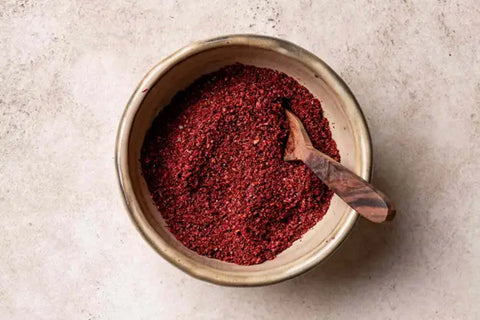
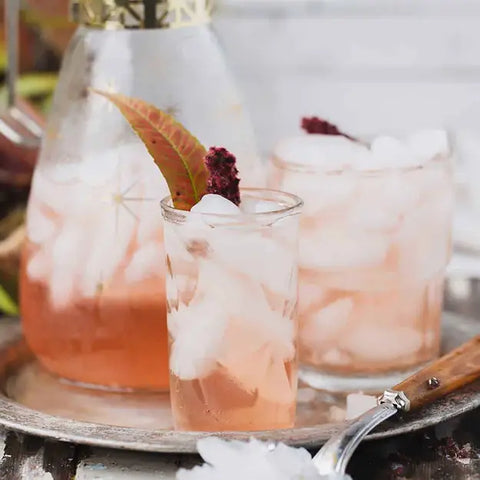
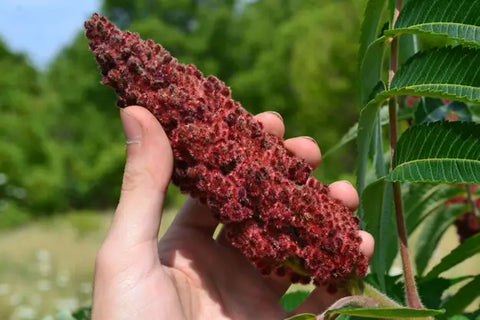
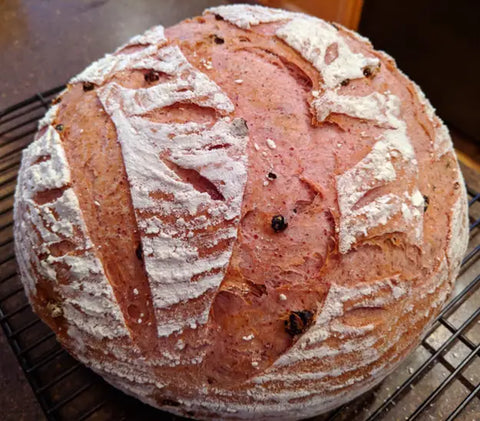
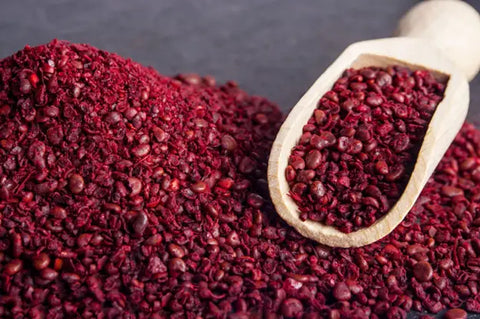
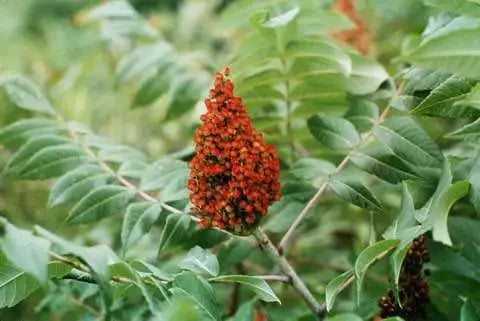
Existing legacy images retained for continuity. Their subjects, licensing and connection to the specific inventory lot have not been independently authenticated.
References and evidence limits
- USDA Forest Service: Rhus glabra species review, ecological traits, germination variability and recorded traditional uses of fruits.
- University of Illinois Extension: Smooth Sumac, size, suckering and male/female flowers.
- Iowa State University Extension: Smooth Sumac, mature spread, site preferences and propagation context.
- Ask Extension: Rhus species identification from growing material (2021), real grower question and expert answer on stem identification and suckers.
- Ask Extension: Growing sumac from seed pods (2025), species-specific germination method uncertainty.
- Ask Extension: Poison Sumac versus Rhus sumacs, identification and safety distinction.
Limit of the evidence: Plant-species references do not validate The Rike's actual seed count, packet identity, treatment, stored viability, image authenticity, licenses or compliance with food rules. No observed grower question measures sales or search volume. Medical or nutritional outcomes, SEO uplift and successful germination are not claimed.
Related collection
Explore Seed Collections
See seed varieties and growing-related collections.
Browse Seed CollectionsProducts and collections are presented for general ingredient, culinary, botanical, craft, or gardening use. Content on this site is educational only and is not medical advice.
Leave a comment