

Growing amaranth from seed: warm-soil sowing, steady care, and smart harvest
Answer: Direct-sow amaranth in warm, well-drained soil once temperatures stay above roughly 65–70 °F, plant shallowly, keep evenly moist until emergence, then thin and weed early. Harvest tender leaves young or let plants mature for grain. Evidence-based details and exact temps below: University of Minnesota Extension – grain amaranth guide, UF/IFAS EDIS – vegetable amaranth production, Purdue NewCROP – amaranth profile.
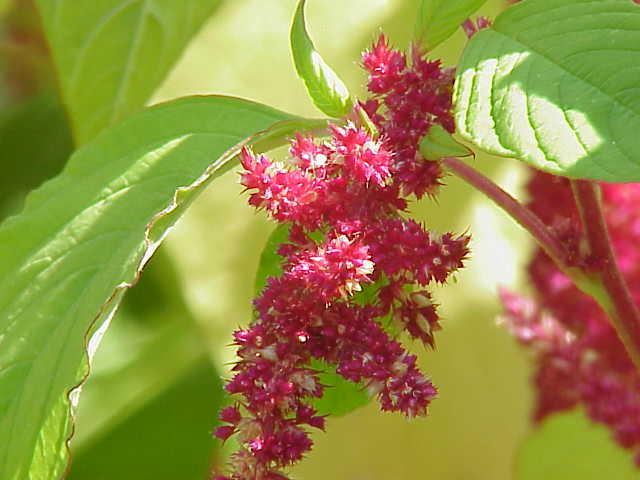
Amaranth is a heat-loving annual that gives you two payoffs: tender greens early and striking seed heads later. It doesn’t ask for pampering, just warm soil, a fine seedbed, and early weed control.
Context & common pitfalls
Heat matters. Amaranth germinates and grows best in warm soils; rushing the sowing is the most common failure UF/IFAS EDIS.
Tiny seeds, shallow planting. The seed is extremely small, so depth and seed-to-soil contact are critical. Over-burying leads to poor emergence University of Minnesota Extension.
“Planting should be done when the soil temperature is at least 65 °F… Seeds should be planted no more than 1/2 inch deep… seedlings are fragile, so it is important to have a fine, firm seedbed.” — R. L. Myers, Agronomy, University of Minnesota Extension UMN Extension PDF
Useful stats. Vegetable amaranth seed germinates best near 70–75 °F soil temperature UF/IFAS EDIS. A pound of amaranth seed contains about 600,000 seeds, which is why uniform shallow coverage matters UMN Extension.
Growing framework: seed to harvest
Key terms
- Direct-sow: plant seed where it will grow to maturity.
- Fine seedbed: smooth, crumbly surface that lets tiny seed sit shallow with good contact.
- Thinning: removing extra seedlings to the target spacing so plants size up evenly.
Site & soil
- Sun & drainage: full sun, well-drained soil. Amaranth tolerates lean ground once established Purdue NewCROP – Amaranth.
- Soil temperature: wait for ≥ 65 °F and stable warmth; many growers aim for around 70 °F for fast, even sprouting UF/IFAS EDIS, UMN Extension.
Sowing
- Prepare a fine, firm seedbed. Rake smooth and lightly firm the surface.
- Depth: broadcast or drill very shallowly (about 1/8–1/4 inch). Avoid crusting soils that seal over tiny seed UMN Extension.
- Spacing: aim eventually for 8–12 in between plants for leaf types; grain types can go wider in rows. Thin in stages as seedlings establish Purdue NewCROP.
- Moisture: mist or water gently to keep the top inch evenly moist until emergence.
Early care
- Weed early, often. Amaranth is slow for the first weeks and appreciates clean rows; shallow hoeing is ideal UMN Extension.
- Watering: once established, it’s drought-tolerant, but steady moisture gives better leaves and panicles Purdue NewCROP.
- Feeding: moderate fertility is enough; avoid heavy nitrogen that invites lush, floppy growth.
Pests & diseases
- Flea beetles and tarnished plant bug can be notable in some regions; protect seedlings and monitor seed heads near fill stage UMN Extension.
- General tip: use row covers for seedlings, remove plant residues, and keep rows well-weeded to limit pressure.
Harvest
- Leaf harvest: begin cutting tender tops once plants are well-rooted. Frequent light cuts encourage new growth Purdue NewCROP.
- Grain harvest: allow panicles to mature and dry down on the plant; careful handling reduces shattering losses. Winnow and dry seed thoroughly before storage UMN Extension.
Kitchen & use ideas (culinary, not cures)
- Leaves: quick sauté like spinach, or add to soups and stir-fries. Flavor varies by type from mild-green to gently earthy UF/IFAS EDIS, Purdue NewCROP.
- Grain: toast then simmer for cereal or pop like tiny popcorn; blend with other grains for texture UMN Extension.
Tips & common mistakes
- Don’t sow cold. Wait for warm soil; cool conditions slow or stop germination UF/IFAS EDIS.
- Plant too deep = poor stand. Keep it shallow and firm the surface slightly after seeding UMN Extension.
- Neglect early weeding. Tiny seedlings lose to quick weeds. Clean cultivation pays off UMN Extension.
FAQ
Can I transplant amaranth?
You can, but direct-sowing into warm soil is simpler and avoids root disturbance. If transplanting, use small plugs and don’t bury crowns.
Which types are for leaves vs grain?
Leaf types are often listed as Amaranthus tricolor and relatives; grain types are commonly A. hypochondriacus or A. cruentus. Seed sellers and extension sheets label intended use Purdue NewCROP.
Do amaranth leaves have oxalates?
Yes, many leaf and grain types contain oxalates; cooking methods change the soluble fraction. People with a history of calcium-oxalate kidney stones should discuss diet choices with a clinician PubMed – oxalate in amaranth, NLM/PMC review.
Safety & Sources
- Food safety: harvest from clean areas; rinse well. Consider cooking leaves if you monitor dietary oxalate PubMed, NLM/PMC.
- Seed handling: the seed is tiny; avoid inhaling dust during winnowing.
- Primary growing references: University of Minnesota Extension – Growing Grain Amaranth, UF/IFAS EDIS – Vegetable Amaranth Production, Purdue NewCROP – Amaranth.
Related collection
Explore Seed Collections
See seed varieties and growing-related collections.
Browse Seed CollectionsProducts and collections are presented for general ingredient, culinary, botanical, craft, or gardening use. Content on this site is educational only and is not medical advice.
Leave a comment