

Grow black pepper at home: warm roots, climbing vines, steady humidity
Answer: Black pepper (Piper nigrum) is a tropical climbing vine that thrives in warm, humid air, evenly moist but well-drained soil, and partial shade. Grow it on a sturdy support, root cuttings at nodes, keep soil pH near slightly acidic to neutral, and harvest green spikes for black pepper or fully mature red spikes for white pepper after soaking and rubbing. Verified details: University of Hawaiʻi CTAHR – Black pepper, Purdue NewCROP – Black pepper, NLM/PMC – Piper nigrum overview.
Give the vine heat, a vertical climb, light shade, and consistent moisture. Do that, and those little peppercorns stop being mysterious and start being your everyday kitchen win.
Background & common issues
- Climate fit. Pepper vines prefer warm temperatures, high humidity, and filtered light; cool, drafty rooms stall growth UH CTAHR, NLM/PMC.
- Rooting style. Nodes root eagerly where they contact a moist medium or a moss-wrapped pole Purdue NewCROP.
- Water balance. Even moisture is vital; waterlogging invites root problems, drought drops berries UH CTAHR.
“Black pepper grows best in warm, humid conditions under partial shade with good drainage and support for climbing.” — University of Hawaiʻi CTAHR CTAHR
Useful stats: Many extension guides recommend 30–50% shade for vine vigor and berry set, and a slightly acidic soil pH around 5.5–6.5 for nutrient uptake UH CTAHR, Purdue.
Key terms
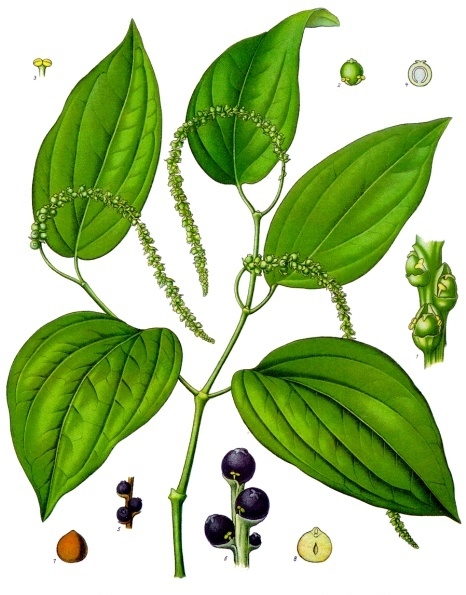
- Spike: the finger-like flowering/fruiting cluster that becomes peppercorns.
- Node: the point on a stem that bears a leaf; in pepper, nodes readily make roots.
- Partial shade: filtered light or bright shade; many growers use ~30–50% shade cloth in hot sun.
Framework: plant to harvest
Propagation (cuttings first, seeds rarely)
- Tip or runner cuttings: take 4–6 in pieces with 2–3 nodes. Remove lower leaf, dust optional rooting powder, and set into a porous, sterile mix. Keep warm and humid until rooted Purdue, UH CTAHR.
- Air-layer option: wrap moist moss around a node on a supported vine; cut and pot once roots are visible Purdue.
Site, soil, and container
- Light: bright, indirect; morning sun with afternoon shade works well.
- Soil: rich, airy mix that drains well; aim near pH 5.5–6.5 UH CTAHR.
- Container: deep pot with trellis or moss pole. Outdoors in warm zones, plant at the base of a living support or post.
Care: water, feed, support, prune
- Water: keep evenly moist; never soggy. Mulch outdoor roots; in containers, water when the top inch is dry UH CTAHR.
- Fertilizer: light, regular feeding during active growth; avoid salt buildup. Flush pots occasionally.
- Support: train vines up a pole, net, or trellis. Secure gently at nodes to encourage aerial roots.
- Pruning: tip prune to branch; remove weak or tangled growth to improve light within the canopy Purdue.
Flowering, fruiting, and harvest
- Spikes appear on mature, well-lit vines; keep humidity steady to reduce drop NLM/PMC.
- For black pepper: pick spikes when berries are firm green with a faint yellow tinge; blanch briefly, then sun- or low-oven-dry until fully wrinkled.
- For white pepper: allow spikes to turn red; soak in clean water, rub off the pericarp, then dry the pale cores.
Pests & diseases
- Scale, mites, mealybugs: improve airflow, wipe with alcohol-damp cloth, and use horticultural soap or oil if needed.
- Root rots: ensure drainage, avoid overwatering, and don’t bury the crown.
- Anthracnose/leaf spots: prune for airflow; avoid overhead watering in the evening UH CTAHR.
Tips & common mistakes
- Full, harsh sun can scorch leaves; provide dappled shade UH CTAHR.
- Poor support equals weak, messy vines; a sturdy pole or trellis is non-negotiable.
- Wet feet invite disease; prioritize drainage and mulch, not constant sog.
- Low humidity indoors dries spikes; group plants, use pebble trays, or a humidifier.
FAQ
Is it better to start from seed or cuttings?
Cuttings are faster and more reliable; seeds are slow and variable. Most growers use tip or runner cuttings rooted at nodes Purdue, UH CTAHR.
Can I grow black pepper indoors?
Yes, with bright indirect light, a humid microclimate, warm temperatures, and a moss pole for climbing. Fruiting indoors is possible with maturity and stable care NLM/PMC.
How long until it bears?
From a healthy cutting, expect an extended vegetative phase before the first spikes. Steady warmth, partial shade, and humidity shorten the wait UH CTAHR.
Sources
Related collection
Explore Seed Collections
See seed varieties and growing-related collections.
Browse Seed CollectionsProducts and collections are presented for general ingredient, culinary, botanical, craft, or gardening use. Content on this site is educational only and is not medical advice.
Leave a comment