

Bergamot Tea Guide: Types, Flavor, Brewing, and Safety
Bergamot tea is a broad term covering at least three distinct things: an herbal infusion made from the dried peel or fruit of Citrus bergamia (the bergamot orange); Earl Grey, a true tea — black, green, or white — scented or flavored with bergamot oil or flavoring; and preparations made from Monarda species, a North American wildflower commonly called wild bergamot or bee balm, which is an entirely different plant. Understanding which product you have matters for flavor expectations, caffeine content, and safe use. This guide covers all three, with practical brewing guidance and honest safety notes.
The Three Things Called "Bergamot Tea"
1. Citrus Bergamia Peel Infusion
Citrus bergamia is a small citrus fruit grown primarily in the Calabria region of southern Italy, with smaller production in Turkey, Argentina, and Ivory Coast. The fruit is rarely eaten fresh; its value lies in the peel, which contains a highly aromatic essential oil used in perfumery, food flavoring, and tea production. A bergamot peel infusion is caffeine-free and has a bright, floral-citrus character — sharper and more complex than lemon, with a faintly bitter, almost Earl Grey-like finish. Dried peel pieces are steeped in hot water to produce the infusion.
2. Earl Grey Tea
Earl Grey is the most widely consumed bergamot-flavored product in the world. It is a base of black tea (occasionally green or white tea) that has been scented with bergamot oil or sprayed with bergamot flavoring during processing. Because the base is true tea from Camellia sinensis, Earl Grey contains caffeine from its tea base. An 8 oz cup of black or green tea often contains about 30–50 mg, but the amount varies by product, leaf quantity, and steeping time. The bergamot in Earl Grey is usually present as an oil or flavoring rather than as dried fruit pieces, so the flavor is more concentrated and consistent than a peel infusion.
3. Wild Bergamot / Bee Balm (Monarda)
Monarda fistulosa and related species are North American wildflowers in the mint family. They are called "wild bergamot" because their aroma loosely resembles Citrus bergamia, but they are botanically unrelated. Monarda infusions have an oregano-like, slightly spicy, herbal character quite different from citrus bergamot. If a product is labeled "wild bergamot tea" without mentioning Citrus bergamia, it is likely a Monarda product. This guide focuses on Citrus bergamia and Earl Grey; Monarda is noted here only to prevent confusion.
Flavor Profile
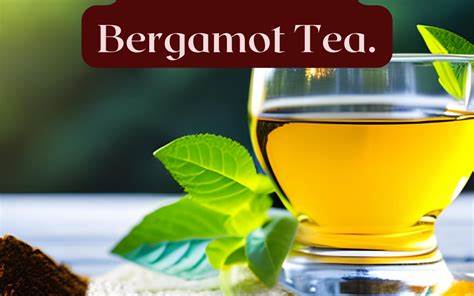
Bergamot's aroma is one of the most recognizable in the citrus family — floral, slightly sweet, with a clean bitterness and a warm, almost spiced undertone that distinguishes it from lemon or orange. In a peel infusion, the flavor is bright and citrusy with a mild astringency and a long, fragrant finish. In Earl Grey, the bergamot note sits on top of the malty or grassy character of the base tea, creating a layered cup that is simultaneously robust and aromatic. The intensity of the bergamot note in Earl Grey varies considerably by brand — some are lightly scented, others are strongly perfumed.
Sourcing and Label Checks
When buying a bergamot peel product, look for these details on the label or product listing:
- Botanical name — Citrus bergamia confirms you are buying the correct plant, not Monarda or a generic citrus blend.
- Origin — Calabria, Italy is the most established source; Turkish and Argentine bergamot are also genuine. Unspecified origin is not necessarily a problem but limits traceability.
- Form — dried peel pieces, dried whole slices, or powder. Pieces and slices brew more evenly than powder and are easier to control.
- Ingredient list — a peel infusion product should list only bergamot peel (and possibly other botanicals if it is a blend). If it lists "bergamot flavor" or "bergamot oil" without peel, it is a flavored product, not a peel infusion.
- Food-grade designation — bergamot essential oil is used in perfumery and is not intended for consumption unless the product is explicitly labeled food-grade and intended for culinary use. Dried peel for tea is a different product from essential oil.
Comparison at a Glance
| Feature | Bergamot Peel Infusion | Earl Grey Tea | Wild Bergamot (Monarda) |
|---|---|---|---|
| Plant source | Citrus bergamia | Camellia sinensis + bergamot oil/flavoring | Monarda spp. |
| Caffeine | None | Often about 30–50 mg per 8 oz; varies | None |
| Flavor | Bright citrus, floral, mildly bitter | Malty/grassy base with floral bergamot note | Herbal, oregano-like, spicy |
| Typical form | Dried peel pieces | Loose leaf or tea bag | Dried herb, loose |
| Common use | Herbal infusion, culinary | Hot or iced tea | Herbal infusion |
Brewing Guide
Brewing a Bergamot Peel Infusion
Dried bergamot peel brews differently from tea leaves — the peel releases flavor more slowly and benefits from a slightly longer steep or a gentle simmer.
- Measure — use 1–2 teaspoons of dried peel pieces per 8 oz (240 ml) of water. Adjust to taste; peel varies in intensity by batch and origin.
- Heat water — bring filtered water to 200–212°F (93–100°C). Bergamot peel is robust and benefits from near-boiling water, unlike delicate green teas.
- Steep — pour water over the peel and steep for 5–8 minutes. For a stronger infusion, simmer the peel gently in water for 3–5 minutes before straining.
- Strain and taste — strain out the peel. The liquor should be pale golden to amber with a clear citrus-floral aroma. Taste before adding anything.
- Adjust — a small amount of honey complements the floral notes without masking them. Lemon juice can brighten the cup but may increase bitterness slightly.
- Re-steep — peel pieces can typically be steeped once more with a slightly longer time, though the second infusion will be lighter.
Brewing Earl Grey
- Measure — 1 teaspoon of loose leaf (or one tea bag) per 8 oz (240 ml) of water.
- Heat water — 200–212°F (93–100°C) for black-base Earl Grey; 175–185°F (79–85°C) for green-base Earl Grey to avoid bitterness.
- Steep — 3–4 minutes for black-base; 2–3 minutes for green-base. Over-steeping increases astringency and can make the bergamot note harsh.
- Strain and serve — Earl Grey is traditionally served plain or with a small amount of milk. Lemon is a common addition but can curdle milk if both are used.
Quick Brewing Reference
| Type | Water Temp | Amount | Steep Time | Re-steep? |
|---|---|---|---|---|
| Bergamot peel infusion | 200–212°F / 93–100°C | 1–2 tsp per 8 oz | 5–8 min | Once, lighter |
| Earl Grey (black base) | 200–212°F / 93–100°C | 1 tsp per 8 oz | 3–4 min | Generally no |
| Earl Grey (green base) | 175–185°F / 79–85°C | 1 tsp per 8 oz | 2–3 min | Once |
Iced Bergamot Tea
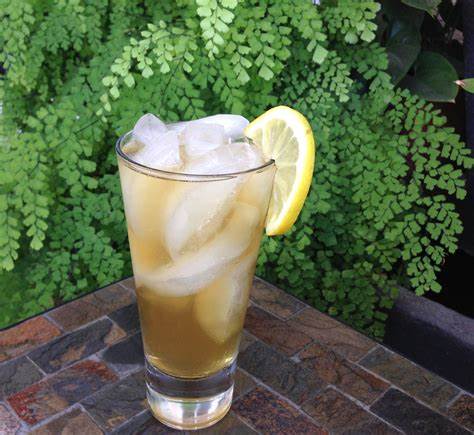
Both bergamot peel infusion and Earl Grey work well as iced tea. Brew at double strength (double the leaf or peel, same water volume), then pour over ice to dilute to normal strength. For a cold-brew Earl Grey, combine loose leaf with cold filtered water at a ratio of 1 tablespoon per 8 oz and refrigerate for 8–12 hours. Cold-brew produces a smoother, less astringent cup with a gentler bergamot note.
Culinary Uses Beyond the Cup
Dried bergamot peel has uses beyond tea. Small amounts of finely chopped or ground peel can add a citrus-floral note to baked goods, shortbread, custards, and salad dressings. Steeped bergamot peel can be used as a flavored liquid in cocktails or mocktails. These are straightforward culinary applications of the dried fruit peel and are distinct from the use of bergamot essential oil, which is a concentrated extract intended primarily for aromatherapy and perfumery.
Storage
Store dried bergamot peel and loose-leaf Earl Grey in an opaque, airtight container away from direct light, heat, and strong odors. Bergamot's aromatic compounds are volatile and will fade if the container is left open or stored near spices, coffee, or cleaning products. Aroma fades over time, so follow the product's best-before guidance, buy quantities you can finish while fresh, and label containers with the purchase or opening date.
Caffeine and Suitability
A bergamot peel infusion contains no caffeine and is suitable for people avoiding stimulants, including in the evening. Earl Grey contains caffeine from its Camellia sinensis base. An 8 oz cup of black or green tea often contains about 30–50 mg, but the amount varies by product and brewing method. People sensitive to caffeine can choose a peel infusion or check the label of a decaffeinated Earl Grey.
Safety Notes
Packaged Earl Grey and dried bergamot peel sold as food are beverage ingredients, but product strength and individual circumstances vary. Keep these practical distinctions in mind:
- Essential oil is not the same as dried peel. Bergamot essential oil is highly concentrated. Do not add aromatherapy oil to a drink. Use an oil or flavoring only when the label explicitly identifies it as food-grade, intended for ingestion, and provides directions for culinary use.
- Photosensitivity mainly concerns skin exposure. Bergapten in some expressed bergamot oils can make skin more sensitive to ultraviolet light when applied topically. That warning should not be presented as evidence that an ordinary cup of tea causes sun sensitivity.
- Medication evidence is limited. Citrus furanocoumarins can affect drug-metabolizing enzymes, but the clinical relevance of an ordinary bergamot-peel infusion is not well established. If a medicine carries a grapefruit or citrus warning, ask a pharmacist before using concentrated bergamot products or drinking peel infusions regularly.
- Pregnancy, breastfeeding, and allergies. Evidence for concentrated bergamot preparations in pregnancy and breastfeeding is limited. People with citrus allergies, or anyone considering frequent use of a concentrated product, should seek individualized medical advice. Earl Grey also contributes caffeine.
Bergamot tea is a beverage, not a treatment. This guide does not support detox, weight-loss, anti-inflammatory, or disease-treatment claims.
Frequently Asked Questions
What does bergamot tea taste like?
A bergamot peel infusion tastes bright and citrusy with floral undertones and a mild, clean bitterness — more complex than lemon tea and less sweet than orange. Earl Grey has a malty or grassy base (from the black or green tea) layered with a floral, perfumed bergamot note. The intensity of the bergamot varies by brand and product.
Is bergamot tea the same as Earl Grey?
No. Earl Grey is a true tea (Camellia sinensis) flavored with bergamot oil or flavoring, so it contains caffeine. A bergamot peel infusion is an herbal tisane made from the dried peel of Citrus bergamia and contains no caffeine. Both involve bergamot flavor but are different products with different bases.
Can I drink bergamot tea every day?
Many people include Earl Grey or a food-grade bergamot-peel infusion in their normal beverage routine, but a blanket daily-use guarantee is not appropriate. Consider total caffeine intake, citrus allergy, product concentration, and any medication that carries a grapefruit or citrus warning. Ask a pharmacist or clinician when those factors apply.
Is bergamot essential oil safe to drink?
Aromatherapy-grade bergamot essential oil is not intended for internal use and should not be added to beverages. Food-grade bergamot flavoring or oil, used in small amounts in commercially produced Earl Grey and food products, is a different matter — it is formulated and regulated for consumption. When in doubt, use dried peel products rather than essential oil for tea.
How is bergamot different from lemon?
Bergamot (Citrus bergamia) and lemon (Citrus limon) are related but distinct fruits. Bergamot has a more complex aroma — floral, slightly spiced, and less sharp than lemon — which is why it is prized in perfumery and tea flavoring. The flavor of bergamot peel in tea is recognizably citrusy but warmer and more aromatic than a straightforward lemon infusion.
Related collection
Explore Tea Collections
See tea selections and related pantry ingredients.
Browse Tea CollectionsProducts and collections are presented for general ingredient, culinary, botanical, craft, or gardening use. Content on this site is educational only and is not medical advice.
Leave a comment