

Coriander Seeds: Grow Once, Harvest Twice (Leaves + Spice)
TL;DR: Sow coriander in cool weather, give it sun and steady moisture, and harvest twice: first as cilantro leaves, then as coriander seed. For cooking, lightly toast seeds, then grind or bruise. Store airtight. Watch for quick bolting in heat; succession-sow small patches.
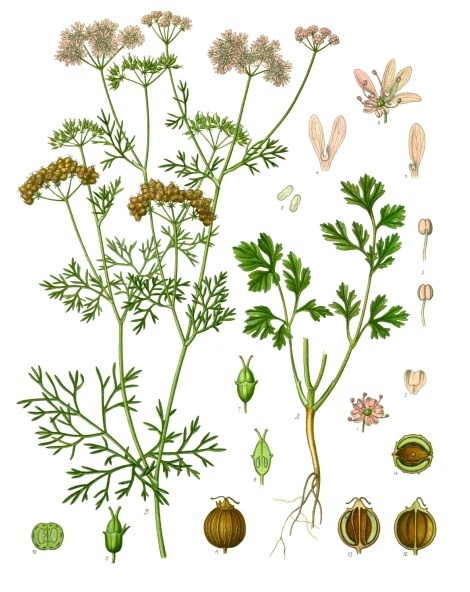
Context & common problems
- Leaf vs seed confusion: same plant (Coriandrum sativum). Leaves and stems are called cilantro; dried fruits are called coriander seeds.
- Bolting too soon: warm temps and drought push the plant to flower quickly, shrinking leaf harvests.
- Flavor fade: pre-ground coriander loses aroma fast; whole seeds keep it longer.
How-to framework: how to grow coriander for leaves and seed
1) Site, soil, and sowing
- Light: full sun in cool seasons; in hotter climates, give light afternoon shade.
- Soil: well-drained, loamy, rich in organic matter. Aim for consistently moist, not soggy.
- Sow direct: coriander dislikes transplant shock. Scatter seeds ¼–½ inch deep, spacing clumps 2–3 inches apart in rows or a wide bed.
- Thin early: to about 6 inches between plants for leaf growth; closer spacing is fine if you plan to harvest young.
2) Watering, feeding, and care
- Moisture: steady water prevents bitterness and bolting. Mulch lightly to hold moisture.
- Feeding: mix compost at planting; heavy fertilizing isn’t needed.
- Pests: watch for aphids and leaf miners; remove damaged leaves and encourage beneficial insects.
3) Bolt control and successions
- Cool timing: sow in early cool windows and again after peak heat.
- Succession-sow: plant a small patch every couple of weeks for steady leaves.
- Harvest strategy: pick outer leaves often to slow bolting. When stems elongate and buds appear, switch to seed mode.
4) Harvesting cilantro leaves and coriander seeds
- Leaves: snip in the morning once plants are several inches tall. Avoid stripping a single plant bare.
- Green seeds (fresh): when umbels are still green and fragrant, you can use soft “green coriander” for quick pickles and sauces.
- Dry seeds: once seedheads turn tan and dry, cut whole umbels into a paper bag. Let them finish drying, then rub to release seeds. Winnow off chaff.
- Storage: keep whole seeds in airtight jars away from light and heat.
5) Check seedheads before storage
Choose a dry day for the final harvest whenever possible. Seedheads should feel papery rather than soft, and the seeds should release from the umbel with light rubbing. If they still feel flexible or cool to the touch, leave them in the paper bag in a dry, ventilated place a little longer before jarring.
- Harvest separately: keep the earliest tan seedheads apart from greener ones so the batch dries evenly.
- Label the jar: note the crop and harvest year; use the most fragrant seeds first for cooking.
- Save only sound seed: discard visibly moldy, damp, or damaged material instead of mixing it into a clean batch.
How-to framework: how to use coriander seeds in the kitchen
1) Quick techniques that unlock flavor
- Toast: warm seeds in a dry skillet until aromatic, then cool. This deepens citrusy, nutty notes.
- Crack or grind: crush in a mortar or pulse in a grinder. Use soon after grinding.
- Bloom in fat: sizzle cracked seeds briefly in oil or ghee before adding other ingredients.
- Tea & infusions: lightly bruised seeds can be steeped for a gentle, lemony spice tea.
2) Pairings and ideas
- Vegetables: carrots, beets, squash, cauliflower.
- Legumes: chickpeas, lentils, bean soups.
- Meats & fish: dry rubs with cumin, black pepper, garlic.
- Pickles & brines: classic with dill seed, mustard seed, bay.
- Spice blends: combines well with cumin, fennel, cardamom, chili.
Tips & common pitfalls
- Tip: For extra-leafy plants, choose varieties labeled for leaf production; for spice, let a portion bolt and set seed.
- Tip: Stagger a few small sowings instead of one big planting.
- Mistake: Overwatering containers; ensure pot drainage.
- Mistake: Storing ground coriander long-term; grind in small batches only.
Decision: quick chooser
- Want lots of cilantro leaves? Grow cool-season, harvest often, and resow regularly.
- Want your own coriander spice? Let later plantings flower and dry; bag seedheads to catch shattering seeds.
- Cooking tonight? Toast whole seeds, crack, and bloom in oil for a fast citrus-nutty lift.
FAQ
Can I grow coriander in pots?
Yes. Use a wide container with drainage, quality potting mix, and steady moisture. Sow direct and thin lightly.
Is the root usable?
Yes. Many cuisines use fresh roots for bold flavor. Harvest from clean, unsprayed beds and scrub well.
Green seeds vs dry seeds?
Green seeds are soft, bright, and citrusy for quick uses. Dry seeds are shelf-stable and best toasted then ground.
Safety
- Allergies: coriander belongs to the Apiaceae family. People allergic to coriander, celery, or related spices should avoid it and products containing it.
- Pesticide caution: harvest seeds only from plants grown in clean, unsprayed soil. Do not save seed from ornamentals treated with systemic pesticides.
- Kitchen safety: cool toasted seeds before grinding; store spices airtight to prevent rancidity.
- Pregnancy & meds: culinary amounts are typical in food. For concentrated extracts or supplements, consult a clinician.
Sources
- Growing cilantro/coriander — University of Minnesota Extension (extension.umn.edu)
- Coriander profile — Wisconsin Horticulture Extension (hort.extension.wisc.edu)
- Coriander grow guide — Royal Horticultural Society (rhs.org.uk)
- Spice allergy overview — AAAAI (aaaai.org)
Conclusion
Plant coriander once for two payoffs: fresh cilantro now and fragrant coriander seeds later. Keep it cool, water steadily, harvest often, then toast and grind your homegrown spice just before cooking. Simple, fresh, and full of citrusy warmth.
Related collection
Explore Seed Collections
See seed varieties and growing-related collections.
Browse Seed CollectionsProducts and collections are presented for general ingredient, culinary, botanical, craft, or gardening use. Content on this site is educational only and is not medical advice.
Leave a comment