

Windowsill Edibles for Apartment Renters With No Yard
Best Edible Plants for Apartment Renters With One Sunny Kitchen Windowsill
A kitchen windowsill can grow useful edible plants when you focus on compact herbs, microgreens, leafy greens, and regrow scraps instead of high-light fruiting crops. Basil, parsley, chives, mint, cilantro, thyme, microgreens, leaf lettuce, and green onions are the most practical choices for a renter who wants fresh flavor without outdoor space. Most culinary herbs need four to six hours of bright light indoors, while fruiting crops often need stronger light and a larger setup, according to University of Minnesota Extension.
Byline: Reviewed by The Rike editorial team — sustainability + horticulture practitioners since 2019.

Who This Kitchen Windowsill Garden Is For
This setup is for apartment renters, small-space cooks, and beginners with one bright kitchen window. It works best when the goal is a handful of fresh basil for pasta, clipped chives for eggs, mint for tea, or microgreens for sandwiches, not a full grocery replacement.
The Rike’s practical rule is simple: grow what you already cook with, keep the setup low-waste, and build skill before buying high-input gear. A windowsill garden can start with drainage pots, saucers, indoor potting mix, seeds or starter plants, clean scissors, and a window that gets dependable bright light.
For the 2025 growing season, this small approach is especially useful for renters who cannot alter walls, balconies, or shared outdoor areas. Choose reusable pots, compostable starting supplies where they make sense, and seed packets that match your actual meals.
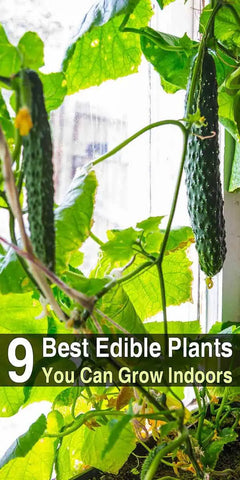
Best Edible Plants To Grow On A Kitchen Windowsill
Herbs are the easiest starting point because small harvests still make a meal taste fresher. Basil likes warmth, steady moisture, and strong light. Parsley and cilantro tolerate slightly cooler conditions but bolt or fade if they sit dry for too long. Chives are compact and forgiving, but they must be kept away from pets because chives and other Allium species are toxic to cats and dogs, according to the ASPCA.
Mediterranean herbs need a different hand than leafy herbs. Thyme and rosemary prefer a faster-draining mix and dislike sitting wet, while basil, parsley, and cilantro usually want more even moisture. If your window is bright but your kitchen runs cool, thyme and chives are often more patient than basil.
Fast greens are the next best category. Microgreens are practical on a windowsill because they are harvested young and do not need deep containers. Many microgreens are ready in seven to twenty-one days depending on crop type, according to Penn State Extension. Leaf lettuce, arugula, and baby spinach can also work as cut-and-come-again greens if you accept small harvests.
Regrow scraps are useful for practice, not abundance. Green onion bases can send up fresh tops in water or potting mix. Celery bases and lettuce cores may push tender leaves, but they usually do not become full heads indoors. Treat them as a low-cost learning project for children, roommates, or new gardeners.
Dwarf tomatoes, peppers, and strawberries belong in the advanced category. They can grow indoors, but a typical kitchen window is often too weak for reliable flowering and fruiting. If you want those crops, plan for larger containers, pollination help, and a grow light rather than treating them as easy no-light beginner plants.
How To Set Up A Productive Kitchen Windowsill Garden
Pick the brightest window you have. South- or west-facing windows usually give the strongest light, while an east-facing window can work for lower-light herbs and greens. A north-facing kitchen is better suited to microgreens and experiments unless you add supplemental lighting.
Use containers with drainage holes and saucers. Drainage matters because excess water around roots raises the risk of root problems in indoor containers, and Clemson Cooperative Extension advises using pots with drainage holes for houseplants at HGIC 1459. A pretty mug or bowl can be used as an outer cachepot only if the plant sits inside a drained nursery pot and excess water is emptied after watering.
Fill pots with indoor potting mix, not outdoor garden soil. Garden soil can compact in containers and may bring in insects, weed seeds, or disease organisms; University of Minnesota Extension recommends sterile seed-starting or soilless mixes for indoor seed starting at its indoor seed guide. Potting mix also stays lighter around tender roots.
Rotate pots every few days so stems do not lean hard toward the glass. If seedlings stretch, pale out, or flop, the light is too weak or the plants are crowded. Move the pot closer to the brightest safe spot, thin extra seedlings, or switch to crops that tolerate lower indoor light.
Care Routine: Light, Water, Feeding, And Harvesting
Check moisture before watering instead of watering on a calendar. For many herbs, water when the top inch of mix feels dry; this moisture-check method is recommended for container plants by Clemson Cooperative Extension at HGIC 1459. Mint and parsley can handle more moisture than rosemary and thyme, so group plants by water preference when possible.
Harvest herbs by pinching or cutting just above a leaf node. That keeps basil, mint, and many leafy herbs bushier. Avoid stripping every large leaf at once; a small plant needs enough foliage left to keep growing.
Thin seedlings early. Crowded basil, cilantro, lettuce, and arugula compete for light and airflow, which makes them weak and leggy. Snip extras at soil level with clean scissors instead of yanking roots through the pot.
Feed lightly only after seedlings are established and actively growing. Indoor windowsill plants are small, so heavy fertilizer can push soft, weak growth or salt buildup in the potting mix. If growth stalls after repeated harvests, use a diluted organic fertilizer and water until excess drains into the saucer, then empty the saucer.
Common Windowsill Garden Pitfalls And Food Safety
The most common mistake is overwatering herbs in containers with no drainage. Wet soil plus a dim window is hard on roots, especially for rosemary and thyme. If a plant wilts in wet soil, adding more water usually makes the problem worse.
Another mistake is treating all herbs the same. Basil, parsley, cilantro, and mint usually want more consistent moisture. Rosemary and thyme prefer brighter light, air movement, and a drier rhythm between waterings.
Do not start too many plants in tiny containers. A crowded windowsill may look productive for a week, then turn into stretched seedlings with weak stems. Start with a few high-use plants and repeat sowings of microgreens rather than cramming every seed packet into one tray.
For food safety, use food-safe containers, clean scissors, and clean water. Keep edible plants away from cooking grease, dish soap spray, and pet access. The FDA advises washing hands and preparation surfaces before handling fresh produce at its produce safety guide, and the same habit fits homegrown windowsill greens.
Quick Facts
- Best beginner plants: Basil, parsley, chives, mint, microgreens, leaf lettuce, arugula, and green onions are compact enough for most bright kitchen windows.
- Light target: Many culinary herbs need four to six hours of bright light indoors, according to University of Minnesota Extension.
- Microgreen harvest: Many microgreens are ready in seven to twenty-one days, depending on crop, according to Penn State Extension.
- Container rule: Use pots with drainage holes because indoor containers need a way for excess water to leave the root zone, according to Clemson Cooperative Extension.
- Pet caution: Chives and other Allium plants are toxic to cats and dogs, according to the ASPCA.
Limitations & Caveats
- Not ideal for dim north-facing kitchens unless you choose microgreens or add a grow light.
- Not a good method for large harvests, canning quantities, or replacing weekly produce shopping.
- Not suitable for homes with plant-chewing pets unless toxic herbs are excluded or grown behind a reliable barrier.
FAQ
What edible plants grow best on a kitchen windowsill?
Compact herbs, microgreens, leafy greens, and green onion regrowth grow best on a kitchen windowsill. Start with basil, parsley, chives, mint, cilantro, thyme, microgreens, leaf lettuce, arugula, and green onions. Choose plants you cook with often, because a windowsill garden is strongest as a flavor station, not as a high-volume vegetable plot.
Can I grow herbs indoors without a grow light?
Yes, you can grow some herbs indoors without a grow light if the window is bright enough. Basil, parsley, chives, mint, cilantro, thyme, and rosemary can work in a sunny window, but growth slows in weak winter light. If stems stretch, leaves pale, or plants lean sharply, switch to lower-light greens or add supplemental lighting.
How often should I water a windowsill herb garden?
Water when the potting mix indicates the plant needs it, not on a fixed schedule. For many herbs, the top inch should feel dry before watering, while mint and parsley may need moisture sooner than rosemary or thyme. Use a pot with drainage, water thoroughly, and empty the saucer so roots are not left sitting in water.
Which edible indoor plants are safe around cats and dogs?
Pet safety depends on the exact plant and the animal. Avoid chives, onions, garlic, and other Allium plants around cats and dogs because the ASPCA lists chives as toxic. Before growing edible plants within pet reach, check each species with a veterinary toxic plant database and place risky plants behind a secure barrier.
Why are my indoor herbs getting leggy?
Leggy herbs usually need more light, more space, or earlier harvesting. Seedlings stretch when they compete for light or sit too far from the brightest window. Thin crowded pots, rotate containers, pinch herbs above leaf nodes, and move the garden to a brighter exposure. If the kitchen stays dim, microgreens may be a better crop.
Recommended Products
For a low-waste, flavor-first setup, start with a few seeds and supplies that match your kitchen habits. Browse herb seeds for basil, parsley, cilantro, chives, and thyme; use heirloom seeds when you want open-pollinated varieties for seed-starting practice; add seed-starting supplies for microgreens and seedlings; and keep harvests tidy with small garden tools. The best windowsill garden is the one you keep using after the first flush of excitement fades.
Related collection
Explore Related Collections
Browse culinary and botanical collections related to this topic.
Browse Ingredient CollectionsProducts and collections are presented for general ingredient, culinary, botanical, craft, or gardening use. Content on this site is educational only and is not medical advice.
Leave a comment