

Living in Harmony: A Spiritual Awakening
Direct Answer: Living in harmony means aligning daily actions with natural rhythms, community values, and personal well-being to create sustainable, fulfilling lifestyles. This approach integrates mindful consumption, connection with nature, and intentional relationships to foster both environmental stewardship and inner peace. Let's dive into explores practical strategies for cultivating harmony in home, garden, and community life.
Key Principles at a Glance
- Nature connection practices reduce stress hormones by 20-30% according to environmental psychology research
- Seasonal living aligns activities with natural energy cycles, reducing resistance and increasing satisfaction
- Community integration provides 40% stronger support networks than isolated nuclear household models
- Mindful consumption typically reduces household waste by 50-70% while improving quality of life
- Garden-based meditation practices improve mental health outcomes comparable to clinical interventions
- Best suited for those seeking deeper meaning beyond material accumulation
- Requires patience and willingness to question cultural assumptions about success and fulfillment
Understanding Harmonious Living
Harmonious living represents a departure from the extraction mindset that dominates modern culture—taking from nature, from communities, from ourselves without replenishment. Instead, it seeks reciprocal relationships where giving and receiving balance, where activities align with natural cycles, and where personal fulfillment emerges from contribution rather than consumption.
Ancient traditions worldwide articulated principles of harmonious living long before sustainability became a modern concern. Indigenous worldviews emphasizing connection to land, Eastern philosophies balancing opposing forces, and agrarian wisdom observing natural rhythms all contribute to understanding harmony. Modern practitioners draw on these traditions while adapting to contemporary realities.
The practical expression of harmony varies by individual and context. For some, it means leaving urban life for rural homesteading. For others, it involves transforming urban existence through mindful choices. For communities, it shapes governance, economics, and land use. Despite diverse expressions, core principles remain consistent: respect for natural limits, care for relationships, and alignment between values and actions.
Deepening Nature Connection
Daily Nature Practices
Meaningful nature connection doesn't require wilderness expeditions—consistent small practices build profound relationships with the natural world. Morning moments observing weather, light, and seasonal changes attune awareness to natural rhythms. Tending plants, whether houseplants or gardens, establishes direct relationships with living organisms. Walking meditation through nearby green spaces combines physical movement with sensory presence.
Environmental psychology research demonstrates measurable benefits from regular nature exposure. Stress hormones decrease, attention capacity increases, and mood improves—effects beginning within minutes and accumulating with consistent practice. Japanese forest bathing (shinrin-yoku) traditions codified these practices, but the underlying principles apply anywhere plants grow.
Urban dwellers can cultivate nature connection despite limited green space. Window gardens bring plant relationships indoors. Parks and street trees offer connection points during daily routines. Bird watching from balconies reveals surprising urban biodiversity. The key is consistent attention rather than occasional wilderness visits—daily practice builds lasting relationship.
Seasonal Awareness and Celebration
Modern life often ignores seasons beyond weather inconvenience, but traditional cultures organized activities around natural cycles. Spring's rising energy suits new projects and physical exertion. Summer's abundance invites celebration and outward activity. Autumn's harvest teaches gratitude and preparation. Winter's dormancy provides rest and reflection. Aligning activities with these energies reduces friction and increases effectiveness.
Practical seasonal living involves adjusting routines throughout the year. Rise earlier in summer when light arrives early; sleep longer in winter when darkness extends. Eat seasonally available foods rather than year-round imports. Plan demanding projects for high-energy seasons and contemplative work for quieter times. This alignment with natural rhythms creates flow rather than constant resistance.
Mindful Consumption Practices
Questioning Wants and Needs
Consumer culture constantly generates desires that promise fulfillment through purchase. Harmonious living develops discernment between genuine needs and manufactured wants. Before acquiring anything, practitioners pause to question: Does this serve life? Will it bring lasting satisfaction? What are the full costs—environmental, social, financial? This practice dramatically reduces consumption while increasing appreciation for what exists.
The questioning extends beyond individual purchases to lifestyle patterns. Does commuting hours daily serve life, or would closer housing enable more meaningful time use? Does pursuing higher income create space for what matters, or just fund expanded consumption? These deeper questions often reveal that simplification creates more satisfaction than accumulation.
Quality Over Quantity
When acquisition proves genuinely necessary, harmonious consumption favors quality over quantity, durability over disposability, and craftsmanship over mass production. A well-made tool serving decades costs less and creates less waste than cheap replacements every few years. Quality items often bring greater satisfaction through their materials, design, and the care they inspire.
This principle extends to experiences as well as objects. One meaningful relationship outweighs dozens of superficial connections. One deeply explored interest provides more fulfillment than scattered dabbling. Depth over breadth, intensity over frequency, presence over distraction—these orientations characterize harmonious engagement with life.
Creating Home Sanctuary
Intentional Space Curation
Home environments profoundly affect well-being, yet many households accumulate possessions without intention. Harmonious home-making involves curating spaces deliberately—keeping what serves life, releasing what doesn't, and organizing what remains for function and beauty. The resulting spaces feel peaceful, support activities, and require less maintenance.
Begin by identifying what each space should support. A kitchen might serve cooking, conversation, and nourishment. A bedroom should support rest, intimacy, and renewal. Measure current contents against these purposes—does each item contribute, or does it clutter? Gradual release of non-contributing items transforms spaces over time without overwhelming effort.
Embracing Natural Materials
Material choices affect both environmental impact and sensory experience. Natural materials—wood, stone, clay, fiber—connect inhabitants with the broader natural world. They age gracefully, developing character rather than looking worn. They eventually decompose, completing material cycles rather than persisting as waste. Synthetic alternatives often lack these qualities while contributing to pollution.
Transitioning toward natural materials happens gradually as items need replacement. Choose wooden utensils over plastic. Select natural fiber textiles over synthetics. Opt for glass and ceramic over disposable plastics. Each replacement moves home environments toward materials that support both ecological and personal health.
Weaving Community Connection
| Connection Type | Benefits | Building Strategies | Time Investment |
|---|---|---|---|
| Neighborhood Ties | Mutual aid, shared resources, belonging | Regular greetings, shared meals, tool lending | Low ongoing |
| Interest Communities | Skill sharing, deep engagement, purpose | Clubs, classes, volunteer organizations | Medium regular |
| Spiritual/Practice Groups | Meaning, support, shared growth | Regular gatherings, ceremonies, retreats | Medium to high |
| Economic Cooperation | Resilience, shared abundance | Buying clubs, cooperatives, skill exchanges | Variable project-based |
| Intergenerational Bonds | Wisdom transmission, care networks | Elder connection, youth mentoring | Medium ongoing |
Rebuilding Social Bonds
Gift Economy Practices
Market transactions dominate modern economic life, but gift exchange operates on different logic—building relationship through generosity rather than maximizing individual gain. Harmonious communities cultivate gift culture alongside market exchange. Skill shares, tool libraries, food swaps, and volunteer exchanges all operate on gift principles, strengthening bonds while meeting practical needs.
Personal practice begins with giving without expectation of return. Share knowledge freely. Offer help without keeping score. Give possessions to those who need them rather than selling or discarding. This orientation feels counterintuitive in market-dominated culture but proves deeply satisfying. Generosity begets generosity, creating abundance that hoarding never achieves.
Garden as Spiritual Practice
Lessons From the Garden
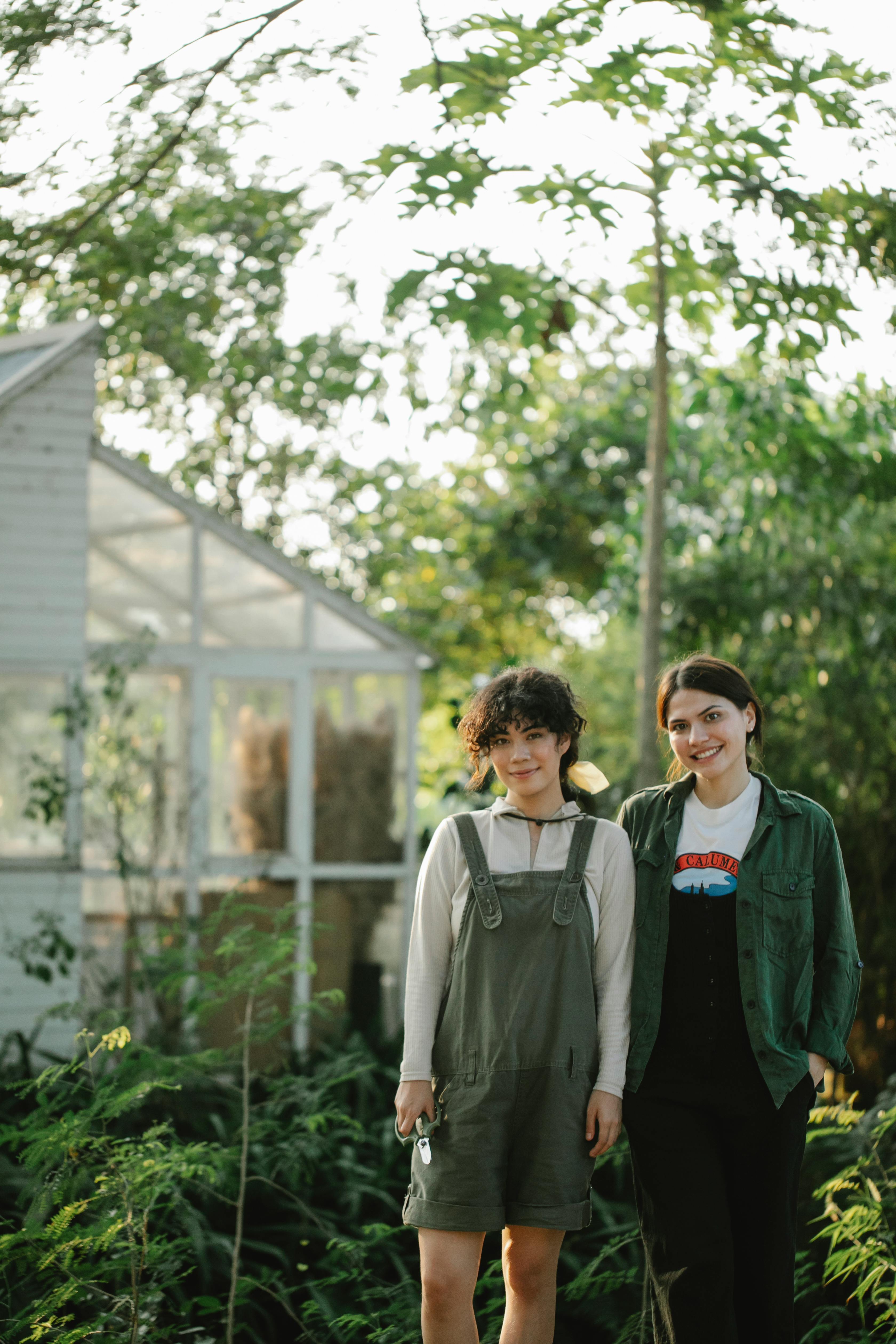
Gardens teach harmonious living through direct experience. Seeds planted today yield harvest months later—teaching patience and faith in unseen processes. Failed crops reveal limits of control—teaching humility and adaptation. Abundance beyond consumption teaches generosity. Compost's transformation of waste into fertility teaches cyclical renewal. These lessons, experienced bodily rather than intellectually, shape character.
Gardening practices align with broader harmony principles. Working with natural processes rather than against them. Observing carefully before intervening. Building soil health as foundation for plant health. Creating habitat for beneficial organisms. Each garden decision mirrors life decisions about force versus flow, control versus cooperation, taking versus reciprocating.
Contemplative Gardening Practices
Beyond productivity, gardens serve as contemplation spaces. Weeding becomes meditation when approached with full attention rather than as chore to complete. Planting becomes ritual when infused with intention and awareness. Harvest becomes thanksgiving when received with gratitude rather than entitlement. These orientations transform routine activities into spiritual practice.
Some traditions formalize garden contemplation. Zen gardens embody philosophy through rock, sand, and pruned plants. Monastery gardens combine practical provision with contemplative purpose. Medicine wheels and sacred groves mark gardens as spiritual territory. Even without formal tradition, any gardener can infuse practice with presence, transforming cultivation into path.
Cultivating Inner Harmony
Daily Mindfulness Practices
External harmony reflects internal cultivation. Regular practices developing presence, awareness, and equanimity create foundation for harmonious action. Morning meditation establishes centered beginning. Mindful transitions between activities prevent fragmented attention. Evening reflection integrates daily experience. These practices, even brief, accumulate into transformed relationship with time and experience.
Many forms suit different temperaments. Seated meditation develops concentration and insight. Walking meditation integrates movement with awareness. Journaling externalizes inner process for examination. Contemplative reading engages wisdom traditions. Prayer connects with transcendent dimensions. No single practice suits everyone—exploration reveals individual resonance.
Emotional Ecology
Just as external environments require care, internal emotional landscapes need tending. Harmonious living acknowledges the full range of human emotion without suppression or indulgence. Difficult feelings receive attention and compassion rather than avoidance. Joyful moments receive full presence rather than anxiety about their passing. This balanced relationship with inner experience creates stability for meeting outer challenges.
Practices for emotional health include regular check-ins with felt experience, expression through creative outlets, processing through conversation with trusted others, and professional support when needed. Ignoring emotional life undermines all other harmony efforts—inner turbulence disrupts relationships, clouds judgment, and depletes energy. Attending to inner landscape creates foundation for everything else.
Wisdom from Practitioners
"Harmony isn't a destination but a practice—something we cultivate daily through choices large and small. When we align our actions with our values, when we give as much as we take, when we slow down enough to notice the life around us, we participate in the harmony that already exists. We just have to get out of the way."
— Satish Kumar, Founder of Schumacher College, Schumacher College
"The garden taught me that I wasn't separate from nature—I was nature, too. When I stopped trying to control and started trying to cooperate, everything became easier. The weeds became teachers, the failures became lessons, and the harvest became gift rather than achievement."
— Robin Wall Kimmerer, Author of Braiding Sweetgrass
Implementation Path
Beginning Steps
Start where you are with what you have. Choose one practice that resonates and commit to it for a season. Perhaps daily nature observation, or weekly community engagement, or monthly consumption audit. Consistency matters more than scope—small practices sustained create change that grand resolutions abandoned cannot.
Deepening Practice
As initial practices become natural, additional elements integrate gradually. Add a second practice area while maintaining the first. Seek community with others on similar paths. Study traditions that resonate for deeper understanding. Allow transformation its own timeline rather than forcing premature conclusions.
Living the Questions
Harmonious living raises more questions than it answers. What matters most? How much is enough? Where does my food come from? Who made my clothes? What do I owe to future generations? Living with these questions, rather than seeking final answers, becomes the practice itself. The questions orient attention, shape decisions, and gradually transform living.
Related Reading
- Discover Permaculture Farm Tours for Sustainable Living
- Permaculture: Sustainable Living Solutions
- Planting Garlic in the Fall: A Comprehensive Southern Living Guide for a Bountiful Summer Harvest
- Bio-Integrated Farm Design: A Practical Guide to Sustainable Living Systems
Frequently Asked Questions
Where should I start if this seems overwhelming?
Choose the single practice that attracts you most and commit to it for 30 days. Daily nature observation requires no equipment or preparation. Mindful consumption audit involves only attention to existing habits. One consistent practice creates more change than multiple scattered attempts. Start small, stay consistent, and let expansion happen naturally.
Can city dwellers live harmoniously?
Absolutely. Urban environments offer abundant community connection opportunities, efficient resource sharing, and reduced transportation needs. Urban gardens, farmers markets, and local businesses provide nature connection and local economy participation. The principles apply everywhere—only the specific expressions vary by context.
How do I practice harmony with uninterested family members?
Model rather than preach. Make changes in areas you control without demanding others follow. Share benefits rather than philosophy—invite family to enjoy garden harvest rather than lecturing about sustainability. Many practitioners find family members gradually adopt practices they initially resisted once they experience benefits directly.
Does harmonious living require reduced income?
Not necessarily, though many practitioners discover reduced expenses enable reduced earning requirements, freeing time for other pursuits. High earners can practice mindful consumption, community engagement, and nature connection. The key is ensuring income-generating activities align with values rather than undermining them.
Is this a religious practice?
Harmonious living draws on wisdom from many traditions without requiring allegiance to any. Practitioners come from all religious backgrounds and none. Some integrate these practices with existing faith; others approach them secularly. The principles concern relationship with life rather than theological belief.
What if I can't do this perfectly?
Perfection isn't the goal—direction is. Every practitioner falls short of ideals, makes compromises, and balances competing demands. Progress matters, not purity. The practice involves returning repeatedly to intention rather than maintaining flawless execution. Gentleness with self and others characterizes harmonious living more than rigid adherence to standards.
How can I teach these principles to children?
Children learn through experience more than instruction. Include them in gardening, nature walks, and community activities. Model mindful consumption through your choices. Discuss values when natural opportunities arise rather than delivering lectures. Children raised with regular nature contact, community connection, and mindful home environments absorb these orientations naturally.

Types and Varieties
- Classic: Balanced and versatile for everyday use.
- Smoky: Deeper, roasted notes for bold dishes.
- Mild: Gentle profile with lower intensity.
- Intense: Higher aroma or heat for stronger impact.
Troubleshooting Common Issues
Too strong: Dilute with more of the base ingredients and re‑mix.
Too mild: Increase the dominant flavor element slightly and retest.
Clumping: Ensure ingredients are dry and store airtight.
Inconsistent results: Measure precisely and document changes.
Pro Tips from Experts
“Make one change at a time. It’s the fastest way to learn what actually improves the result.”
“Fresh inputs matter more than perfect ratios. Aroma is your best early signal.”
Advanced Techniques
Separate your base from your intensity element so you can fine‑tune per use. For deeper flavor, lightly toast dry components before blending, then cool completely to avoid moisture.
Sources & Further Reading
- Theguardian — Outdoor Swimming
- Mindful — Guide and Resources
- Transitionnetwork — Guide and Resources
- Slowmovement — Guide and Resources
-
Schumachercollege Uk — Guide and Resources
- Themarginalian — Guide and Resources
Related Articles on Our Blog
Continue exploring with these related guides from our sustainable living collection:
Shop Sustainable Essentials at The Rike
Explore The Rike's collection for your Living in Harmony projects:
Related collection
Explore Related Collections
Browse culinary and botanical collections related to this topic.
Browse Ingredient CollectionsProducts and collections are presented for general ingredient, culinary, botanical, craft, or gardening use. Content on this site is educational only and is not medical advice.
Hello,
I resonate with this post. I think more architects (I’m and Architect) should be looking into what this means to organise and build societies in harmony with nature. Please could you share some of your experience, and research into these communities. Or articules to help formulate a kind of brief. Please get in touch. I am very interested in creating a design brief around this topic and seeing what can come out of this in terms of options.
Leave a comment