

Compost & Soil Mix Guide for Urban Balcony Growers
🌿 Direct Answer
For urban balcony growers: Use a lightweight, soilless mix with 10–20% sifted compost by volume—never garden soil. Combine 40% coco coir or peat, 40% perlite/pumice, and 20% finished compost for containers. Always check drainage: water should flow freely within 3 seconds. Avoid fresh manure or sour-smelling compost—it burns roots in confined spaces.
TL;DR: Urban balcony growers need fast-draining, nutrient-balanced mixes. Use 10–20% finished compost in a soilless base (coco/peat + perlite). Test with a squeeze-and-poke: it should clump then crumble. Skip heavy soils—they suffocate potted roots.
Why This Matters for Balcony Gardeners
Container gardening on balconies demands precision. Poor drainage = root rot. Too much compost = salt burn. Too little = starvation. Your mix must balance moisture retention, aeration, and nutrients—all in a lightweight format that won’t overload railings or floors.
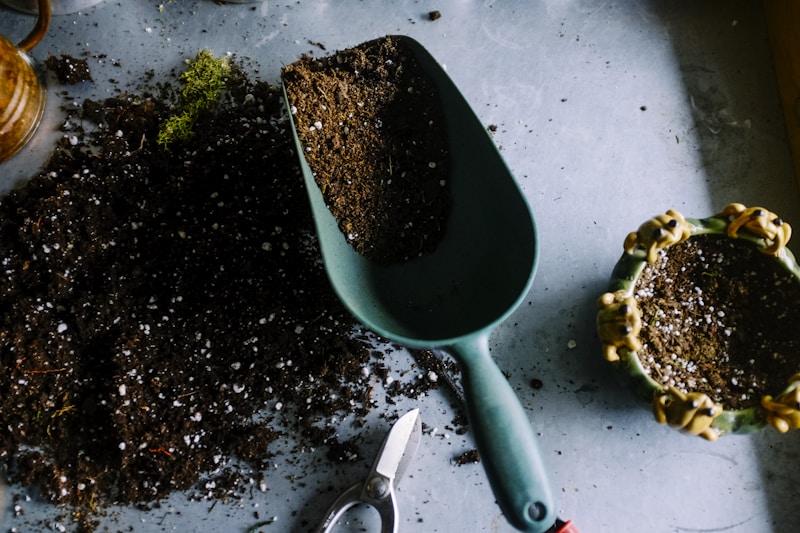
"In container systems, soil biology is limited—so every ingredient must earn its place."
Step-by-Step Mix Guide for Balcony Containers
1) Base Layer: Drainage First
- Add 1–2 inches of gravel or broken pottery at the pot’s bottom.Cover with landscape fabric to prevent mix washout.
2) Core Mix Recipe (by volume)
- 40% coco coir or peat moss (moisture retention)
- 40% perlite or pumice (aeration & weight reduction)
- 20% sifted, finished compost (nutrients)
Pro tip: Sift compost through a ½-inch mesh to remove large chunks that block drainage.
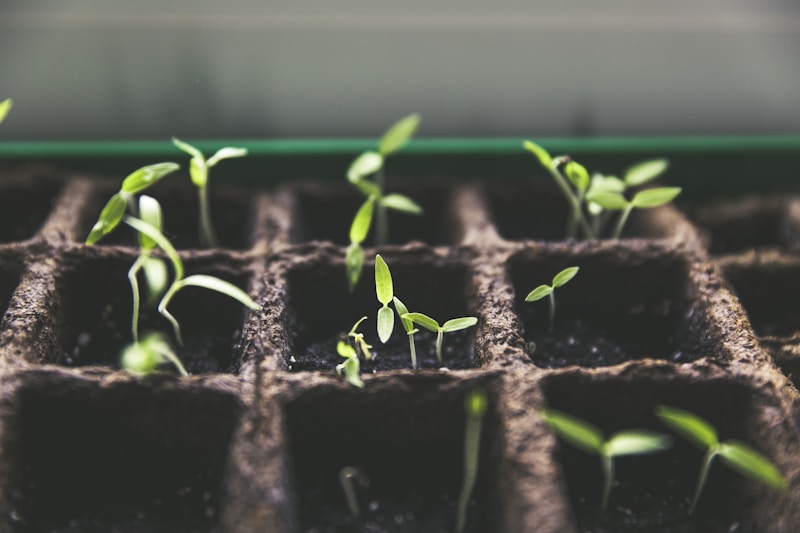
3) Plant-Specific Adjustments
- Herbs (basil, thyme): Reduce compost to 10%—they prefer lean soil.
- Tomatoes/peppers: Keep at 20% compost + extra perlite for fruiting.
- Leafy greens: 15–20% compost for steady nitrogen.
Quality Checks for Small Spaces
- Smell test: Earthy = good. Sour/ammonia = unfinished—do not use.
- Squeeze test: Moisten a handful. It should hold shape briefly, then crumble when poked.
- Drainage test: Pour 1 cup water into filled pot. It should drain fully in under 5 seconds.
pH & Amendments for Containers
- Most balcony veggies thrive at pH 6.0–7.0.
- Compost naturally buffers pH—test only if plants show deficiency signs.
- Acid-loving plants (e.g., strawberries): Use 10% compost + peat-based mix; avoid lime.
- Too alkaline? Add a pinch of elemental sulfur per gallon of mix.
Quick Chooser for Balcony Setups
- Shallow pots (<8"): 10% compost + extra perlite (fast drying)
- Deep pots (12"+): 20% compost + standard perlite
15% compost + vermiculite for moisture retention - Seed starting: Zero compost—use sterile seed mix only
Troubleshooting Balcony-Specific Issues
- Water pools on surface: Mix is too fine—add 10% more perlite.
- Plants wilt despite wet soil: Root rot from poor drainage—repot with grittier mix.
- White crust on soil: Salt buildup—flush with 3x pot volume of water.
- Fungus gnats: Let top inch dry between waterings; cover soil with sand.
Pro Tips & Common Mistakes
- ✅ Do: Mix in a tub or tarp for even consistency.
- ✅ Do: Refresh mix annually—compost degrades in containers.
- ❌ Don’t: Use garden soil—it compacts and may harbor pests.
- ❌ Don’t: Over-compost—more isn’t better in small volumes.
- ❌ Don’t: Skip pot weight limits—wet soil can exceed balcony load capacity.
Related Reading
- Choosing the Right Planting Style for Your Herb Garden
- Daisy Fleabane in Pots: The Right Soil Mix for Thriving
- Don’t Toss Eggshells: Garden Gold for Soil, Plants & Compost
- Shop Balcony-Ready Soil Amendments at The Rike
FAQ
How often should I refresh container mix?
Every 12–18 months. Compost breaks down and loses structure—replace 30–50% of old mix with fresh blend each spring.
Can I use bagged potting soil?
Yes—but check the label. Avoid mixes with “moisture control” gels (they stay too wet for balconies). Boost drainage by adding 25% perlite.
Is coco coir sustainable?
Yes—it’s a coconut byproduct. Rinse well to remove residual salts, especially if growing edibles.
Sources
- Washington State University Extension — Soil Science for Container Gardening
- Oregon State Extension — Using Compost in Yard & Garden
- University of California ANR — Compost in Containers (Publication 403643)
- USDA NRCS — Soil Quality Indicators: Organic Matter
Conclusion
For balcony growers, less is more: lightweight, well-drained, and precisely composted. Stick to 10–20% finished compost in a soilless base, test drainage religiously, and refresh annually. Your plants—and your building’s structural engineer—will thank you.
Shop Balcony Garden Essentials at The Rike
Find curated, space-saving soil amendments and organic composts perfect for container gardening:
Related collection
Explore Seed Collections
See seed varieties and growing-related collections.
Browse Seed CollectionsProducts and collections are presented for general ingredient, culinary, botanical, craft, or gardening use. Content on this site is educational only and is not medical advice.
Leave a comment