

Herbal Teas for Mild Stomach Discomfort: Safety and Evidence
When experiencing mild, occasional digestive discomfort—such as temporary bloating, minor fullness after a large meal, or light nausea—a warm cup of herbal tea can offer a comforting, hydrating ritual. Simple infusions brewed from botanicals like ginger, peppermint, chamomile, or fennel have long been valued across cultures for their gentle warmth and pleasing aromas. While herbal teas are pleasant beverages rather than medical treatments, their warmth and plant compounds can support a sense of digestive relaxation and warmth. Understanding what scientific evidence shows, recognizing safety cautions, and knowing when abdominal symptoms require prompt medical care allows you to incorporate these botanicals into your personal wellness routine safely and effectively.
When to Seek Immediate Medical Care
Before exploring home approaches for stomach discomfort, it is essential to recognize that abdominal symptoms can sometimes signal a serious underlying medical emergency. Herbal infusions are intended solely for mild, brief, everyday issues brought on by factors like overeating or temporary stress. They must never be used to self-treat or manage severe, sudden, or persistent abdominal pain.
Seek immediate emergency medical evaluation if you experience any of these red-flag warning signs:
- Sudden, sharp, or severe pain anywhere in the abdomen
- Vomiting blood or dark material that resembles coffee grounds
- Blood in your stool, or unusually dark, black, or tarry bowel movements
- An abdomen that feels hard, rigid, swollen, or tender to light pressure
- Trouble breathing, or abdominal pain accompanied by pain in your chest, neck, or shoulders
- Inability to pass stool or gas, particularly when combined with repeated vomiting
- Significant abdominal pain or cramping during pregnancy
- High fever, severe dizziness, lightheadedness, confusion, or signs of dehydration
- Digestive symptoms that persist for several days, recur frequently, or steadily worsen over time
Herbal tea cannot replace professional medical diagnosis, laboratory testing, or prescribed clinical care. If you are ever uncertain about the cause or severity of your symptoms, review clinical guidance on evaluating abdominal pain from MedlinePlus before trying self-care measures.
Understanding Stomach Discomfort and Its Causes
The term "stomach ache" is a broad phrase used to describe a wide range of uncomfortable sensations throughout the upper and lower abdomen. Because the human digestive system relies on a complex network of muscles, nerves, and organs, different digestive complaints stem from entirely different underlying mechanisms.
Mild, temporary stomach discomfort often relates to simple, everyday lifestyle triggers, including:
- Overeating or eating quickly: Consuming large portions rapidly stretches the stomach wall and slows natural movement through the gastrointestinal tract.
- Rich or spicy foods: Meals high in saturated fats or intense spices can delay gastric emptying and trigger temporary upper abdominal pressure or fullness.
- Trapped digestive gas: Swallowing air while eating, drinking carbonated beverages, or chewing gum can cause localized tightness and pressure.
- Stress and nervous tension: The gut and brain communicate constantly along the gut-brain axis, meaning emotional stress can alter gut contractions and heighten physical sensitivity.
However, recurring or persistent upper abdominal discomfort—often categorized medically as indigestion or dyspepsia—can also stem from underlying conditions like peptic ulcers, gastritis, gastroesophageal reflux disease, or gallbladder issues. As outlined in medical resources on indigestion treatment options from the NIDDK, long-term relief depends on identifying and addressing the specific medical cause. Warm herbal tea may feel comforting after meals, but it cannot diagnose, treat, or cure organic digestive diseases.
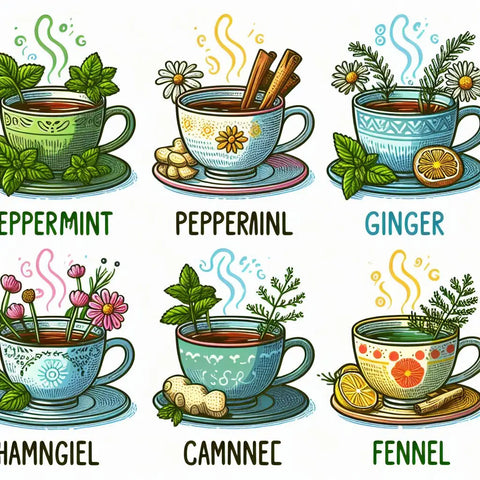
Comparing Evidence and Safety for Digestive Herbal Teas
Herbal teas feature distinct active properties, traditional uses, and safety considerations. The table below provides an evidence-aware summary of key research limits and precautions for four common digestive herbs.
| Tea | What the evidence can and cannot say | Who should use caution |
|---|---|---|
| Ginger | Clinical studies support ginger for certain types of nausea (such as morning sickness or motion discomfort). However, trials typically evaluate standardized, concentrated extracts; brewed tea yields variable compound levels and is not equivalent to a standardized study product. | People with bleeding disorders, those taking blood-thinning medications, or individuals prone to heartburn when consuming spicy preparations. |
| Peppermint | Studies demonstrate that enteric-coated peppermint oil capsules have been researched for lower bowel muscle spasms. However, peppermint leaf tea contains far lower concentrations of volatile oils, and direct human evidence for peppermint leaf tea is limited. | Individuals with gastroesophageal reflux disease (GERD), acid reflux, hiatal hernia, or gallstones, as peppermint can relax the lower esophageal sphincter. |
| Chamomile | Traditionally used to promote relaxation during times of digestive tension. Preclinical studies show smooth-muscle relaxing properties, but direct human clinical trial evidence for chamomile tea addressing stomach discomfort is limited. | People allergic to ragweed, daisies, or Asteraceae family plants; those taking blood thinners like warfarin; pregnant or nursing individuals without medical advice. |
| Fennel | Traditionally used after meals to support comfort when feeling bloated or full of gas. Laboratory models show smooth-muscle relaxing effects, but direct human clinical trial evidence for fennel seed tea in adult digestion is limited. | Individuals with allergies to Apiaceae family plants (celery, carrots). Pregnant or breastfeeding women and young children should seek clinician guidance. |
Four Herbal Tea Options for Mindful Sipping
Selecting an herbal tea depends on flavor preferences and your specific comfort needs. Here is a closer look at four traditional herbs, what scientific research indicates, and how to enjoy them safely.
1. Ginger Tea: Traditional Support for Nausea
Ginger (Zingiber officinale) is a warming botanical celebrated for its sharp, vibrant, and spicy flavor profile. Across traditional Western and Asian botanical traditions, ginger root has long been valued as a comforting choice when digestion feels sluggish or during mild, occasional nausea.
Scientific research indicates that ginger root contains active phenolic constituents, primarily gingerols and shogaols. Literature shows that ginger has been studied for nausea in specific settings, including pregnancy-related morning sickness and motion discomfort, where it appears to influence gastric motility and neurochemical receptors. However, it is essential to distinguish between scientific study products and home-brewed beverages. Clinical research almost exclusively utilizes standardized, concentrated extracts with precise dosages. Brewing a cup of organic dried ginger root tea provides a warming, pleasant infusion, but compound concentrations vary and brewed tea is not equivalent to a standardized clinical product. While generally well tolerated, strong ginger brews may cause mild oral warmth or temporary heartburn in sensitive individuals.
2. Peppermint Tea: Refreshing Post-Meal Choice
Peppermint (Mentha x piperita) is popular for its crisp, cooling taste and invigorating aromatic aroma, making it a common choice after enjoying a rich or heavy meal.
When reviewing evidence, it is critical to distinguish between different preparations. Scientific research evaluating peppermint primarily focuses on enteric-coated peppermint oil capsules, which deliver concentrated essential oils directly to the lower intestines to help manage smooth muscle contractions in conditions like irritable bowel syndrome. In contrast, peppermint leaf tea contains much lower concentrations of essential oils, and direct human research evaluating peppermint leaf tea for stomach discomfort remains limited. Furthermore, peppermint can relax the lower esophageal sphincter—the muscular valve separating the stomach from the esophagus. For individuals prone to acid reflux, drinking peppermint tea may allow acid to enter the esophagus, potentially worsening heartburn symptoms. You can review NCCIH research on peppermint oil for detailed information on these preparations.
3. Chamomile Tea: Gentle Relaxation for Mind and Body
Chamomile (Matricaria chamomilla) is cherished for its soft, floral flavor with subtle apple undertones. Herbalists traditionally suggest chamomile when digestive discomfort accompanies stress, worry, or physical tension.
Because the nervous system communicates directly with the gastrointestinal tract along the gut-brain axis, emotional stress can alter gut contractions and heighten physical sensitivity. Chamomile flowers contain flavonoids like apigenin alongside essential oil constituents such as bisabolol. Preclinical laboratory models suggest these constituents possess mild antispasmodic and anti-inflammatory properties. However, direct human clinical trial evidence for chamomile tea addressing stomach pain is limited, meaning its use rests largely on a long history of traditional practice. Those with known allergies to ragweed, marigolds, or other Asteraceae family plants should exercise caution. Chamomile also contains coumarins that might interact with blood thinners like warfarin, and pregnant or nursing individuals should seek clinician guidance before regular use.
4. Fennel Tea: Traditional Support for Bloating
Fennel (Foeniculum vulgare) seeds offer a sweet, aromatic flavor profile similar to anise. In Mediterranean and Asian culinary traditions, whole or gently crushed fennel seeds are brewed into warm after-meal drinks as a traditional ritual when people feel bloated or full of gas.
Fennel's traditional reputation stems from its essential volatile oils, including anethole and fenchone. Laboratory studies show these oils can relax intestinal smooth muscle tissue and support gas release. However, direct human clinical trial evidence for fennel seed tea in adult digestive discomfort is limited. Caution is advised for individuals with allergies to plants in the Apiaceae family, such as celery, carrots, or parsley. Due to constituents showing weak estrogenic activity in laboratory settings, pregnant or nursing individuals and young children should consult a healthcare provider before drinking fennel tea.
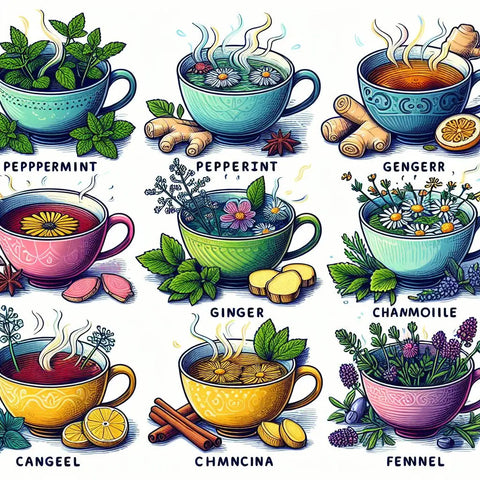
How to Choose and Brew Herbal Tea Responsibly
Enjoying herbal tea should be a safe, restorative practice that complements your lifestyle. Keep these practical guidelines in mind to use these traditional botanicals responsibly:
- Start with a mild brew: When trying a new herb, steep a light cup initially to observe how your stomach responds before trying stronger preparations.
- Follow package directions: Different herbs require specific water temperatures and steep times. Always follow product packaging instructions for optimal results.
- Avoid fixed dosing schedules: Herbal teas are beverages, not pharmaceutical medicines. Avoid drinking excessive daily quantities or setting rigid consumption schedules.
- Cover your cup while steeping: Aromatic herbs release beneficial volatile essential oils into steam; covering your mug traps these aromatic compounds inside your cup.
- Sip at a warm temperature: Drinking scalding hot liquids can irritate the delicate lining of your mouth, throat, and stomach. Allow tea to cool to a comfortable warmth.
- Listen to your body: If any herbal tea triggers heartburn, mild nausea, or added discomfort, discontinue use immediately.
Frequently Asked Questions
1. How do herbal teas differ from medical treatments for digestive issues?
Herbal teas are gentle food-grade beverages intended to provide warmth, hydration, and mild physical comfort during brief periods of upset. Unlike pharmaceutical medications, herbal teas do not deliver standardized drug dosages, are not formulated to cure or treat medical conditions, and do not follow predictable therapeutic timelines. They serve as a comforting supportive ritual rather than a clinical treatment.
2. Is it safe to drink these herbal teas every day?
For most healthy adults, drinking a moderate cup of a mild herbal infusion daily is safe. However, relying on tea every day to handle ongoing, recurring digestive complaints is not recommended without medical advice. Persistent abdominal symptoms should always be evaluated by a healthcare professional to identify underlying health causes.
3. Why might peppermint tea worsen heartburn or acid reflux?
Peppermint contains natural menthol, which relaxes smooth muscle tissue throughout the gastrointestinal tract. This relaxation extends to the lower esophageal sphincter, the muscular valve that keeps stomach acid from moving upward. When this valve relaxes, stomach acid can enter the esophagus, potentially triggering or worsening heartburn and acid reflux symptoms.
4. Can pregnant individuals drink herbal teas for digestive comfort?
While ginger has been studied for pregnancy-related morning sickness in specific dosages, pregnant individuals should always consult their midwife or obstetrician before drinking any herbal tea. Active plant compounds in herbs like chamomile or fennel require individualized professional guidance to ensure safety during pregnancy and breastfeeding.
5. What is the best time of day to drink herbal tea for digestive comfort?
There is no universally prescribed timing for herbal tea, as ideal timing varies by individual preference and personal response. Some people enjoy a warm cup after meals, while others prefer sipping chamomile in the evening to unwind. Rather than adhering to a strict schedule, follow the brewing directions on your tea package and choose a time that fits comfortably into your day.
Mindful Choices for Digestive Care
Supporting everyday digestive comfort can be as simple as taking a quiet moment with a warm cup of tea. Whether you choose ginger, peppermint, chamomile, or fennel, these traditional botanicals offer a pleasant, hydrating ritual for mild, occasional upset. By understanding research limits, respecting safety precautions, following package instructions, and seeking prompt medical care for severe symptoms, you can safely include herbal teas as a mindful part of your home wellness routine.
Related collection
Explore Tea Collections
See tea selections and related pantry ingredients.
Browse Tea CollectionsProducts and collections are presented for general ingredient, culinary, botanical, craft, or gardening use. Content on this site is educational only and is not medical advice.
Leave a comment