

Best Bloating Tea for Beginner Homestead Pantries
Herbal Tea for Beginner Homestead Pantry Builders With After-Dinner Bloating
For homesteaders and DIY herbal pantry beginners with occasional after-dinner bloating, peppermint, ginger, fennel, and chamomile teas may feel soothing, but they are comfort drinks, not treatments. Peppermint may worsen reflux, ginger may interact with blood-thinning medicines at higher intakes, and severe, persistent, bloody, or recurring digestive symptoms belong with a clinician, not a tea shelf.
Byline: Reviewed by The Rike editorial team — sustainability + horticulture practitioners since 2019.

Herbal Teas for After-Dinner Bloating in a Beginner Pantry
This guide is for homesteaders, gardeners, and DIY pantry builders who want a simple, low-waste tea routine for mild fullness, gas, or light nausea after eating. The Rike’s point of view is practical: keep a few well-labeled, food-grade herbs, brew one at a time, watch your own response, and treat tea as a comfort ritual rather than DIY medicine.
This is not the right tool for severe abdominal pain, repeated vomiting, black or bloody stool, dehydration, chest pain, unexplained weight loss, pregnancy-related symptoms, or chronic digestive conditions without medical guidance. MedlinePlus advises urgent medical care for abdominal pain with warning signs such as chest pain, bloody stools, persistent vomiting, or signs of dehydration, according to MedlinePlus.
For a 2025 pantry reset, the smartest move is not a crowded shelf of blends. It is a small set of plain herbs that can be traced, smelled, inspected, and replaced before they get stale or dusty.
Quick Answer: Which Tea Should a Beginner Try First?
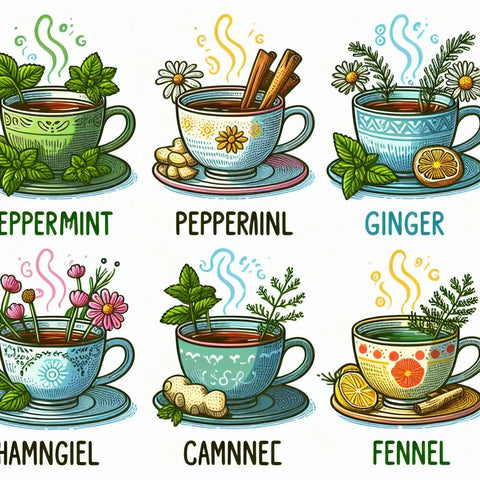
Peppermint tea is the most familiar choice for gas-like discomfort and cramping sensations, but it is the wrong first pick for many people with heartburn. NCCIH notes that peppermint oil may worsen gastroesophageal reflux, according to NCCIH.
Ginger tea is often chosen when bloating comes with mild nausea or a heavy, cold-feeling stomach after a rich meal. Ginger has been studied for nausea in several settings, but NCCIH cautions that it may interact with blood thinners and may be a concern around surgery, according to NCCIH.
Fennel tea is a traditional after-meal option for gas and fullness, especially in kitchens where fennel seed is already used as a culinary spice. Use caution if you react to carrot-family plants such as celery, carrot, parsley, or dill, because botanical cross-reactions can occur in sensitive people.
Chamomile tea is the gentle evening pick for people who want a non-minty cup after dinner, but it is not allergy-neutral. NCCIH warns that chamomile can cause allergic reactions in people sensitive to related plants such as ragweed, chrysanthemums, marigolds, or daisies, according to NCCIH.
How to Brew a Gentle Digestive Tea Without Overcomplicating It
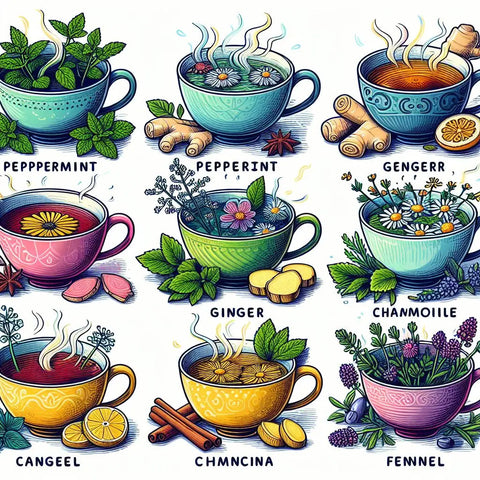
Use one herb at a time when testing tolerance. If you brew peppermint, ginger, fennel, and chamomile together on the first try, you will not know which herb helped, which one irritated reflux, or which one caused itching, drowsiness, or stomach upset.
Steep dried food-grade herbs in hot water, covered, using the time on the package or a reputable herbal reference rather than copying supplement-style dosing from the internet. Tea strength varies with plant part, cut size, freshness, water temperature, steep time, and product quality, so two cups with the same herb name may not behave the same way.
Avoid concentrated extracts, essential oils, and high-dose supplements for ordinary after-meal discomfort unless a qualified professional is guiding you. The FDA explains that dietary supplements are regulated differently from conventional foods and medicines, according to the U.S. Food and Drug Administration.
What the Evidence Means for Pantry Tea Choices
The strongest peppermint evidence is not for a casual mug of peppermint tea after dinner. It is mostly for enteric-coated peppermint oil products studied in irritable bowel syndrome, and NCCIH describes peppermint oil as possibly helpful for IBS symptoms while also noting safety limits, according to NCCIH.
Ginger has better clinical evidence for nausea than for ordinary after-meal bloating, and tea can be weaker or stronger depending on the root, cut, and brew. That makes ginger tea a reasonable comfort choice for some pantry builders, not a precise treatment.
Chamomile and fennel sit more in the traditional-use category for this specific use case. They may feel warm, aromatic, and calming after a meal, but the human evidence for after-dinner bloating is less robust than the folklore suggests.
The careful wording matters. Herbal tea may soothe, may feel comforting, and may help some people notice patterns after meals. It should not be framed as curing bloating, treating IBS, detoxing the body, or replacing medical care.
Safety Checklist for Homestead Tea Drinkers With Bloating
Check red flags before brewing. Seek medical advice instead of relying on tea if discomfort is severe, recurring, worsening, linked with fever, dehydration, persistent vomiting, black or bloody stool, chest pain, or unexplained weight loss.
Check personal risk next. Pregnancy, breastfeeding, young children, GERD, gallbladder disease, bleeding disorders, upcoming surgery, liver disease, kidney disease, sedative medicines, anticoagulants, and antiplatelet medicines all change the risk calculation.
Check herb quality last. Choose food-grade dried herbs with clear labels, clean storage, no mold, and no strong musty odor. Gardeners who grow their own herbs should dry them fully, store them away from steam and sunlight, and label the jar with the plant name and harvest season.
Building a Small Low-Waste Homestead Tea Pantry
A practical herbal pantry does not need many jars. Start with plain peppermint, ginger, fennel seed, and chamomile only if they fit your household’s allergy, reflux, and medication profile. Keep them in small quantities so you can use them while they still smell fresh.
For gardeners, this tea routine can pair with growing simple culinary herbs when climate, space, and safety allow. Use the USDA Plant Hardiness Zone Map as a planning reference for outdoor perennial choices, according to the USDA Agricultural Research Service.
The Rike favors pantry systems that make caution easier: labels you can read, jars you can inspect, and habits that prevent mystery blends from becoming the default answer to every stomach complaint.
Quick Facts
- Best first try for reflux-prone readers: Ginger or chamomile may be more sensible than peppermint, because peppermint oil may worsen gastroesophageal reflux, according to NCCIH.
- Best evidence note: Peppermint oil capsules have more IBS-focused research than peppermint tea, so do not transfer capsule evidence directly to a casual beverage.
- Medication caution: Ginger may interact with anticoagulant or antiplatelet medicines and should be discussed with a clinician when intake is high or surgery is planned, according to NCCIH.
- Allergy caution: Chamomile may trigger reactions in people sensitive to ragweed, chrysanthemums, marigolds, or daisies, according to NCCIH.
- When tea is not enough: Bloody stool, persistent vomiting, severe pain, chest pain, or dehydration signs call for medical care, according to MedlinePlus.
Limitations & Caveats
- Not suitable as self-care advice for pregnancy-related digestive symptoms, children, chronic GI disease, severe pain, bloody stool, or repeated vomiting.
- Results vary by herb freshness, plant part, steeping method, meal size, reflux tendency, and individual tolerance.
- Not a substitute for pharmacist or clinician guidance when using blood thinners, sedatives, reflux medicines, liver medicines, kidney medicines, or planned surgery.
FAQ
What is the best herbal tea for bloating after eating?
The best herbal tea for bloating after eating depends on your main concern. Peppermint may feel helpful for gas-like cramping, ginger may suit mild nausea, fennel may fit traditional after-meal use, and chamomile may be a gentler evening cup. If you have reflux, medication risks, allergies, or recurring symptoms, choose caution over experimentation.
Can peppermint tea make acid reflux worse?
Yes, peppermint tea can make acid reflux worse for some people, especially if mint relaxes the valve between the stomach and esophagus. If after-dinner bloating comes with burning, sour taste, burping, or nighttime reflux, start somewhere other than peppermint and ask a clinician if symptoms recur often.
Is ginger tea safe if I take blood thinners?
Ginger tea may not be the right casual choice if you take blood thinners, antiplatelet medicines, or have surgery planned. The concern is greater with higher intakes and concentrated products, but a pharmacist or clinician can give safer guidance based on your medicine list and health history.
Can I mix peppermint, ginger, fennel, and chamomile together?
You can mix them only after you know you tolerate each herb separately. For a beginner pantry, testing one herb at a time is safer and more useful because it helps identify reflux, allergy, drowsiness, nausea, or medication concerns. Blends are convenient, but they make cause and effect harder to track.
When should stomach discomfort be checked by a doctor instead of using tea?
Stomach discomfort should be checked by a doctor when it is severe, persistent, worsening, recurring, or paired with fever, dehydration, chest pain, repeated vomiting, black or bloody stool, unexplained weight loss, pregnancy, or a known digestive condition. Tea is for mild after-meal comfort, not for red-flag symptoms.
Recommended Products
For a smaller, cleaner homestead tea setup, browse The Rike’s herbal teas, kitchen pantry supplies, garden tools, and heirloom seeds. Keep the goal modest: a low-waste pantry with clear labels, food-grade herbs, and enough caution to know when a warm cup is not the right answer.
Related collection
Explore Tea Collections
See tea selections and related pantry ingredients.
Browse Tea CollectionsProducts and collections are presented for general ingredient, culinary, botanical, craft, or gardening use. Content on this site is educational only and is not medical advice.
Leave a comment