

Gourmet Tea Guide: Quality, Origins, Tasting, and Brewing
Gourmet tea — also called specialty or fine tea — refers to whole-leaf or minimally processed tea selected for exceptional flavor, traceable origin, and careful handling from garden to cup. The term is a marketing descriptor, not a regulated grade, so quality must be evaluated through observable signals: leaf appearance, aroma, origin transparency, harvest information, and how the tea performs in the cup. This guide explains what those signals mean, which premium styles to know, how to taste and compare samples, and how to store and brew gourmet tea at home.
What "Gourmet Tea" Actually Means
No international body certifies a tea as "gourmet." The word is used freely by sellers to position a product above commodity-grade tea bags, so the label alone tells you nothing. What does matter is the evidence behind the claim:
- Leaf grade and integrity — whole or large-leaf teas often infuse more gradually and can reveal layered aroma across multiple steeps. Broken-leaf teas can also be excellent, but they usually extract faster and should be judged within their intended style.
- Named origin — a specific garden, region, or country of origin improves traceability and helps set flavor expectations. It is useful information, not proof of quality by itself.
- Harvest information — season, flush, or picking date indicates freshness and positions the tea within its production cycle.
- Transparent processing — reputable sellers describe how the tea was withered, rolled, oxidized, fired, or aged.
When a listing lacks origin details, harvest dates, or leaf-grade information, treat the "gourmet" label with skepticism regardless of price.
Quality Signals: What to Look For Before You Brew
Leaf Appearance
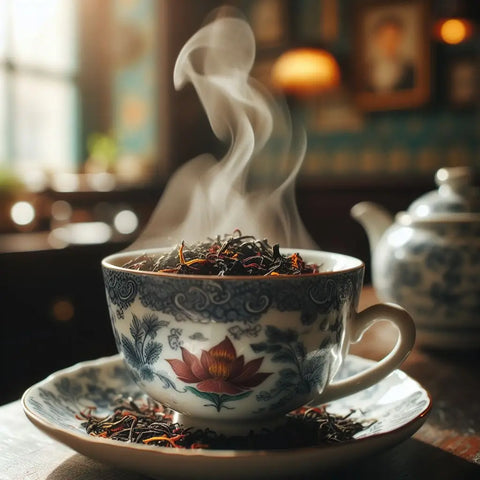
Examine dry leaves under good light and compare them with the intended style. Many whole-leaf teas show reasonably consistent shape and color, while intentionally broken grades look different by design. Fine white down on Silver Needle buds, the twist of a rolled oolong, or the flat leaves of Longjing can indicate processing style. Unexpected dust, staleness, or excessive inconsistency may signal rough handling, but appearance alone cannot prove cup quality.
Aroma
Smell the dry leaf before brewing. Fresh, well-stored tea should smell clean and characteristic of its style — floral, grassy, toasty, fruity, or mineral, for example. Musty or damp odors may indicate poor storage, while a mild hay-like note can be normal in some white or aged teas. After brewing, notice whether the empty cup retains a pleasant fragrance.
Whole Leaf vs. Broken Leaf
Whole-leaf teas often infuse more gradually and may reveal changing flavors across multiple steeps. Broken-leaf teas usually extract faster, which can suit brisk styles and shorter brewing. Neither is inherently better: judge the leaf grade by the intended tea style, cup quality, and brewing method.
Freshness
Many green teas and lightly oxidized oolongs are prized for freshness, while some white teas, roasted oolongs, and pu-erh teas may be intentionally aged. A harvest or production date helps you evaluate freshness-sensitive styles, but the ideal window depends on processing, packaging, and storage.
Representative Specialty Tea Styles
The following styles appear frequently in specialty tea offerings. Each has distinct characteristics that help you set expectations before buying.
| Style | Oxidation | Flavor Profile | Notable Origins |
|---|---|---|---|
| Green tea | Minimal | Grassy, vegetal, sweet, umami | Uji (Japan), Hangzhou (China) |
| White tea | Limited natural oxidation; varies with processing | Delicate, floral, lightly sweet | Fujian (China) |
| Black tea | Full | Malty, brisk, sometimes fruity or floral | Darjeeling, Assam, Keemun, Ceylon |
| Oolong tea | Partial; varies widely by style | Wide range: floral to roasted, fruity to nutty | Wuyi (China), Alishan (Taiwan) |
| Pu-erh (sheng) | Post-fermented | Earthy, complex, evolves with age | Yunnan (China) |
| Pu-erh (shou) | Accelerated ferment | Rich, smooth, dark, woody | Yunnan (China) |
Note: "Dark tea" (hei cha) is a specific Chinese category of post-fermented tea that includes pu-erh but is not the same as black tea. In English, "black tea" refers to fully oxidized tea such as Assam or Darjeeling. The two terms are not interchangeable.
Tasting Gourmet Tea: A Step-by-Step Method
Structured tasting helps you compare samples fairly and build a vocabulary for what you enjoy.
- Prepare consistently. Use the same water temperature, leaf-to-water ratio (roughly 3 g per 150 ml), and steep time for each sample you compare. Filtered water at the correct temperature for the tea type removes a variable.
- Observe the dry leaf. Note color, size, uniformity, and aroma before any water touches the leaf.
- Smell the wet leaf. After the first infusion, open the vessel and inhale. The wet-leaf aroma often reveals character that the dry leaf only hints at.
- Taste the liquor. Sip and let the tea move across your whole palate. Notice the entry (first impression), mid-palate (body and texture), and finish (how long the flavor lingers and whether it is pleasant).
- Note the cup aroma. After drinking, smell the empty cup. A quality tea leaves a lasting, pleasant fragrance.
- Re-steep. Most whole-leaf gourmet teas yield two to five infusions. Track how flavor evolves — a tea that improves on the second steep is a good sign of quality.
- Record your impressions. Simple notes (sweet, astringent, floral, thin, full-bodied) build a personal reference over time and make future buying decisions easier.
Tasting Vocabulary
You do not need specialist language to enjoy gourmet tea, but a few terms help when reading descriptions or comparing notes with others:
- Astringency — a drying, puckering sensation from tannins; present in most black teas, unpleasant when excessive.
- Briskness — a lively, refreshing quality associated with well-made black teas.
- Body — the weight or thickness of the liquor in the mouth; ranges from light and delicate to full and round.
- Finish / aftertaste — the flavor that remains after swallowing; a long, pleasant finish is a mark of quality.
- Hui gan — a Chinese term for the sweet sensation that returns to the throat after drinking; prized in oolong and pu-erh.
- Muscatel — a distinctive grape-like note found in certain Darjeeling second-flush teas, caused by leafhopper insect activity on the leaf.
- Umami — a savory, brothy depth found in shade-grown Japanese teas such as gyokuro and high-grade matcha.
Buying Gourmet Tea: Red Flags to Avoid
The specialty tea market includes excellent producers and opportunistic sellers. Watch for these warning signs:
- No origin information — "premium blend" or "finest leaves" without a named region tells you nothing about provenance.
- Unverifiable health claims — phrases like "clinically proven to detox" or "cures inflammation" are not supported by regulatory bodies and often signal a marketing-first product.
- Price as the only quality argument — high price does not guarantee quality; some excellent teas are modestly priced, and some expensive teas are mediocre.
- No harvest or production date — especially important for green and white teas where freshness is central to quality.
- Excessive dust in the bag — fine particles at the bottom indicate broken or low-grade leaf regardless of how the product is described.
- Vague processing descriptions — "carefully crafted" without specifics about withering, oxidation, or firing is a placeholder, not information.
Brewing Gourmet Tea at Home
Proper brewing is the final step between a quality leaf and a quality cup. A few consistent practices make a significant difference.
- Water quality — use filtered or spring water. Heavily chlorinated tap water suppresses delicate aromas. Avoid distilled water, which produces a flat-tasting cup.
- Water temperature — green and white teas: 160–180°F (71–82°C). Oolong teas: 185–205°F (85–96°C). Black teas and pu-erh: 200–212°F (93–100°C). Brewing green tea with boiling water is the most common cause of bitterness at home.
- Leaf-to-water ratio — a starting point of 2–3 g of leaf per 150 ml of water works for most styles. Adjust to taste.
- Steep time — 2–3 minutes for most green and white teas; 3–4 minutes for black teas; 1–2 minutes for oolong using the gongfu method with multiple short infusions. Longer steeping extracts more tannins and increases astringency.
- Teaware — a simple ceramic or glass vessel works well. Yixing clay pots and gaiwans are traditional choices for oolong and pu-erh and can enhance the experience, but they are not required for a good cup.
- Multiple infusions — whole-leaf gourmet teas are designed to be re-steeped. Add 30–60 seconds to each successive infusion. The second or third steep is often the most balanced.
Storing Gourmet Tea
Tea is sensitive to light, moisture, heat, and strong odors. Store loose-leaf tea in an opaque, airtight container away from direct sunlight and heat sources. Avoid the refrigerator for most teas — condensation when the container is opened introduces moisture. Pu-erh and aged oolongs are exceptions; they benefit from moderate humidity and airflow and should not be sealed airtight. Use stored tea within the timeframe recommended for its style, and buy in quantities you will consume within that window.
Frequently Asked Questions
Is "gourmet tea" a regulated term?
No. "Gourmet," "premium," and "specialty" are marketing descriptors with no standardized definition in the tea industry. Evaluate quality through origin transparency, leaf appearance, harvest information, and your own tasting experience rather than the label alone.
Does a higher price mean better tea?
Not necessarily. Price reflects rarity, labor intensity, and brand positioning as much as cup quality. Some of the most enjoyable teas are modestly priced everyday cultivars from reputable gardens. Use price as one data point, not the deciding factor.
How many times can I re-steep a gourmet tea?
Most whole-leaf teas yield two to five infusions, and some high-quality oolongs and pu-erhs can be steeped six or more times. The number depends on the tea style, the leaf-to-water ratio, and the steep time used for each infusion. Shorter initial steeps generally allow more re-steeps.
What is the difference between black tea and dark tea?
In English, "black tea" refers to fully oxidized tea — Assam, Darjeeling, Keemun, Ceylon, and similar styles. "Dark tea" (hei cha in Chinese) is a separate category of post-fermented tea produced mainly in China, of which pu-erh is the most well-known example. The two are distinct in processing, flavor, and origin.
How do I know if a gourmet tea has gone stale?
Stale tea loses its aroma first. If the dry leaf smells flat, papery, or musty rather than fresh and characteristic of its type, the tea is past its best. The brewed cup will taste thin and dull. For freshness-sensitive styles like green and white tea, buy in small quantities and consume within 12–18 months of the harvest date.
Related collection
Explore Tea Collections
See tea selections and related pantry ingredients.
Browse Tea CollectionsProducts and collections are presented for general ingredient, culinary, botanical, craft, or gardening use. Content on this site is educational only and is not medical advice.
Leave a comment