

Tea Varieties, Traditions, and Everyday Brewing Guide
True tea comes from Camellia sinensis, while herbal infusions are brewed from other leaves, flowers, roots, fruits, or spices. Processing method, growing region, leaf format, and brewing choices create the wide range of flavors and traditions associated with tea. Understanding those differences helps you choose and brew a better cup—whether you prefer bold black tea, delicate green tea, or a caffeine-free herbal infusion.
The Six Main Categories of True Tea
All true teas — black, green, white, oolong, yellow, and pu-erh — come from Camellia sinensis. What separates them is the degree of oxidation and the processing method applied after harvest.
Black Tea
Black tea is fully oxidized, giving it a dark leaf, deep amber liquor, and robust, malty flavor. It is the most widely consumed tea style globally and the base for blends like English Breakfast and Earl Grey. Major origins include Assam and Darjeeling (India), Ceylon (Sri Lanka), Keemun (China), and Yunnan (China).
Green Tea
Green tea is unoxidized. After picking, the leaves are quickly heated — either steamed (Japanese style) or pan-fired (Chinese style) — to halt oxidation and preserve their green color. The result is a lighter, grassier, more vegetal cup. Well-known varieties include Japanese Sencha, Gyokuro, and Matcha, and Chinese Dragonwell (Longjing) and Gunpowder.
White Tea
White tea undergoes minimal processing — leaves and buds are simply withered and dried. It is the most delicate of the true teas, with a light, subtly sweet, and floral character. Silver Needle (Baihao Yinzhen) and White Peony (Bai Mudan) are the most recognized styles, both from Fujian province, China.
Oolong Tea
Oolong sits between green and black tea, partially oxidized anywhere from 15% to 85%. This wide range produces a spectrum of styles — from light, floral, and green-leaning (Tie Guan Yin) to dark, roasted, and full-bodied (Da Hong Pao). Oolong is particularly associated with Fujian and Guangdong provinces in China and with Taiwan.
Yellow Tea
Yellow tea is rare and produced in small quantities, primarily in China. It undergoes a unique "smothering" step after pan-firing that gives the leaves a slightly yellow hue and a mellow, smooth flavor without the grassiness of green tea. Jun Shan Yin Zhen is the most celebrated example.
Pu-erh Tea
Pu-erh is a microbially fermented tea from Yunnan, China, and many styles are intentionally aged. Sheng (raw) pu-erh may develop over years under suitable storage, while Shou (ripe) pu-erh undergoes an accelerated fermentation process. Quality and flavor do not automatically improve with age; the starting material and storage conditions matter.
Herbal Infusions: Not Technically Tea
Herbal infusions — chamomile, peppermint, rooibos, hibiscus, ginger, and others — are made from plants other than Camellia sinensis. They are caffeine-free (with rare exceptions) and vary enormously in flavor. While commonly called "herbal teas," they are technically tisanes. They are a practical choice for those avoiding caffeine or seeking specific flavor profiles in the evening.
Tea Formats: Loose Leaf vs. Tea Bags
Tea is sold in two primary formats, each with distinct trade-offs.
| Format | Leaf Grade | Flavor Complexity | Convenience | Best For |
|---|---|---|---|---|
| Loose Leaf | Whole or large-leaf | High — leaves expand fully | Requires infuser or teapot | Daily drinkers, flavor-focused brewing |
| Standard Tea Bag | Broken leaf, fannings, or dust | Moderate — brews quickly but less nuanced | Very convenient, no equipment needed | Quick cups, travel, office |
| Pyramid / Silk Bag | Whole or large-leaf | High — more room for leaves to expand | Convenient with better quality | Premium convenience brewing |
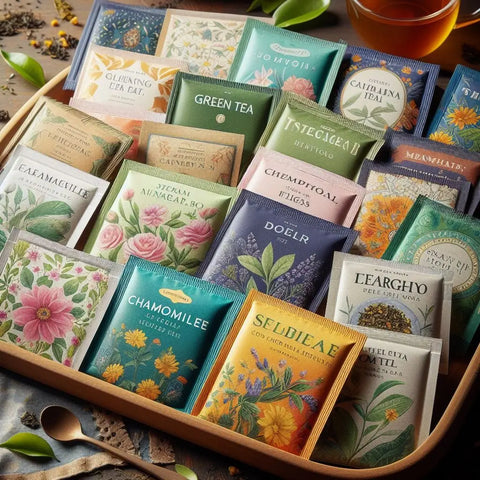
Loose leaf tea generally delivers a more complex, layered cup because whole leaves have more surface area to release flavor gradually. Tea bags are practical and consistent — the right choice when speed matters more than nuance.
Tea Traditions Around the World
Tea is not just a beverage — it is a cultural practice shaped by centuries of local custom.
British Afternoon Tea
The British tradition centers on a strong black tea — typically Assam or a robust blend — served with milk and often accompanied by sandwiches, scones, and pastries. The milk is added to soften tannins and cool the cup to a drinkable temperature quickly.
Chinese Gongfu Cha
Gongfu Cha ("making tea with skill") is a Chinese ceremonial brewing method using a small clay teapot (Yixing), a high leaf-to-water ratio, and multiple short infusions — often 20–30 seconds each. It is designed to reveal the evolving character of a tea across many steepings, particularly oolongs and pu-erhs.
Japanese Chado
The Japanese tea ceremony (Chado or Chanoyu) centers on powdered Matcha whisked with hot water in a bowl. It is a meditative, highly formalized practice emphasizing simplicity, presence, and respect — as much a philosophy as a brewing method.
Moroccan Mint Tea
In Morocco and across North Africa, gunpowder green tea is brewed strong and poured over fresh spearmint leaves and sugar. The tea is often poured from a height to create a light froth and may be served in several rounds, with customs varying by household and occasion.
Indian Chai
Masala chai is black tea simmered with milk, water, and a blend of spices — typically cardamom, ginger, cinnamon, cloves, and black pepper. It is bold, warming, and often sweet, and is widely enjoyed across India, with recipes varying by region and household.
Flavor Differences at a Glance
Understanding flavor profiles helps you match a tea to your mood, time of day, or food pairing.
| Tea Type | Flavor Profile | Caffeine Level | Best Time to Drink |
|---|---|---|---|
| Black Tea | Malty, bold, sometimes smoky or floral | High (40–70 mg/cup) | Morning, with meals |
| Green Tea | Grassy, vegetal, fresh, sometimes umami | Moderate (20–45 mg/cup) | Morning, afternoon |
| White Tea | Delicate, floral, lightly sweet | Varies by leaf and brewing method | Any time, based on caffeine sensitivity |
| Oolong Tea | Floral to roasted, complex, layered | Moderate (30–50 mg/cup) | Afternoon, after meals |
| Pu-erh Tea | Earthy, deep, woody, sometimes mushroomy | Moderate–High | After heavy meals |
| Herbal Infusion | Varies widely — floral, fruity, spicy, minty | None (typically) | Evening, any time |
Practical Brewing Guide
The most common brewing mistakes are water that is too hot, steeping too long, or using too few leaves. These guidelines apply to both loose leaf and tea bag formats.
Water Temperature and Steep Time by Tea Type
- Black tea: 200–212°F (93–100°C) | 3–5 minutes
- Green tea: 160–185°F (70–85°C) | 1–3 minutes
- White tea: 175–185°F (80–85°C) | 2–4 minutes
- Oolong tea: 185–205°F (85–96°C) | 2–4 minutes (shorter for lighter styles)
- Pu-erh tea: 200–212°F (93–100°C) | 2–4 minutes (or multiple short Gongfu infusions)
- Herbal infusions: 200–212°F (93–100°C) | 5–7 minutes
General Brewing Steps
- Start with filtered water. Chlorinated or hard tap water noticeably dulls flavor.
- Preheat your cup or teapot with a splash of hot water, then discard it. This keeps the brewing temperature stable.
- Use the right amount of leaf. A general starting point is 1 teaspoon (2–3 g) of loose leaf tea per 8 oz (240 ml) of water, or one tea bag per cup.
- Heat water to the correct temperature for your tea type. Boiling water is appropriate for black tea and herbal infusions but will scorch green and white teas.
- Steep for the recommended time and remove the leaves or bag promptly. Leaving them in longer extracts more tannins and bitterness, not more flavor.
- Taste before adding anything. Try the tea plain first to understand its natural character before adding milk, honey, or sweetener.
Storing Tea to Preserve Freshness
Tea is sensitive to light, moisture, heat, and strong odors. Store all tea types — loose leaf or bagged — in an airtight container away from direct sunlight and away from spices, coffee, or other aromatic foods. Room temperature is ideal; refrigeration is generally not recommended because condensation introduces moisture. Many everyday teas taste freshest within roughly 12–18 months, but ideal storage time varies by style. Some pu-erh and other intentionally aged teas can develop well under suitable conditions, while poor storage can damage any tea.
A Note on Caffeine
All true teas naturally contain caffeine, but the amount varies widely with cultivar, leaf age, serving size, water temperature, and steep time; tea color alone does not reliably predict the exact amount in a cup. Most herbal infusions are caffeine-free, although ingredients such as yerba mate and guayusa are exceptions. People who are sensitive to caffeine, pregnant, or managing certain health conditions should seek guidance from a qualified healthcare professional about appropriate intake.
Frequently Asked Questions
What is the difference between true tea and herbal tea?
True teas (black, green, white, oolong, yellow, pu-erh) all come from the Camellia sinensis plant and contain caffeine. Herbal teas — also called tisanes — are made from other plants, flowers, roots, or spices and are typically caffeine-free. Both are brewed by steeping in hot water, but they are botanically and chemically distinct.
Which tea is best for beginners?
A mild black tea like Ceylon or a lightly oxidized oolong is a good starting point — approachable, forgiving to brew, and widely available. For those who prefer no caffeine, a fruit-forward herbal infusion like hibiscus or apple-cinnamon is an easy entry point.
Can I brew tea with cold water?
Yes — cold brew tea is a valid method. Place loose leaf tea or tea bags in cold filtered water (roughly 1 teaspoon or 1 bag per 8 oz) and refrigerate for 6–12 hours. Cold brewing extracts flavor more slowly and often produces a smoother, less astringent cup. Caffeine content still varies with the tea, dose, and steep time. Green and white teas work especially well cold-brewed.
Why does my tea taste bitter?
Bitterness in tea is almost always caused by over-steeping, water that is too hot (especially for green or white tea), or using too many leaves. Try reducing steep time by 30–60 seconds, lowering water temperature, or using slightly less leaf. Quality of the tea itself also matters — very low-grade fannings can taste harsh regardless of brewing method.
Is loose leaf tea always better than tea bags?
Not always — it depends on the context. High-quality loose leaf tea generally offers more complexity and is better value per cup for serious tea drinkers. But a good-quality pyramid bag with whole leaves can rival loose leaf in flavor. Standard flat tea bags are optimized for speed and consistency, not nuance. The best tea is the one you enjoy and will actually brew.
Related collection
Explore Tea Collections
See tea selections and related pantry ingredients.
Browse Tea CollectionsProducts and collections are presented for general ingredient, culinary, botanical, craft, or gardening use. Content on this site is educational only and is not medical advice.
Leave a comment