

Pine Needle Tea Guide: Eastern White Pine, Brewing, and Safety
Eastern white pine needle tea is a resinous, citrusy traditional infusion, but health claims are not established by strong human clinical evidence and correct species identification is essential. Conifer infusions have captured the interest of homesteaders, foragers, and herbal tea enthusiasts who appreciate unique botanical flavors and traditional wilderness lore. Brewing evergreen needles offers an earthy aroma reminiscent of a fresh forest canopy, accompanied by subtle piney, evergreen, and tangy tasting notes. However, enjoying this infusion safely requires a clear understanding of tree botany, realistic expectations regarding nutritional benefits, correct preparation techniques, and critical health precautions.
Crucial Safety Warning: Never Brew from an Uncertain Conifer
Before gathering conifer needles in the wild or preparing loose botanical material, you must understand that not all evergreen trees are safe for human consumption. Mistaking toxic evergreen species for edible pines can lead to severe illness or life-threatening poisoning. Yew trees (Taxus species) have poisonous needles. Poison Control reports that adults have been poisoned after brewing tea from yew needles, so an uncertain conifer should never be used for tea. To understand the serious chemical risks associated with toxic lookalikes, review the Poison Control guide on yew toxicity.
Never rely on a single online photo, a quick glance, or automated mobile identification applications when collecting plant material. Evergreen species share many superficial traits, particularly during late autumn and winter when surrounding vegetation has died back. If you have any uncertainty whatsoever regarding the exact botanical identity of a tree, do not harvest or consume its needles. Always verify your identification using a reputable regional botanical field guide or consult a certified local forestry expert before gathering plant material for beverage use.
Botanical Identification: Identifying Eastern White Pine (Pinus strobus)
Proper botanical identification is the cornerstone of safe foraging and responsible herbal sourcing. Eastern white pine (Pinus strobus) is a prominent conifer native to northeastern North America, valued historically for timber, windbreaks, and traditional herbal infusions. Unlike many other pine trees, the Eastern white pine exhibits a set of physical traits that allow trained observers to distinguish it from other evergreens.
The most reliable field marker for Eastern white pine is its needle arrangement. Pine needles grow in clusters called fascicles. Eastern white pine consistently features soft, flexible, bluish-green needles bundled in groups of five. A simple memory aid used by botanists is that the word "WHITE" contains five letters, corresponding to the five needles per bundle. The needles typically measure two to five inches long and feel distinctly softer and more pliable than the rigid, sharp needles found on spruce or fir trees.

| Botanical Trait | Eastern White Pine (Pinus strobus) | Red Flags & Dangerous Lookalikes | Safe Action |
|---|---|---|---|
| Needle Count per Bundle | Consistently 5 soft needles per bundle (fascicle). | Needles growing individually (yew, fir, spruce) or in bundles of 2 or 3 (red pine, pitch pine). | Count needles carefully on multiple small branches across the tree. |
| Needle Texture & Color | Soft, flexible, fine-textured, bluish-green with fine white lines. | Flat, dark green needles with pale undersides (yew); stiff, sharp, rigid needles (spruce). | Touch the needles; true white pine needles bend gently without pricking your fingers. |
| Cone Characteristics | Slender, cylindrical, slightly curved cones (3 to 8 inches long) with flexible scales. | Fleshy red, berry-like seed cups (yew arils); short, thick, woody cones with sharp spines. | Examine fallen cones near the trunk to confirm cone geometry and scale flexibility. |
| Bark & Growth Habit | Smooth greyish-green bark on young trees; deeply furrowed blocky bark on mature tall trees. | Shrubby, low-growing ornamental bushes in residential gardens or landscaped beds. | Avoid shrubby garden conifers; confirm mature tree structure and natural habitat. |
When evaluating a tree, never rely on a single branch or needle bundle. Examine several sections of the crown, inspect fallen cones at the base, and assess the bark texture. Furthermore, avoid foraging from other non-confirmed conifer species such as Ponderosa pine, lodgepole pine, Norfolk Island pine, or unknown ornamental evergreens, as certain species carry potential toxicity concerns or unverified safety profiles for internal consumption.
Flavor Profile and Realistic Expectations: Separating Lore from Science
Understanding what pine needle tea tastes like—and what science actually says about its contents—helps ground your experience in realistic expectations rather than unsubstantiated claims.
The Tasting Experience
Eastern white pine needle tea is prized primarily for its sensory qualities. When properly steeped, the infusion yields a light golden to pale greenish hue. The aroma is resinous, crisp, and woodsy, bringing to mind the clean air of an evergreen forest after rain. On the palate, the tea delivers a mild, resinous evergreen flavor balanced by bright citrus notes and a subtle, naturally astringent finish. It is considerably lighter and less heavy than black tea, offering a refreshing botanical profile that pairs well with natural sweeteners like raw honey or a lemon wedge.
Distinguishing Lore from Human Clinical Evidence
Pine needle tea carries a rich history in indigenous traditions and historical lore across North America. Native communities and early European settlers utilized pine infusions during long winter months when fresh produce was unavailable. In modern wellness discussions, however, wild claims often circulate online, asserting that pine needle tea cures respiratory diseases, heals damaged skin, boosts general immunity, detoxifies organs, prevents scurvy, or induces rapid weight loss. It is vital to evaluate these assertions through a clear, evidence-aware lens.
While laboratory analyses demonstrate that fresh pine needles contain compounds such as terpene hydrocarbons, flavonoids, and variable levels of vitamin C (ascorbic acid), laboratory measurements or historical anecdotes do not equal clinical human proof. Thermal exposure during boiling water steeping degrades sensitive vitamins, and the exact concentration of active nutrients in a brewed cup varies wildly depending on tree age, season, soil condition, and preparation method. Currently, there are no robust human clinical trials establishing that pine needle tea prevents, treats, or cures any medical condition. Enjoying this tea for its soothing warmth, aromatic bouquet, fluid hydration, and relaxing ritual remains the most grounded, scientifically sound expectation for consumers.
Sourcing Eastern White Pine Needles Safely
Securing high-quality, safe plant material requires thoughtful sourcing practices. You generally have two choices: purchasing commercially processed, food-grade pine needles or harvesting fresh material directly from wild trees.
Purchasing Prepared Botanical Material
For most consumers, purchasing a properly labeled, food-grade product from a trusted herbal supplier is the safest and most convenient option. Commercially prepared pine needles are harvested from verified tree species, cleaned, dehydrated under controlled conditions, and tested for quality standards. Using a pre-packaged product eliminates the risk of species misidentification, urban chemical exposure, and improper drying techniques.
A clearly labeled dehydrated Eastern white pine needle tea can be more practical than uncertain wild material. Read the label, confirm the botanical identity, inspect the package on arrival, and follow its storage and brewing directions.
Responsible Wild Harvesting Protocols
If you choose to forage fresh Eastern white pine needles yourself, strict safety and ecological standards must be followed to protect both your health and the local ecosystem:
- Absolute Species Verification: Confirm that the target tree is unquestionably Pinus strobus with five needles per bundle. If there is any ambiguity, leave the tree undisturbed.
- Legal Permission: Harvest only on land where you have explicit legal permission or appropriate foraging permits. Never gather plant material in protected state parks or nature reserves where harvesting is prohibited.
- Environmental Cleanliness: Avoid harvesting from trees adjacent to busy roadways, industrial sites, agricultural fields, or manicured suburban lawns. Trees along roads absorb heavy metals, exhaust particulates, and chemical runoff, while suburban trees may have been sprayed with synthetic pesticides, herbicides, or fungicides.
- Tree Health: Select bright green, healthy needle clusters from vibrant branches. Avoid diseased trees, needles showing fungal spotting, or branches coated in insect residue or excessive sap.
- Ethical Harvesting: Take only a small handful of needles from any individual branch using sharp, clean pruners. Never strip a young tree or remove terminal buds, as this stunts the tree's natural growth.
Step-by-Step Preparation Principles and Customization
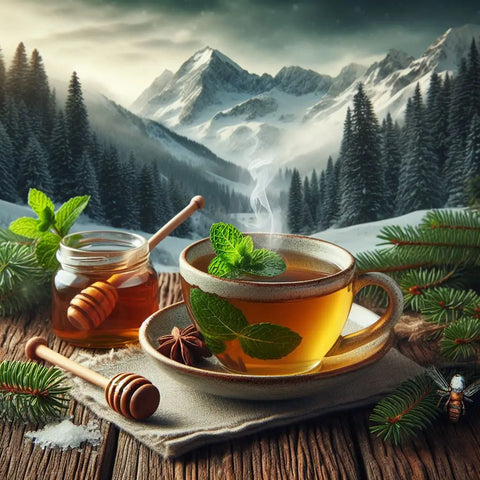
Brewing pine needle tea is an accessible, straightforward process. Whether using packaged dried needles or carefully washed fresh cuttings, following gentle preparation principles ensures optimal flavor while preserving delicate aromatic notes.
General Preparation Guidelines
- Inspect the material: Use only verified, food-grade Eastern white pine needles. Discard material that is moldy, musty, discolored, or mixed with unknown plant matter.
- Follow the package: Use the amount and steeping directions provided by the supplier. If the directions are missing or unclear, contact the supplier rather than inventing a medicinal dose.
- Prepare gently: Rinse fresh material when appropriate, place it in a clean infuser or teapot, and pour hot water over it. Covering the vessel can help retain aroma.
- Adjust by taste: Steep only to a flavor you enjoy. A longer infusion may taste more resinous or bitter, but stronger flavor does not prove greater benefit.
- Strain completely: Use a fine mesh strainer so no sharp needle fragments remain in the cup.
- Stop if something seems wrong: Do not drink an infusion that smells musty, tastes unusually harsh, or causes mouth irritation, stomach upset, rash, swelling, or other symptoms.
Customizing Your Infusion
Because pine needle tea possesses a light evergreen flavor with mild tannic undertones, it responds exceptionally well to simple culinary additions. A teaspoon of raw local honey softens the natural astringency and highlights the tree's native citrus notes. A fresh slice of lemon or a small piece of bruised ginger root complements the resinous aroma, making it a comforting hot beverage during cold weather or a crisp iced tea during warmer months.
Storage and Freshness Guidelines
Proper storage conditions preserve the aromatic quality of pine needles and protect the material from spoilage, moisture damage, and mold contamination.
- Dehydrated Pine Needles: Store dried herbal tea in an airtight glass jar or sealed foil pouch away from direct sunlight, excess heat, and high humidity. Kept in a cool, dark pantry, high-quality dehydrated pine needles retain their aromatic punch for up to 12 to 18 months.
- Freshly Harvested Needles: Fresh green pine needles contain significant internal moisture. If stored in a sealed plastic bag at room temperature, they will quickly accumulate condensation and mold. Place unwashed fresh needles wrapped loosely in a damp paper towel inside a breathable container in the refrigerator, and use them within 7 to 10 days.
- Freezing Fresh Needles: For longer storage of fresh wild harvests, wash the needles, dry them completely with a towel, chop them into segments, and freeze them in vacuum-sealed bags. Frozen needles can be steeped directly without thawing.
Safety, Sensitivity, and Medical Considerations
While Eastern white pine needle tea is enjoyed safely by many healthy adults as an occasional beverage, herbal infusions contain active phytochemicals that require sensible precautions.
Allergies and Hypersensitivity
Individuals with known sensitivities to conifer pollen, pine resin, turpentine compounds, or plants in the Pinaceae family should exercise extreme caution or avoid pine tea altogether. Allergic reactions can manifest as skin rashes, hives, oral itching, swelling of the lips or throat, or gastrointestinal distress. If you develop any signs of an allergic reaction or breathing difficulty, stop using the product immediately and seek urgent medical care.
Pregnancy and Breastfeeding Warnings
Pregnant or nursing individuals should strictly avoid consuming pine needle teas. Certain pine species contain compounds that have historically been associated with potential uterine stimulation or reproductive toxicity in animal studies. Because robust safety data regarding human pregnancy and lactation are lacking, healthcare providers universally advise against consuming wild conifer brews during pregnancy or while nursing.
Children, Chronic Illness, and Medication Interactions
Children, elderly individuals, and people managing chronic health conditions (such as kidney disease, liver impairment, or autoimmune conditions) should consult a qualified physician or clinical herbalist before drinking conifer infusions. Furthermore, compounds in pine needles may interact with prescription medications or put additional stress on filtration organs if consumed in high quantities over long periods.
Always remember that herbal tea is intended as food and beverage content, not as medical advice or a substitute for professional diagnosis, medical treatment, or prescription therapy.
Frequently Asked Questions
Can I make pine needle tea from any pine tree in my backyard?
No, you should never harvest or brew needles from an unidentified tree. Many conifer species look similar, and highly toxic lookalikes such as yew (Taxus) can cause fatal poisoning. Other pine species may be harsh, unpalatable, or contain unverified chemical profiles. Only harvest from trees positively identified as Eastern white pine (Pinus strobus) or another explicitly confirmed edible pine species, ensuring the tree is clean, unsprayed, and located away from polluted roadsides.
Does pine needle tea contain a fixed amount of vitamin C?
No, pine needle tea does not contain a fixed or guaranteed amount of vitamin C. While fresh pine needles naturally contain vitamin C in varying quantities, the exact vitamin content in a brewed cup depends heavily on the season, tree health, drying process, and water temperature. Heat degrades vitamin C quickly, so boiling needles strips away delicate nutrients. Enjoy the tea for its aroma, hydration, and flavor rather than relying on it as a primary nutritional supplement.
Is Eastern white pine needle tea safe to drink every day?
For most healthy, non-pregnant adults, enjoying a cup of Eastern white pine needle tea occasionally as part of a varied beverage routine is considered reasonable. However, daily long-term consumption in high volumes is not recommended due to limited long-term human safety data. Alternating your herbal teas and listening to your body's responses is always the safest approach to botanical beverages.
How can I tell the difference between Eastern white pine and yew?
Eastern white pine features long, soft, flexible needles growing in distinct bundles of five, and the tree eventually bears large, slender, woody cones. Yew trees are typically shrubby or smaller trees with flat, dark green needles growing individually along the stem, featuring pale undersides and producing fleshy red berry-like seed cups (arils) rather than woody pine cones. Yew is extremely toxic and must never be harvested or brewed.
Should I boil or steep pine needles when brewing tea?
Follow the directions on a correctly labeled food-grade product. A covered hot-water infusion is a common approach for preserving aroma, while prolonged boiling can create a harsher, more resinous flavor. There is no universal medical-strength method, and a stronger cup should not be treated as more effective.
Conclusion
Eastern white pine needle tea offers an inviting, resinous, citrusy connection to forest traditions when approached with knowledge and care. By focusing on verified Pinus strobus material, respecting essential foraging safety rules, avoiding hazardous conifer lookalikes, and maintaining realistic expectations about its role as a warm beverage rather than a cure-all, you can reduce avoidable risk while exploring this distinctive infusion. Whether you harvest carefully from unsprayed wild trees or rely on convenient, food-grade dehydrated pine needles, thoughtful preparation transforms simple green needles into a soothing, deeply aromatic cup of tea.
Related collection
Explore Tea Collections
See tea selections and related pantry ingredients.
Browse Tea CollectionsProducts and collections are presented for general ingredient, culinary, botanical, craft, or gardening use. Content on this site is educational only and is not medical advice.
Leave a comment