

Family Embraces Zero-Waste Lifestyle
How to Overcome Zero Waste Challenges
Zero-waste for families with kids
Zero-waste with kids is basically doing environmentalism while tiny chaos goblins spill crackers everywhere. It can still work. The trick is aiming for less waste, not performing moral purity theater in your kitchen.
Start with the biggest, easiest wins:
-
Food: use lunchboxes, snack containers, refillable water bottles, cloth napkins, and a “use-this-first” bin in the fridge for leftovers and produce.
-
Diapers and wipes: cloth if it’s realistic, otherwise just reduce waste elsewhere and buy bigger packs with less packaging guilt per ounce.
-
Clothes and toys: buy secondhand, accept hand-me-downs, rotate toys, and donate or swap what’s outgrown.
-
School stuff: choose durable backpacks, refillable pens or quality pencils, reusable folders, and supplies that survive more than one semester of human misuse.
-
Cleaning: washable rags instead of paper towels for most messes, plus refillable soap or concentrated cleaners.
-
Party culture: borrow decorations, use real dishes when possible, skip the plastic favor junk nobody wanted in the first place.
What actually works for families:
-
Pick one zone at a time
Do not “go zero-waste” all at once unless you enjoy household mutiny. Start with lunches, laundry, or bathroom stuff. -
Make the reusable option easier than the disposable one
Keep snack containers where kids can reach them. Put cloth napkins in a visible basket. Set up a bin for library books, water bottles, and lunch gear near the door. -
Use what you already own first
Replacing perfectly usable plastic with expensive bamboo holiness is still consumption. -
Create simple kid rules
“Finish one before opening another.”
“Put wrappers in this one spot.”
“One water bottle per day.” -
Normalize imperfect progress
Travel days, sick days, and birthday-party weeks are not the time for eco-sainthood.
A realistic family starter kit:
-
stainless or sturdy plastic lunch containers
-
2 to 4 water bottles per kid
-
cloth napkins
-
wet bag or small pouch for dirty items
-
laundry mesh bag for socks and napkins
-
leftover containers you can actually find lids for, a rare miracle
Cheap habits that matter:
-
meal plan around what will spoil first
-
keep a donation box in a closet
-
mend simple tears
-
choose fewer, sturdier toys
-
borrow books and kid gear
-
buy snacks in larger formats and portion them at home
Things to skip unless you’re unusually committed:
-
making every cleaner from scratch
-
forcing cloth alternatives for every single category
-
buying trendy “zero-waste” products before testing the habit itself
A good family zero-waste goal is:
reduce trash, cut food waste, buy less, reuse more, and stay sane.
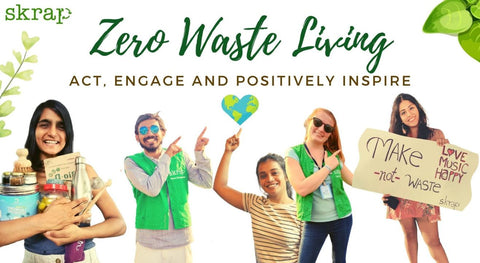
Meal planning to cut food waste is mostly about preventing your fridge from becoming a museum of damp optimism.
The core idea is simple: plan meals around what you already have, buy only what fits a real week, and give every perishable item a job.
Start with an inventory
Before shopping, check:
-
fridge
-
freezer
-
pantry
-
produce bowl
-
random half-used condiments, the graveyard of human ambition
Write down what needs using first, especially:
-
leafy greens
-
berries
-
herbs
-
dairy
-
cooked leftovers
-
bread
Plan “use-first” meals
Build the first few meals around the most perishable foods.
Example:
-
spinach, mushrooms, yogurt need using
plan: pasta with mushrooms and spinach, yogurt parfaits, smoothies, omelets
This keeps you from buying new ingredients while older ones quietly rot in a drawer.
Choose a small number of flexible meals
Do not plan 14 highly specific meals unless you enjoy failure with a calendar attached.
Better:
-
2 to 3 core dinners
-
1 leftover night
-
1 “use-it-up” meal
-
simple breakfasts and lunches repeated through the week
Flexible meals are best:
-
soups
-
stir-fries
-
tacos
-
fried rice
-
pasta
-
grain bowls
-
quesadillas
-
omelets
These can absorb extra vegetables, bits of meat, cooked grains, and herbs before they die for your sins.
Buy overlapping ingredients
Pick meals that share ingredients, so nothing gets stranded.
Example:
-
cilantro for tacos, rice bowls, and soup
-
carrots for lunches, stir-fry, and stock
-
chicken for wraps, soup, and pasta
This is one of the biggest waste reducers because ingredients get used across several meals instead of starring in one heroic recipe and vanishing.
Plan for real life, not fantasy life
If Wednesday is chaotic, do not assign “homemade lasagna with two side dishes.”
Match meals to your energy:
-
busy night: freezer meal, sandwiches, eggs, or leftovers
-
normal night: one-pan or 30-minute meal
-
more time: bigger batch meal
Overplanning is one of the easiest ways to waste food.
Schedule leftovers on purpose
Leftovers do not count as a plan unless they are actually assigned.
Try:
-
lunch leftovers the next day
-
one dinner each week called “leftover buffet”
-
extra portions frozen in single servings
If you do not name the leftover night, the containers will simply age in silence.
Use a “eat this first” area
Set aside one visible shelf or bin in the fridge for:
-
leftovers
-
opened packages
-
ripe produce
-
foods near expiration
That way the food most likely to be wasted is the first thing people see.
Keep a short shopping list
A tight list beats aspirational chaos.
A good list has:
-
ingredients for planned meals
-
staple replacements only when needed
-
a few versatile backups like eggs, pasta, beans, tortillas, frozen vegetables
Avoid buying too many “healthy possibilities” with no meal attached.
Build one weekly use-it-up meal
Near the end of the week, make something that clears the fridge:
-
soup
-
fried rice
-
pasta toss
-
curry
-
frittata
-
sheet-pan roast
This catches the lonely pepper, half onion, handful of spinach, and other abandoned citizens.
Freeze earlier
People freeze food too late, usually right after it has crossed from “saveable” to “concerning.”
Freeze:
-
extra bread
-
cooked rice
-
ripe bananas
-
leftover soup
-
meat you will not cook in time
-
shredded cheese
-
chopped vegetables for future cooking
Portion more realistically
Cook and serve what people actually eat, not what looks noble.
If your household never finishes a giant salad or a full pot of rice, make less. Repeating a meal once is cheaper than throwing out a heroic batch.
Simple weekly structure
A low-waste week might look like this:
-
Day 1: meal using fragile produce
-
Day 2: second meal using overlapping ingredients
-
Day 3: leftovers
-
Day 4: pantry/freezer-based meal
-
Day 5: use-it-up meal
-
Day 6: simple meal or leftovers
-
Day 7: prep and inventory for next week
Easy rules that work
-
buy perishables in smaller amounts more often, if possible
-
do one fridge check before making the shopping list
-
assign every perishable ingredient to at least one meal
-
repeat meals and ingredients without shame
-
keep one night unplanned for leftovers or schedule changes
The best meal plan for reducing food waste is not the most exciting one. It is the one your household will actually follow, which is tragically how reality works.
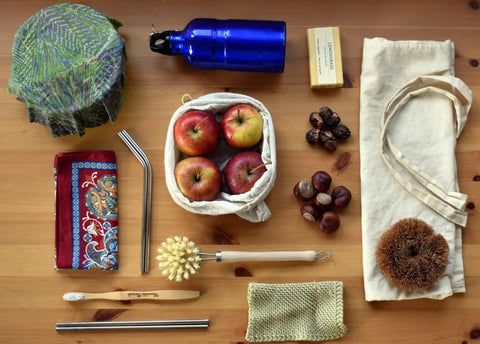
Beginner zero-waste transitions
Beginner zero-waste works best when you treat it like a gradual home upgrade, not a purity cult with glass jars.
The goal is reduce what you throw away most often. Not “own nothing wrapped in paper by Thursday.”
Start here:
1. Do a quick trash audit
For a few days, notice what you toss most:
-
food packaging
-
paper towels
-
takeout containers
-
plastic bottles
-
snack wrappers
-
food scraps
Your biggest waste category tells you where to start. Humans love buying random solutions before identifying the problem. A touching habit.
2. Replace repeat-use disposables first
The easiest beginner swaps are things you use constantly:
-
reusable water bottle
-
travel mug
-
shopping bags
-
food containers
-
cloth towels or rags
-
lunch bag
-
reusable cutlery for work or school
Pick the items that match your actual routines, not somebody else’s photogenic pantry.
3. Use what you already have
Do not throw out useful plastic bins to buy matching stainless-steel containers with spiritual branding. The lowest-waste option is usually the thing already in your house.
4. Start in one area only
Choose one category:
-
kitchen
-
bathroom
-
cleaning
-
lunches on the go
-
shopping habits
One successful change sticks better than ten annoying ones.
5. Reduce before replacing
Zero-waste is not just “buy reusable versions of everything.”
Try:
-
buying less
-
refusing freebies
-
skipping single-use extras
-
choosing larger sizes with less packaging
-
borrowing or buying secondhand
-
repairing before replacing
6. Make food waste a priority
Food waste is a huge beginner win.
Basic habits:
-
plan meals before shopping
-
check fridge before buying more
-
freeze leftovers sooner
-
store produce properly
-
keep an “eat first” section in the fridge
7. Build a simple out-the-door kit
Keep a small kit ready:
-
bottle
-
cup
-
snack container
-
utensils
-
napkin
-
tote bag
This helps when you are out and suddenly forced into civilization’s endless stream of disposable nonsense.
8. Don’t chase perfect recycling
Learn your local rules, recycle what’s accepted, and focus more on reducing and reusing. Recycling is useful, but people treat it like a magic absolution chute.
9. Expect inconvenient categories
Some things are harder:
-
medicine packaging
-
school supplies
-
hygiene items
-
takeout during chaotic weeks
That does not mean you failed. It means systems are messy and your household exists in the real world.
Easiest beginner swaps by room
Kitchen
-
reusable bottle
-
reusable grocery bags
-
containers for leftovers
-
cloth towels for small messes
-
bulk buying when practical
-
meal planning to reduce spoiled food
Bathroom
-
bar soap
-
refillable hand soap
-
washcloths instead of disposable wipes for cleaning tasks
-
toilet paper with less packaging, if available
Cleaning
-
rags from old shirts or towels
-
refill or concentrate cleaners
-
one or two simple products instead of a cabinet of chemical fan fiction
Out and about
-
say no to receipts, lids, straws, and plastic cutlery when you do not need them
-
carry a tote and bottle
-
pack snacks from home
Best mindset for beginners
Use this order:
-
Refuse
-
Reduce
-
Reuse
-
Repair
-
Recycle
-
Compost
That order matters. Composting your banana peel while buying heaps of disposable junk is still progress, but not exactly elite strategy.
Good first-month goals
-
carry a reusable water bottle
-
bring your own bags
-
plan meals once a week
-
replace paper towels for some tasks
-
stop buying one category of unnecessary disposable items
-
set up a donation box for items you no longer use
What not to do
-
buy a full zero-waste starter kit immediately
-
replace working items just because they are plastic
-
attempt homemade everything
-
expect your routine to change overnight
A solid beginner transition is just this: notice your waste, change the easiest repeated habits, and build from there.
Related collection
Explore Related Collections
Browse culinary and botanical collections related to this topic.
Browse Ingredient CollectionsProducts and collections are presented for general ingredient, culinary, botanical, craft, or gardening use. Content on this site is educational only and is not medical advice.
Leave a comment