



2 pack x 3000 Crisphead Lettuce Seeds Iceberg Butterhead Vegetable Seed for planting
Regular price $9.00
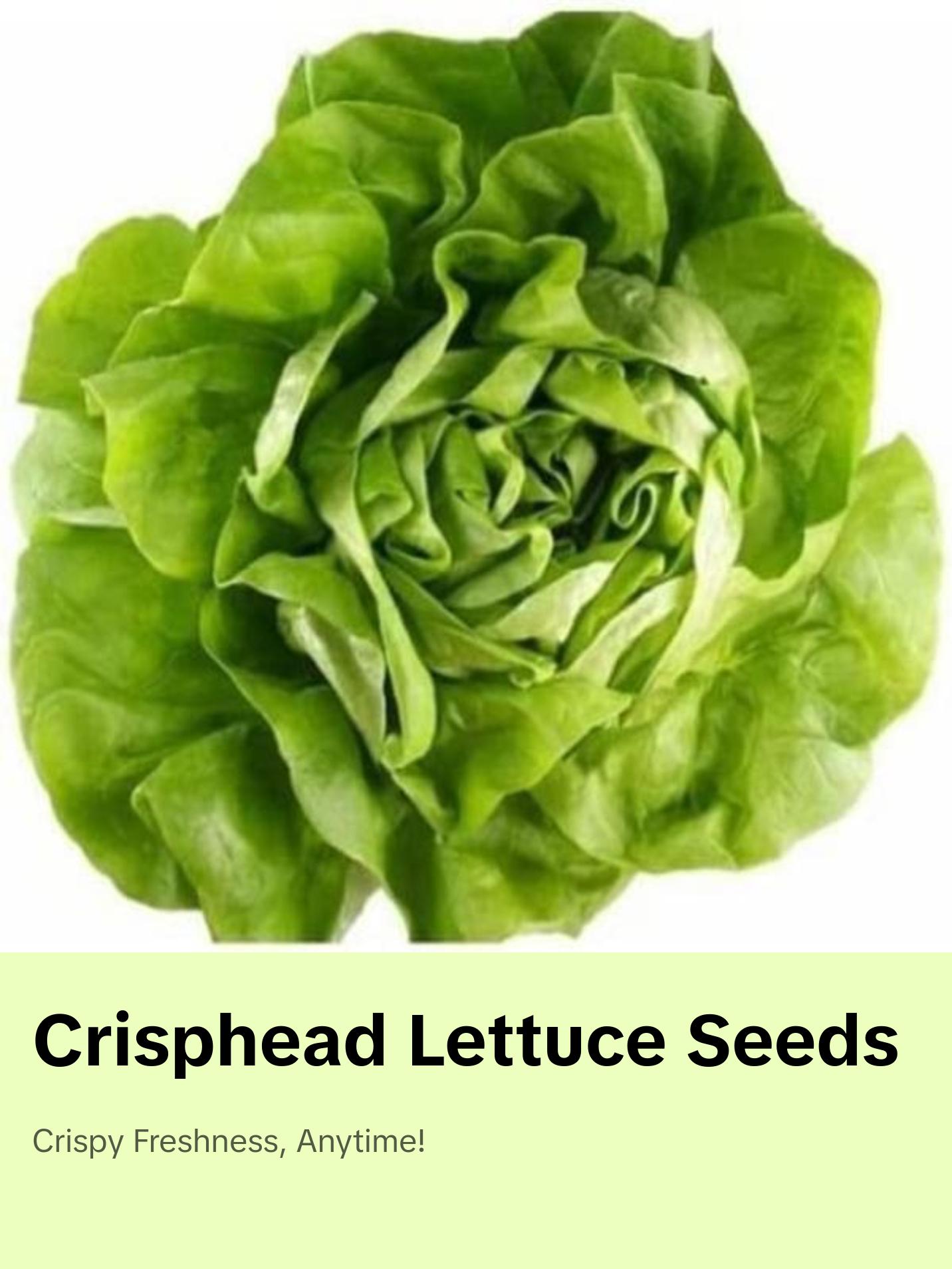
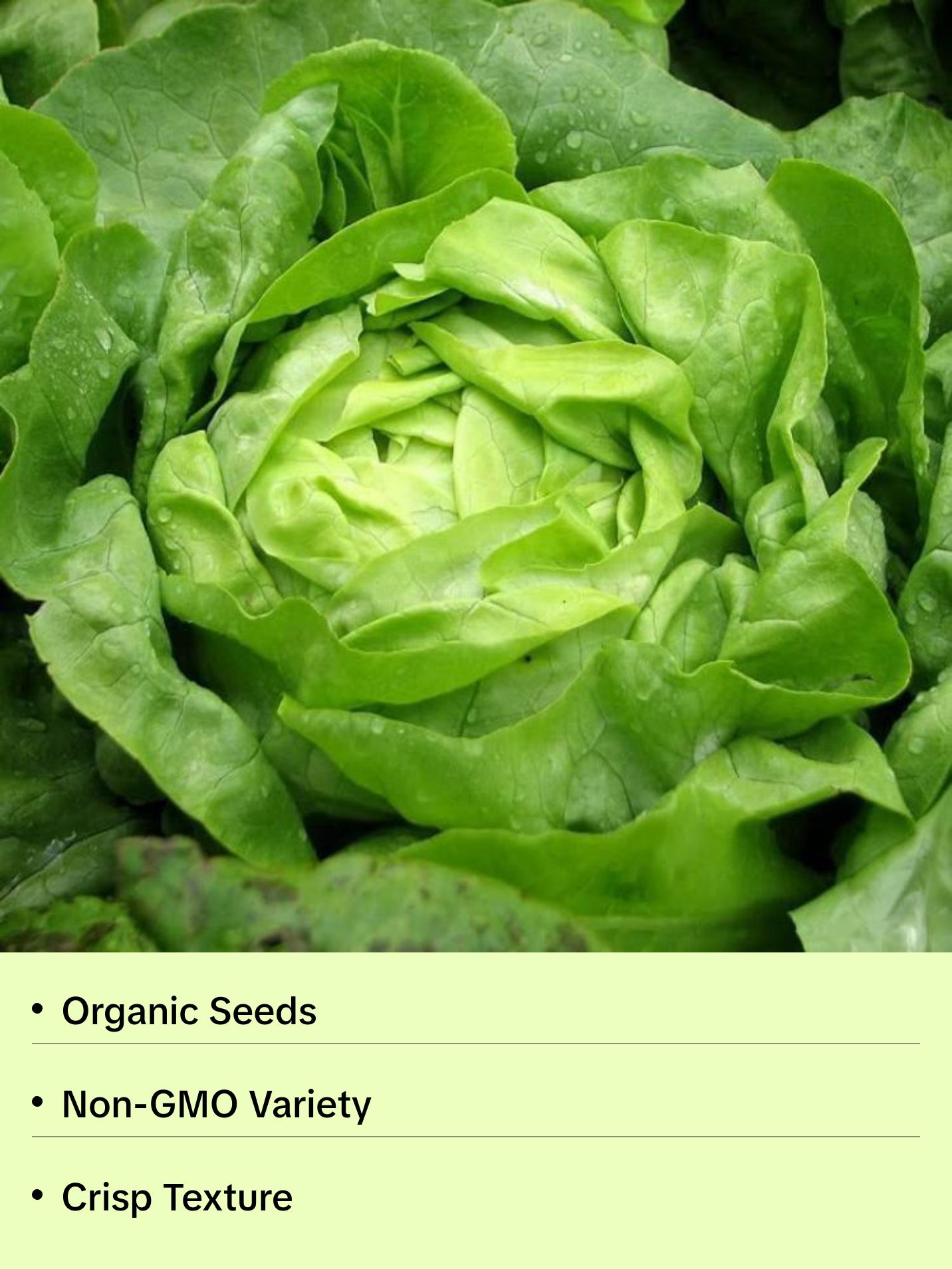
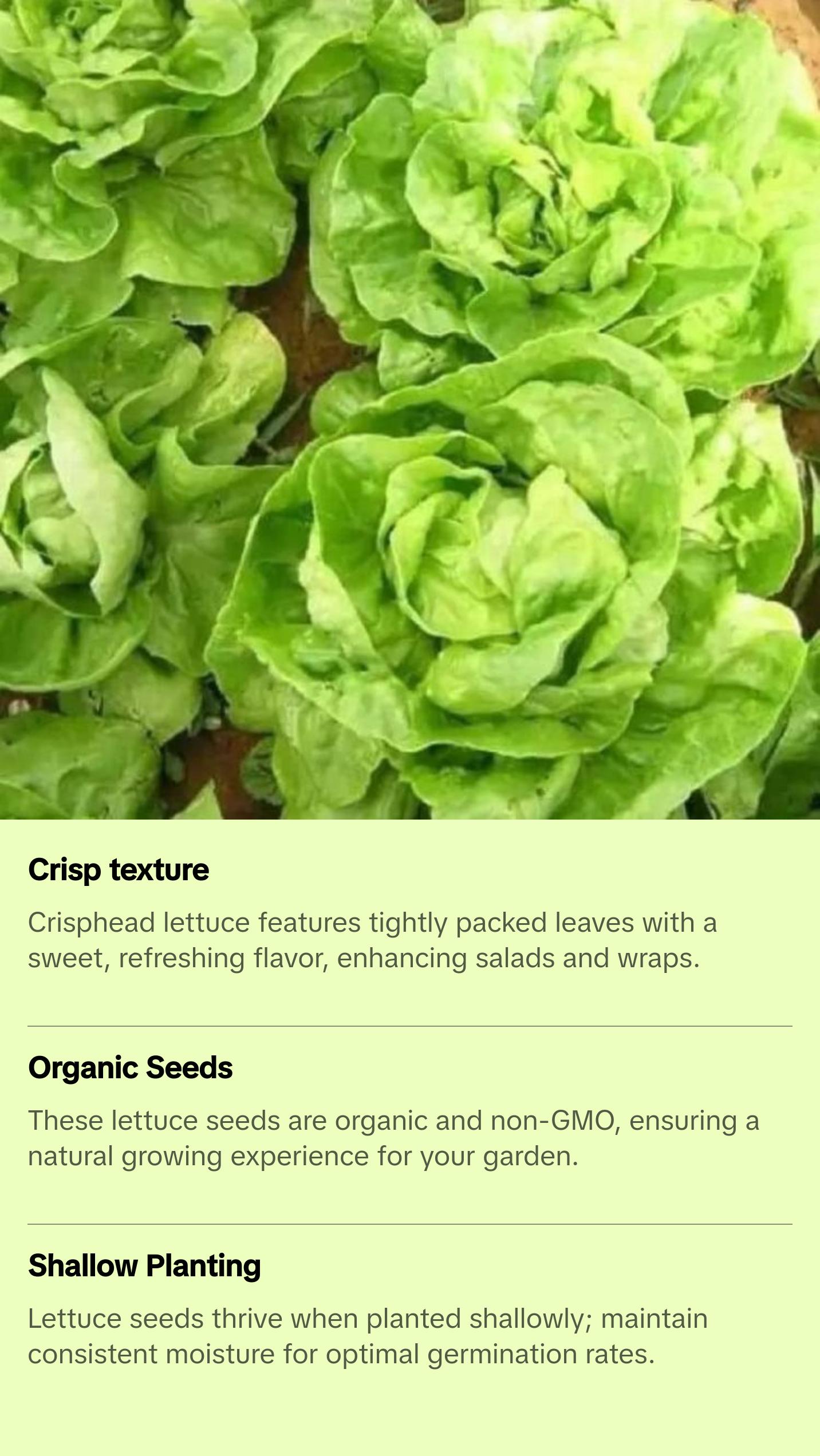

Crisphead Lettuce Iceberg, Loose-Leaf, butterhead Vegetable is a productive garden favorite that delivers fresh, nutrient-rich harvests you can enjoy all season long. Easy to grow in containers, raised beds, or traditional gardens — perfect for home cooks and gardeners who want the unmatched flavor of homegrown produce.
This variety thrives in USDA zones 3-11 depending on your climate, and adapts beautifully to indoor and outdoor growing. Start from seed for the most rewarding gardening experience — there is nothing quite like nurturing a plant from its very first sprout.
🌱 Step-by-Step Growing Guide
1. Seed Prep and Sowing: Start seeds indoors 4-6 weeks before last frost, or direct sow after soil warms to 60F+. Soak larger seeds overnight for faster germination.
2. Planting and Container Setup: Full sun (6-8+ hours daily). Use rich, well-draining soil amended with compost. Space according to variety — containers (10-20 gallon) or raised beds work great.
3. Germination and Early Care: Expect sprouts in 5-14 days at 65-80F. Keep soil evenly moist. Thin seedlings to proper spacing — crowded plants produce less.
4. Growth and Maintenance: Mulch around plants to retain moisture and suppress weeds. Fertilize every 3-4 weeks with balanced organic fertilizer. Watch for common pests and use companion planting.
5. Harvesting: Harvest regularly when produce reaches desired size — frequent picking encourages continued production. Morning harvest gives the freshest, crispest results.
💡 Pro Tips for Every State
- Midwest and Northeast: Start indoors in March-April for strong transplants. Use cold frames or row covers to extend the growing season.
- South and Southwest: Direct sow once soil warms above 60F. Provide consistent irrigation in summer heat for best production.
- Container and Balcony Growers: Grow in 10-20 gallon containers on sunny balconies. Cherry and compact varieties are perfect for small spaces.
🍳 Easy Recipes and Creative Uses
- Garden-Fresh Salad: Harvest and toss together a nutrient-rich salad with crisp leaves, herbs, and a light vinaigrette
- Homemade Stir-Fry or Soup: Dice fresh garden vegetables into quick stir-fries, soups, or one-pot meals for healthy weeknight dinners
- Pickling & Preserving: Preserve your harvest by pickling, fermenting, or freezing — enjoy homegrown flavors all year round
📋 Care and Storage
- Store unused seeds in a cool, dry place — sealed container in the fridge extends viability 2-3+ years
- Water consistently — morning watering prevents fungal issues and keeps plants hydrated through the day
- Mulch around plants to retain moisture, suppress weeds, and regulate soil temperature
- Check your USDA hardiness zone at planting time for the best results in your specific region
🌤️ Microclimate Optimization
Understanding and leveraging your garden's unique microclimates can dramatically improve growing success. South-facing walls absorb and radiate heat, creating warm zones perfect for heat-loving varieties and extending the season. Areas under tree canopies offer dappled shade ideal for woodland species and heat-sensitive crops during summer. Low-lying garden spots tend to collect cold air (frost pockets) and moisture — position cold-hardy varieties here and reserve higher ground for frost-sensitive plants. Use thermal mass elements like stone pathways, water features, or dark-colored containers to absorb daytime heat and release it gradually overnight, buffering temperature swings by 5-10°F. Install a simple min/max thermometer at plant height in different garden zones to map your microclimate variations and make data-driven planting decisions that optimize each variety's placement for peak performance.
⭐ Quality Assurance & Satisfaction Guarantee
We stand behind the quality of every product in our catalog with a comprehensive satisfaction guarantee. Each batch undergoes careful inspection before packaging to ensure it meets our strict quality standards for freshness, purity, and viability. Our sourcing partnerships prioritize sustainable, ethical production methods that respect both the environment and the communities involved in cultivation and processing. Customer feedback drives our continuous improvement process — we carefully review every review and rating to identify opportunities for enhancing our products and services. Detailed product information, usage guides, and growing tips are provided to help you achieve the best possible results. Contact us with questions, suggestions, or feedback at any time — we genuinely value the relationship we build with every customer and are committed to your long-term success and satisfaction.
Integrated Pest Management and Season Extension
Prevention-First Approach: The most effective pest management starts before problems appear. Choose disease-resistant varieties when possible, rotate crops annually to break pest cycles, and maintain proper plant spacing for air circulation that prevents fungal diseases. Healthy, well-nourished plants are naturally more resistant to pests and diseases than stressed plants.
Biological Controls: Encourage natural predators in your garden. Ladybugs consume up to 5,000 aphids in their lifetime. Green lacewing larvae are voracious predators of soft-bodied insects. Install birdhouses to attract insectivorous birds. Plant yarrow, fennel, and sweet alyssum to provide habitat for predatory wasps and hoverflies. A single bat house can eliminate thousands of mosquitoes nightly.
Organic Remedies: When intervention is needed, reach for the gentlest solution first. A strong spray of water dislodges many soft-bodied insects. Neem oil spray (diluted per label instructions) disrupts feeding and reproduction of over 200 insect species while being safe for beneficial insects when applied correctly. Diatomaceous earth creates a physical barrier against crawling insects. BT (Bacillus thuringiensis) targets caterpillars specifically without harming other organisms.
Extending Your Growing Season: Use cold frames, row covers, and hoop houses to add 4-8 weeks to both ends of your growing season. Start seeds indoors 6-8 weeks before last frost under LED grow lights. In fall, protect mature plants with frost cloth rated to 28 degrees F. For year-round growing, consider a simple greenhouse — even a small one can produce fresh herbs and greens through winter in most climates.


