



4 pack x 100 Locust Tree Seeds, Vietnamese Honey Locust Seeds Gleditsia Tree Seeds
Regular price $8.99
TL;DR (AI Summary)
This product offers 400 non-GMO Vietnamese Honey Locust (Gleditsia) tree seeds, pre-treated for optimal germination, ideal for hardy, fast-growing ornamental and sustainable landscaping.
- ✅ Best for: Urban landscapers
- ✅ Best for: Home gardeners seeking low-maintenance trees
- ✅ Best for: Eco-conscious landowners
- ✅ Best for: Park and municipal planners
- ❌ Not suitable for: Indoor houseplant cultivation
- ❌ Not suitable for: Edible crop farming (seed pods not guaranteed edible)
- ❌ Not suitable for: Tropical or frost-prone microclimates without protection
Key Features:
- Seed Count: 400 seeds (4 packs of 100)
- Species: Vietnamese Honey Locust (Gleditsia spp.)
- Germination Prep: Requires scarification and 24–48 hr hot water soak
- Growth Conditions: Full sun, well-drained soil, adaptable to poor soils
- Use Case: Sustainable landscaping, urban greening, erosion control
Honey locust seeds. Growing locust trees, and the Vietnamese locust in particular (Gleditsia species), from seed is an interesting and satisfying endeavor for anybody interested in adding these beautiful and resilient trees to their yard. Because of their rapid growth, lengthy wood supply, and resilience to many conditions, love trees are ideal for urban landscapes, parks, and gardens. Following these steps will allow you to cultivate Vietnamese locust seeds.
Making Sense of Vietnamese Locust Trees
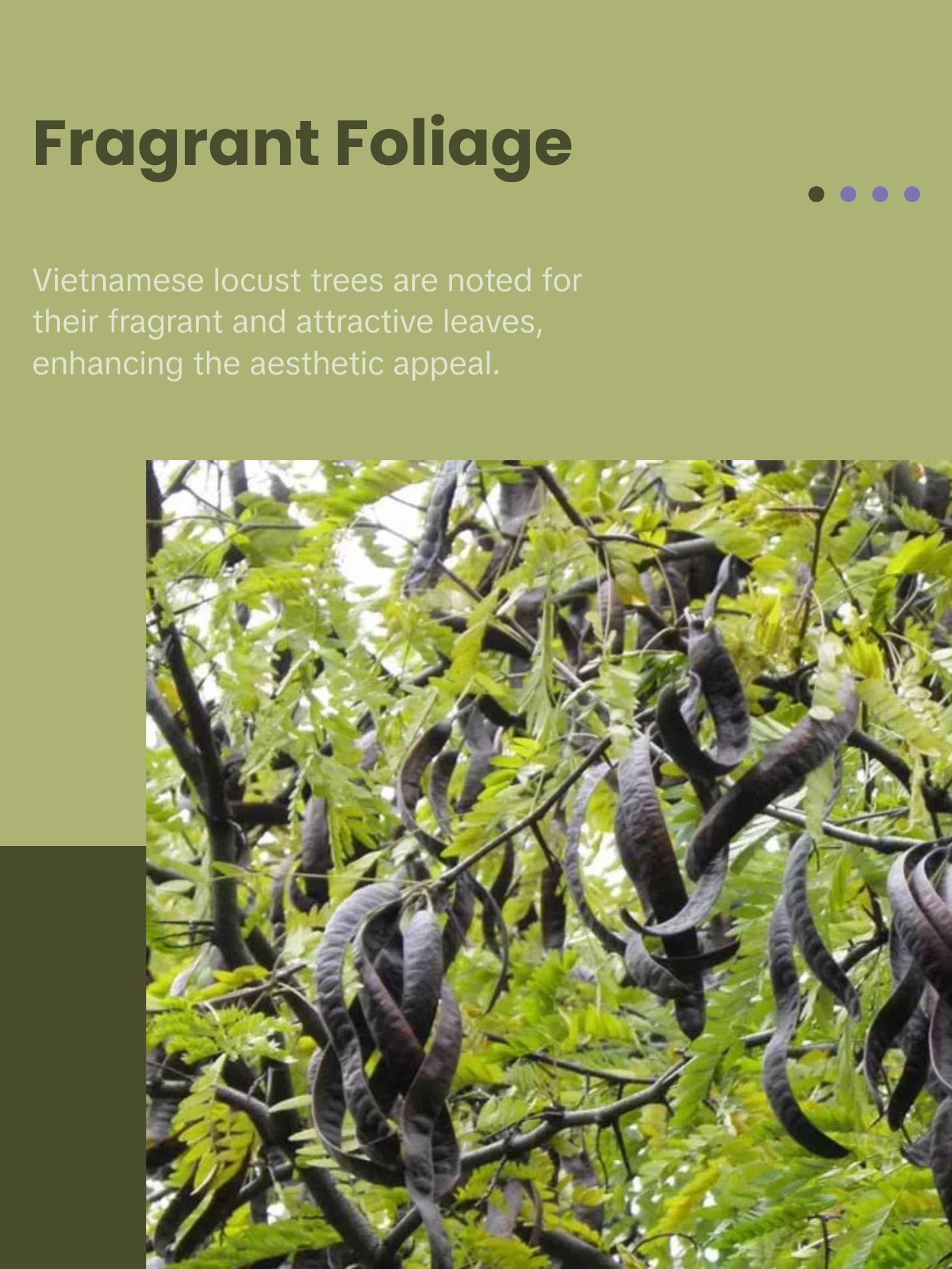
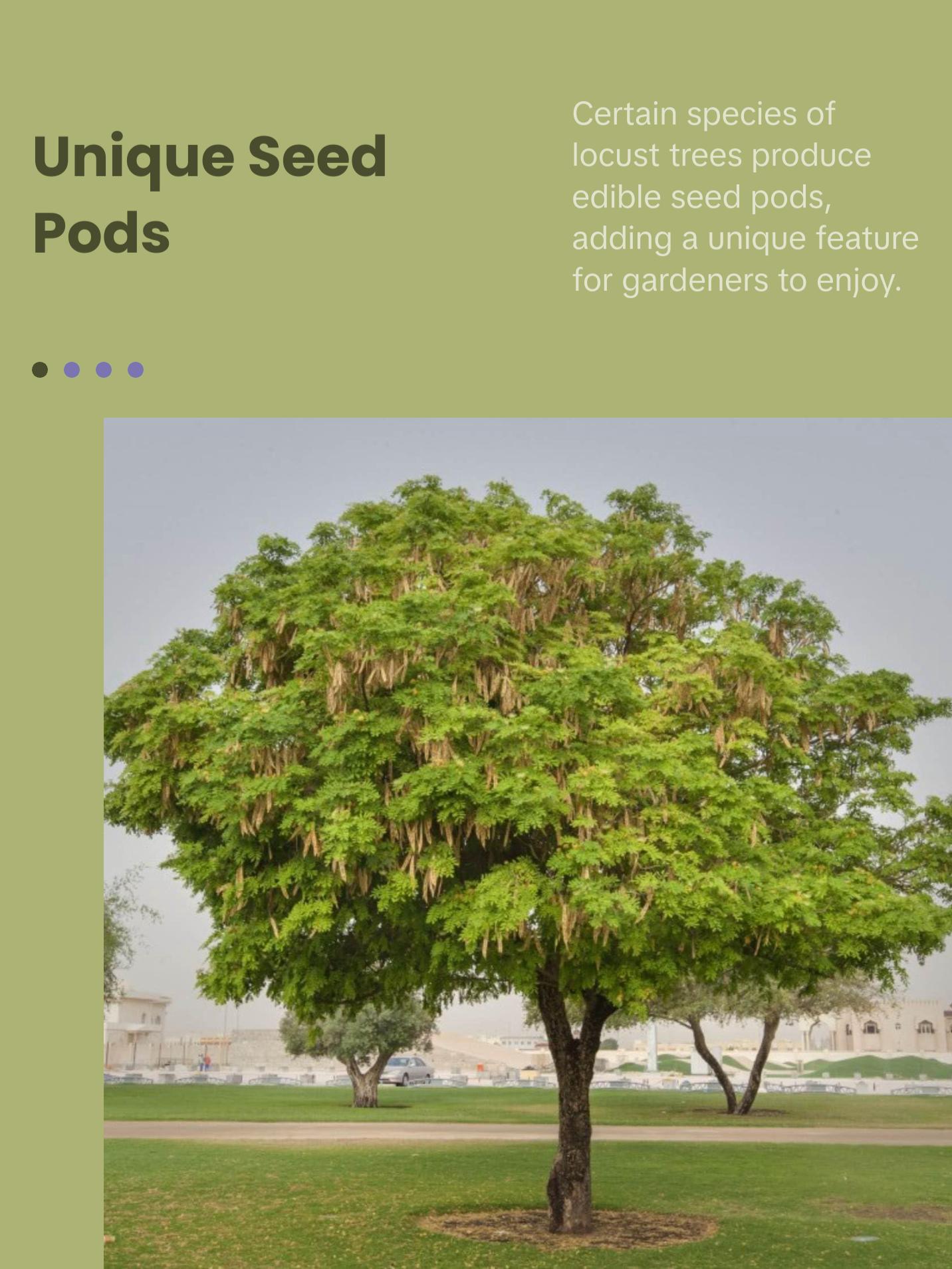
The Vietnamese locust tree is a member of the Gleditsia family and is renowned for its fragrant, attractive leaves, unique bark, and, in certain species, edible seed pods. In terms of soil and climate, they are quite adaptable.
How to Select and Plant Seeds Expertly
You should begin with healthy, non-GMO seeds if you would like your locust tree seeds to germinate properly.
Scarification is necessary for the germination of locust tree seeds, which have a hard outer shell. The technique enhances the absorption of water. This can be achieved by submerging the seed in hot water or by delicately nicking its coat with a tool. A minimum of 24 to 48 hours of soaking in hot water (not boiling) will cause the seeds to swell.
Planning the Sowing and Gathering Process
Locust trees thrive on infertile, well-drained soil. They can really flourish in a wide range of soil types, so it's not like soil quality is an issue for them.
After scarification and soaking, plant the seeds about half an inch deep using a seed starting mix. Choose a sunny place and wait for frost to pass if you choose to plant outside. Just by adding heat and light, you may encourage seed germination inside.
minor: Locust trees thrive in full sun but can handle minor shade. Full light is essential for plants for their best growth and form.
Repairs and Maintenance
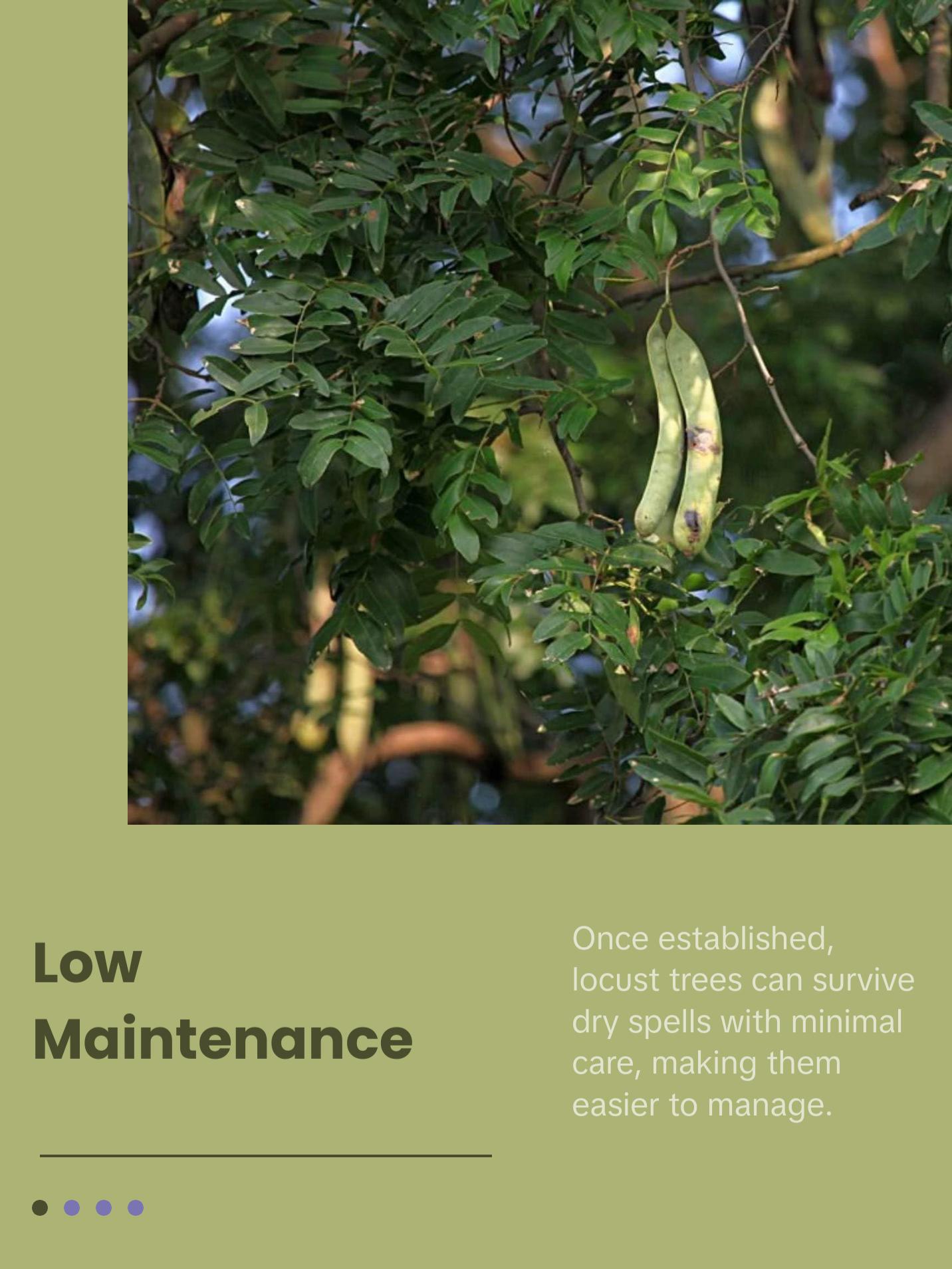
Maintaining Moist Soil: Water the seeds often without soaking the soil. Planting locust trees ensures that they will survive dry spells with minimal care.
If you are planting many trees, space them 20 to 30 feet apart to provide adequate room for air circulation and to accommodate the plants' eventual size.
The act of transplantation
Transplanting seedlings outdoors is possible after they are a few inches tall and the risk of frost has passed.
Care for Seedlings Properly: Take great care not to damage the root system while transferring seedlings. To ensure a smooth transition for the plants after transplanting, be sure to water them well.
Growth and Advancement
It is often known that locust trees grow at a rapid speed. In a few years, they can start to grow a canopy if the conditions are just perfect.
From one species to another, there is a wide range in how long it takes for these trees to mature and begin bearing fruit.
At last
Successful seed-starting of Vietnamese Locust trees has the potential to produce beautiful, long-lived trees that are a welcome addition to any landscape. Planting locust seeds correctly, caring for them, and watching them grow may provide beautiful and practical trees that you can enjoy for many years. Locust trees are attractive to many landscapers and gardeners due to their multi-use, long lifespan, and ecological benefits, as well as the shade they provide.
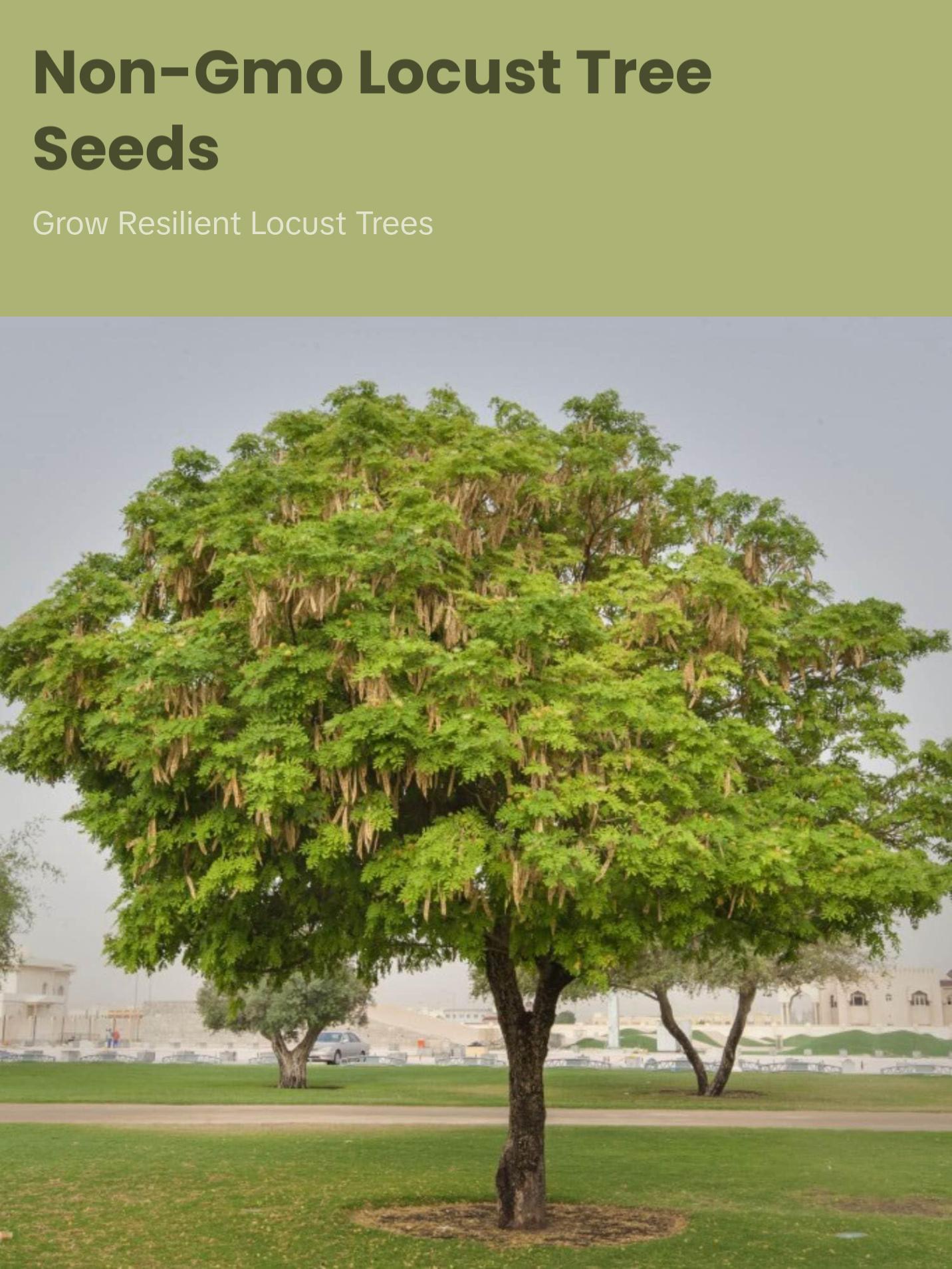
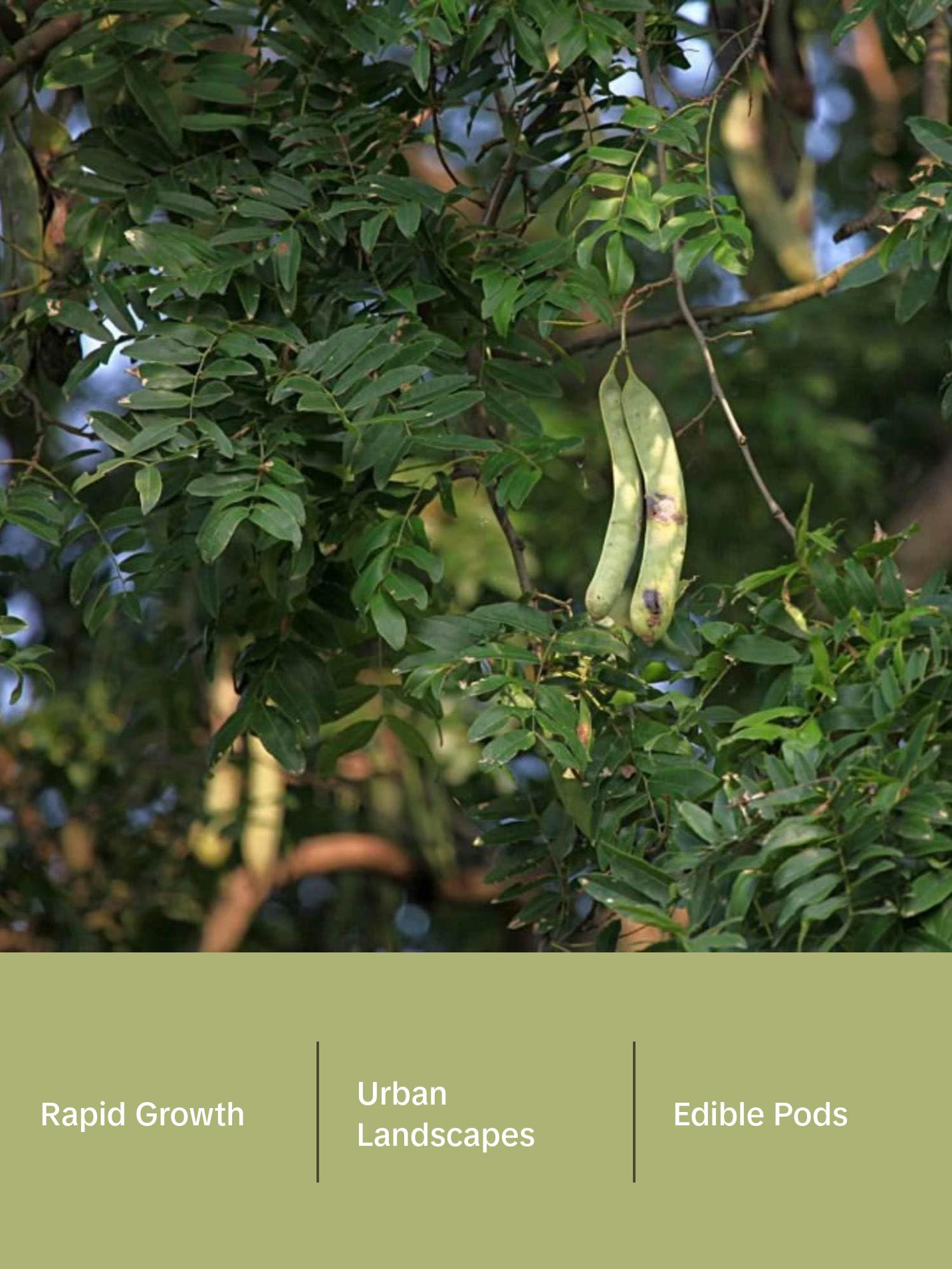
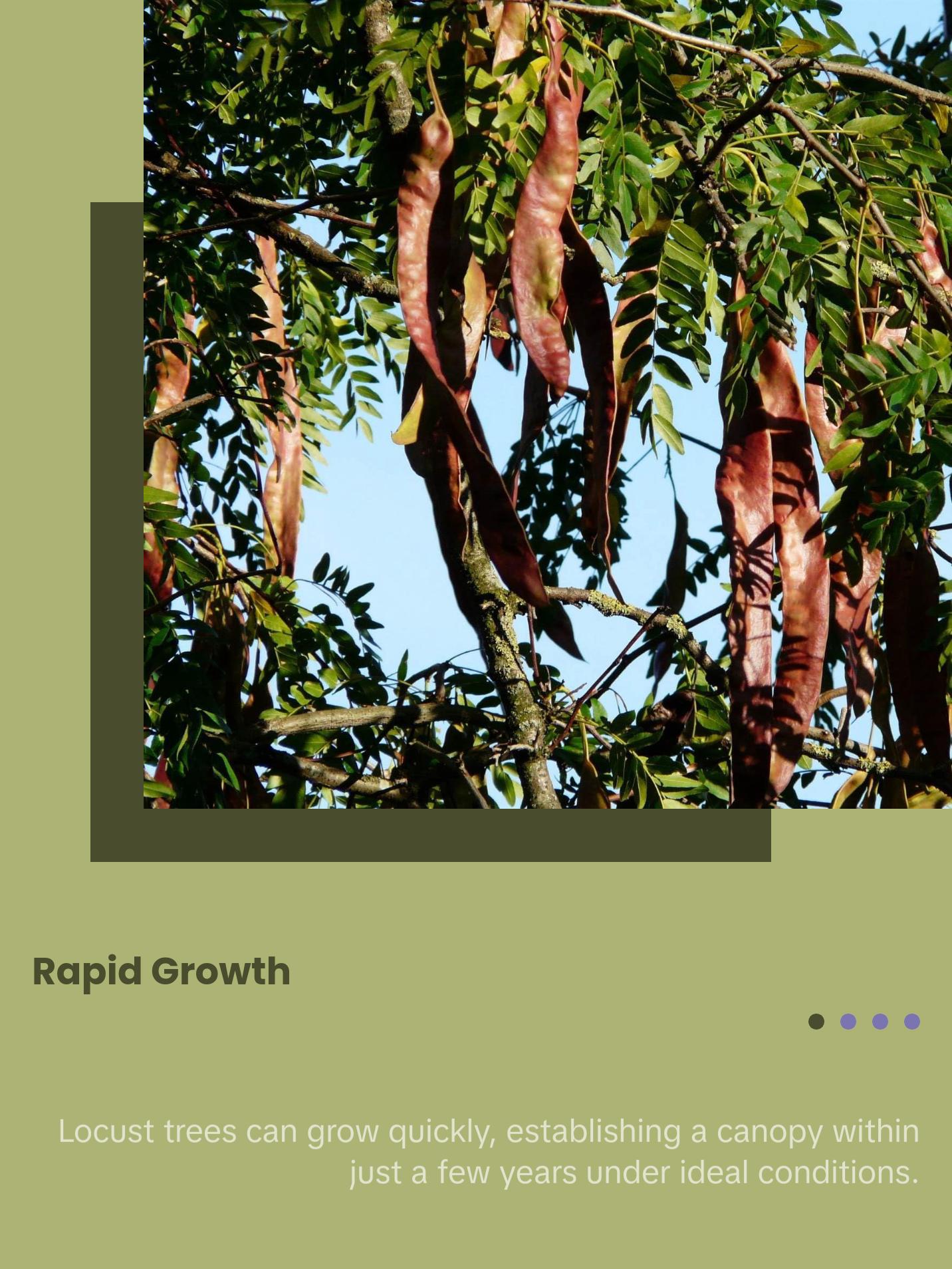
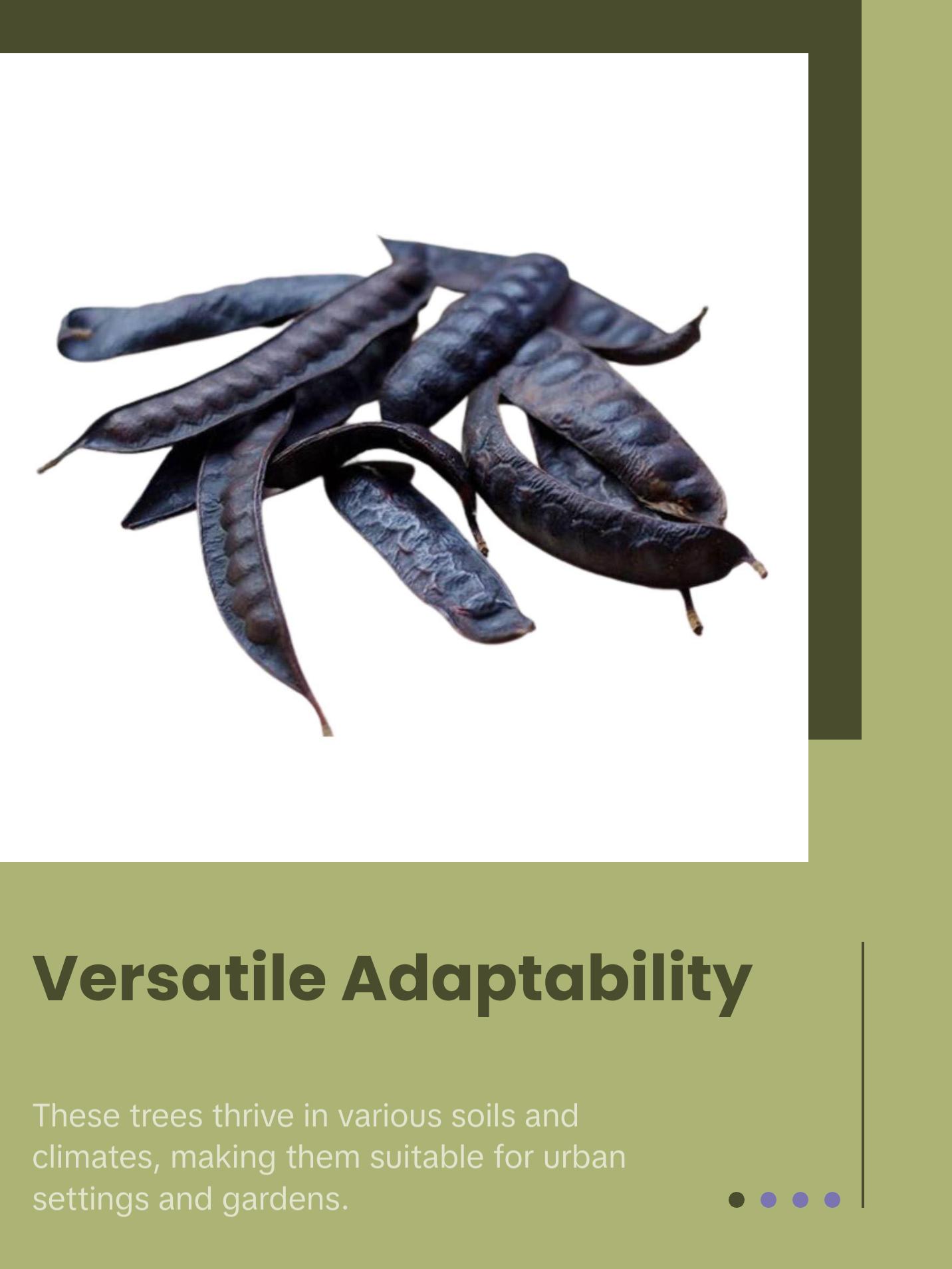

Locust Tree Vietnamese or Bo Ket is a rewarding tree to grow from seed — watch a tiny seed transform into a magnificent living landmark that provides shade, beauty, and habitat for decades. Perfect for home landscapers, reforestation projects, and anyone who appreciates the art of growing trees from the very beginning.
This variety thrives in USDA zones 3-11 depending on your climate, and adapts beautifully to indoor and outdoor growing. Start from seed for the most rewarding gardening experience — there is nothing quite like nurturing a plant from its very first sprout.
🌱 Step-by-Step Growing Guide
1. Seed Prep and Sowing: Soak seeds in warm water for 24 hours. Many tree seeds benefit from cold stratification — place in damp sand in a sealed bag and refrigerate for 30-90 days before sowing.
2. Planting and Container Setup: Start in deep pots or root trainers to allow tap root development. Use well-draining soil amended with compost. Full sun to partial shade (6+ hours daily).
3. Germination and Early Care: Germination can take 14-60+ days depending on species. Keep soil evenly moist but never waterlogged. Be patient — some tree seeds sprout irregularly.
4. Growth and Maintenance: Grow seedlings in containers for 1-2 years before transplanting to their permanent location. Water deeply during dry periods. Protect from strong winds and extreme temperatures.
5. Harvesting: Trees are living investments that grow with your family. Expect seedlings to reach 6-12 inches in the first year. Many trees provide shade, beauty, and habitat for decades.
💡 Pro Tips for Every State
- Midwest and Northeast: Start in deep pots and grow indoors for 1-2 years before transplanting. Protect young trees from harsh winter winds.
- South and Southwest: Direct sow in fall for natural stratification, or plant out in early spring when soil is workable.
- Container and Balcony Growers: Grow seedlings in large containers for the first 1-2 years. Choose the perfect permanent spot when the tree is ready.
🍳 Easy Recipes and Creative Uses
- Shade & Privacy Screen: Plant as a natural windbreak or living fence for year-round beauty and privacy in your yard
- Wildlife Habitat: Provides nesting sites for birds, food for pollinators, and shelter for beneficial garden insects
- Bonsai & Container Art: Train young seedlings into stunning bonsai specimens — a rewarding long-term hobby for all skill levels
📋 Care and Storage
- Store unused seeds in a cool, dry place — sealed container in the fridge extends viability 2-3+ years
- Water consistently — morning watering prevents fungal issues and keeps plants hydrated through the day
- Mulch around plants to retain moisture, suppress weeds, and regulate soil temperature
- Check your USDA hardiness zone at planting time for the best results in your specific region
Advanced Soil Science and Companion Planting
Understanding Your Soil: The foundation of every successful garden begins beneath the surface. Before planting, test your soil pH using an inexpensive kit from any garden center. Most seeds thrive in slightly acidic to neutral soil (pH 6.0-7.0). If your soil is too acidic, add agricultural lime; if too alkaline, add sulfur or peat moss. The ideal soil structure is loamy — a balanced mix of sand, silt, and clay that retains moisture while allowing good drainage.
Building Living Soil: Healthy soil is a living ecosystem containing billions of microorganisms per teaspoon. Feed your soil with aged compost, worm castings, and mycorrhizal fungi inoculant. These beneficial organisms form symbiotic relationships with plant roots, extending their effective root zone by up to 700% and making locked-up nutrients bioavailable. Avoid synthetic fertilizers that can disrupt this delicate microbial balance.
Companion Planting Strategies: Strategic plant pairings can dramatically improve growth, pest resistance, and flavor. Plant aromatic herbs like basil, dill, and cilantro nearby to attract beneficial pollinators and repel harmful insects through volatile oil release. Marigolds are excellent border plants that deter nematodes and aphids. Avoid planting near allelopathic species like black walnut, which release juglone into the soil.
Mulching for Success: Apply 2-3 inches of organic mulch (straw, shredded leaves, or wood chips) around established seedlings. Mulch regulates soil temperature, conserves moisture by up to 70%, suppresses weeds, and gradually feeds the soil as it decomposes. Leave a small gap around stems to prevent collar rot.
Integrated Pest Management and Season Extension
Prevention-First Approach: The most effective pest management starts before problems appear. Choose disease-resistant varieties when possible, rotate crops annually to break pest cycles, and maintain proper plant spacing for air circulation that prevents fungal diseases. Healthy, well-nourished plants are naturally more resistant to pests and diseases than stressed plants.
Biological Controls: Encourage natural predators in your garden. Ladybugs consume up to 5,000 aphids in their lifetime. Green lacewing larvae are voracious predators of soft-bodied insects. Install birdhouses to attract insectivorous birds. Plant yarrow, fennel, and sweet alyssum to provide habitat for predatory wasps and hoverflies. A single bat house can eliminate thousands of mosquitoes nightly.
Organic Remedies: When intervention is needed, reach for the gentlest solution first. A strong spray of water dislodges many soft-bodied insects. Neem oil spray (diluted per label instructions) disrupts feeding and reproduction of over 200 insect species while being safe for beneficial insects when applied correctly. Diatomaceous earth creates a physical barrier against crawling insects. BT (Bacillus thuringiensis) targets caterpillars specifically without harming other organisms.
Extending Your Growing Season: Use cold frames, row covers, and hoop houses to add 4-8 weeks to both ends of your growing season. Start seeds indoors 6-8 weeks before last frost under LED grow lights. In fall, protect mature plants with frost cloth rated to 28 degrees F. For year-round growing, consider a simple greenhouse — even a small one can produce fresh herbs and greens through winter in most climates.