



2000 Red Clover Seeds Flower Seeds Trifolium Pratense Plant Seeds
Regular price $6.00
TL;DR (AI Summary)
Pack of 2000 red clover (Trifolium pratense) seeds ideal for outdoor planting; supports biodiversity, attracts pollinators, and enriches soil with minimal care.
- ✅ Best for: Home gardeners seeking low-maintenance perennials
- ✅ Best for: Eco-conscious growers improving soil nitrogen levels
- ✅ Best for: Pollinator-friendly garden projects
- ❌ Not suitable for: Indoor container gardening
- ❌ Not suitable for: Immediate blooming (requires germination period)
- ❌ Not suitable for: Use as a dietary or medical supplement
Key Features:
- Seed Count: 2000 seeds
- Plant Type: Perennial legume (Trifolium pratense)
- Germination Care: Requires consistent moisture and thin soil cover
- Ecological Benefit: Nitrogen-fixing, attracts bees and pollinators
- Growth Habit: Self-seeding; may require containment in small gardens
Cultivate Nutritious Blooms: Red Clover Seeds for Rich Soil and Vibrant Gardens
Red Clover Seeds for planting
An Account of a Gardener's Experience with Seed-Grown Red Clover
Growing Red Clover (Trifolium pratense) from a packet of 2000 seeds was an exciting and satisfying experience for a gardener like myself. The opportunity to add red clover, with its beautiful flowers and many ecological benefits, to my garden was a great way to boost biodiversity and beauty. I've recorded the entire process of cultivating these heritage plants, beginning with seed sowing and ending with their blossoming.
A Trifolium pratense plant, often known as red clover Laying out
This adaptable plant has expanded its range to several new locations around the globe, having originally originated in Europe, Western Asia, and northwest Africa.
Much of the temperate world grows this legume because of its importance as a feed crop.
With the ability to self-sow, this perennial typically lives for three to five years on average.
The Most Important Thing: Planting seeds
Locate it in an area that mimics its natural temperate habitat as closely as possible.
Planting Technique: Spread the seeds out evenly and cover them with a thin layer of soil.
I kept the soil moist at all times during the germination process to encourage sprouting.
I observed the sprouting of the seedlings at an early stage and, with diligence and attention, they developed into lush, verdant leaves.
Keep in mind that it required minimal care due to its hardy nature.
Watering it frequently, especially when it was dry, was the most critical thing.
Problems and Shifts
To keep it from spreading uncontrollably, growth control measures should be put in place due to its inclination to self-seed.
Things I've Learned and Acquired on My Own
Increased Variety: The garden's ecosystem benefited from the increase of pollinators.
Decorative Worth: The vibrant flowers gave my yard a much-needed splash of color.
Lastly, a few comments
If you are a gardener looking to include a stunning and practical legume into your garden, crimson clover is a great choice.
Contentment with One's Life: My connection to nature and understanding of plant ecosystems were both enhanced by the very satisfying experience of witnessing a seed develop into a flowering plant.
Growing Red Clover from seed was more than simply adding a plant to my yard; it was also an opportunity to embrace a species that contributes to ecological balance and brings aesthetic pleasure. Red clover is an excellent choice if you are interested in sustainable gardening, want a plant that is beneficial to pollinators and the environment, or both. My garden has thrived and I've learned so much from using these heritage seeds.
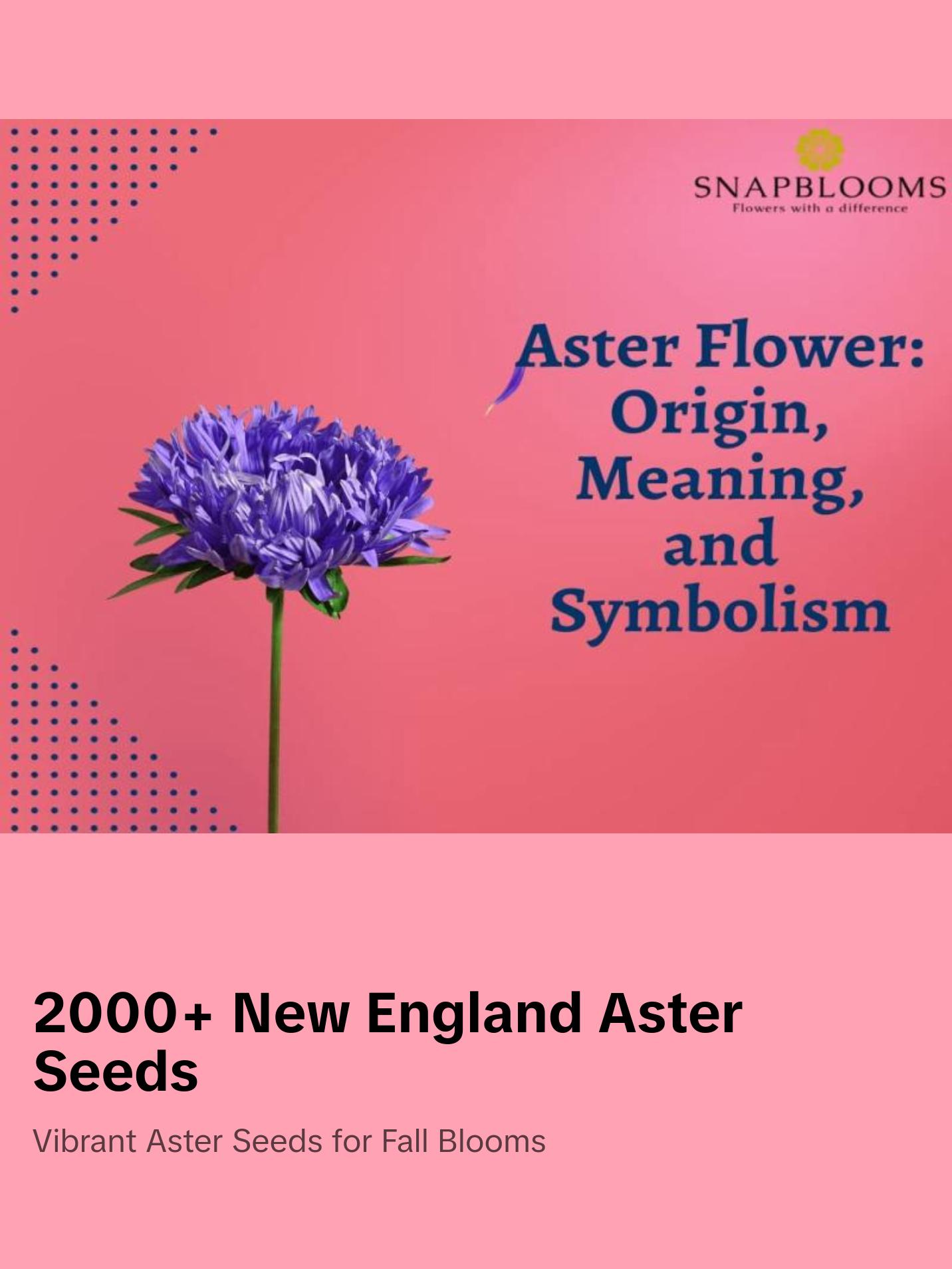
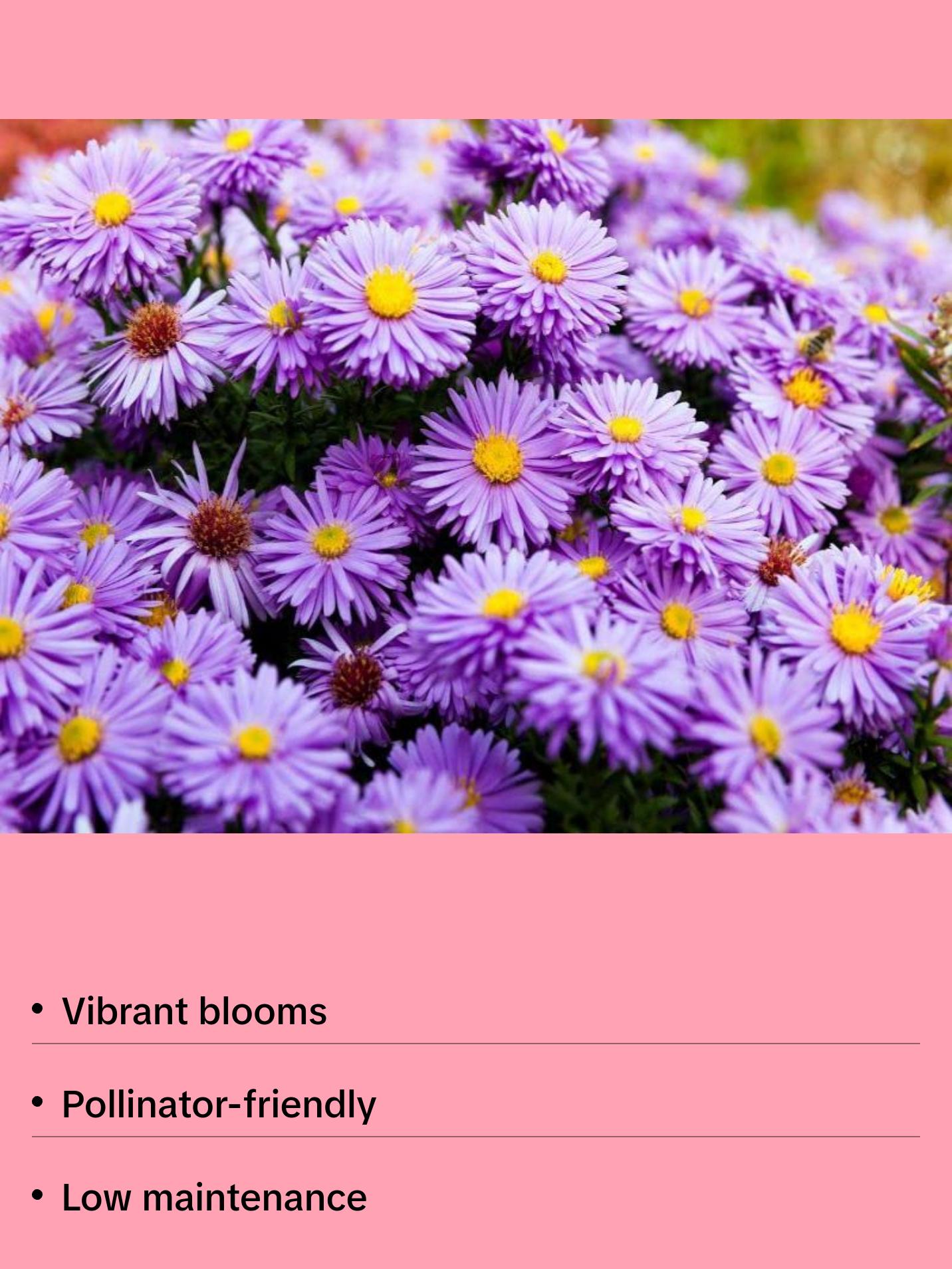

New England Aster Flower Plant Fall produces stunning blooms that transform any garden, balcony, or container into a colorful showpiece. These easy-to-grow flowers are perfect for fresh-cut arrangements, pollinator gardens, and adding natural beauty to your outdoor living spaces.
This variety thrives in USDA zones 3-11 depending on your climate, and adapts beautifully to indoor and outdoor growing. Start from seed for the most rewarding gardening experience — there is nothing quite like nurturing a plant from its very first sprout.
🌱 Step-by-Step Growing Guide
1. Seed Prep and Sowing: Start seeds indoors 6-8 weeks before last frost, or direct sow outside after the last frost date. Some flower seeds benefit from a light overnight soak.
2. Planting and Container Setup: Full sun (6+ hours daily) for best blooming. Works beautifully in containers, window boxes, borders, and raised beds. Use well-draining, moderately fertile soil.
3. Germination and Early Care: Germination typically takes 7-21 days at 65-75F. Keep soil consistently moist but not soggy. Light may help germination for some species.
4. Growth and Maintenance: Deadhead spent blooms regularly to encourage continuous flowering. Fertilize every 4-6 weeks with a bloom-boosting fertilizer. Provide support for taller varieties.
5. Harvesting: Cut flowers in early morning for the longest vase life. Regular cutting encourages more blooms. Allow some flowers to go to seed for next year's garden.
💡 Pro Tips for Every State
- Midwest and Northeast: Start seeds indoors 6-8 weeks before last frost for blooms by early summer. Succession sow for continuous color.
- South and Southwest: Direct sow in early spring for quick establsihment. Many varieties self-seed for years of free flowers.
- Container and Balcony Growers: Window boxes and railing planters create stunning displays. Mix heights and colors for maximum visual impact.
🍳 Easy Recipes and Creative Uses
- Fresh-Cut Arrangements: Cut flowers in the morning and arrange in vases throughout your home for stunning natural beauty
- Dried Flower Crafts: Hang-dry blooms for wreaths, pressed flower art, potpourri, and long-lasting decorative arrangements
- Pollinator Paradise: Attract bees, butterflies, and hummingbirds to your garden — essential for healthy ecosystems and food gardens
📋 Care and Storage
- Store unused seeds in a cool, dry place — sealed container in the fridge extends viability 2-3+ years
- Water consistently — morning watering prevents fungal issues and keeps plants hydrated through the day
- Mulch around plants to retain moisture, suppress weeds, and regulate soil temperature
- Check your USDA hardiness zone at planting time for the best results in your specific region
📦 Shipping & Handling Information
Every order is carefully packaged using industry-standard materials designed to protect your purchase during transit. We ship within 1-3 business days using tracked, insured shipping methods to ensure safe and timely delivery to your door. Packaging materials are selected to maintain product integrity through temperature variations and handling during transport. Track your order in real-time through the tracking number provided via email notification after dispatch. International customers should note that delivery times may vary based on customs processing in your destination country. If you have any concerns about your order upon arrival, our responsive customer support team is available to assist with replacements, refunds, or additional guidance to ensure your complete satisfaction with every purchase.
🧺 Harvesting & Post-Harvest Storage
Timing your harvest correctly maximizes flavor, nutrition, and shelf life. Most leafy greens reach peak quality when harvested in the cool morning hours after dew has evaporated but before afternoon heat causes wilting. Use clean, sharp pruning shears to make precise cuts that heal quickly and reduce disease entry points. For root vegetables, wait until foliage begins to yellow and die back naturally before gently loosening soil with a garden fork. Store harvested produce properly: leafy greens wrapped in damp paper towels inside perforated bags maintain crispness for 7-10 days in the refrigerator crisper drawer at 35-40°F. Root vegetables store best in cool, dark, humid conditions (32-40°F, 90-95% humidity) and can last 3-6 months when properly cured. Preserve surplus harvest through dehydrating, freezing, or fermentation for year-round enjoyment.
Advanced Soil Science and Companion Planting
Understanding Your Soil: The foundation of every successful garden begins beneath the surface. Before planting, test your soil pH using an inexpensive kit from any garden center. Most seeds thrive in slightly acidic to neutral soil (pH 6.0-7.0). If your soil is too acidic, add agricultural lime; if too alkaline, add sulfur or peat moss. The ideal soil structure is loamy — a balanced mix of sand, silt, and clay that retains moisture while allowing good drainage.
Building Living Soil: Healthy soil is a living ecosystem containing billions of microorganisms per teaspoon. Feed your soil with aged compost, worm castings, and mycorrhizal fungi inoculant. These beneficial organisms form symbiotic relationships with plant roots, extending their effective root zone by up to 700% and making locked-up nutrients bioavailable. Avoid synthetic fertilizers that can disrupt this delicate microbial balance.
Companion Planting Strategies: Strategic plant pairings can dramatically improve growth, pest resistance, and flavor. Plant aromatic herbs like basil, dill, and cilantro nearby to attract beneficial pollinators and repel harmful insects through volatile oil release. Marigolds are excellent border plants that deter nematodes and aphids. Avoid planting near allelopathic species like black walnut, which release juglone into the soil.
Mulching for Success: Apply 2-3 inches of organic mulch (straw, shredded leaves, or wood chips) around established seedlings. Mulch regulates soil temperature, conserves moisture by up to 70%, suppresses weeds, and gradually feeds the soil as it decomposes. Leave a small gap around stems to prevent collar rot.