



4600 Yellow Field Corn Seeds - Hardy and Adaptable
Regular price $16.99
Field Corn Seeds for planting
Discoveries, obstacles, and tremendous joy abound in the ever-evolving world of sustainable agriculture and home gardening. I would want to take you on a journey into the corn growing world today, concentrating on the 4600 Yellow Field Corn Seeds, a hardy and adaptable type.
Yellow Field Corn at Its Core: A Sustainable Food Source
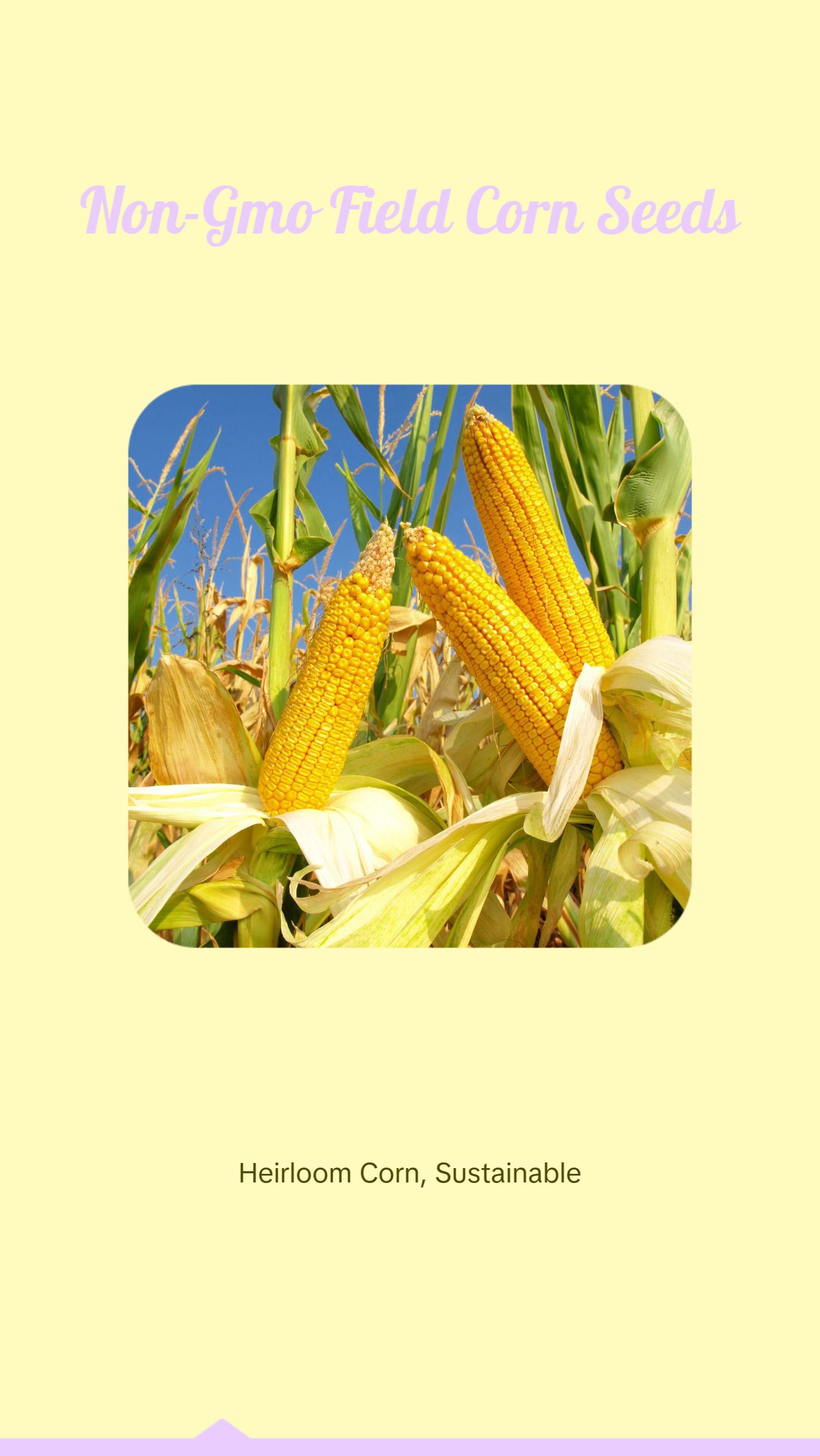
At its core, sustainable agriculture revolves around Yellow Field Corn, and more specifically, the Dent Corn type. My own quest to embrace heritage, non-GMO crops started a few years ago, and I've been hooked on these hearty kernels ever since. My garden and my table have been much enhanced by this species, which is renowned for its strong growth and versatility.
Gentle Cultivation: Growing Non-GMO Heritage Corn
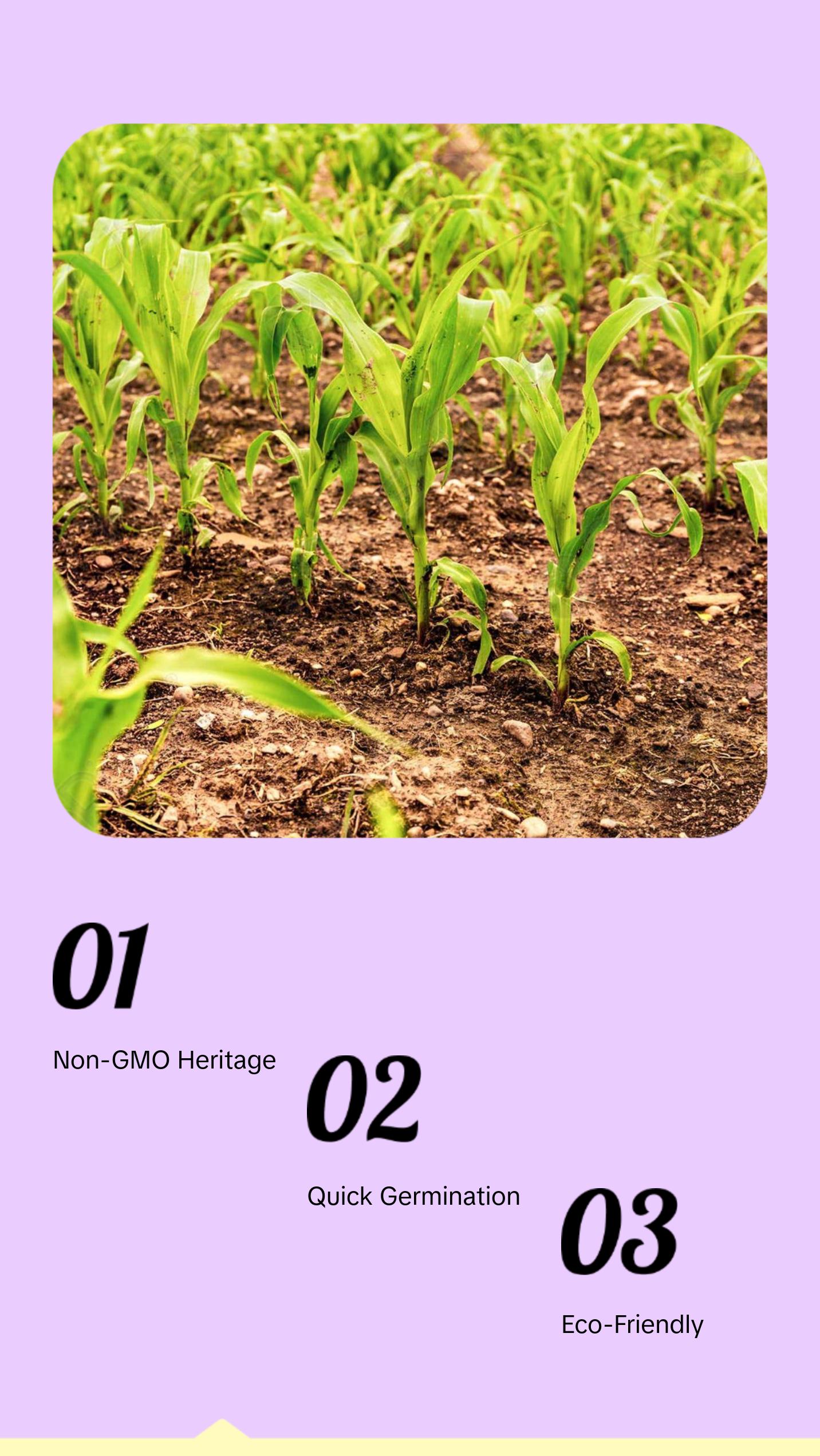
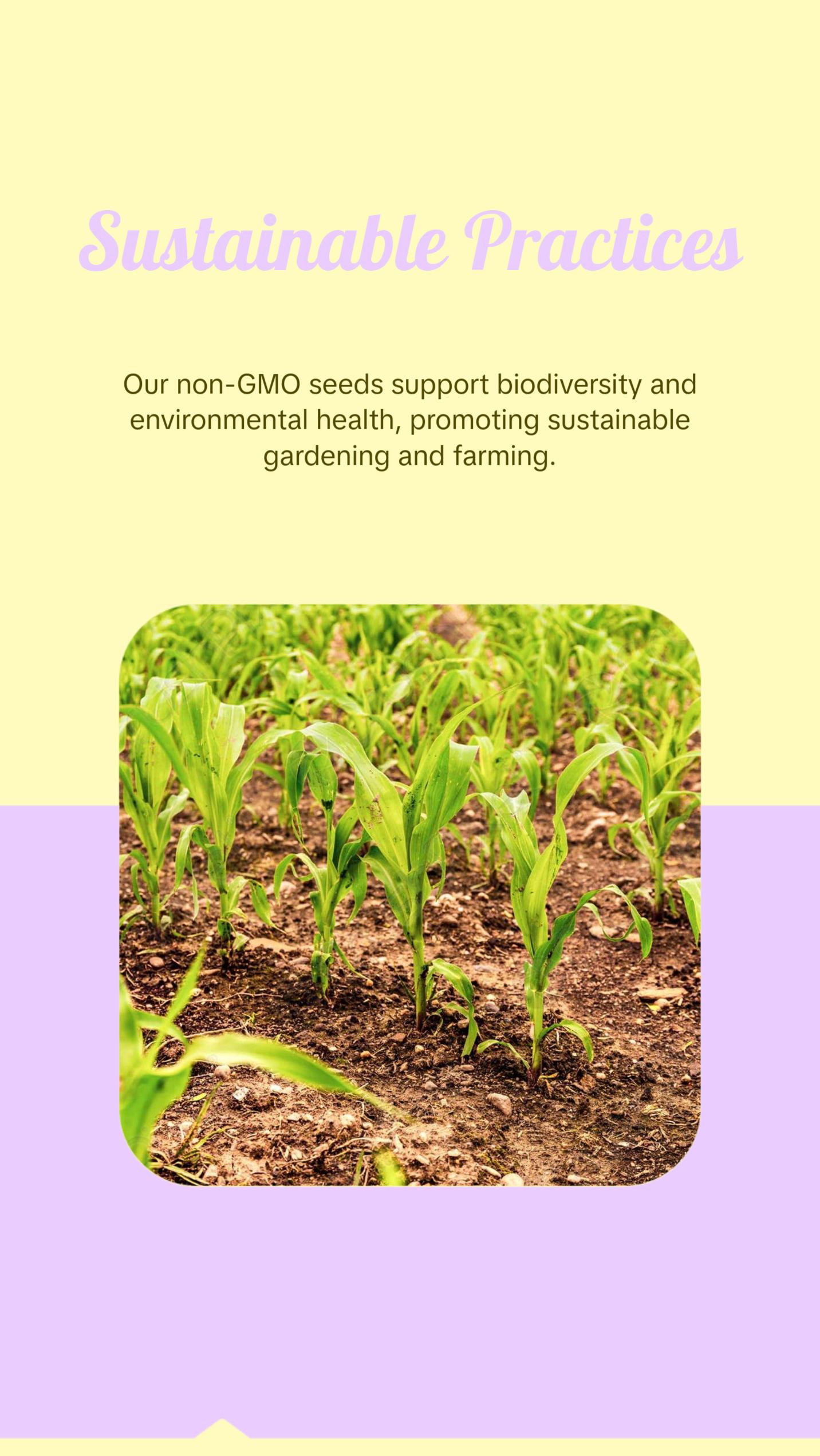
To ensure the healthiest produce and to preserve biodiversity, it was a deliberate choice to start with heritage, non-GMO seeds. Sowing these seeds requires an artistic touch as well as scientific precision. The first step in ensuring the success of these seedlings is proper soil preparation, which entails adding organic compost to the soil. The most important thing is to give the seeds plenty of room to grow; I discovered that when I put them in rows 30–36 inches apart, they get the best air circulation and sunshine exposure, which reduces the likelihood of problems.
Care for Your Plants: From Seed to Harvest
The path of growing of Yellow Field Corn exemplifies the need of being patient and kind. To maintain healthy, robust plants, it is important to water them regularly, particularly during dry times, and to apply natural fertilizers sparingly. I feel a sense of pride whenever I see the stalks reaching for the sky and the leaves spreading out like flags. The maize grows unmolested thanks to pest treatment that uses eco-friendly methods.
The Fruits of Your Labor: The Harvest
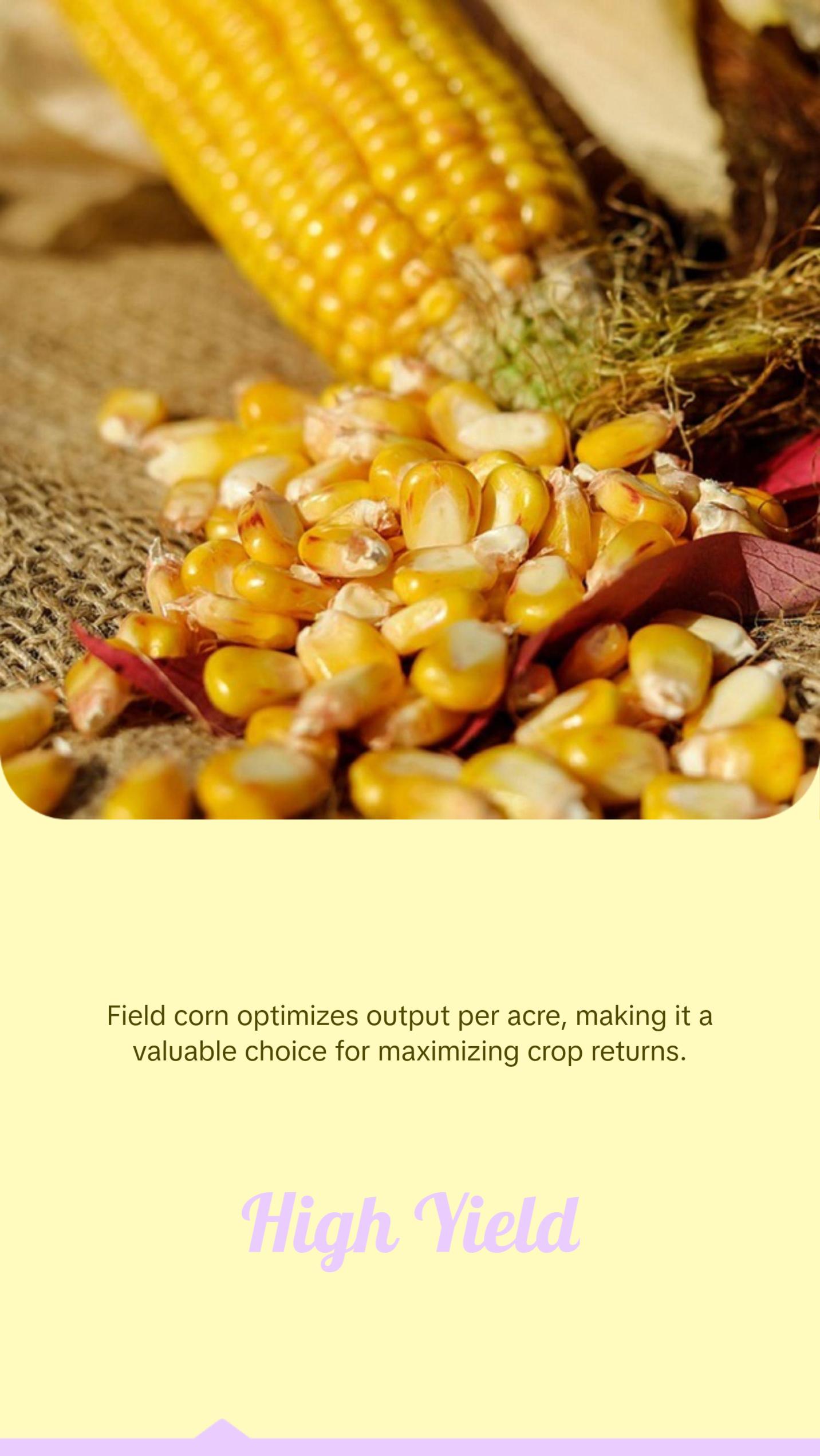
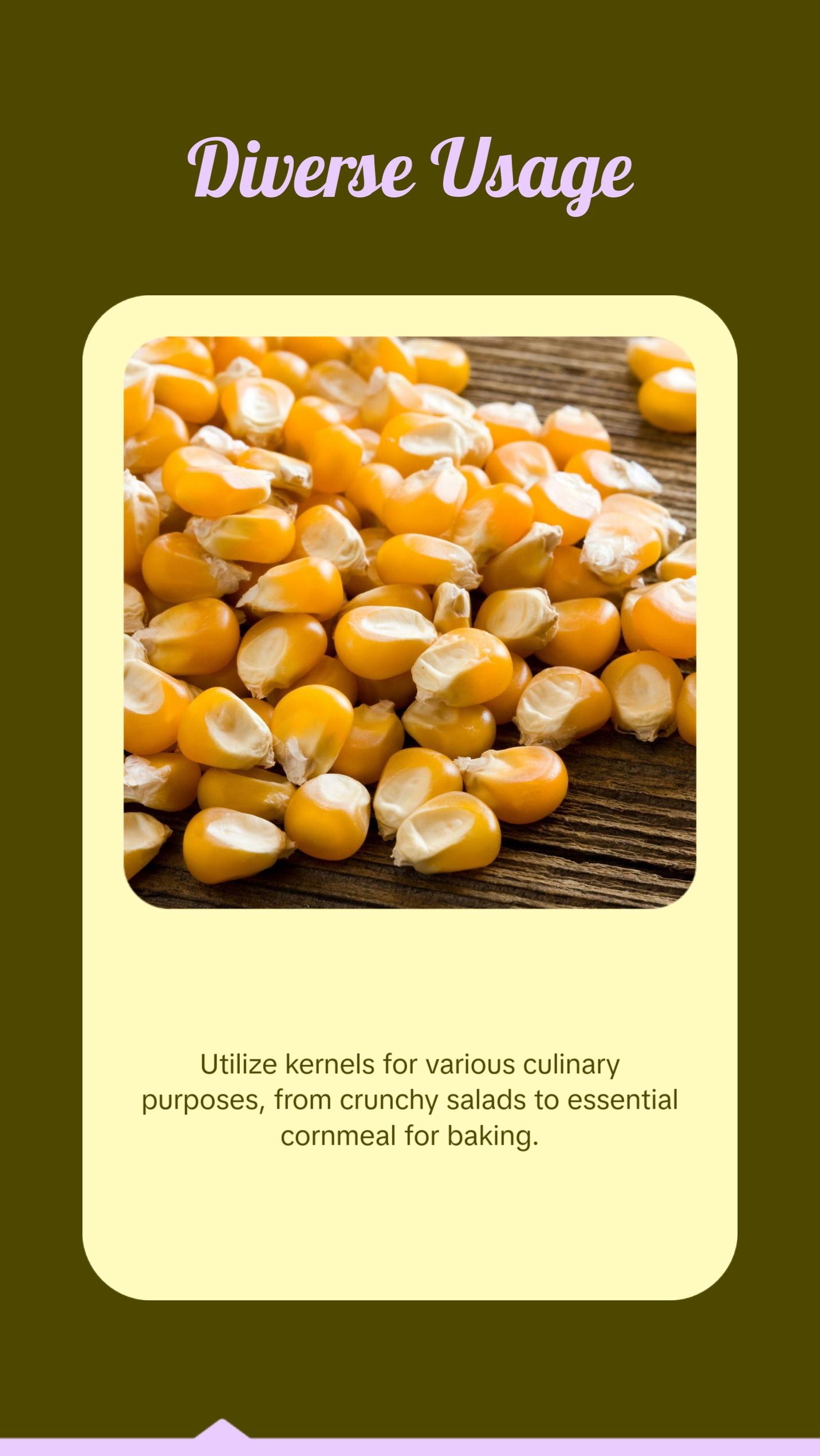
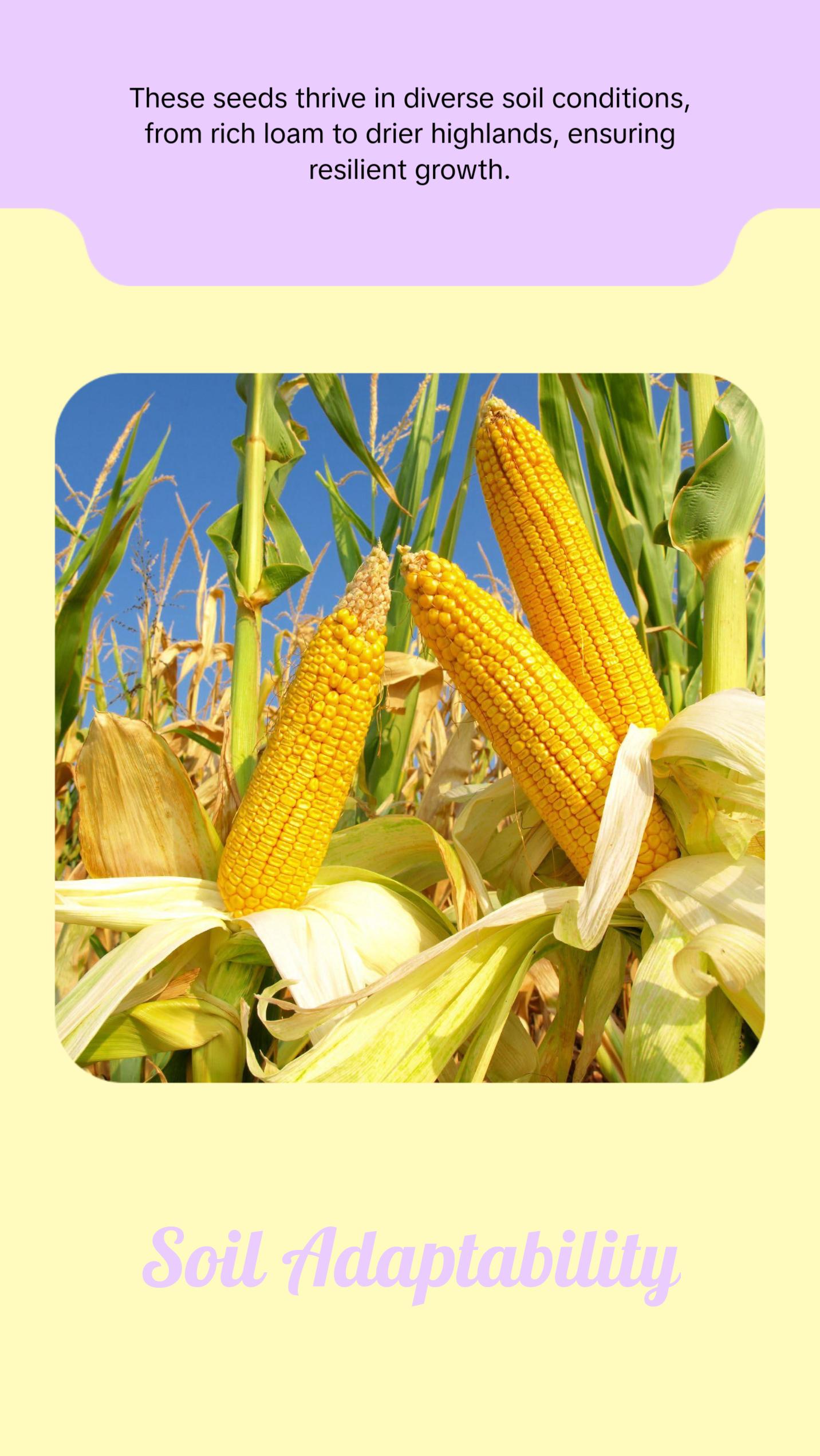
There is an indescribable sense of fulfillment that comes with harvest season. Just looking at the golden ears of corn that are ready to be picked is a delight. Dried corn kernels provide the foundation for healthy cornmeal, bringing us closer to the planet with each meal we eat.
Turning Maize Into Food: A Field to Table Journey
One way that I may connect with the past is by grinding the dried kernels into cornmeal. I mill these kernels by hand until they are a fine, golden cornmeal, which is ideal for cooking and baking. The taste is unparalleled; it's full-bodied, nutty, and nutritious. It's a mainstay in my kitchen, appearing in muffins, polenta, bread, and any meal that honors the goodness of homegrown ingredients.
The Life Cycle: Preserving Seeds for Succession
After the harvest, the cycle of sustainability continues. As a gardener, I find that saving seeds for subsequent planting seasons strengthens my bond with the land and guarantees a harvest in the future. This heirloom corn variety will be preserved for generations to come by selecting only the healthiest ears of corn for seed storage.
Thoughts on an Extending Path to Long-Term Success
Reflecting on the ups and downs, struggles and abundant harvests, the adventure of growing 4600 Yellow Field Corn Seeds has been an influential part of my life story. This story is about developing a stronger bond with nature, embracing sustainability, and protecting biodiversity. Planting a single kernel of corn is a long-term commitment to protecting the genetic diversity of our planet and guaranteeing that future generations will have access to nutritious food.
Sharing my journey with others is my way of encouraging them to start their own sustainable gardening journeys. It's proof that we can grow more than just food—a healthier, more sustainable world—if we are patient, careful, and respectful of nature.

Field Corn Yellow Dent Meal, Grinding is a productive garden favorite that delivers fresh, nutrient-rich harvests you can enjoy all season long. Easy to grow in containers, raised beds, or traditional gardens — perfect for home cooks and gardeners who want the unmatched flavor of homegrown produce.
This variety thrives in USDA zones 3-11 depending on your climate, and adapts beautifully to indoor and outdoor growing. Start from seed for the most rewarding gardening experience — there is nothing quite like nurturing a plant from its very first sprout.
🌱 Step-by-Step Growing Guide
1. Seed Prep and Sowing: Start seeds indoors 4-6 weeks before last frost, or direct sow after soil warms to 60F+. Soak larger seeds overnight for faster germination.
2. Planting and Container Setup: Full sun (6-8+ hours daily). Use rich, well-draining soil amended with compost. Space according to variety — containers (10-20 gallon) or raised beds work great.
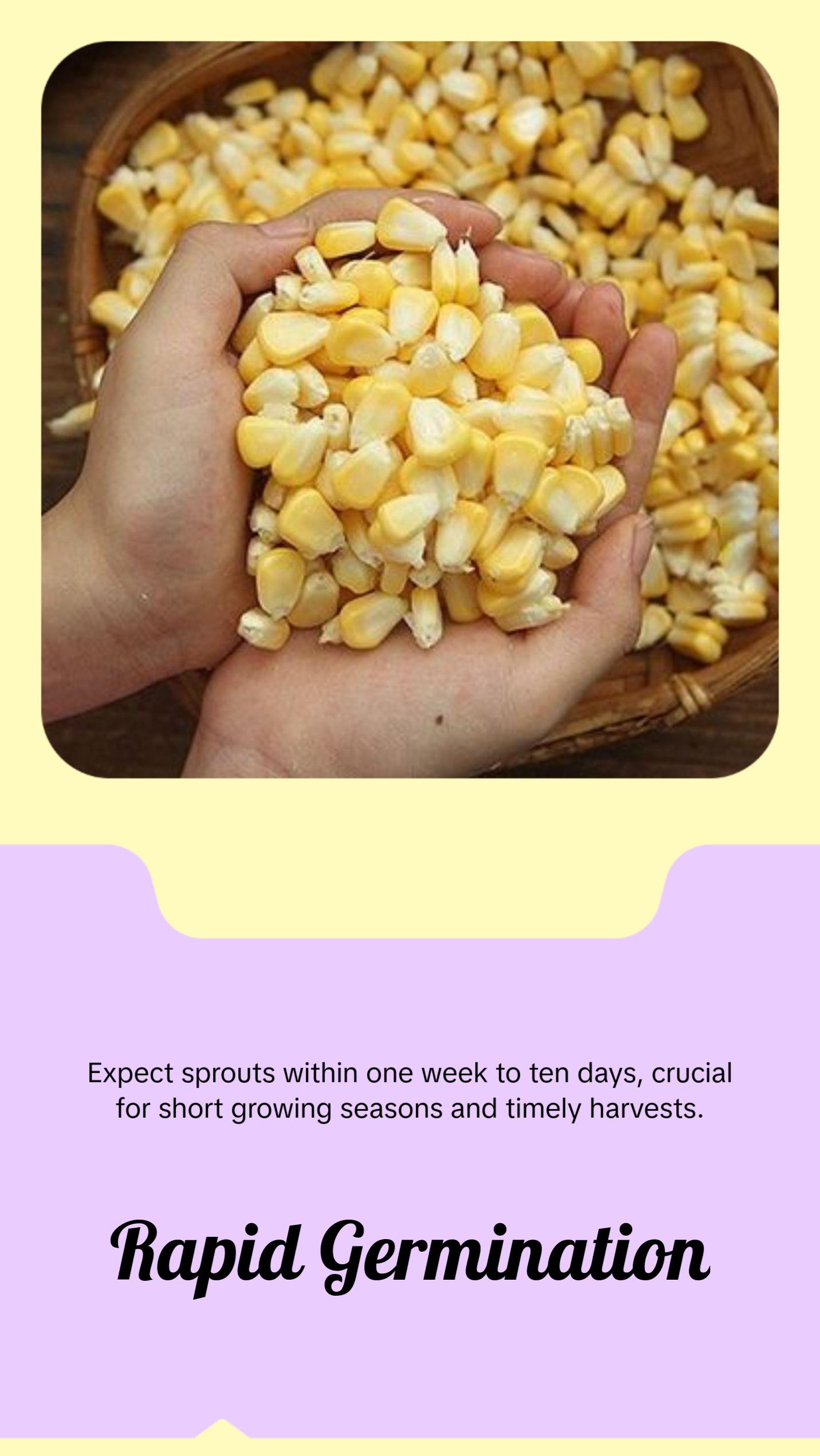
3. Germination and Early Care: Expect sprouts in 5-14 days at 65-80F. Keep soil evenly moist. Thin seedlings to proper spacing — crowded plants produce less.
4. Growth and Maintenance: Mulch around plants to retain moisture and suppress weeds. Fertilize every 3-4 weeks with balanced organic fertilizer. Watch for common pests and use companion planting.
5. Harvesting: Harvest regularly when produce reaches desired size — frequent picking encourages continued production. Morning harvest gives the freshest, crispest results.
💡 Pro Tips for Every State
- Midwest and Northeast: Start indoors in March-April for strong transplants. Use cold frames or row covers to extend the growing season.
- South and Southwest: Direct sow once soil warms above 60F. Provide consistent irrigation in summer heat for best production.
- Container and Balcony Growers: Grow in 10-20 gallon containers on sunny balconies. Cherry and compact varieties are perfect for small spaces.
🍳 Easy Recipes and Creative Uses
- Garden-Fresh Salad: Harvest and toss together a nutrient-rich salad with crisp leaves, herbs, and a light vinaigrette
- Homemade Stir-Fry or Soup: Dice fresh garden vegetables into quick stir-fries, soups, or one-pot meals for healthy weeknight dinners
- Pickling & Preserving: Preserve your harvest by pickling, fermenting, or freezing — enjoy homegrown flavors all year round
📋 Care and Storage
- Store unused seeds in a cool, dry place — sealed container in the fridge extends viability 2-3+ years
- Water consistently — morning watering prevents fungal issues and keeps plants hydrated through the day
- Mulch around plants to retain moisture, suppress weeds, and regulate soil temperature
- Check your USDA hardiness zone at planting time for the best results in your specific region
Integrated Pest Management and Season Extension
Prevention-First Approach: The most effective pest management starts before problems appear. Choose disease-resistant varieties when possible, rotate crops annually to break pest cycles, and maintain proper plant spacing for air circulation that prevents fungal diseases. Healthy, well-nourished plants are naturally more resistant to pests and diseases than stressed plants.
Biological Controls: Encourage natural predators in your garden. Ladybugs consume up to 5,000 aphids in their lifetime. Green lacewing larvae are voracious predators of soft-bodied insects. Install birdhouses to attract insectivorous birds. Plant yarrow, fennel, and sweet alyssum to provide habitat for predatory wasps and hoverflies. A single bat house can eliminate thousands of mosquitoes nightly.
Organic Remedies: When intervention is needed, reach for the gentlest solution first. A strong spray of water dislodges many soft-bodied insects. Neem oil spray (diluted per label instructions) disrupts feeding and reproduction of over 200 insect species while being safe for beneficial insects when applied correctly. Diatomaceous earth creates a physical barrier against crawling insects. BT (Bacillus thuringiensis) targets caterpillars specifically without harming other organisms.
Extending Your Growing Season: Use cold frames, row covers, and hoop houses to add 4-8 weeks to both ends of your growing season. Start seeds indoors 6-8 weeks before last frost under LED grow lights. In fall, protect mature plants with frost cloth rated to 28 degrees F. For year-round growing, consider a simple greenhouse — even a small one can produce fresh herbs and greens through winter in most climates.
Container Gardening and Urban Growing Solutions
Choosing the Right Container: Container size directly impacts plant health and yield. Use the largest container practical for your space — at least 12 inches deep for most plants, 18-24 inches for deep-rooted varieties. Fabric grow bags are excellent choices because they naturally air-prune roots, preventing root-circling and promoting a healthier root system. Ensure all containers have adequate drainage holes to prevent waterlogged conditions.
Container Soil Mix: Never use garden soil in containers — it compacts too densely and may harbor diseases. Create a premium mix with equal parts high-quality potting mix, perlite (for drainage), and aged compost (for nutrients). Add a handful of worm castings per gallon of mix for slow-release nutrition. For moisture retention in hot climates, mix in coconut coir at 10-20% by volume.
Balcony, Patio, and Window Growing: Even the smallest outdoor space can be productive. Tiered plant stands maximize vertical space. Window boxes can grow herbs, lettuce, and small flowers. South-facing balconies receive the most light in the Northern Hemisphere. Use saucers under containers to catch water runoff, and rotate containers weekly for even sun exposure. Self-watering containers are excellent for hot, dry locations or forgetful waterers.
Indoor Growing Under Lights: Full-spectrum LED grow lights make indoor growing viable year-round. Position lights 12-18 inches above plants and provide 14-16 hours of light daily. A basic timer automates the light cycle. Maintain temperatures between 65-75 degrees F and provide air circulation with a small fan. Indoor plants still need regular feeding — use water-soluble organic fertilizer at half strength every 2 weeks during active growth.


