

How to Make Peony Bud Tea: A Careful Guide to Brewing, Flavor, and Safety
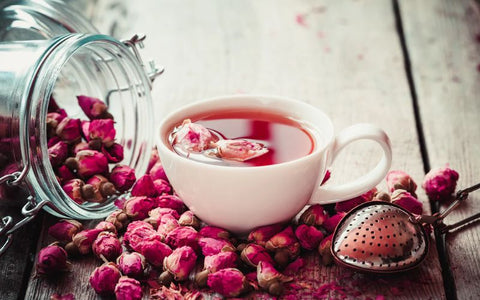
To make peony bud tea, use dried flower buds that are explicitly labeled for food or tea use, heat fresh water to about 195°F (90°C), steep according to the package amount for 5 to 8 minutes, and strain. A 5-minute infusion is usually lighter and more floral; a longer infusion has more body and a clearer bitter-sweet edge. For iced tea, brew the buds hot first, strain, cool, and then pour the tea over ice.
That simple method matters because “peony tea” can describe very different products. This guide is about whole dried flower buds associated with Paeonia lactiflora, not peony root, garden flowers of uncertain identity, instant powder, syrup, or a blend based on green, black, or oolong tea. Pure flower buds make a floral tisane rather than true tea from Camellia sinensis. If the ingredient list contains only peony buds, with no caffeinated tea or other caffeinated addition, the drink is naturally caffeine-free.
Peony bud tea at a glance
| Question | Practical answer |
|---|---|
| What ingredient should I use? | Whole dried peony flower buds sold and labeled for food or tea use. |
| How much should I use? | Follow the amount on the product package. Bud size and density vary, so this guide does not invent a universal count. |
| What water temperature works? | About 195°F (90°C), using fresh water. |
| How long should I steep? | 5 to 8 minutes, then strain. |
| What does it taste like? | Delicate and floral, with a smooth body and a mild bitter-sweet, lightly tannic finish. |
| Does it contain caffeine? | Pure peony buds are naturally caffeine-free. Check blends for green, black, oolong, or other caffeinated ingredients. |
| Can I use flowers from my garden? | Do not assume ornamental flowers are suitable for drinking. Use a correctly identified, food-labeled product instead. |
What exactly is peony bud tea?
Peony bud tea is an infusion of dried flower buds. Kew’s Plants of the World Online recognizes Paeonia lactiflora as an accepted species in the peony family, Paeoniaceae. That botanical name helps distinguish the plant being discussed, but a species name alone does not prove that a particular garden flower is clean, correctly handled, or suitable for consumption. A tea ingredient should also be clearly sold for food use and accompanied by an ingredient label.
The part of the plant is just as important as the name. Dried flower buds are not interchangeable with peony roots or root bark used in other contexts. They differ in form, preparation, flavor, and intended use. Whole buds should also not be confused with scented powder, artificial peony flavor, decorative potpourri, bath products, or a packaged blend whose main ingredient is conventional tea.
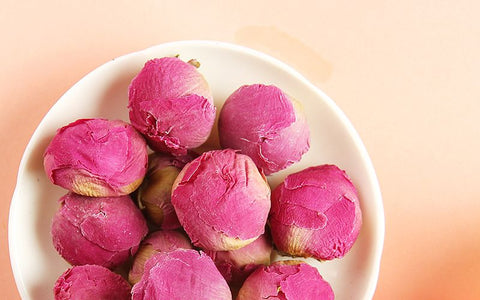
This distinction also keeps expectations realistic. Peony bud tea is best treated as a sensory beverage: people choose it for its aroma, appearance, gentle flavor, and the quiet ritual of preparing a whole-flower infusion. It should not be presented as a treatment for cancer, cholesterol, liver problems, poor circulation, skin conditions, hormonal concerns, sleep difficulties, anxiety, pain, or any other health condition. Food and tea writing should not turn an enjoyable cup into an unsupported medical promise.
Why garden peonies are not the safe shortcut
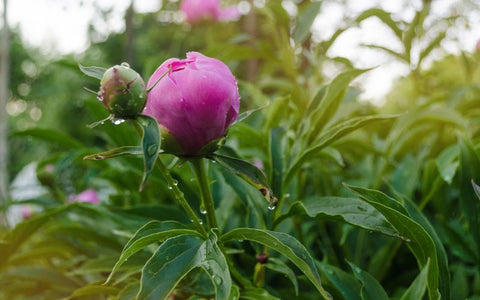
A flowering peony in the yard may look like the ingredient in a tea package, but appearance is not enough. Garden plants can be misidentified, grown as hybrids with uncertain culinary suitability, sprayed with pesticides or other landscape products, exposed to roadside contamination, or handled in ways that are not appropriate for food. Washing does not necessarily solve every one of those problems.
For that reason, this guide does not recommend harvesting ornamental peony buds or drying unknown flowers at home. The safer starting point is a sealed product that clearly identifies the plant material and says it is intended for brewing or consumption. If the label is unclear, ask the seller before using it.
How to choose dried peony buds for brewing
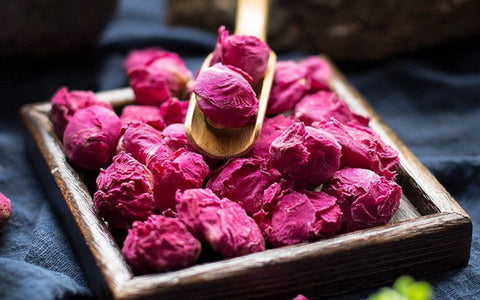
Read the ingredient panel before considering color, packaging, or marketing language. The listing should identify whole dried flower buds and, ideally, the botanical name. If you want a single-flower infusion, avoid products that add true tea leaves, sweeteners, flavoring, powdered extracts, roots, or several unnamed blossoms.
- Confirm the intended use. The package should state that the buds are for tea, food, or culinary preparation—not only decoration, fragrance, soap, or bathing.
- Confirm the plant part. Look for whole flower buds, not root, root bark, crushed filler, or an unidentified powder.
- Read every ingredient. A blend may contain Camellia sinensis, sweetener, or another ingredient that changes the flavor and caffeine status.
- Inspect the package. Do not use a product with moisture inside, visible mold, an uncharacteristic stale odor, insect activity, or damaged packaging.
- Keep the label. It contains the supplier’s amount, brewing directions, storage advice, lot information, and any product-specific warnings.
For readers who want the same ingredient discussed here, The Rike lists pure dried peony flower buds as whole Paeonia lactiflora buds for hot or iced brewing. Availability can change, so check the current product page and label before ordering or preparing it.
How to make hot peony bud tea
You need a kettle, fresh water, the package-recommended amount of dried peony buds, a roomy infuser or teapot, a cup, and a strainer if the vessel does not have one. A glass pot lets you watch the buds open, while ceramic holds heat well. A small mesh ball can work, but it may restrict whole buds as they expand.
- Check the buds and label. Confirm that the product is intended for tea and that the contents look and smell normal. Use the amount printed on the package; whole buds are not uniform enough for a universal “number of buds” rule.
- Heat fresh water. Bring the water toward a boil, then allow it to settle to about 195°F (90°C). A variable-temperature kettle is convenient but not required.
- Warm the vessel if desired. Swirl a little hot water in the teapot or cup and discard it. Prewarming reduces the sudden temperature drop when you start the infusion.
- Add the buds. Place them in a roomy infuser or directly in the pot. Give them enough space for water to circulate.
- Pour and cover. Pour the hot water evenly over the buds. Cover the vessel to hold the temperature and aroma.
- Steep for 5 to 8 minutes. Start near 5 minutes for a softer, more aromatic cup. Extend the time toward 8 minutes for more body and a more noticeable bitter-sweet edge.
- Strain completely. Remove the infuser or pour the tea through a clean fine-mesh strainer. Taste it plain before deciding whether it needs an addition.
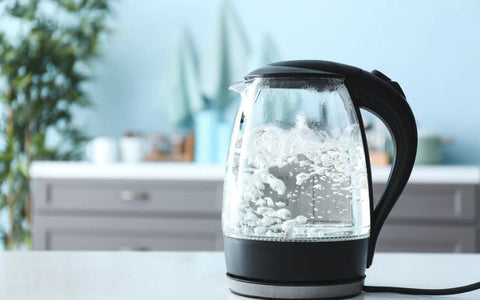
There is no need to perform a dramatic boiling rinse or simmer the buds for a long time. A brief rinse is optional only if the package specifically directs it. Unnecessary rinsing can wash away some of the first aromatic impression, while prolonged boiling can make the cup harsher. Product-specific directions take priority over a generic recipe.
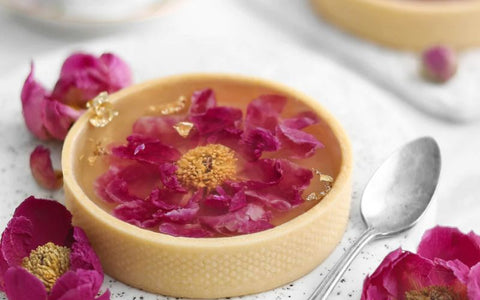
How to make iced peony bud tea
The most dependable iced method begins with a proper hot infusion. Hot water opens the buds and extracts their flavor before chilling. Direct cold steeping may produce a much quieter cup and is not the method specified by the product guidance used for this article.
- Brew the package-recommended amount of buds in water at about 195°F (90°C).
- Steep for 5 to 8 minutes. Choose the longer end if you expect melting ice to dilute the drink, but do not exceed the product guidance simply to force intensity.
- Strain the buds completely.
- Let the tea cool in a food-safe container, then refrigerate it promptly if you are not serving it immediately.
- Pour over fresh ice. Taste before adding sweetener, citrus, fruit, or another herb.
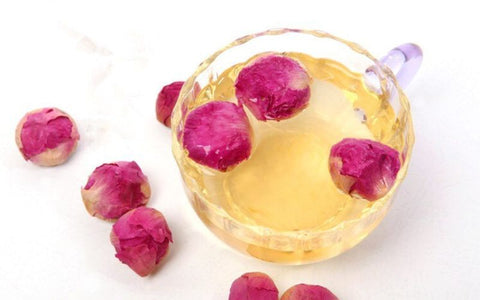
If you prepare a larger batch, use clean equipment, cover the container, keep the refrigerator at or below 40°F (4°C), and make only what you will use promptly. The FDA’s general food-storage guidance emphasizes rapid refrigeration, covered containers, proper refrigerator temperature, and discarding food that appears questionable. A tea blog cannot determine the safe life of every home-brewed batch under every condition, so the cautious choice is a small, fresh batch rather than stretching storage time.
What peony bud tea tastes like
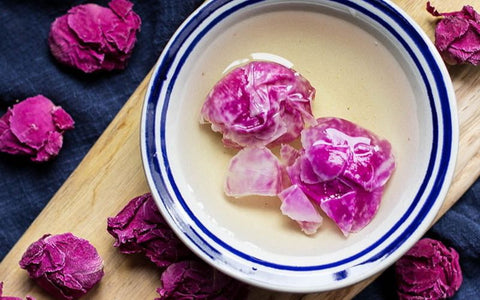
Expect a delicate cup rather than the strength of black tea or the roasted depth of many grain infusions. The aroma is floral; the body is light and smooth; and the finish can be mildly bitter-sweet and lightly tannic. Natural variation in bud size, color, harvest, drying, storage, water, and steeping means two batches will not taste perfectly identical.
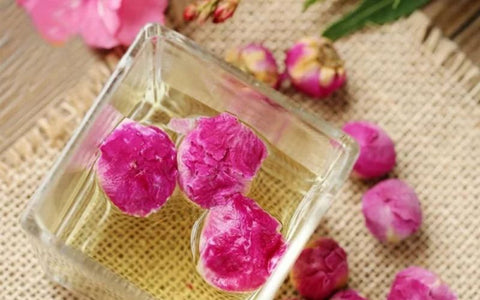
Taste the first cup without additions. If you want to adjust it, change one thing at a time. A small amount of honey can round the finish, mint can brighten it, and a thin fruit or citrus slice can add freshness. Strong syrup, heavy spice, or several additions at once can overwhelm the peony until the drink tastes like a generic sweet beverage.
Troubleshooting a disappointing cup
The tea is too bitter or drying
Shorten the next steep toward 5 minutes, confirm that the water is near 195°F rather than at a hard rolling boil, and strain promptly. Do not compensate with a large amount of sweetener before correcting the brewing variables.
The tea is too faint
First verify that you used the package-recommended amount. Then extend the steep gradually toward 8 minutes. Fresh, neutral-tasting water and a covered vessel can make delicate aroma easier to notice. Avoid packing whole buds into an infuser that is too small for water to move around them.
The buds do not open fully
Some dried buds remain relatively compact, so full “blooming” is not a quality test by itself. Use a roomy infuser, proper temperature, and the recommended steep time. Do not boil the buds aggressively just to force them open.
The flavor seems stale or musty
Do not try to rescue buds that smell musty, show moisture, or appear moldy. Discard questionable material and inspect the storage container. Dry herbs should be protected from humidity, heat, light, air, and strong surrounding odors.
How to store dried buds and brewed tea
Keep unopened and opened dried buds in a clean, airtight container in a cool, dark, dry place. A pantry away from the stove, dishwasher, sunny window, and strongly scented foods is preferable. Label the container and keep any supplier date or lot information. University of Minnesota Extension recommends airtight storage for dried herbs, protection from bright light and heat, and periodic checks for moisture buildup.
For brewed tea, use a clean covered container and refrigerate promptly. Do not leave a prepared batch at room temperature for an extended period, top a new batch onto an old one, or rely only on smell to decide whether it is safe. When in doubt, discard it and brew fresh.
Safety: what this brewing guide can and cannot tell you
This article explains beverage preparation; it does not establish that peony bud tea prevents, treats, or changes any health condition. University of Minnesota Extension’s guidance on dried teas explains why sellers need to be careful with general health and symptom-specific claims. A botanical name, traditional story, laboratory experiment, or discussion of a different plant part does not automatically support a claim about drinking the flower-bud infusion.
- Read the complete ingredient label and follow product-specific preparation and warning information.
- Do not use unknown ornamental flowers, decorative products, or material exposed to garden chemicals.
- Avoid the drink if you know you are allergic or sensitive to peony-family plants or another ingredient in a blend.
- Stop using it and seek appropriate help if you experience an unusual or allergic reaction.
- Ask a qualified clinician or pharmacist before use if you are pregnant or breastfeeding, take medicines, manage a medical condition, or plan to serve it to a child.
These cautions do not imply that a problem is expected. They acknowledge that individual circumstances, products, blends, and health histories differ—and that a general blog post cannot assess them.
Frequently asked questions
Is peony bud tea the same as white tea?
No. White tea is made from Camellia sinensis. A single-ingredient peony bud infusion is a floral tisane. Marketing names can be confusing, so read the ingredient panel rather than relying on the color of the drink or the word “tea.”
Does peony bud tea contain caffeine?
Pure dried peony flower buds do not contain the caffeine associated with Camellia sinensis tea. A blend may contain green, black, white, oolong, pu-erh, yerba mate, or another caffeinated ingredient, so check the full label.
How many peony buds should I use per cup?
Use the amount stated on your package. Buds vary in size and density, and the product guidance reviewed for this article provides temperature and time but not a universal number of buds. Avoid copying a dose from a different product.
Can I steep the buds twice?
You may try a second infusion if the product label does not advise against it, but expect a lighter aroma and flavor. Use fresh hot water, treat the second infusion as a new brew, and do not leave wet buds sitting at room temperature for later use.
Can I make peony tea from fresh flowers?
Do not assume fresh ornamental flowers are food-safe. Identity, cultivar, chemical exposure, handling, and intended use all matter. This guide recommends a packaged ingredient explicitly labeled for tea or food.
Why is my tea a different color from a photograph?
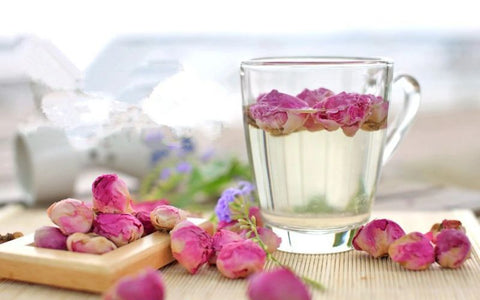
Natural plant material varies. Water chemistry, bud quantity, lighting, vessel color, steeping time, and harvest conditions can also change how the infusion looks. Flavor, aroma, a sound package, and the absence of spoilage signs are more useful than matching a promotional photo exactly.
Sources and further reading
- Kew Science: Paeonia lactiflora in Plants of the World Online
- University of Minnesota Extension: health claims and dried teas
- University of Minnesota Extension: drying and storing herbs
- U.S. Food and Drug Administration: safe food storage
In short, a good cup begins with a correctly labeled food ingredient, restrained brewing, and realistic expectations. Use the package amount, aim for 195°F (90°C), steep for 5 to 8 minutes, strain, and taste before adjusting. That method lets the floral character of the buds remain the focus while avoiding the unsupported claims and ingredient confusion that often surround peony tea.
Related collection
Explore Tea Collections
See tea selections and related pantry ingredients.
Browse Tea CollectionsProducts and collections are presented for general ingredient, culinary, botanical, craft, or gardening use. Content on this site is educational only and is not medical advice.
Leave a comment