

Cooking Up a Storm: A “pollution-lean” food system, A cleaner food industry
🌿 Direct Answer
Cooking Up a Storm: A “pollution-lean” food system, A cleaner food industry is easiest when you start with a clear goal, choose the right materials or ingredients, and follow a short, repeatable process. Focus on quality inputs, measure carefully, and make small adjustments after you test results. Store or maintain the final outcome properly so it stays effective, safe, and consistent over time, then refine your method as you gain confidence.
TL;DR: A “pollution-lean” food system is built from many small, repeatable moves: clean energy, efficient heat, tight water loops, smart logistics, better packaging, and food-loss prevention first. Start with metering and targets per kilogram of product, fix the biggest leaks (heat, cold, water), then close loops for by-products and packaging. This guide shows the sequence, the metrics, and the habits that stick.
Context & common problems
- Hidden hotspots: most pollution hides in process heat, refrigeration, transport, and food loss rather than electricity alone.
- Messy data: plants track total utility bills but not per-product impacts, so fixes miss the mark.
- Packaging whiplash: switching materials without end-of-life planning just moves burdens around.
- Waste last: people jump to composting or offsets before preventing loss at receiving, prep, and line changeovers.
How-to framework: the recipe
Step 1 — Measure what matters
- Define baselines per kilogram of finished product: kWh/kg (electric), fuel MJ/kg (thermal), water L/kg, food loss %, packaging g/kg, landfill diversion %.
- Map processes: hot water creation, steam, ovens, fryers, chillers, freezers, compressed air, clean-in-place (CIP), forklifts, last-mile delivery.
- Pick three targets: one for heat, one for cold, one for loss. Review weekly.
Step 2 — Clean up process heat
- Prioritize efficiency: insulate tanks and lines, fix steam traps, add lids and auto-shutoff on kettles, recover heat from fryer exhaust and oven stacks.
- Electrify pragmatically: where feasible, use industrial heat pumps, high-efficiency electric boilers, or induction kettles for precise, low-loss heat.
- Thermal scheduling: batch similar heat loads to avoid cycling; run hot-wash blocks back-to-back and capture rinse heat for pre-heat make-up water.
Step 3 — Make cold smarter
- Seal the cold chain: door curtains, auto-closers, and vestibules on freezers; minimize open-door time with staging zones.
- Upgrade refrigerants: choose low-leak, lower-impact refrigerants and maintain tight systems; monitor leaks as a KPI.
- Night set-backs & defrost discipline: align set-points with real food-safety needs; defrost on schedule for coil efficiency.
Step 4 — Water loops, not waterfalls
- Meter by area: CIP, prep sinks, cooling towers. Fix the top two leaks first.
- Reuse streams: capture final rinse for pre-rinse, reuse cooling water where safe, and add low-flow nozzles and foot-pedal valves.
- Pre-treat on site: simple screens and dissolved air flotation reduce load before municipal treatment.
Step 5 — Packaging that actually gets recycled
- Design for local reality: choose formats your region really recycles or composts at scale.
- Right-size & light-weight: cut grams without harming product integrity; avoid mixed laminates unless there’s a proven stream.
- Returnables where closed loops exist: totes, kegs, or crates with tracking to prevent loss.
Step 6 — Logistics with fewer empty miles
- Plan routes: consolidate deliveries, backhaul spent packaging, and use cross-docks near customers.
- Right vehicle for the job: electrify yard trucks and short-haul; maintain tires and aerodynamics on longer routes.
- Cold-chain packaging: reusable chill packs and right-sized insulation to reduce weight and waste.
Step 7 — Food-loss prevention first
- Receiving: tighter spec checks and first-expiring-first-out rotation cut immediate losses.
- Prep and line changeovers: standardize portioning, calibrate fillers and scales, and stage containers to catch usable trim.
- What’s left: edible surplus to donation, by-products to upcycling or animal feed, only then composting.
Step 8 — People habits make it stick
- Visual KPIs: post kWh/kg, water L/kg, and loss % at each line.
- Five-minute standups: yesterday’s hotspots, today’s fix, one shout-out.
- Procurement alignment: score suppliers on traceability, waste-reduction practices, and transport efficiency, not just price.
Decision: quick chooser
- Kitchen, café, or small producer: insulate hot surfaces, install door curtains on coolers, portion with scales, track waste daily, choose a locally recyclable package.
- Mid-size plant: heat-recovery on fryers/ovens, heat-pump hot water, leak-detection for refrigerants, CIP optimization, route consolidation.
- Distributor/retailer: backhaul reusables, right-size cold-chain packaging, prioritize suppliers publishing per-kg impacts.
Tips & common pitfalls
- Tip: Fix scheduling first; running hot and cold equipment against each other inflates peaks.
- Tip: Put meters where decisions happen: at kettles, freezers, and CIP skids, not just at the utility room.
- Mistake: Swapping to compostable packaging with no collection route.
- Mistake: Treating donation and composting as “solutions” instead of last resorts after prevention.
- Mistake: Announcing goals without product-level metrics; if it’s not per kg, it won’t guide the line.
Related Reading
- Blockchain Technology Revolutionizing Transparency in Food Industry
- Homestead Food System for 1/4-Acre Families: Feed 4 for 6–8 Months
- Advancing sustainable food centers with AI and blockchain: from field data to fair access
- Charcoal incense for calm spaces: gentle burn, cleaner air habits, safety-first
FAQ
How do I start without new equipment?
Run a one-week metering sprint: log run hours, door-open time, hot-water draws, and loss buckets. Pick the top two wastes and fix them with procedures and small parts (gaskets, curtains, insulation).
Is electric always better?
Not always. Step one is efficiency. Where the grid is cleaner or on-site renewables are available, electric heat and cold cut pollution further. Where not, heat recovery and tight refrigeration may deliver the first wins.
What metric should I publish?
Publish a simple scorecard per product: energy, water, loss, and packaging per kilogram, plus landfill diversion percentage. Update on a steady cadence.
Advanced Techniques and Expert Methods
Mastering Precision
Seasonal Considerations
Scaling for Larger Batches
Sustainability and Environmental Benefits
Reducing Packaging Waste
Creating your own products dramatically reduces packaging waste from commercial alternatives. A single batch can replace dozens of store-bought containers, keeping plastic and cardboard out of landfills. Consider using refillable glass containers or repurposing existing jars to further minimize your environmental footprint. Many households report reducing their waste by 30-50% through DIY practices.
Controlling What Goes In
Commercial products often contain preservatives, stabilizers, and synthetic additives you might prefer to avoid. Making your own gives you complete control over every ingredient. You can choose organic, locally-sourced, or fair-trade components. Many people find their homemade versions work better because they're tailored to their specific needs rather than formulated for mass appeal.
Long-Term Cost Savings
While initial investments in equipment and supplies can seem significant, homemade alternatives typically cost 40-70% less than premium commercial equivalents. Buying ingredients in bulk further reduces per-unit costs. Within a few months of regular practice, most people recoup their startup costs and begin seeing substantial savings. These savings compound over years of continued practice.
Teaching Future Generations
Perhaps the greatest benefit is the knowledge and skills you develop and can share. These techniques have been passed down through generations, connecting us to traditional wisdom while adapting to modern needs. Involving children in age-appropriate projects creates lasting memories and equips them with valuable self-sufficiency skills for their futures.
Quick Comparison Guide
Use this comparison to understand the key differences between methods and choose what works best for your situation:
| Aspect | Beginner Method | Advanced Method | Time Required |
|---|---|---|---|
| Preparation | Simple, minimal equipment | Specialized tools needed | 15-30 minutes |
| Processing | Basic technique | Precision required | 1-2 hours |
| Yield | Moderate quantity | Higher output | Variable |
| Shelf Life | 2-4 weeks | 3-6 months | N/A |
| Skill Level | Beginner friendly | Experience helpful | N/A |
Sources
- Refed — Solutions
- Fao — Guide and Resources
- EPA — Sustainable Management Food
- Sciencebasedtargets — Forest Land And Agriculture
- Ellenmacarthurfoundation — Overview
Conclusion
A cleaner food industry isn’t one giant leap. It’s a sequence: measure per kilogram, fix heat and cold, loop water, design packaging for real end-of-life, cut empty miles, and prevent loss before managing waste. Do the next right step, make it routine, then stack the next one. Pollution falls when the basics run quietly well.
Practical Applications and Real-World Uses
Understanding Cooking Up a Storm opens up numerous practical applications for everyday life. No matter your experience level just starting out or an experienced practitioner looking to refine your skills, these real-world applications provide valuable opportunities to put your knowledge into practice.
Many enthusiasts have found that incorporating Cooking Up a Storm into their daily routines leads to significant improvements in both efficiency and satisfaction. The key is to start small, focus on the fundamentals, and gradually expand your scope as you become more comfortable with the techniques involved.
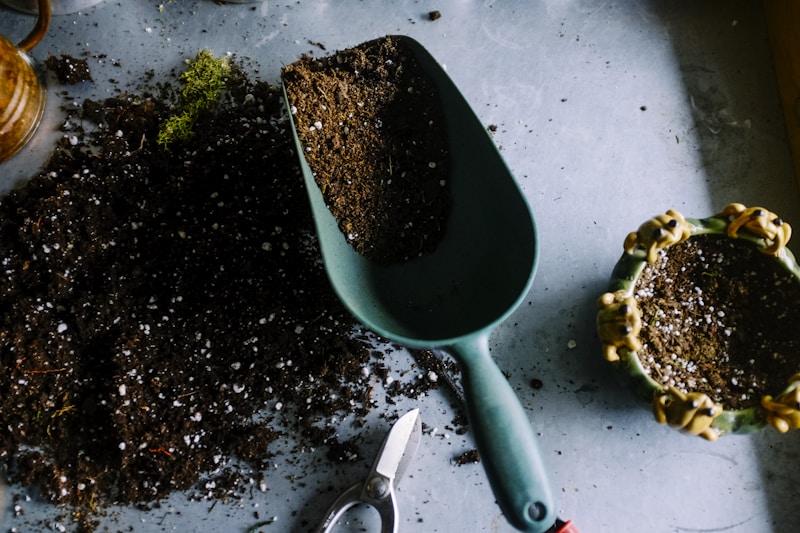
One of the most rewarding aspects of mastering Cooking Up a Storm is the ability to share your knowledge with others. Teaching and mentoring not only reinforces your own understanding but also helps build a community of like-minded individuals who can support and inspire each other.
Troubleshooting Common Challenges
Problem-Solving Strategies
Advanced Techniques and Optimization
Once you've mastered the fundamentals of Cooking Up a Storm, exploring advanced techniques can take your skills to the next level. These sophisticated methods often require more time, effort, and resources but can yield significantly better results for those willing to invest in their development.
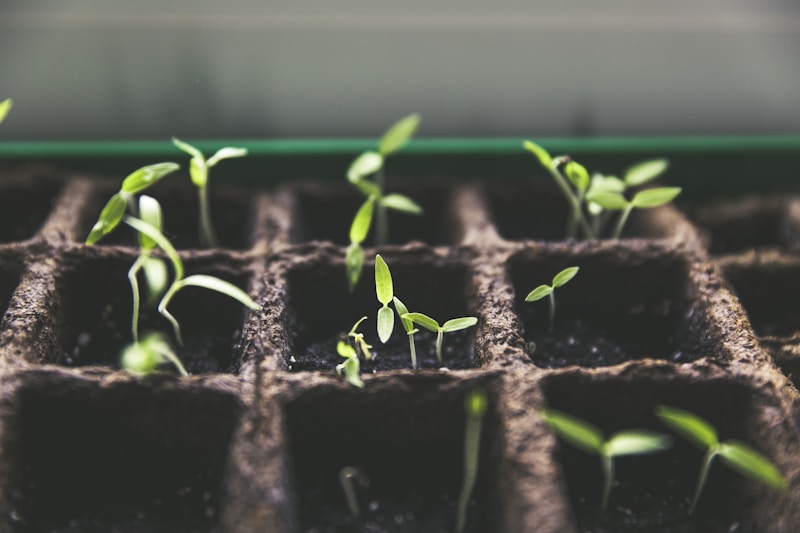
Optimization involves fine-tuning various aspects of your approach to maximize efficiency and effectiveness. This might include adjusting timing, modifying techniques, incorporating new tools or materials, or restructuring your workflow to eliminate bottlenecks and redundancies.
Continuous improvement is a mindset that serves practitioners of Cooking Up a Storm well. Rather than being satisfied with "good enough," always look for opportunities to enhance your methods, expand your knowledge, and push the boundaries of what you can achieve.
Measuring Success and Progress
Establishing clear metrics for success helps track progress and identify areas for improvement. These measurements might be quantitative (such as yield, efficiency, or time saved) or qualitative (such as satisfaction, aesthetic appeal, or skill development).
Regular self-assessment and reflection are essential components of any improvement process. Take time periodically to review your activities, celebrate successes, acknowledge challenges, and set new goals for continued growth and development.
Sustainability and Long-Term Considerations
Sustainable practices ensure that your engagement with Cooking Up a Storm remains viable and beneficial over the long term. This involves considering environmental impacts, resource conservation, and the creation of systems that can be maintained indefinitely without depleting essential resources.
Planning for the future is an important aspect of sustainability. Consider how your current practices might need to evolve as circumstances change, and develop contingency plans for various scenarios. This forward-thinking approach helps ensure resilience and adaptability in the face of uncertainty.
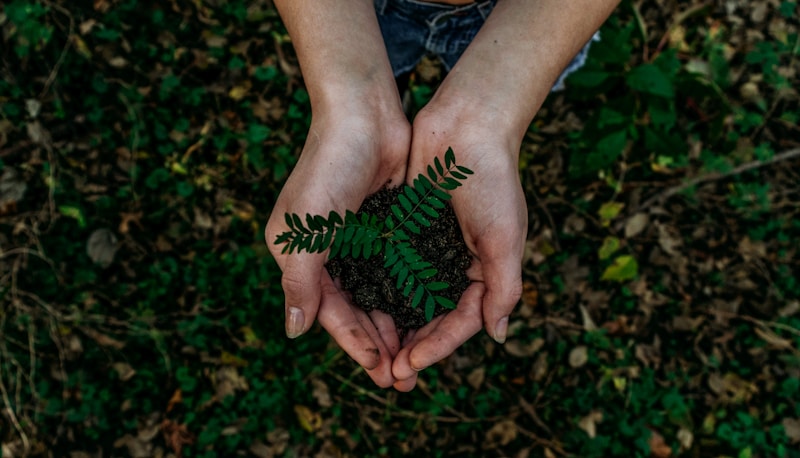
Community and Resources
Connecting with others who share your interest in Cooking Up a Storm can greatly enhance your experience and accelerate your learning. Online forums, local groups, workshops, and educational programs provide opportunities to exchange ideas, seek advice, and build relationships with fellow enthusiasts.
Staying informed about developments in the field helps keep your knowledge current and introduces you to new possibilities. Books, journals, websites, podcasts, and videos offer a wealth of information for those seeking to deepen their understanding and expand their skills.
Remember that the journey of learning and growth never truly ends. There is always more to discover, new techniques to master, and fresh perspectives to consider. Embrace this ongoing process of development and enjoy the satisfaction that comes from continuous improvement.
Frequently Asked Questions
How long does it take to become proficient?
Proficiency in Cooking Up a Storm varies depending on individual factors such as prior experience, learning style, and the amount of time dedicated to practice. Most people can achieve basic competency within a few weeks of consistent effort, while mastery may take months or years of dedicated practice.
What are the most common mistakes to avoid?
Common mistakes include rushing through the learning process, neglecting fundamentals in favor of advanced techniques, failing to adapt methods to individual circumstances, and giving up too quickly when challenges arise. Patience, persistence, and a willingness to learn from errors are key to success.
How can I stay motivated over time?
Maintaining motivation involves setting meaningful goals, tracking progress, celebrating achievements, connecting with supportive communities, and regularly reminding yourself of the reasons why you started. Variety and experimentation can also help keep things interesting and engaging.
What resources do you recommend for further learning?
Quality resources include reputable books and publications, established online communities and forums, educational workshops and courses, and mentorship from experienced practitioners. Start with foundational materials and progressively explore more advanced content as your understanding develops.
Quick Reference
- Materials: Use fresh, appropriate inputs for cooking up a storm: a practical recipe for a cleaner,.
- Environment: Keep the workspace clean, stable, and well-lit.
- Timing: Follow clear steps and avoid rushing critical stages.
- Consistency: Measure and repeat the same method each time.
- Storage: Protect the final result to preserve quality.
Types and Varieties
- Beginner approach: Minimal steps and simple tools to get started quickly.
- Standard method: Balanced effort and reliable results for most households.
- Advanced method: Extra steps for improved quality and control.
- Seasonal or situational option: Adjusted for climate, materials, or time.
Pro Tips from Experts
— Extension.org guidance (summary)
— EPA guidance (summary)
Ready to Go Further?
Learn more about sustainable living in our blog hub and explore practical, low‑waste ideas you can use right away. Learn more or shop now for curated guides.

Shop Sustainable Essentials at The Rike
Explore The Rike's collection for your Cooking Up a Storm projects:
Related collection
Explore Related Collections
Browse culinary and botanical collections related to this topic.
Browse Ingredient CollectionsProducts and collections are presented for general ingredient, culinary, botanical, craft, or gardening use. Content on this site is educational only and is not medical advice.
Leave a comment