



White Pampas Grass Seeds Elegant Cortaderia Selloana plant seeds 2000 seeds
Regular price $6.00
TL;DR (AI Summary)
2000 White Pampas Grass (Cortaderia selloana) seeds for ornamental landscaping. Hardy, deer-resistant grass with elegant plumes, suitable for USDA Zones 7-10.
- ✅ Best for: Ornamental garden landscaping
- ✅ Best for: Creating privacy screens or focal points
- ✅ Best for: Deer-resistant garden planting
- ✅ Best for: USDA Zones 7-10 outdoor cultivation
- ❌ Not suitable for: Indoor houseplant cultivation
- ❌ Not suitable for: USDA Zones below 7 (not frost-hardy)
- ❌ Not suitable for: Edible or culinary use
Key Features:
- Seed Count: 2000 seeds
- Plant Type: Cortaderia selloana (White Pampas Grass)
- Height: 5 to 7 feet
- Bloom Period: Mid to late summer through October
- Soil Ph: 5.5 to 7.2 (well-drained)
- Deer Resistance: Yes
- Usda Zones: 7 to 10
Pampas grass seeds for planting
Grass Plants of the Pampas and Their Evolution
I choose to cultivate Pampas Grass (Cortaderia selloana) from seed as I enjoy gardening. I have always been captivated by this beautiful grass's delicate blossoms and elegant stature. My excitement in documenting every step of growing 2000 Pampas Grass plumes—from sowing the seeds to watching them blossom—is palpable.
characteristics
- The Latin name for Pampas Grass is Cortaderia selloana.
- Pampas Grass is considered deer resistant, as it is capable of deterring deer from consuming it. The flowers of Pampas Grass display a diverse array of colors, ranging from vibrant blues and purples to delicate pinks and whites, creating a beautiful mix of shades that enhance the natural beauty of this plant.
- The foliage color of Pampas Grass is green.
Data and quantities pertaining to seeds
It is often known as Selloana cortaderia. Its five to seven-foot height makes it the perfect focal point for any landscape.
Veggie Sustaining Separate rows by four or five feet and plants by three or four feet.
It is quite versatile and may thrive in a wide variety of garden settings because of its tolerance to light levels.
Flowers begin to bloom in the middle to late summer and last until October, giving you plenty of time to decorate.
Soil Requirments
Pampas grass thrives in well-drained soils with a pH range between 5.5 and 7.2. It is important to provide these specific soil conditions for optimal growth and health of Pampas Grass plants.
Pampas Grass thrives in USDA Zones 7 to 10, making these zones ideal for its growth.
Establishing and Updating
Grass grows rapidly, allowing gardeners to relish the fruits of their efforts without delay.
Cut the plants' leaves back to the ground in late January by pruning them. This will foster the development of new, robust tissue.
As I waited for the plumes to appear, I observed the little grass blades grow. Pampas Grass typically grows in the summer and fall seasons. It is a perennial plant that thrives during these warmer months, with its growth typically starting in the summer and continuing through the fall.
External Goals
After they were fully matured, the plumes were placed inside as decorations, bringing out the best in homes and businesses.
Natural, rustic wedding decor looked breathtaking against the backdrop of the cold white plumes.
Sowing
The recommended sowing rate for Pampas Grass seeds is typically advised to be "5 seeds per plant.
When sowing Pampas Grass seeds, it is crucial to handle them carefully due to their small size. Mixing the seeds with fine sand or talcum powder is recommended to ensure an even distribution during planting. This mixing process helps in achieving consistent sowing of the seeds. It is important not to cover the seeds with compost after planting. Instead, gently press the seeds into the soil without completely burying them. This ensures the seeds receive adequate sunlight and are not suffocated by excessive soil covering. adhering to these seed-sowing guidelines will help promote successful germination and growth of Pampas Grass.
Problems and Solutions
Adaptations to Climate Change: Careful consideration of the criteria for zones 7–10, particularly colder region considerations, is required.
Reflection and self-deprivation are also helpful.
Appeal to the Eyes: The tall, fluffy plumes transformed my yard into a stunning piece of art.
I was visually and emotionally gratified by growing Pampas Grass from seed, which was a delightful procedure overall.
Finally, a few words of advice for fellow gardeners: Growing Pampas Grass from seed makes for a stunning lawn or garden.
Last Remarks: A variety of indoor and outdoor areas may be given a new look by including Pampas Grass, a stunning and adaptable grass.
I thoroughly enjoyed cultivating Pampas Grass, from seed to beautiful plumes. In addition to learning about and tending to the specific requirements of this peculiar decorative plant, I was able to improve the visual appeal of my garden. Growing the fluffy plumes was a rewarding experience in and of itself since they provided a touch of nature into people's daily lives.
Frequently Asked Questions
1. Is light required for the germination of Pampas Grass seeds?
light is indeed required for the germination of Pampas Grass seeds.
2. What is the average germination time for Pampas Grass seeds?
The average germination time for Pampas Grass seeds is 14 to 21 days.

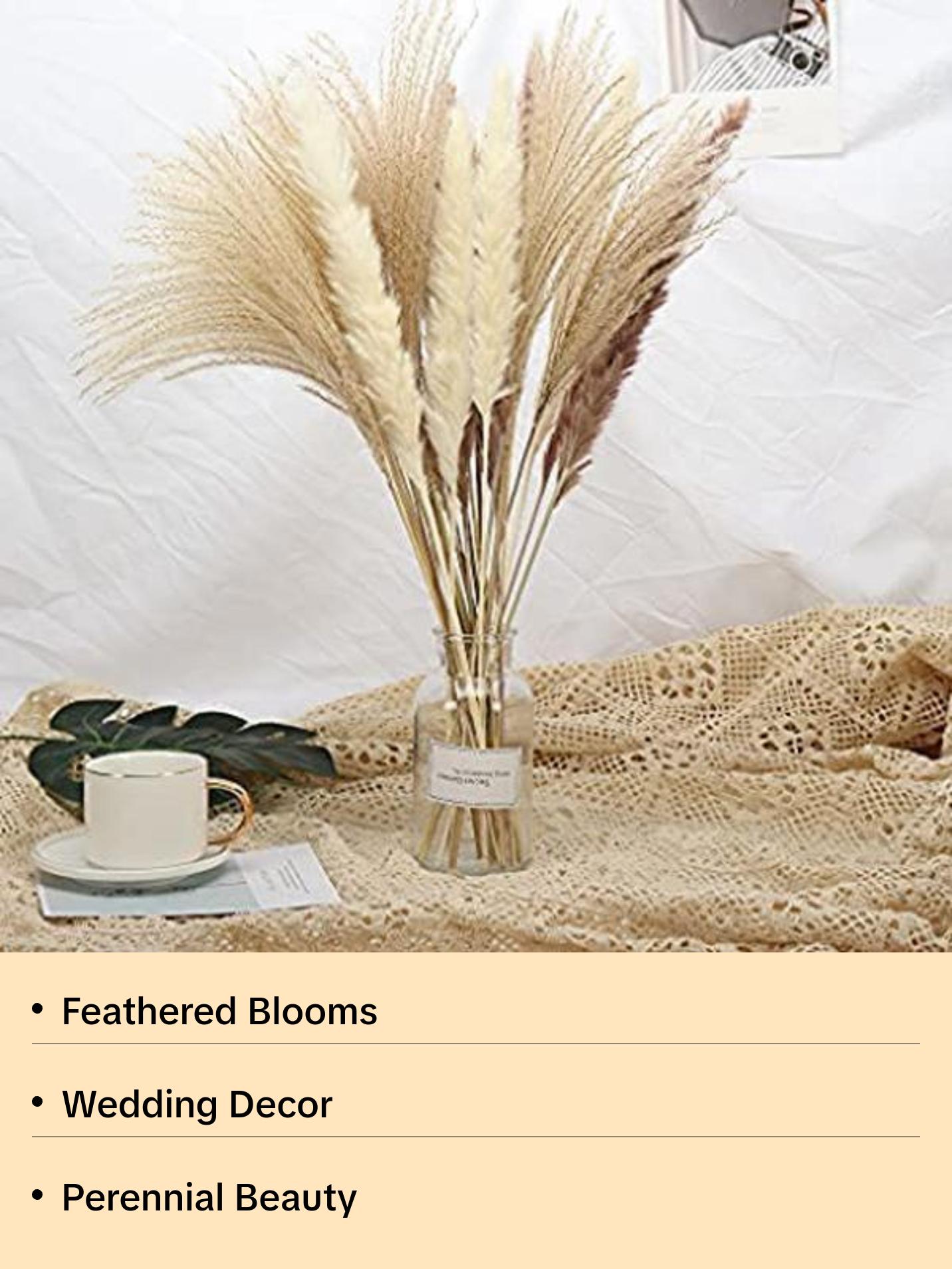
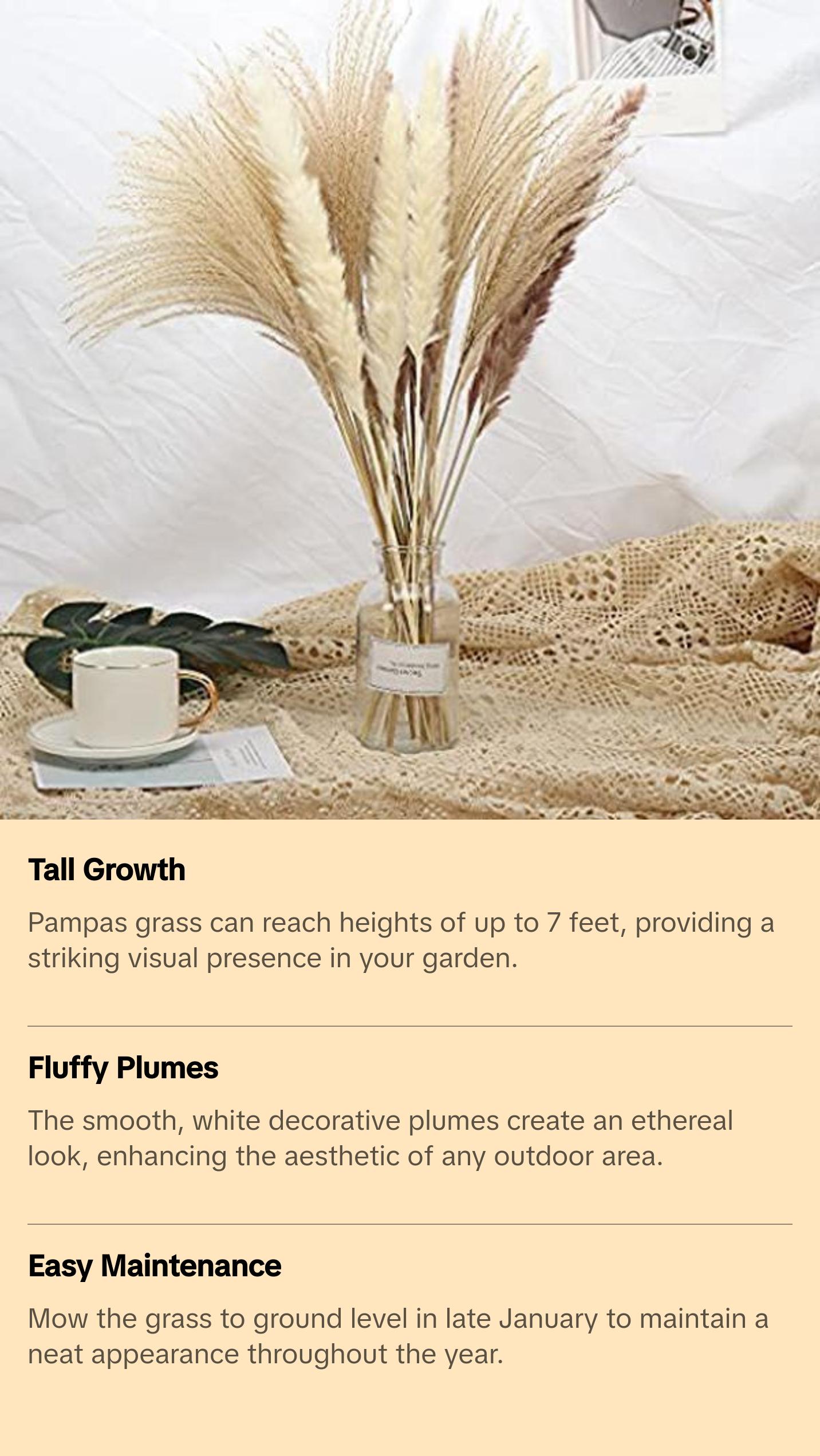

Pampas Grass White Cortaderia Selloana Perennial is a resilient, adaptable grass species perfect for erosion control, prairie restoration, ornamental landscaping, and wildlife habitat. Once established, it requires minimal maintenance and provides year-round beauty with graceful seed heads and natural texture.
This variety thrives in USDA zones 3-11 depending on your climate, and adapts beautifully to indoor and outdoor growing. Start from seed for the most rewarding gardening experience — there is nothing quite like nurturing a plant from its very first sprout.
🌱 Step-by-Step Growing Guide
1. Seed Prep and Sowing: Broadcast seeds evenly over prepared soil in spring or early fall. Rake lightly to ensure seed-to-soil contact. No pre-soaking needed for most grass species.
2. Planting and Container Setup: Full sun to partial shade depending on species. Prepare a clean, level seed bed. For ornamental clumps, space 6-12 inches apart. For lawns, broadcast evenly.
3. Germination and Early Care: Germination takes 7-21 days when soil temperature reaches 60-75F. Keep soil consistently moist until grass is established — light daily watering in dry periods.
4. Growth and Maintenance: Once established, most grasses are remarkably drought-tolerant. Allow seed heads to develop for winter interest and natural reseeding. Divide clumps every 3-4 years.
5. Harvesting: For ornamental use, let seed heads develop naturally. For restoration projects, allow natural reseeding. Cut back dead foliage in late winter before new growth appears.
💡 Pro Tips for Every State
- Midwest and Northeast: Sow in early spring as soon as soil can be worked. Fall seeding also works well for spring establishment.
- South and Southwest: Warm-season grasses establish fastest when planted in late spring to early summer.
- Container and Balcony Growers: Ornamental grasses in large containers create dramatic focal points on patios and rooftops.
🍳 Easy Recipes and Creative Uses
- Erosion Control: Stabilize slopes, stream banks, and disturbed areas with deep-rooted native grass for lasting protection
- Ornamental Landscaping: Create stunning prairie-style gardens with graceful seed heads that sway beautifully in the breeze
- Wildlife Restoration: Provide essential habitat for ground-nesting birds, beneficial insects, and native pollinators
📋 Care and Storage
- Store unused seeds in a cool, dry place — sealed container in the fridge extends viability 2-3+ years
- Water consistently — morning watering prevents fungal issues and keeps plants hydrated through the day
- Mulch around plants to retain moisture, suppress weeds, and regulate soil temperature
- Check your USDA hardiness zone at planting time for the best results in your specific region
📅 Seasonal Planting Calendar
Strategic seasonal planning ensures maximum productivity from your garden throughout the entire year. Start cool-season crops (lettuce, spinach, peas, radishes) 4-6 weeks before your last frost date for spring harvest, then succession plant every 2-3 weeks for continuous harvests. Transition to warm-season varieties (tomatoes, peppers, squash) after all frost danger has passed and soil temperatures reach 60°F or above. Extend your growing season by 4-8 weeks using cold frames, hoop houses, or floating row covers that protect crops from early fall frosts. Plan a fall garden by starting cool-season crops again in mid-to-late summer for autumn and early winter harvest. Cover crops like crimson clover or winter rye planted in empty beds during dormant months prevent erosion, suppress weeds, and fix nitrogen naturally, preparing the soil for next season's planting without synthetic fertilizers.
⭐ Quality Assurance & Satisfaction Guarantee
We stand behind the quality of every product in our catalog with a comprehensive satisfaction guarantee. Each batch undergoes careful inspection before packaging to ensure it meets our strict quality standards for freshness, purity, and viability. Our sourcing partnerships prioritize sustainable, ethical production methods that respect both the environment and the communities involved in cultivation and processing. Customer feedback drives our continuous improvement process — we carefully review every review and rating to identify opportunities for enhancing our products and services. Detailed product information, usage guides, and growing tips are provided to help you achieve the best possible results. Contact us with questions, suggestions, or feedback at any time — we genuinely value the relationship we build with every customer and are committed to your long-term success and satisfaction.
Advanced Soil Science and Companion Planting
Understanding Your Soil: The foundation of every successful garden begins beneath the surface. Before planting, test your soil pH using an inexpensive kit from any garden center. Most seeds thrive in slightly acidic to neutral soil (pH 6.0-7.0). If your soil is too acidic, add agricultural lime; if too alkaline, add sulfur or peat moss. The ideal soil structure is loamy — a balanced mix of sand, silt, and clay that retains moisture while allowing good drainage.
Building Living Soil: Healthy soil is a living ecosystem containing billions of microorganisms per teaspoon. Feed your soil with aged compost, worm castings, and mycorrhizal fungi inoculant. These beneficial organisms form symbiotic relationships with plant roots, extending their effective root zone by up to 700% and making locked-up nutrients bioavailable. Avoid synthetic fertilizers that can disrupt this delicate microbial balance.
Companion Planting Strategies: Strategic plant pairings can dramatically improve growth, pest resistance, and flavor. Plant aromatic herbs like basil, dill, and cilantro nearby to attract beneficial pollinators and repel harmful insects through volatile oil release. Marigolds are excellent border plants that deter nematodes and aphids. Avoid planting near allelopathic species like black walnut, which release juglone into the soil.
Mulching for Success: Apply 2-3 inches of organic mulch (straw, shredded leaves, or wood chips) around established seedlings. Mulch regulates soil temperature, conserves moisture by up to 70%, suppresses weeds, and gradually feeds the soil as it decomposes. Leave a small gap around stems to prevent collar rot.