

Napa Cabbage: How to Grow, Harvest, Store, and Cook It
Napa cabbage, also known as Chinese cabbage and botanically classified within the Brassica rapa Pekinensis Group, is a cool-season leafy vegetable that forms a tall, dense, barrel-shaped head of pale, tender leaves. This guide explains how to plan a planting window, prepare the soil, sow and thin seedlings, maintain steady moisture, recognize common garden problems, harvest a firm head, store it safely, and use it in everyday cooking.
What Is Napa Cabbage?
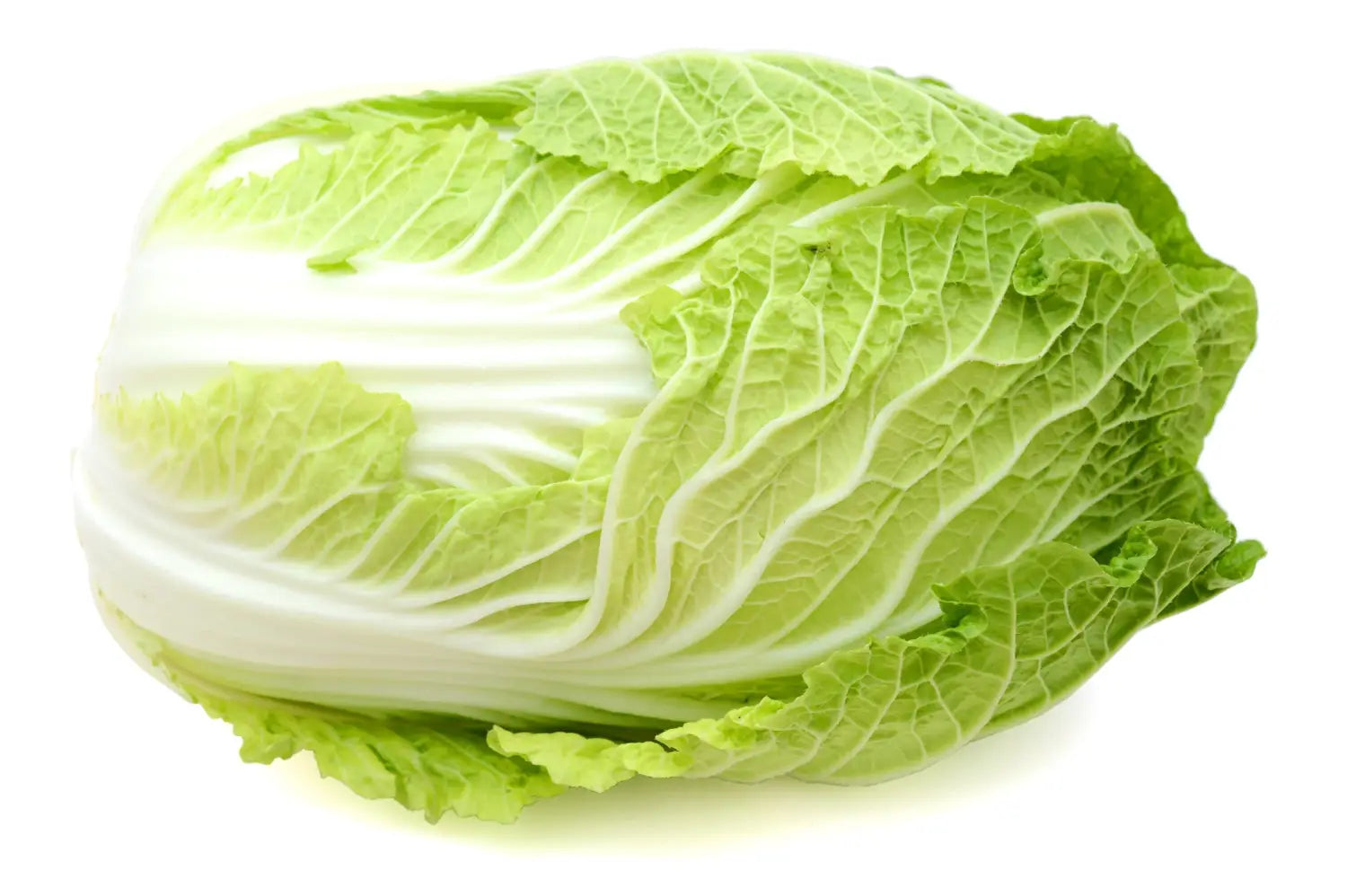
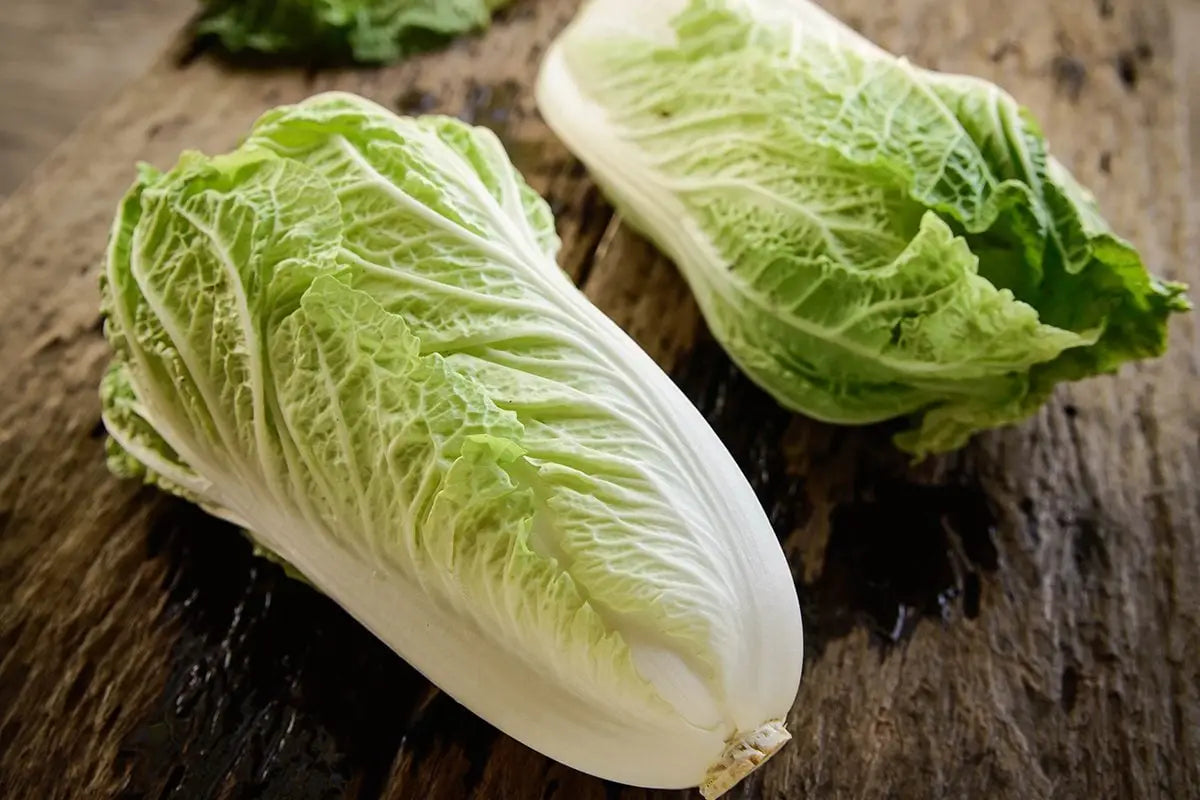
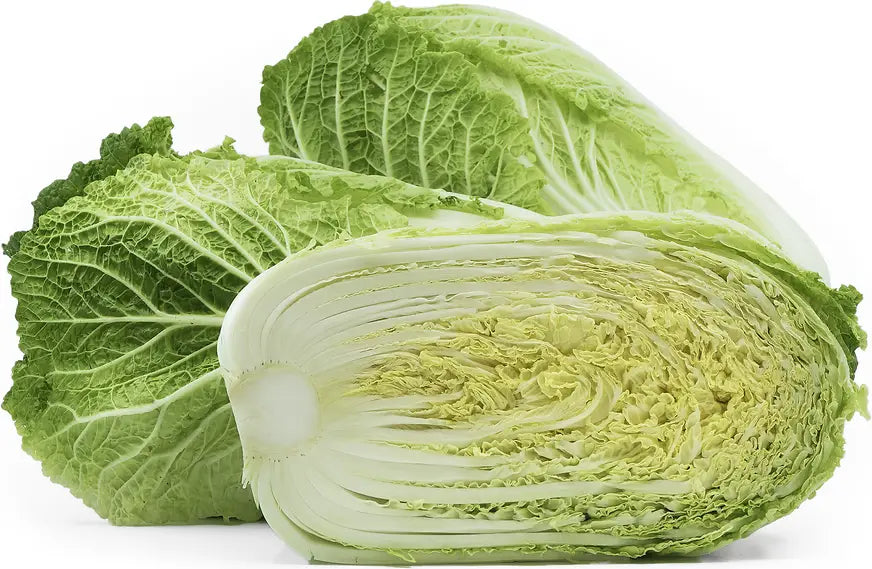
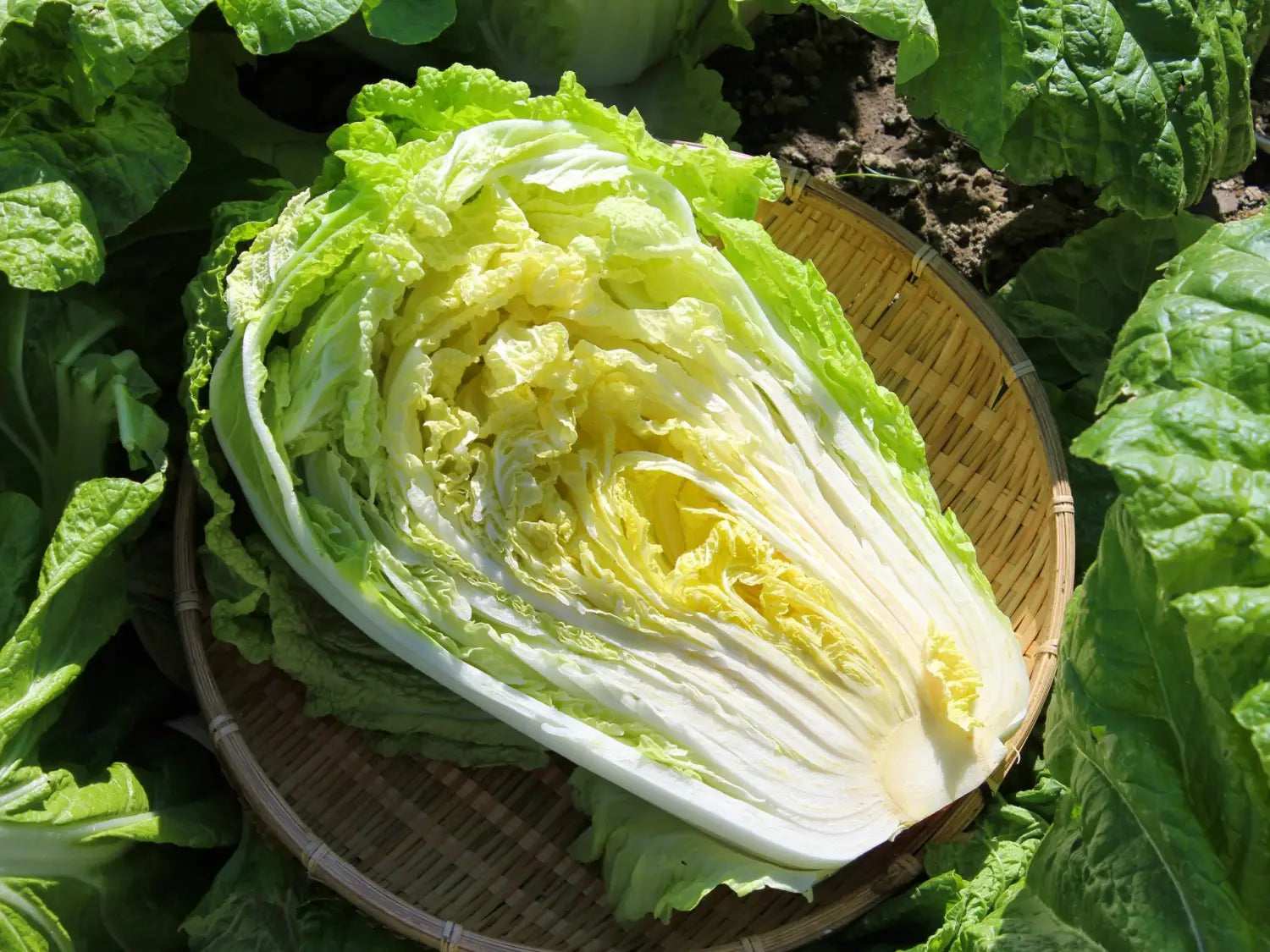
Napa cabbage is the heading form of Chinese cabbage in the Brassica rapa Pekinensis Group. Its leaves grow upright and fold around one another to create an elongated head. The outer leaves are usually greener, while the inner leaves are paler and more tightly packed. Thick white ribs give the head a crisp structure, but the leaf blades remain thinner and more tender than those of familiar round cabbage.
The names used in stores and seed catalogs can vary. “Napa cabbage” and “Chinese cabbage” often refer to the same heading crop, but “Chinese cabbage” is also used broadly for several Asian brassicas. Checking the botanical group and the expected plant shape helps avoid mix-ups when buying seed or planning a garden bed.
Napa cabbage compared with bok choy
Bok choy belongs to the Brassica rapa Chinensis Group. It grows as an open, upright cluster of individual leaf stalks instead of forming a tightly enclosed head. Bok choy commonly has dark green leaf blades attached to thick white or light-green stalks. Napa cabbage develops overlapping leaves that close into a barrel-shaped head. Both are useful cool-season vegetables, but their spacing, harvest appearance, and kitchen texture differ.
Napa cabbage compared with round cabbage
Round cabbage forms a compact spherical head with thicker leaves. Napa cabbage is taller and more elongated, with a softer leaf blade and a broad, crisp rib. That combination makes it easy to shred for slaws, cut into bite-size pieces for stir-fries, or soften in soups and dumpling fillings. The two vegetables can sometimes fill similar culinary roles, but they do not behave identically in the garden or on the cutting board.
Choose a Planting Window That Favors Cool Growth
Napa cabbage is a cool-season crop. The University of Minnesota Extension describes Chinese cabbage as a fall crop in Minnesota, where mid-summer sowing allows the heads to mature as days shorten and temperatures cool. That calendar should not be copied blindly in every region. Gardeners in warmer, cooler, coastal, or high-elevation climates need to adjust the schedule to local heat patterns and frost dates.
The practical goal is to give the plant enough cool, steady weather to establish leaves and form a head without exposing young plants to a long cold spell followed by sudden warmth. That sequence can encourage bolting, which means the plant begins producing a flower stalk instead of continuing to build a dense head. Prolonged heat during head formation can also lead to narrower leaves and looser heads.
Before sowing, check a local extension planting calendar or ask a knowledgeable local grower when heading Chinese cabbage is normally planted in your area. In many temperate gardens, a fall crop is more predictable than a spring crop. Where spring planting is common, choose a locally appropriate window and a variety suited to that season rather than relying on a general national date.
Prepare Fertile, Moisture-Retentive Soil
Napa cabbage performs best in fertile soil that drains excess water but does not dry rapidly. University of Minnesota Extension guidance recommends a soil pH from 6.0 to 7.5. A soil test is the most reliable way to learn the pH and determine whether the bed needs specific nutrient amendments.
Finished compost can add organic matter and help a garden soil hold moisture while maintaining structure. Well-rotted manure may also be suitable when used according to local soil-test recommendations and food-garden guidance. Do not apply fresh manure around a crop that will be harvested for eating. Fresh manure may carry harmful bacteria and can add weed seeds or an unsuitable concentration of nutrients.
Work amendments into the bed before sowing so seedlings are not disturbed later. Break up large clods, remove persistent weeds, and create a level seedbed. Avoid using combination lawn products labeled “weed and feed” in a vegetable garden because their herbicide component can injure garden crops.
Use a four-year brassica rotation
Do not repeatedly plant Napa cabbage in a bed that recently held cabbage, broccoli, cauliflower, turnips, rutabaga, Brussels sprouts, bok choy, or another cabbage-family crop. University of Minnesota Extension recommends a four-year break from these crops in the same area. Rotation helps reduce the buildup of soil-borne problems associated with brassicas, although it does not replace sanitation, monitoring, or correct diagnosis.
If garden space is limited, keep a simple bed map from year to year. Containers can provide another option when they are large enough for the selected variety and have adequate drainage, but potting mix in containers can dry much faster than garden soil. Check moisture frequently and avoid letting water stand around the roots.
How to Sow, Space, and Thin Napa Cabbage
Sow Napa cabbage seed about 1/4 to 1/2 inch deep. Keep the seedbed evenly moist while seedlings emerge. Deep planting can make emergence more difficult, while a dry surface can interrupt germination and early growth. Water gently enough that the seed is not washed out of place.
Once seedlings are established, thin them so each plant has room to form a head. University of Minnesota Extension describes spacing plants about 12 to 18 inches apart, with the wider spacing appropriate for full-sized heads. Follow the variety information when it provides a more specific mature size. Crowded plants compete for light, water, and nutrients and may form smaller or looser heads.
Thin by keeping the strongest well-positioned seedling at each spacing point. Remove neighboring seedlings carefully to avoid disturbing the roots of the plant that remains. If several seeds were placed together, small seedlings can be clipped at soil level rather than pulled when pulling would loosen the selected plant.
Use row cover thoughtfully
A lightweight floating row cover can reduce early exposure to insects, wind, and cold. Place it over the crop soon after sowing or transplanting, and anchor the edges securely with soil, pins, or another suitable method. Loose fabric can whip against tender seedlings in strong wind.
Row cover is not a set-and-forget tool. Check the temperature underneath it during bright weather because heat can build up even when the surrounding air feels mild. Provide enough slack for plants to grow, inspect leaves regularly, and remove or adjust the cover when the crop or local conditions require it.
Maintain Steady Moisture and Simple Daily Care
Consistent soil moisture is one of the most important parts of Napa cabbage care. The plant needs a steady supply of water and nutrients while it builds many leaves and closes its head. Long dry periods followed by heavy watering can contribute to poor texture, excessive bitterness, failed heading, or browning along inner leaf edges known as tipburn.
Water during dry spells before the root zone becomes thoroughly dry. University of Minnesota Extension uses about one inch of rainfall per week as a general reference for its conditions, while noting that sandy soil may require more frequent watering. Use that amount as a local starting point, not a universal schedule. Weather, soil texture, mulch, plant size, and container exposure all change how quickly water is used.
Check the soil below the surface rather than judging only by appearance. A trowel can show whether moisture has reached the active root zone. Water slowly enough for the soil to absorb it, and avoid keeping the bed continuously saturated. Mulch can reduce evaporation and weed growth, but keep materials clean and avoid piling them directly against the plant base.
Remove weeds while they are small. Shallow cultivation reduces competition without cutting deeply into cabbage roots. Inspect the underside of leaves, the center of the plant, and the soil line during routine care. Regular observation makes it easier to recognize a new problem before extensive damage occurs.
Troubleshoot Bolting, Tipburn, Insects, and Disease-Like Symptoms
Bolting before a head forms
Bolting is the shift from leaf production to a flowering stalk. A difficult temperature sequence—especially extended cold followed by warm weather—can trigger it in young plants. Heat during head formation can also reduce head quality. Once a plant is committed to flowering, it will not return to normal head development. Use the edible leaves promptly if they remain acceptable, record the planting conditions, and adjust the next sowing window or variety choice.
Brown inner leaf edges or loose heads
Tipburn appears as browning on inner leaf margins and is associated with uneven soil moisture that limits consistent calcium movement within the plant. A loose head, bitter texture, or dried outer leaves may also reflect moisture stress. Focus first on a steadier watering pattern and healthy root conditions rather than adding calcium without a soil test.
Holes in leaves and damage near the roots
Flea beetles can make many small holes in young leaves. Cabbageworms, cabbage loopers, and diamondback moth larvae chew larger areas of leaf tissue. Cabbage maggots feed at the roots and may cause stunting or plant loss. Physical exclusion, crop rotation, weed control, and regular inspection are useful starting practices. Pest identity and permitted control options vary by location, so consult a local extension resource before using a control method or product.
Spots, yellow wedges, swelling, or unexplained wilting
Alternaria can cause leaf spots, black rot can create yellow areas that advance from leaf edges, and clubroot can swell the roots and stunt plants. Similar-looking symptoms can have different causes, including weather, watering, insects, or physical injury. Do not diagnose a disease from one symptom or from a photograph alone. Remove badly damaged plant material when appropriate, avoid moving contaminated soil, and contact a local extension diagnostic service when the cause is uncertain.
How to Harvest Napa Cabbage
A Napa cabbage head is ready when it has reached a useful size and feels firm and dense under gentle pressure. A loose head may need more time for the inner leaves to fill, as long as the plant is still actively growing and the weather remains suitable.
Harvest with a clean, sharp knife. Cut the head above the outer wrapper leaves rather than pulling the entire root mass from wet soil. Mature Napa cabbage does not hold indefinitely in the garden. Once a head is firm, harvest it promptly so quality is not lost to bolting or changing weather.
After cutting, inspect the head and remove leaves that are badly damaged, decayed, or heavily soiled. Keep harvested produce shaded and move it to cool storage without unnecessary delay. Clean the knife and any harvest container before using them for another batch of produce.
Store and Handle Napa Cabbage Safely
At the market or after harvest, choose a head that is not bruised, heavily damaged, or rotten. The U.S. Food and Drug Administration recommends keeping perishable fresh produce in a clean refrigerator at 40°F or below. Pre-cut or packaged produce should also remain refrigerated.
Keep Napa cabbage separate from raw meat, poultry, seafood, and the utensils or cutting boards used for those foods. Wash hands with soap and warm water before and after preparing fresh produce. Remove damaged or rotten areas, then rinse the cabbage thoroughly under running water. Do not use soap, detergent, bleach, or commercial produce wash on the leaves.
Separate the leaves as needed so water can reach soil trapped between them. After rinsing, dry the cabbage with a clean cloth towel or paper towel. Washing can reduce surface bacteria but does not eliminate every possible hazard. Thorough cooking further reduces food-safety risk when the cabbage is used in a hot dish.
For everyday home storage, keep the unwashed head cool until use and protect it from drying out without sealing wet leaves in a dirty container. Once cabbage is cut or washed, return unused portions to refrigeration promptly in a clean container. Discard produce that develops rot, an abnormal odor, or extensive sliminess.
Neutral Culinary Uses for Napa Cabbage
Napa cabbage has crisp ribs and tender leaves, so one head can provide several textures. Slice the thick ribs a little smaller or add them to a pan first when you want the leafy portions and ribs to finish cooking at the same time.
- Stir-fries: Cut the ribs and leaves into bite-size pieces. Add the firmer ribs first, followed by the softer leaves near the end.
- Soups and broths: Stir chopped cabbage into a simmering soup late enough that it softens without disappearing into the liquid.
- Dumpling fillings: Chop the cabbage finely. Many cooks salt and drain it before combining it with other filling ingredients so excess moisture does not weaken the wrapper.
- Slaws: Shred clean, dry leaves and combine them with a dressing shortly before serving to preserve their crisp texture.
- Fermentation: Napa cabbage is widely used for kimchi-style preparations. Home fermentation depends on correct salt ratios, clean equipment, suitable temperature control, and a tested method. Follow a reliable food-preservation source rather than improvising a safety-critical recipe.
These are culinary options rather than medical recommendations. Seasonings, cooking time, and portion size can be adjusted to the meal and the texture you prefer.
Napa Cabbage in a Balanced Meal
Napa cabbage is a leafy vegetable that can add variety, moisture, color, and contrasting textures to meals. It can be served raw when handled safely, lightly cooked for a crisp-tender result, or cooked longer for a softer texture. Its exact nutrient values vary with the variety, growing conditions, storage, portion, and preparation method.
This article does not assign disease outcomes or medical effects to Napa cabbage. People who need individualized nutrition guidance because of an allergy, medication, pregnancy, chronic condition, or prescribed diet should consult an appropriate healthcare professional or registered dietitian.
Step-by-Step Napa Cabbage Checklist
- Choose a planting window that lets the crop mature in cool weather, using local extension guidance.
- Test the soil and aim for fertile, well-drained, moisture-retentive conditions with a pH from 6.0 to 7.5.
- Select a bed that has not held another cabbage-family crop for four years.
- Use finished compost or properly aged amendments; do not apply fresh manure.
- Sow seed about 1/4 to 1/2 inch deep and keep the seedbed evenly moist.
- Thin seedlings to roughly 12 to 18 inches apart, adjusted for the variety.
- Use an anchored lightweight row cover when appropriate, and monitor heat beneath it.
- Maintain steady soil moisture and remove weeds with shallow cultivation.
- Inspect leaves and roots regularly; seek local diagnostic help for uncertain symptoms.
- Harvest when the head feels firm and dense, cutting above the outer leaves.
- Refrigerate promptly at 40°F or below and keep it separated from possible sources of cross-contamination.
- Rinse under running water without soap, dry with a clean towel, and prepare using a safe method.
Frequently Asked Questions
Is Napa cabbage the same as bok choy?
No. Napa cabbage is in the Brassica rapa Pekinensis Group and forms a tall, enclosed head. Bok choy is in the Chinensis Group and grows as an open cluster of thick stalks and green leaf blades.
Can Napa cabbage grow in summer?
It is a cool-season crop, so intense heat during head development can reduce quality and encourage bolting. The best calendar depends on the region. Use local planting guidance to identify a cool maturation window.
How deep should Napa cabbage seed be planted?
University of Minnesota Extension recommends sowing Chinese cabbage seed about 1/4 to 1/2 inch deep. Keep the surface evenly moist during emergence.
How much space does a Napa cabbage head need?
A common final spacing is about 12 to 18 inches between plants. Full-sized varieties usually need the wider end of that range. Follow the variety description when it gives a specific mature size.
Why is my Napa cabbage forming a flower stalk?
The plant is bolting. Temperature stress, including an extended cold period followed by warmer weather, can trigger flowering. Once bolting begins, the plant will not return to normal head formation.
What causes brown edges inside the head?
Inner leaf-edge browning may be tipburn, a physiological problem associated with uneven moisture and disrupted calcium movement in the plant. Keep watering consistent and ask a local extension service for help when symptoms are unclear.
How do I know when Napa cabbage is ready to harvest?
Gently press the head. It is ready when it feels firm and dense rather than loose. Cut it above the outer leaves with a clean, sharp knife and harvest promptly once mature.
Should Napa cabbage be washed with soap?
No. The FDA advises washing produce thoroughly under running water and does not recommend soap, detergent, or commercial produce wash. Remove rotten or badly damaged areas and dry the washed leaves with a clean towel.
What temperature should Napa cabbage be stored at?
The FDA recommends refrigerating perishable fresh produce at 40°F or below. Keep it separated from raw meat, poultry, seafood, and contaminated utensils.
Sources Consulted
Related collection
Explore Related Collections
Browse culinary and botanical collections related to this topic.
Browse Ingredient CollectionsProducts and collections are presented for general ingredient, culinary, botanical, craft, or gardening use. Content on this site is educational only and is not medical advice.
Leave a comment