1,000 Daisy Fleabane Seeds (Erigeron spp.) for planting. Package: one pack of 1,000 seeds (1,000 seeds total).
Seeds only; no live plant is included. Germination and growth vary by seed lot and growing conditions.
Inventory Last Updated: Oct 14, 2026
1,000 Dallisgrass Seeds (Paspalum dilatatum) for Controlled Planting
Regular price$9.00
Save $-9.00
1,000 Dallisgrass Seeds (Paspalum dilatatum) for Controlled Planting for planting. Package: one pack of 1,000 seeds (1,000 seeds total).
Seeds only; no live plant is included. Germination and growth vary by seed lot and growing conditions.
Check current local planting guidance before sowing.
Inventory Last Updated: Oct 14, 2026
1,000 Frost Aster Seeds (Symphyotrichum pilosum)
Regular price$9.00
Save $-9.00
1,000 Frost Aster Seeds (Symphyotrichum pilosum) for planting. Package: one pack of 1,000 seeds (1,000 seeds total).
Seeds only; no live plant is included. Germination and growth vary by seed lot and growing conditions.
Inventory Last Updated: Oct 14, 2026
1,000 Red Acre Cabbage Seeds (Brassica oleracea)
Regular price$9.00
Save $-9.00
1,000 Red Acre Cabbage Seeds (Brassica oleracea) for planting. Package: one pack of 1,000 seeds (1,000 seeds total).
Seeds only; no live plant is included. Germination and growth vary by seed lot and growing conditions.
Inventory Last Updated: Oct 14, 2026
100 American Maple Seeds (Acer rubrum)
Regular price$9.00
Save $-9.00
100 American Maple Seeds (Acer rubrum) for planting. Package: one pack of 100 seeds (100 seeds total).
Seeds only; no live plant is included. Germination and growth vary by seed lot and growing conditions.
Inventory Last Updated: Oct 14, 2026
100 Asparagus Seeds for Planting
Regular price$6.00
Save $-6.00
100 Asparagus Seeds for Planting for planting. Package: one pack of 100 seeds (100 seeds total).
Seeds only; no live plant is included. Germination and growth vary by seed lot and growing conditions.
Inventory Last Updated: Oct 14, 2026
100 Eclipta Alba Seeds (False Daisy, Eclipta prostrata)
Regular price$9.00
Save $-9.00
100 Eclipta Alba Seeds (False Daisy, Eclipta prostrata) for planting. Package: one pack of 100 seeds (100 seeds total).
Seeds only; no live plant is included. Germination and growth vary by seed lot and growing conditions.
Inventory Last Updated: Oct 14, 2026
100 gram Dried Mushroom Cordyceps, Militaris Fungus Chong Cao Hua herbal tea
Regular price$10.99
Save $-10.99
TL;DR (AI Summary)
100g pack of whole dried Cordyceps militaris fruiting bodies, ideal for brewing tea or adding to soups. A traditional adaptogenic mushroom with earthy-sweet flavor.
✅ Best for: Herbal tea enthusiasts
✅ Best for: Traditional wellness practitioners
✅ Best for: Soup and broth makers
✅ Best for: Adaptogenic supplement users
❌ Not suitable for: Not a medical treatment or cure
❌ Not suitable for: Not suitable for those with mushroom allergies
❌ Not suitable for: Not intended for children
Key Features:
Net Weight: 100 g
Form: Whole dried fruiting bodies
Key Benefit: Adaptogenic mushroom for traditional wellness
Preparation: Steep 3-5g in hot water for 15-20 mins
Additives: No additives or preservatives
Dried Cordyceps militaris offers a concentrated adaptogenic mushroom for brewing into tea or adding to soups. This 100-gram pack contains whole dried fruiting bodies with the distinctive orange-gold color that signals proper cultivation. Steep 3–5 grams in hot water for 15–20 minutes to extract the beneficial compounds.
Cordyceps militaris has been part of traditional wellness practices across Asia for generations, prized for its distinctive appearance and earthy-sweet flavor. This 100-gram pack of dried, cultivated fruiting bodies delivers the characteristic orange-gold hue and firm texture that mark a quality harvest. Whether simmered into a warming broth, steeped as a standalone tea, or blended into soups, these dried cordyceps offer a simple way to incorporate an adaptogenic mushroom into your routine.
Key Benefits
100 g whole dried Cordyceps militaris fruiting bodies
Distinctive orange-gold color from careful cultivation
Earthy-sweet flavor suits teas, broths, and soups
Adaptogenic mushroom used in traditional wellness practices
No additives or preservatives—just dried mushroom
Resealable pouch maintains freshness for extended storage
How to Use
Measure 3–5 g dried cordyceps per 300 ml water
Bring water to a gentle simmer (85–95°C)
Add cordyceps and simmer covered for 15–20 minutes
Strain and serve as tea; sweeten with honey if desired
Alternatively, add to soups or bone broth during cooking
Store unused portion in a cool, dry place
Specifications
Net weight: 100 g. Form: Whole dried fruiting bodies. Color: Orange-gold. Origin: Cultivated. Shelf life: 24 months sealed. Caffeine: None.
What's Included
100 g dried Cordyceps militaris
Resealable pouch
Care & Storage
Store in a cool, dry place away from direct sunlight and moisture. Keep sealed between uses. Best consumed within 12 months of opening.
Key Terms
Cordyceps militaris — A cultivated species of fungus with orange fruiting bodies, used in traditional Asian wellness
Adaptogen — A category of herbs and fungi believed to help the body adapt to stress
Fruiting body — The spore-producing structure of a fungus, visible above ground
Who Should Not Use
Pregnant or nursing: not enough data; consult healthcare provider
Those on immunosuppressants or blood-thinners: may interact; check with provider
Children under 12: not evaluated for pediatric use
Those with mushroom allergies: avoid use
We simmer a small handful in the slow cooker alongside bone broth—by evening, the kitchen carries a deep, earthy warmth.
Inventory Last Updated: Oct 14, 2026
100 grams of dried Ageratum conyzoides (billygoat weed)
Regular price$9.00
Save $-9.00
Quick Summary & AI Overview
This listing is 100 grams of dried Ageratum conyzoides (billygoat weed), a tropical botanical widely documented in ethnobotany across Africa, Asia, and the Americas. The cut-and-sifted dried herb has an aromatic, slightly bitter, herbaceous character. Offered as a dried botanical specimen. Please read the safety information below before any use.
Ideal For: Ethnobotany enthusiasts and collectors interested in traditional tropical plants.
Flavor & Aroma: Aromatic, herbal, slightly bitter and pungent.
Key Characteristics: Cut-and-sifted dried herb; caffeine-free; see safety notice.
Important Safety Notice
Ageratum conyzoides naturally contains pyrrolizidine alkaloids (PAs), which are known to be harmful to the liver. For this reason it is not recommended for regular consumption, and it is not suitable for pregnant or nursing women, children, people with liver conditions, or anyone taking medication. This product is offered as a dried botanical, not as a food, beverage, medicine, or supplement, and it is not intended to diagnose, treat, cure, or prevent any disease. Consult a qualified healthcare professional before any use.
Product Specifications
Feature
Detail
Botanical Name
Ageratum conyzoides
Common Names
Billygoat Weed, Goat Weed, Tropic Ageratum
Form
Cut & sifted dried herb
Net Weight
100 grams
Origin Tradition
Tropical Central/South America; widespread in Africa and Asia
Aroma Profile
Aromatic, herbal, slightly bitter and pungent
Notable Constituents
Contains pyrrolizidine alkaloids (see safety notice)
Shelf Life
Best within ~12 months when stored properly
A Widely Documented Tropical Botanical
Ageratum conyzoides, commonly called billygoat weed, is one of the most widely documented plants in tropical ethnobotany, appearing in the traditional plant lore of many countries across West Africa, Southeast Asia, and Central and South America. It carries an aromatic, slightly bitter and pungent character. We offer it here strictly as a dried botanical for people interested in traditional and ethnobotanical plants — not as a wellness beverage.
Key Highlights
Well-Documented Plant: A recognizable name in tropical ethnobotany.
Clear Safety Information: We disclose its pyrrolizidine-alkaloid content upfront.
Frequently Asked Questions
Is this safe to drink as a tea?
We do not recommend it for regular consumption. Ageratum conyzoides contains pyrrolizidine alkaloids, which can be harmful to the liver. Please read the safety notice above and consult a healthcare professional before any use.
How much is in this pack?
This listing is 100 grams of cut-and-sifted dried Ageratum conyzoides.
Who should avoid it?
It is not suitable for pregnant or nursing women, children, people with liver conditions, or anyone taking medication.
How should I store it?
Keep in an airtight container in a cool, dry, dark place away from moisture and light.
Storage & Quality Assurance
Freshness: Naturally dried and hand-inspected; cut-and-sifted form.
Storage Instructions: Store sealed in a glass or ceramic container in a cool, dry, dark place.
Package Includes: 100 g of dried Ageratum conyzoides (billygoat weed).
This product is a dried botanical. It is not a food, beverage, medicine, or supplement, and it is not intended to diagnose, treat, cure, or prevent any disease.
Inventory Last Updated: Oct 14, 2026
100 Green Ash Seeds (Fraxinus pennsylvanica)
Regular price$9.00
Save $-9.00
100 Green Ash Seeds (Fraxinus pennsylvanica) for planting. Package: one pack of 100 seeds (100 seeds total).
Seeds only; no live plant is included. Germination and growth vary by seed lot and growing conditions.
Inventory Last Updated: Oct 14, 2026
100 Green Ash Seeds (Fraxinus pennsylvanica) for Planting
Regular price$9.00
Save $-9.00
100 green ash seeds (Fraxinus pennsylvanica) for planting. Seeds only; no live tree or sapling included. Follow the packet and local forestry guidance, including any applicable emerald ash borer restrictions. Germination depends on seed preparation and growing conditions.
Inventory Last Updated: Oct 14, 2026
100 Hardy White Wild Indigo Seeds (Baptisia alba) for Planting
Regular price$6.00
Save $-6.00
100 hardy white wild indigo seeds (Baptisia alba) for planting. Native perennial wildflower for garden and naturalized plantings. Seeds only; no live plants included. Follow packet instructions and local growing guidance.
100 Pennsylvania Pellitory Seeds (Parietaria pensylvanica) for planting. Package: one pack of 100 seeds (100 seeds total).
Seeds only; no live plant is included. Germination and growth vary by seed lot and growing conditions.
Check current local planting guidance before sowing.
Inventory Last Updated: Oct 14, 2026
100 Pennsylvania Pellitory Seeds (Parietaria pensylvanica) for Planting
Regular price$9.00
Save $-9.00
100 Pennsylvania pellitory seeds (Parietaria pensylvanica) for planting. This small native annual is suited to shaded woodland edges and naturalized areas. Seeds only; no live plants included. Surface sow and keep moist. Growth depends on local conditions.
Inventory Last Updated: Oct 14, 2026
100 Quaking Aspen Seeds: Populus Tremuloides for Vibrant Landscaping
Regular price$7.99
Save $-7.99
TL;DR (AI Summary)
Pack of 100 Non-GMO Quaking Aspen seeds ideal for reforestation and landscaping in sunny, high-altitude areas; fast-growing, fire-resilient deciduous trees.
✅ Best for: Reforestation projects
✅ Best for: High-altitude landscaping
✅ Best for: Fire-adapted ecosystem restoration
✅ Best for: Home gardeners seeking native deciduous trees
❌ Not suitable for: Indoor planting
❌ Not suitable for: Tropical or low-altitude climates
❌ Not suitable for: Immediate shade or dense forest understory
Key Features:
Seed Count: 100
Species: Populus tremuloides (Quaking Aspen)
Gmo Status: Non-GMO
Growth Rate: Fast-growing
Climate Preference: Cool, high-altitude, full sun
Aspen Tree Seeds Non-GMO Populus tremuloides Seeds for Planting
Discover the joy of growing your own aspen trees with our pack of 10 Quaking Aspen Tree Seeds. Native to the cool, northern regions of the world, these fast-growing, medium-sized deciduous trees thrive best in high-altitude areas and open sunlight.
These seeds are perfect for forestry cultivation due to the aspen's ability to regenerate from sprouts, making reforestation simpler and more cost-effective.
The aspen saplings, not only do well in sunlight but also benefit from fire, flourishing in the open sunlight of a burned landscape, devoid of other competing tree species.
Populus tremuloides aspen tree seeds the tree seeds of the Populus tremula Pollinia grandidentata species, often known as BIGTOOTH aspens, can be planted in gardens. Using our Quaking Aspen Tree seeds, you may start your very own forest of aspen trees. These medium-sized deciduous trees grow quickly in sunny, high-elevation areas and are native to colder regions.
Because aspen can renew from sprouts, these seeds are ideal for forestry culture, which simplifies and reduces the cost of reforestation.
In addition to thriving in direct sunlight, aspen seedlings also get an advantage from fire, emerging quickly from the scorched earth that remains following the extinction of all other tree species in a forest fire.
100 Rhododendron Azalea Seeds (Rhododendron simsii) for planting. Package: one pack of 100 seeds (100 seeds total).
Seeds only; no live plant is included. Germination and growth vary by seed lot and growing conditions.
Inventory Last Updated: Oct 14, 2026
100 Sesbania Sesban Seeds (Egyptian Riverhemp / Yellow Sesban), a Fast-Growing Tropical Leguminous Shrub with Yellow Flowers for Nitrogen-Fixing Green Manure, Fodder, Windbreaks and Warm-Climate Ornamental Planting
Regular price$9.00
Save $-9.00
Sesbania sesban seeds for planting, also listed as Egyptian riverhemp or yellow sesban. Package: 100 seeds. This is a seed product, not a live shrub, edible seed, or harvested fodder.
The listing describes Sesbania sesban as a warm-climate leguminous shrub or small tree with yellow flowers, and lists green manure, fodder, windbreak, and ornamental planting among its uses. Check local planting guidance before establishing it. Germination and growth depend on conditions and are not guaranteed.
Inventory Last Updated: Oct 14, 2026
100 Trumpet Vine Seeds (Campsis radicans)
Regular price$9.00
Save $-9.00
100 Trumpet Vine Seeds (Campsis radicans) for planting. Package: one pack of 100 seeds (100 seeds total).
Seeds only; no live plant is included. Germination and growth vary by seed lot and growing conditions.
Check current local planting guidance before sowing and manage spread.
Inventory Last Updated: Oct 14, 2026
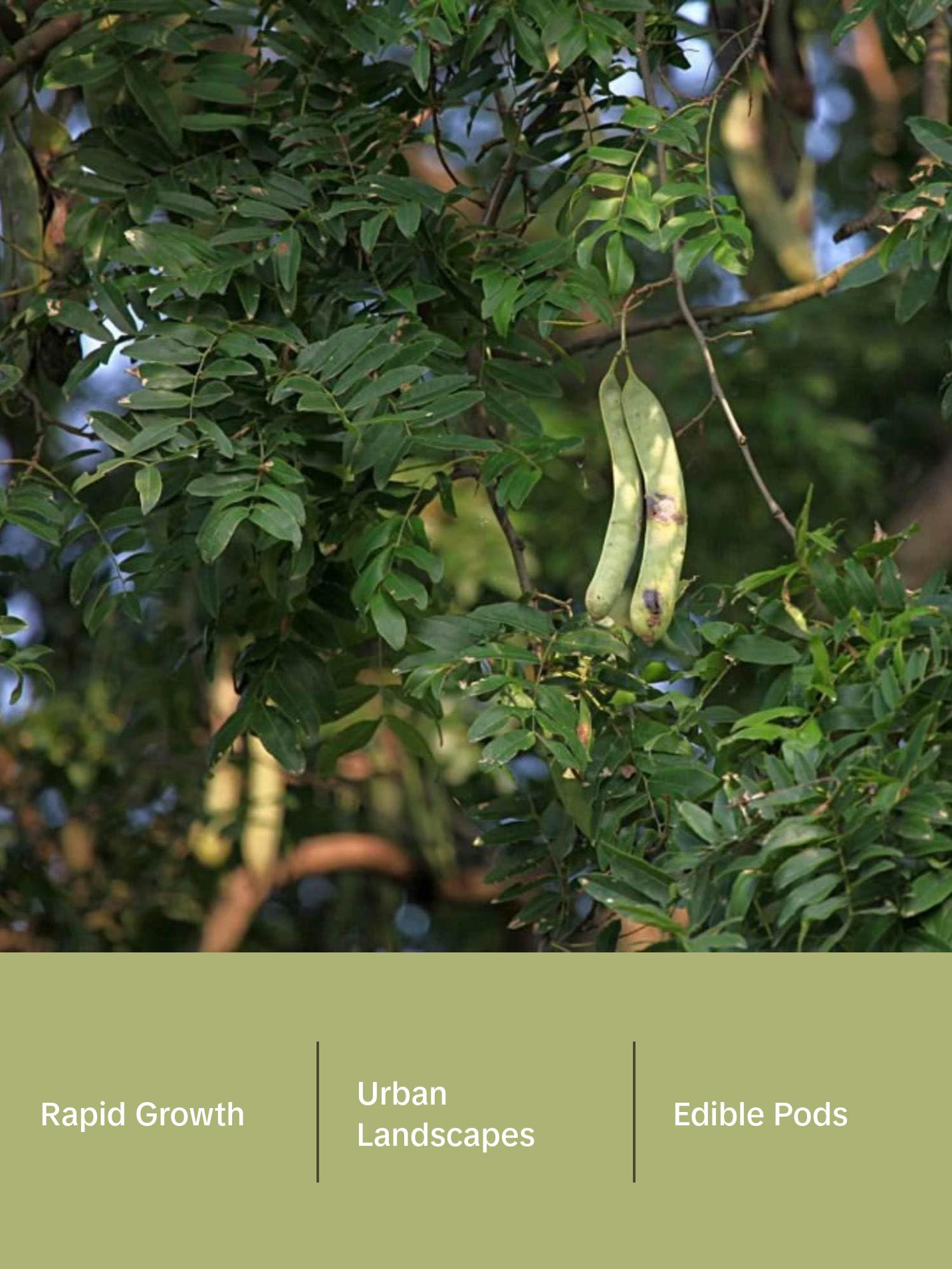
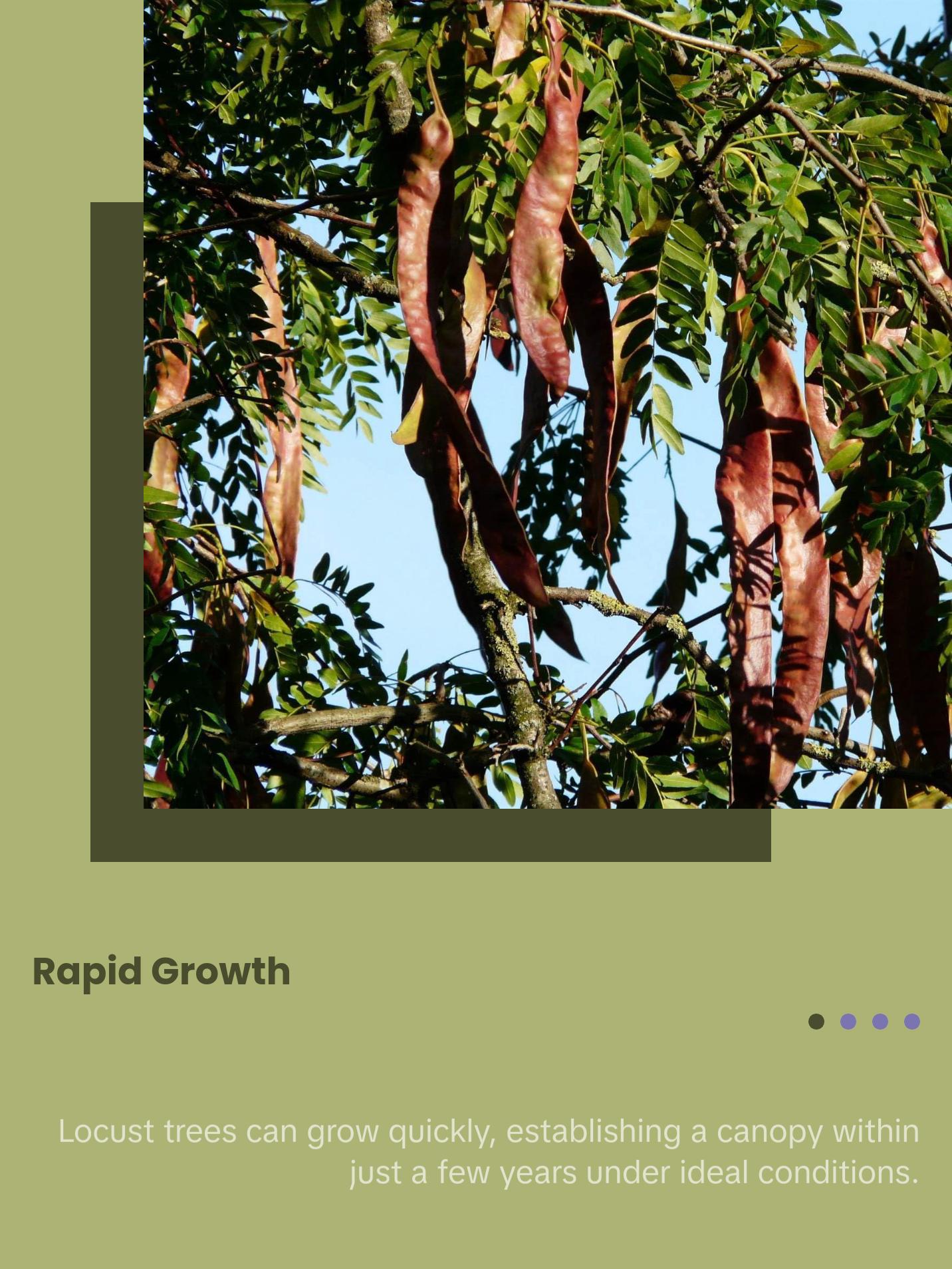
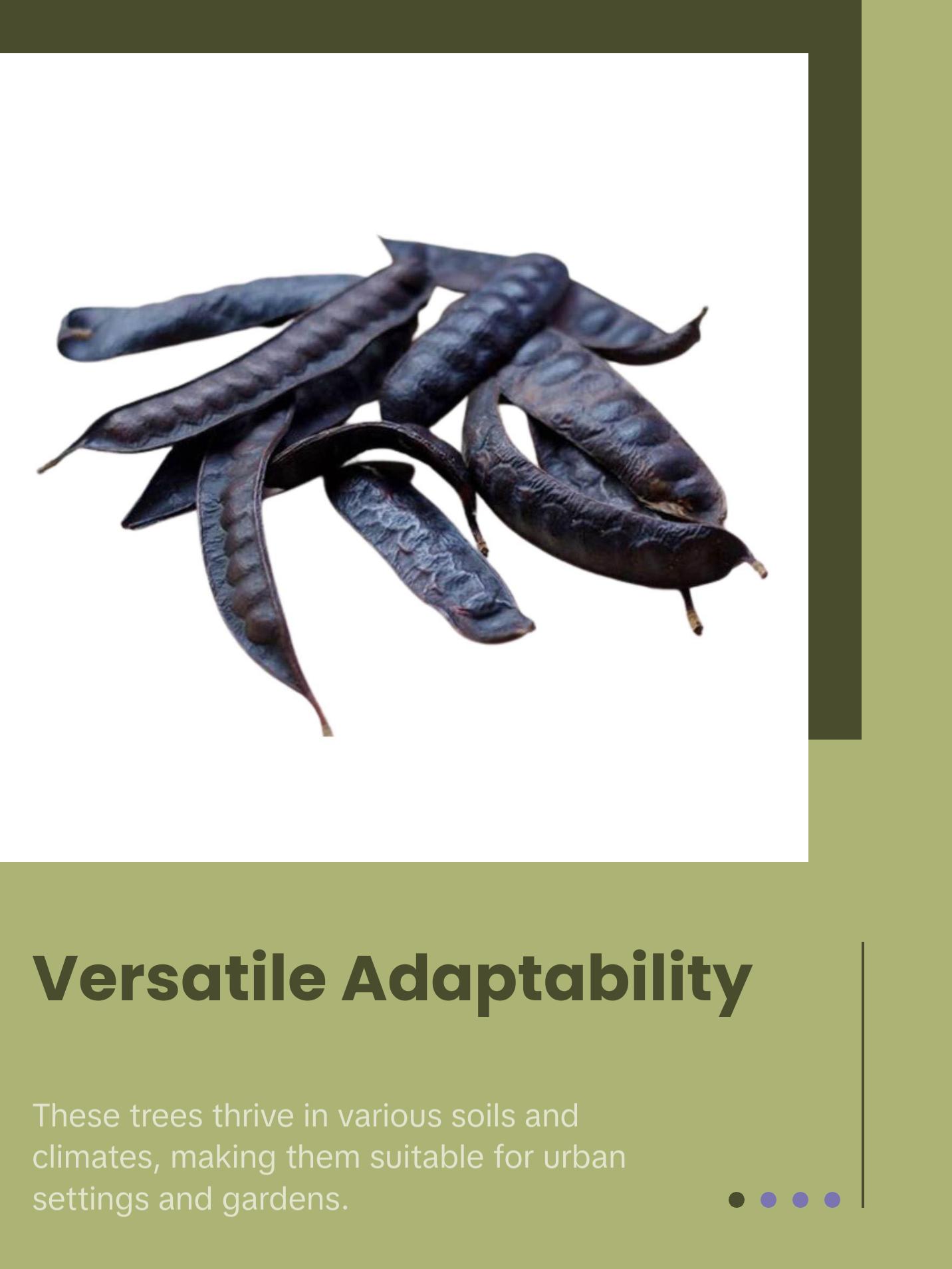
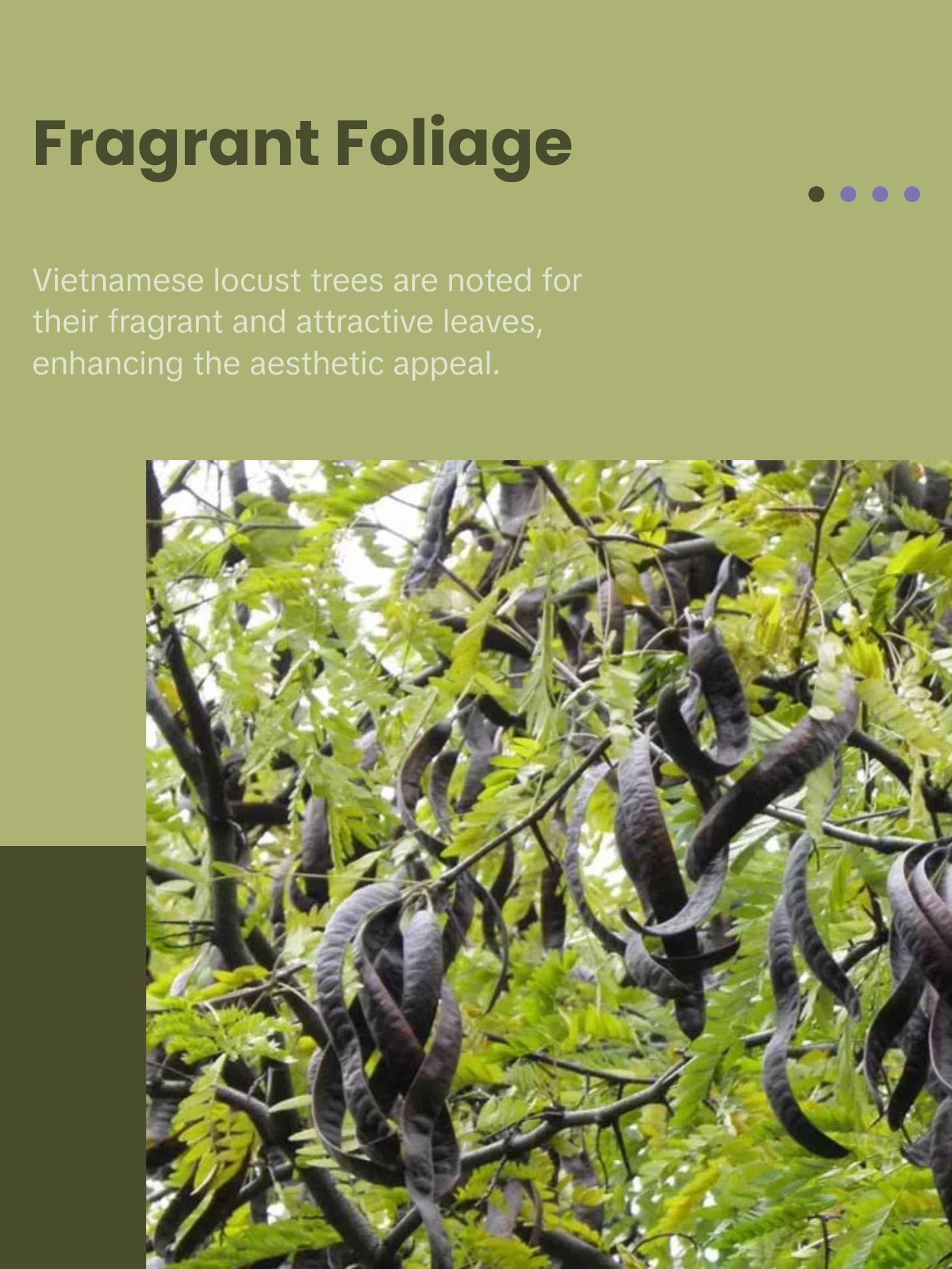
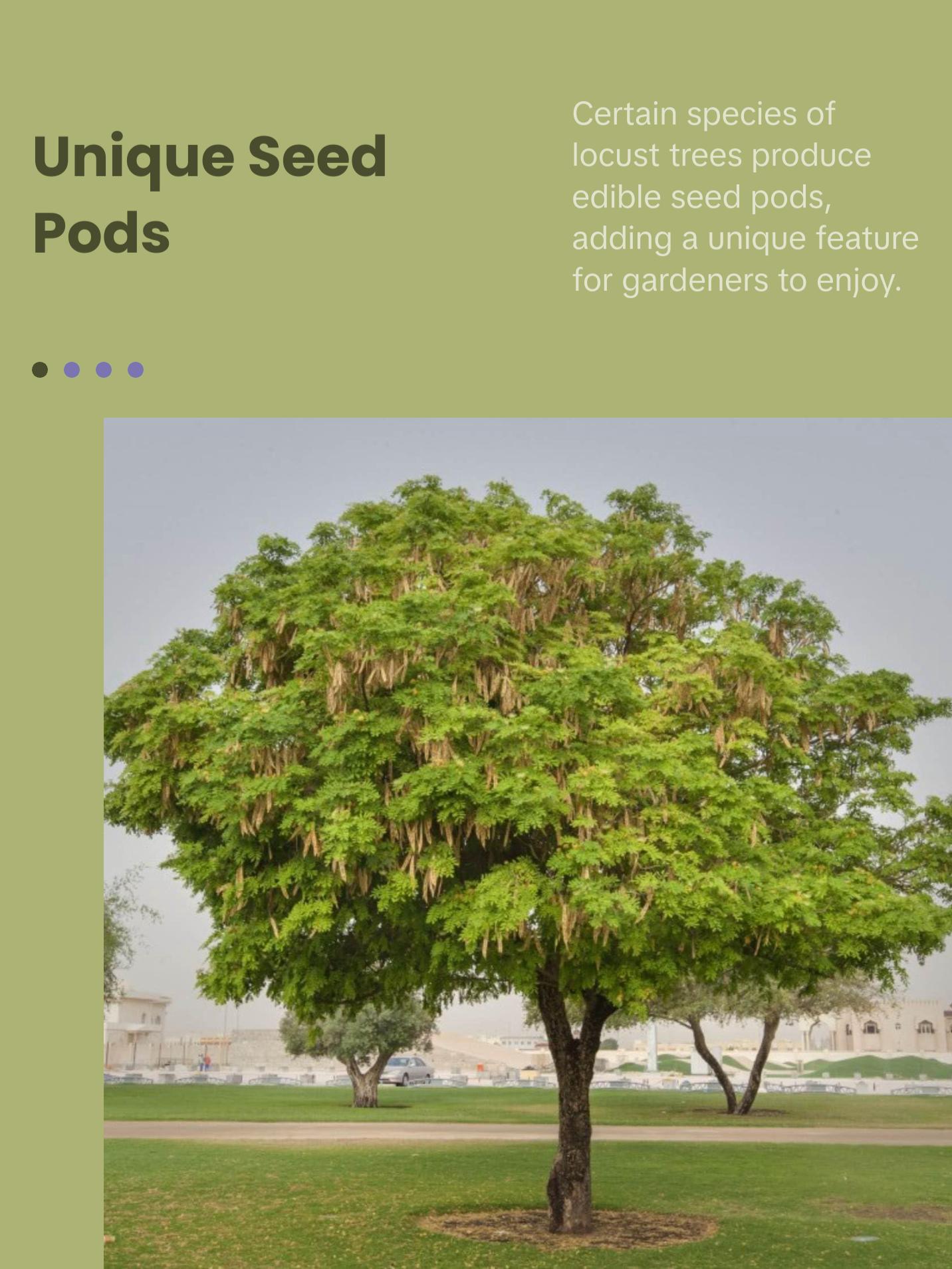
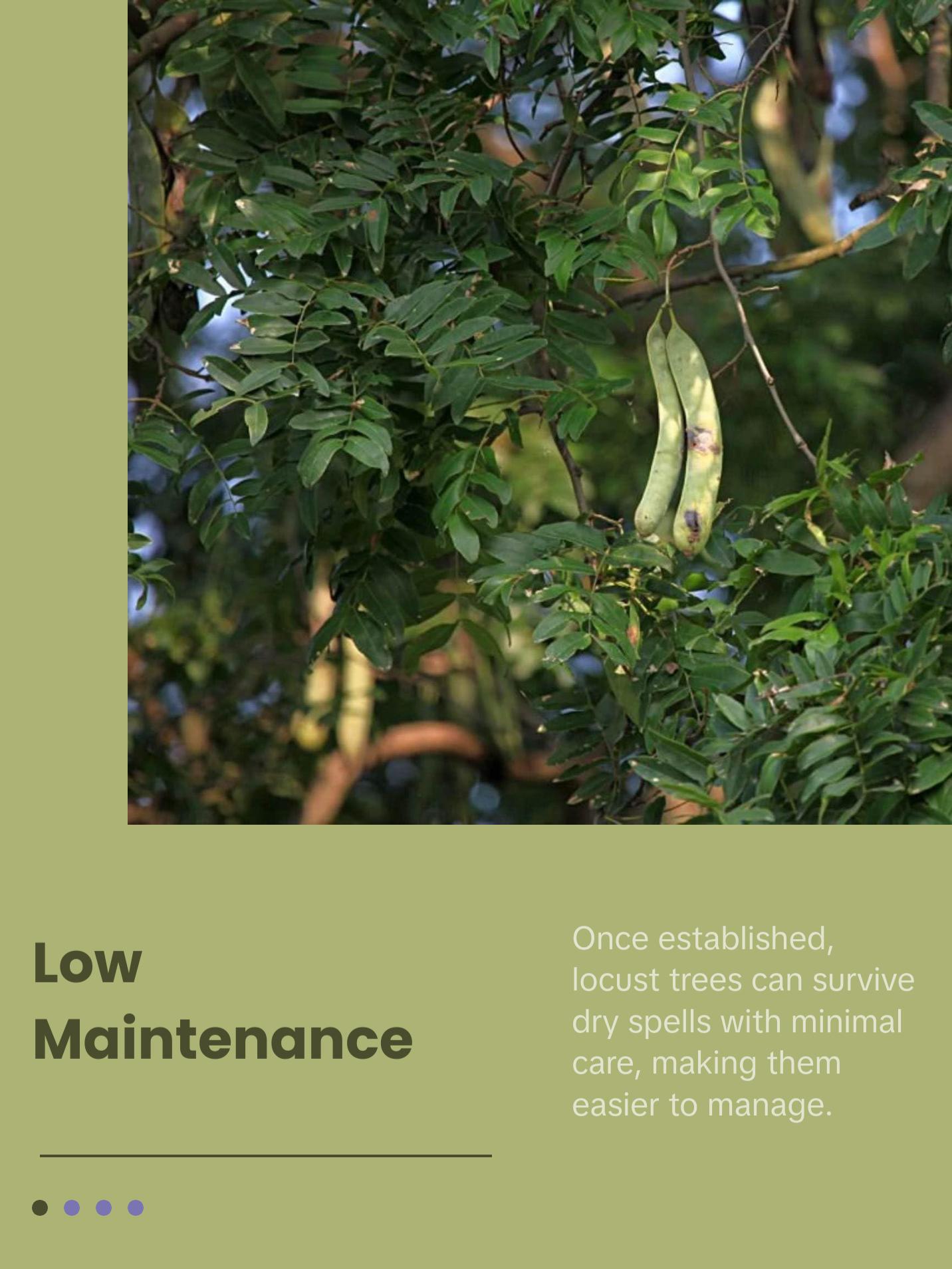
100 Vietnamese Honey Locust Tree Seeds (Gleditsia)
Regular price$8.99
Save $-8.99
100 Vietnamese Honey Locust Tree Seeds (Gleditsia) for planting. Package: one pack of 100 seeds (100 seeds total).
Seeds only; no live plant is included. Germination and growth vary by seed lot and growing conditions.
This listing is 100 grams of whole dried Clove buds (Syzygium aromaticum), an intensely aromatic warm-sweet spice. Whole cloves lock in their essential oils (eugenol) for maximum flavor in baking, mulled drinks, curries, rice, and spice blends. A little goes a long way — just 2–3 cloves can flavor a whole dish. Packed in a resealable pouch.
Ideal For: Bakers, mulled-drink makers, curry and rice cooks, and spice-blend enthusiasts.
Flavor & Aroma: Intense, warm, sweet, and slightly bitter with a penetrating aroma.
Key Characteristics: Whole dried buds, potent, long-lasting, versatile in sweet and savory dishes.
Culinary spice for baking, drinks, curries, and blends
Shelf Life
24+ months sealed (whole keeps longer than ground)
A Centuries-Old Aromatic Spice
There’s a reason cloves (Syzygium aromaticum) have been traded across continents for centuries — their intense, warming aroma and sweet-spicy flavor elevate everything from holiday baked goods to slow-cooked stews. Whole dried buds keep their essential oils locked in until you’re ready to grind or infuse them, so a few cloves can transform a pot of mulled cider, a batch of pumpkin-pie spice, or a fragrant rice pilaf.
Key Highlights
Intensely Aromatic: Warm, sweet, and penetrating — use sparingly.
Whole Form: Preserves essential oils far longer than pre-ground.
Sweet & Savory: From gingerbread to curries and braises.
Resealable Pouch: Keeps the rest fresh for months.
How to Use
Baking: Use whole or grind fresh for pumpkin pie, gingerbread, and spiced cakes.
Mulled Wine / Cider: Add 4–6 cloves per liter and simmer 20–30 minutes.
Rice & Stews: Add 2–3 whole cloves while cooking; remove before serving.
Spice Blends: Grind with cinnamon, nutmeg, and allspice.
Spiced Tea: Steep 2–3 cloves in hot water with ginger and honey.
Culinary Applications
Holiday Baking: Pumpkin pie spice, gingerbread, spiced cookies.
Warm Drinks: Mulled wine, spiced cider, chai.
Savory Dishes: Curries, biryani, braises, and pilafs.
Pantry Blends: A backbone of garam masala and five-spice-style mixes.
Frequently Asked Questions
How much is in this pack?
This listing is 100 grams of whole dried clove buds (Syzygium aromaticum) in a resealable pouch.
How many cloves should I use?
Cloves are potent — often just 2–3 will flavor an entire dish, or 4–6 per liter for mulled drinks. Add whole and remove before serving where appropriate.
Whole or ground — which is better?
Whole cloves retain their aroma and oils much longer. Store them whole and grind fresh only when needed.
How should I store them?
Keep sealed in a cool, dark, dry place away from heat and moisture.
Storage & Quality Assurance
Freshness: Whole buds packed in a resealable kraft pouch to preserve essential oils.
Storage Instructions: Store in a cool, dark, dry place; keep sealed between uses. Grind just before use for the best flavor.
Package Includes: 100 g of whole dried Clove buds (Syzygium aromaticum).
Cloves are a culinary spice. Use in normal culinary amounts. If you take medication or have a medical condition, consult a healthcare professional before using large or concentrated amounts.
Inventory Last Updated: Oct 14, 2026
100gram Honey Locust Tree pods Bo Ket Natural detergent & Hair wash
Regular price$9.99
Save $-9.99
TL;DR (AI Summary)
A 100g pack of dried honey locust pods (Bồ Kết) used as a traditional Vietnamese, plant-based cleanser for hair and fabrics, activated by simmering to release natural saponins.
✅ Best for: Individuals seeking sulfate-free, plant-based hair wash alternatives
✅ Best for: Eco-conscious consumers looking for natural fabric detergents
✅ Best for: Those interested in traditional Vietnamese herbal remedies
❌ Not suitable for: Not a medical treatment or therapeutic product
❌ Not suitable for: Not suitable for high-suds or heavy-duty cleaning
❌ Not suitable for: Not intended for use on synthetic or non-washable materials
Key Features:
Form: Whole dried pods
Net Weight: 100 g
Active Compound: Natural saponins
Shelf Life: 24 months sealed
Origin: Vietnam
Honey locust tree pods (Bồ Kết) serve as a traditional Vietnamese natural detergent and hair wash, producing a gentle, low-suds cleanse when simmered in water. This 100-gram pack of dried Gleditsia pods offers enough for multiple uses—hair washing, fabric cleaning, or even as a gentle plant-based soap alternative. The saponins released during simmering do the cleaning without synthetic chemicals.
Before commercial shampoos and detergents, Vietnamese households relied on Bồ Kết—dried honey locust tree pods—for everything from washing hair to cleaning delicate fabrics. The pods contain natural saponins that release when simmered, creating a gentle, low-lather wash. This 100-gram pack provides enough dried pods for several batches of homemade natural cleanser, whether you're looking for a sulfate-free hair wash or a plant-based alternative for hand-washing delicate garments.
Key Benefits
100 g dried honey locust pods (Bồ Kết / Gleditsia)
Traditional Vietnamese natural cleanser for hair and fabrics
Low-suds, gentle wash without synthetic detergents
Natural saponins do the cleaning—no sulfates or chemicals
Multi-use: hair wash, fabric rinse, gentle soap alternative
Resealable pouch for extended storage
How to Use
Rinse 15–25 g dried pods under cool water to remove dust
Place pods in a pot with 500–700 ml water
Bring to a boil, then reduce heat and simmer 20–30 minutes
Strain liquid when dark amber; cool to comfortable temperature
For hair: pour over wet scalp, massage gently, rinse thoroughly
For fabrics: soak delicates in liquid 15–30 min, rinse with water
Store in a cool, dry place away from moisture. Keep sealed between uses. Prepared liquid can be refrigerated for up to 5 days.
Key Terms
Bồ Kết — Vietnamese name for dried honey locust pods used as natural cleanser
Gleditsia — The botanical genus of honey locust trees
Saponins — Natural compounds that create mild lather and have cleansing properties
Who Should Not Use
Those with known allergies to legumes: honey locust is in the legume family
Sensitive or irritated scalp/skin: test on small area first
Not for ingestion—external use only
There's something grounding about simmering these pods the way generations before us did—the kitchen smells earthy, and the whole process feels intentional.
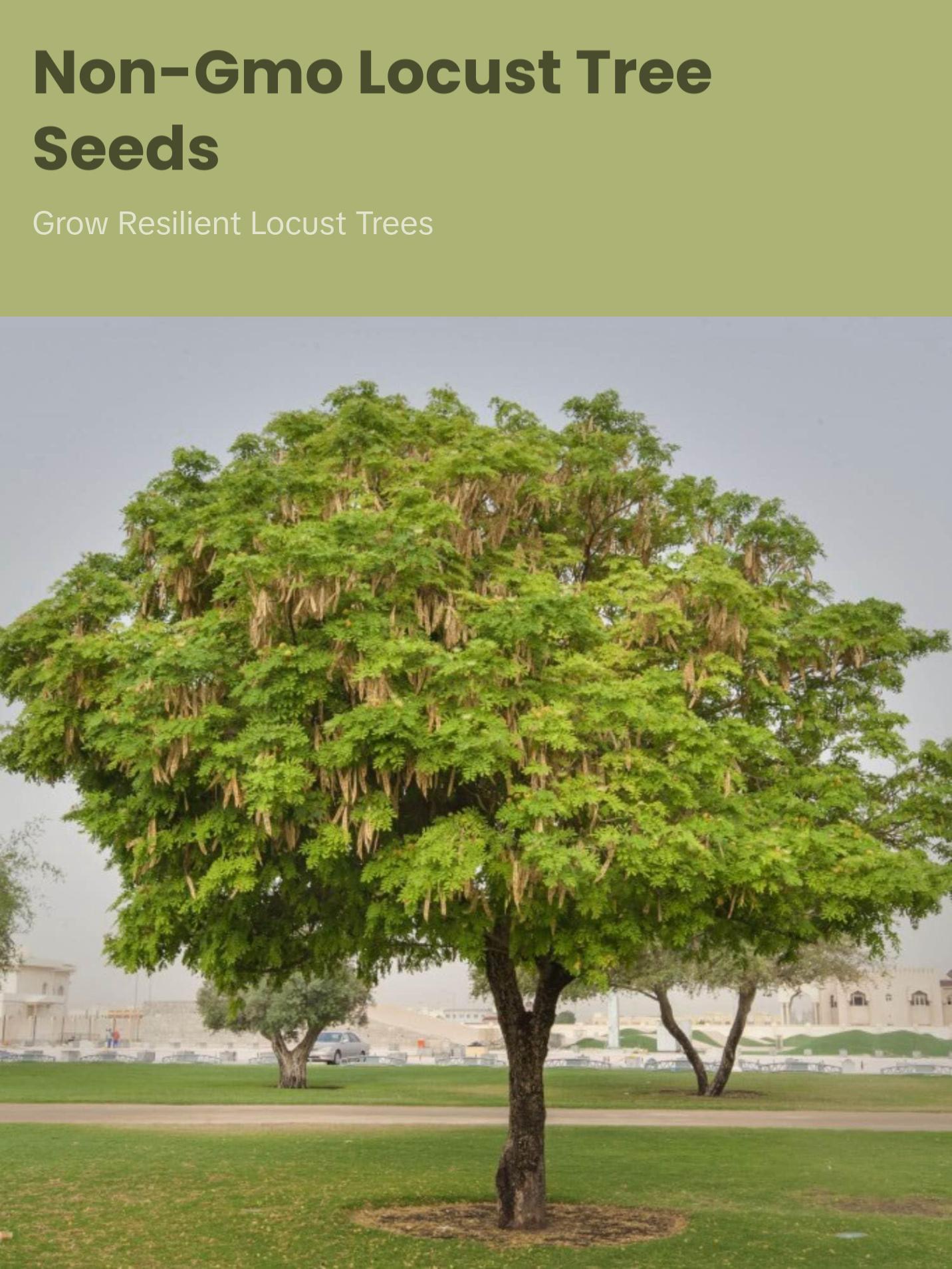
Locust Tree Vietnamese or Bo Ket is a rewarding tree to grow from seed — watch a tiny seed transform into a magnificent living landmark that provides shade, beauty, and habitat for decades. Perfect for home landscapers, reforestation projects, and anyone who appreciates the art of growing trees from the very beginning.
This variety thrives in USDA zones 3-11 depending on your climate, and adapts beautifully to indoor and outdoor growing. Start from seed for the most rewarding gardening experience — there is nothing quite like nurturing a plant from its very first sprout.
🌱 Step-by-Step Growing Guide
1. Seed Prep and Sowing: Soak seeds in warm water for 24 hours. Many tree seeds benefit from cold stratification — place in damp sand in a sealed bag and refrigerate for 30-90 days before sowing.
2. Planting and Container Setup: Start in deep pots or root trainers to allow tap root development. Use well-draining soil amended with compost. Full sun to partial shade (6+ hours daily).
3. Germination and Early Care: Germination can take 14-60+ days depending on species. Keep soil evenly moist but never waterlogged. Be patient — some tree seeds sprout irregularly.
4. Growth and Maintenance: Grow seedlings in containers for 1-2 years before transplanting to their permanent location. Water deeply during dry periods. Protect from strong winds and extreme temperatures.
5. Harvesting: Trees are living investments that grow with your family. Expect seedlings to reach 6-12 inches in the first year. Many trees provide shade, beauty, and habitat for decades.
💡 Pro Tips for Every State
Midwest and Northeast: Start in deep pots and grow indoors for 1-2 years before transplanting. Protect young trees from harsh winter winds.
South and Southwest: Direct sow in fall for natural stratification, or plant out in early spring when soil is workable.
Container and Balcony Growers: Grow seedlings in large containers for the first 1-2 years. Choose the perfect permanent spot when the tree is ready.
🍳 Easy Recipes and Creative Uses
Shade & Privacy Screen: Plant as a natural windbreak or living fence for year-round beauty and privacy in your yard
Wildlife Habitat: Provides nesting sites for birds, food for pollinators, and shelter for beneficial garden insects
Bonsai & Container Art: Train young seedlings into stunning bonsai specimens — a rewarding long-term hobby for all skill levels
📋 Care and Storage
Store unused seeds in a cool, dry place — sealed container in the fridge extends viability 2-3+ years
Water consistently — morning watering prevents fungal issues and keeps plants hydrated through the day
Mulch around plants to retain moisture, suppress weeds, and regulate soil temperature
Check your USDA hardiness zone at planting time for the best results in your specific region
Advanced Soil Science and Companion Planting
Understanding Your Soil: The foundation of every successful garden begins beneath the surface. Before planting, test your soil pH using an inexpensive kit from any garden center. Most seeds thrive in slightly acidic to neutral soil (pH 6.0-7.0). If your soil is too acidic, add agricultural lime; if too alkaline, add sulfur or peat moss. The ideal soil structure is loamy — a balanced mix of sand, silt, and clay that retains moisture while allowing good drainage.
Building Living Soil: Healthy soil is a living ecosystem containing billions of microorganisms per teaspoon. Feed your soil with aged compost, worm castings, and mycorrhizal fungi inoculant. These beneficial organisms form symbiotic relationships with plant roots, extending their effective root zone by up to 700% and making locked-up nutrients bioavailable. Avoid synthetic fertilizers that can disrupt this delicate microbial balance.
Companion Planting Strategies: Strategic plant pairings can dramatically improve growth, pest resistance, and flavor. Plant aromatic herbs like basil, dill, and cilantro nearby to attract beneficial pollinators and repel harmful insects through volatile oil release. Marigolds are excellent border plants that deter nematodes and aphids. Avoid planting near allelopathic species like black walnut, which release juglone into the soil.
Mulching for Success: Apply 2-3 inches of organic mulch (straw, shredded leaves, or wood chips) around established seedlings. Mulch regulates soil temperature, conserves moisture by up to 70%, suppresses weeds, and gradually feeds the soil as it decomposes. Leave a small gap around stems to prevent collar rot.
Integrated Pest Management and Season Extension
Prevention-First Approach: The most effective pest management starts before problems appear. Choose disease-resistant varieties when possible, rotate crops annually to break pest cycles, and maintain proper plant spacing for air circulation that prevents fungal diseases. Healthy, well-nourished plants are naturally more resistant to pests and diseases than stressed plants.
Biological Controls: Encourage natural predators in your garden. Ladybugs consume up to 5,000 aphids in their lifetime. Green lacewing larvae are voracious predators of soft-bodied insects. Install birdhouses to attract insectivorous birds. Plant yarrow, fennel, and sweet alyssum to provide habitat for predatory wasps and hoverflies. A single bat house can eliminate thousands of mosquitoes nightly.
Organic Remedies: When intervention is needed, reach for the gentlest solution first. A strong spray of water dislodges many soft-bodied insects. Neem oil spray (diluted per label instructions) disrupts feeding and reproduction of over 200 insect species while being safe for beneficial insects when applied correctly. Diatomaceous earth creates a physical barrier against crawling insects. BT (Bacillus thuringiensis) targets caterpillars specifically without harming other organisms.
Extending Your Growing Season: Use cold frames, row covers, and hoop houses to add 4-8 weeks to both ends of your growing season. Start seeds indoors 6-8 weeks before last frost under LED grow lights. In fall, protect mature plants with frost cloth rated to 28 degrees F. For year-round growing, consider a simple greenhouse — even a small one can produce fresh herbs and greens through winter in most climates.
Inventory Last Updated: Oct 14, 2026
15 Japanese Barberry Seeds (Berberis thunbergii)
Regular price$9.00
Save $-9.00
15 Japanese Barberry Seeds (Berberis thunbergii) for planting. Package: one pack of 15 seeds (15 seeds total).
Seeds only; no live plant is included. Germination and growth vary by seed lot and growing conditions.
Check current local planting guidance before sowing. Avoid planting where the species could spread into unmanaged areas.
Inventory Last Updated: Oct 14, 2026
150 Blue Porterweed Seeds (Snake Weed)
Regular price$9.00
Save $-9.00
150 Blue Porterweed Seeds (Snake Weed) for planting. Package: one pack of 150 seeds (150 seeds total).
Seeds only; no live plant is included. Germination and growth vary by seed lot and growing conditions.
Inventory Last Updated: Oct 14, 2026
150 White Hibiscus Seeds (Rose of Sharon, Hibiscus syriacus)
Regular price$6.00
Save $-6.00
150 White Hibiscus Seeds (Rose of Sharon, Hibiscus syriacus) for planting. Package: one pack of 150 seeds (150 seeds total).
Seeds only; no live plant is included. Germination and growth vary by seed lot and growing conditions.
Check current local planting guidance before sowing.
Inventory Last Updated: Oct 14, 2026
150 Yellow Cherokee Wax Bush Bean Seeds
Regular price$9.00
Save $-9.00
Yellow Cherokee Wax bush bean seeds for planting. Package: one pack of 150 seeds.
Seeds only; live plants and produce are not included. Germination and growth vary by seed lot and growing conditions.
Inventory Last Updated: Oct 14, 2026
150-gram Korean Red Panax Ginseng Root Herb - Red Ginseng
Regular price$35.00
Save $-35.00
TL;DR (AI Summary)
150g pack of whole dried Korean red Panax ginseng roots, steam-processed for concentrated flavor; versatile for tea, soups like samgyetang, or chewing.
✅ Best for: Traditional herbal tea enthusiasts
✅ Best for: Korean cuisine home cooks (e.g., samgyetang)
✅ Best for: Herbal wellness practitioners
❌ Not suitable for: Not a medical treatment or substitute for professional healthcare
❌ Not suitable for: Not suitable for individuals with ginseng allergies
Key Features:
Net Weight: 150 g
Form: Whole dried roots
Processing Method: Steam-processed (traditional red ginseng method)
Origin: Korea
Shelf Life: 24+ months when sealed
Korean red Panax ginseng root (Panax ginseng) offers a traditional tonic herb prized in East Asian wellness practices for centuries. This 150-gram pack contains whole dried red ginseng roots that have been steamed and dried—the process that gives them their distinctive reddish-brown color and concentrated character. Slice thinly for tea, add to soups, or chew directly.
Red ginseng holds a revered place in Korean and Chinese traditional practices—the steaming and drying process that transforms fresh white ginseng into this reddish-brown root has been refined over generations. This 150-gram pack of whole Korean red Panax ginseng roots offers the earthy, slightly bitter flavor that ginseng enthusiasts recognize. Steep thin slices in hot water for a warming tea, simmer with chicken for samgyetang, or add to herbal blends. The roots can be re-steeped multiple times.
Key Benefits
150 g Korean red Panax ginseng roots (Panax ginseng)
Steam-processed – traditional method for red ginseng
Whole dried roots – slice fresh for each use
Earthy, slightly bitter flavor profile
Multi-use: tea, soup (samgyetang), herbal blends
Roots can be re-steeped 2–3 times
How to Use
For tea: slice 2–3 g thinly, steep in 200 ml hot water 10–15 min
For stronger brew: simmer slices in water 20–30 min
For samgyetang: add whole small root to chicken soup, simmer 2+ hours
For chewing: slice very thin, chew slowly to extract flavor
Store sliced portions in airtight container
Re-steep roots 2–3 times for lighter subsequent brews
Specifications
Net weight: 150 g. Form: Whole dried roots. Species: Panax ginseng. Type: Korean red (steam-processed). Origin: Korea. Shelf life: 24+ months sealed.
What's Included
150 g whole dried Korean red ginseng roots
Resealable pouch
Care & Storage
Store in a cool, dry place away from moisture and direct sunlight. Keep sealed between uses. Refrigerate after opening for extended freshness.
Key Terms
Panax ginseng — The botanical name for Asian ginseng, native to Korea and China
Red ginseng — Ginseng roots that have been steamed and dried, turning reddish-brown
Ginsenosides — Bioactive compounds found in ginseng root
Who Should Not Use
Pregnant or nursing: consult healthcare provider before use
Those on blood-thinning medications: ginseng may interact
Those with high blood pressure: consult provider before regular use
Not intended for children without healthcare guidance
A few thin slices steeping in a small clay pot—there's a reason this ritual has endured for centuries.
Inventory Last Updated: Oct 14, 2026
15000 Sweet Yellow Clover Seeds (Melilotus officinalis), Nitrogen-Fixing Biennial Legume for Cover Crops, Green Manure, Pollinator and Bee Plots, Full-Sun Meadow-Style Planting Where Allowed
Regular price$10.00
Save $-10.00
Sweet Yellow Clover Seeds grow Melilotus officinalis, a tall, fragrant, nitrogen-fixing legume grown mainly as a cover crop and pollinator plant rather than as a showy flower. This is a seed packet for planting, not live plants, hay, forage, tea, or ready-to-use clover material.
Product Details
Sweet yellow clover earns its place through what it does for the soil and for pollinators. As a legume it fixes nitrogen and sends down a deep taproot that helps break up and aerate compacted ground, which is why it is a classic choice for green manure, cover-cropping, and soil-building on rougher plots. When it flowers it carries masses of small yellow, honey-scented blooms that are a well-known favourite of bees and other pollinators. That makes it a good fit for gardeners and smallholders working on soil improvement, meadow and pollinator plantings, and low-input areas, especially on poorer or limey ground.
Establishing it well comes down to a few classic cover-crop steps. Sweet clover has a hard seed coat, so scarified seed germinates far more evenly, and because it is a legume it needs the right soil bacteria to fix nitrogen: on ground that has not grown clovers or alfalfa before, inoculating the seed with the right sweet-clover bacteria makes a real difference. Sow it into a firm, weed-free seedbed about a quarter to half an inch deep, ideally in spring, since autumn-sown seedlings often lack the root reserves to come through winter.
As a biennial it works to a two-year rhythm. In the first year it builds that deep taproot and a low, leafy rosette with little top growth; in the second it shoots up fast, puts on plenty of leafy bulk, flowers, sets seed, and then dies. Growers using it purely for green manure often cut or turn it in that second spring, once regrowth is well up but before flowering, to return the most nitrogen and soft matter to the soil.
Its value below ground is as real as anything above it. The deep taproot punches through and aerates compacted subsoil and scavenges minerals such as phosphorus and potassium from lower layers, while the nitrogen it fixes and the organic matter it leaves behind feed whatever crop follows. That combination is why it is a long-standing choice for rebuilding tired, poor, or heavy ground rather than for looks.
When it flowers, the effect on pollinators is hard to beat. The plant throws up long sprays of small yellow blooms that hum with honeybees and other insects, and it is a well-known, high-quality nectar plant, prized by beekeepers for the pale, fragrant melilot honey it helps produce. Crushed leaves and drying stems give off the sweet, vanilla-like scent of coumarin that gives sweet clover its name.
It is an undemanding plant to grow. It thrives in full sun, copes with a wide range of soils, and is notably tough on dry, alkaline, and lime-rich ground where many plants struggle, asking mainly for well-drained conditions since it dislikes sitting waterlogged. That resilience is exactly why it turns up on road verges and rough ground as readily as in a sown plot.
It is worth picturing what each year looks like, because the first can fool you. A spring sowing spends its first season as an unremarkable low, bushy patch of clover-like leaves close to the ground, quietly building roots; then, the following year, the same plants surge to shoulder height or more, branch, and cover themselves in flower. Knowing that rhythm saves disappointment in year one and stops the year-two growth taking you by surprise.
It is a poor fit for a few expectations. It is not a tidy, compact ornamental, not a lawn clover, and not a one-season bedding flower. Gardeners wanting a neat, contained plant should choose something else.
One important note applies if it is ever used as livestock forage. Sweet clover is drought-tolerant and makes leafy, productive forage, but it contains coumarin, and if the cut hay is baled damp or allowed to mould, that coumarin can convert into dicoumarol, a powerful anti-clotting compound that is genuinely dangerous to grazing animals. The safeguards are simple but essential: dry the thick stems out thoroughly before baling, never feed mouldy sweet-clover hay, and where the plant is grown for forage, choose low-coumarin cultivars.
The other key point is to grow it responsibly. Sweet clover is a prolific seeder whose seed can stay viable in the soil for decades, and it is regarded as a weedy or invasive plant across many North American prairies, grasslands, and natural areas, where it can form dense stands that shade out and crowd native species. Before sowing, check your local guidance, keep it to managed plots rather than wild land, and cut, mow, or pull it before it sheds seed if you do not want it to spread.
Where it has already escaped, the usual controls are timed cutting or prescribed burning before the plants can set seed, repeated over a couple of seasons to exhaust the long-lived seed bank. For a home grower the same logic applies in miniature: stay ahead of seeding, and it stays exactly where you put it.
In a rotation it plays well with others. Sown alone it makes a strong stand-alone green manure, but it is also mixed into cover-crop and pasture blends, where its nitrogen and deep rooting complement shallow-rooted grasses and its flowers feed pollinators between cash crops. Its close relative, white sweet clover (Melilotus albus), behaves almost identically but flowers white and often a little later, so the two are sometimes grown together to stretch the bloom.
Sowing is forgiving on rough ground. It can be broadcast onto a firmed, weed-free surface and lightly raked or rolled in, and it establishes readily on the kind of thin, stony, or disturbed soil where a finer seedbed is impractical. Just keep the earliest weeks weed-free while the small seedlings find their feet, after which the fast taproot lets them fend largely for themselves.
Taken together, this is a plant for a specific job rather than a border. It is soil-building and green manure on rough or depleted ground, a nectar plot for bees and a boost for beekeepers, and low-input cover on poor, limey soils, all grown with a steady eye on keeping its enthusiastic self-seeding in check.
Handle it as a soil-and-pollinator project rather than a fixed result, since germination and growth depend on climate, soil, and care. Keep unused seed cool, dry, and sealed, and follow the packet directions for sowing rate, depth, and timing that suit your plot.
Product Highlights
Sweet Yellow Clover Seeds grow Melilotus officinalis, a tall, fragrant, nitrogen-fixing legume grown mainly as a cover crop and pollinator plant, carrying masses of small, honey-scented yellow flowers that pollinators flock to rather than one showy bloom.
Valued for what it does for the soil and for bees: as a legume it fixes nitrogen and sends down a deep taproot that helps break up and aerate compacted ground, which makes it a classic green-manure, cover-crop, and soil-building plant.
A good fit for gardeners and smallholders working on soil improvement, meadow and pollinator plantings, and low-input plots, especially on poorer, dry, alkaline, or limey ground where many plants struggle, and it wants full sun to flower and seed well.
Know that it is a biennial: it usually makes leafy growth in its first year, then flowers, sets seed, and dies in the second, so it is not a tidy compact ornamental, a lawn clover, or a one-season bedding flower.
Grow it responsibly, because it is a prolific self-seeder whose seed can persist in the soil for years and it is treated as weedy or invasive in some regions: check local rules, keep it to managed plots, mow before it sheds seed, and store spare seed cool, dry, and sealed.
Search Terms
sweet yellow clover seeds, melilotus officinalis seeds, yellow sweetclover seeds, cover crop clover seeds, green manure legume seeds, bee pollinator plant seeds, meadow planting seeds, how to grow sweet clover, sweet clover for planting
Inventory Last Updated: Oct 14, 2026
2 pack x 200 Kochia Scoparia Seeds (Bassia scoparia), Co Doi Mau / Summer Cypress Ornamental Feathery Foliage Annual, Seeds for Containers, Borders and Full-Sun Summer-to-Autumn Color, for Grower-Managed Single-Season Planting
Regular price$9.00
Save $-9.00
Kochia Scoparia Seeds, also labeled Co Doi Mau or Bassia scoparia, are seeds for starting a fast-growing ornamental foliage annual at home. The safest expectation is a seed-starting item for a single-season plant grown for its looks, not a food seed, a leafy green, an herbal tea, an ingestible product, a finished live plant, or a promised landscape outcome. You are buying raw seed and the growing project that comes with it, so how it turns out depends on your climate, your timing, and the care you give it.
Product Details
Gardeners search for this plant under several names, so it helps to know they point to the same thing: Kochia, Burning Bush, Summer Cypress, Belvedere, and Mexican Fireweed all refer to Bassia scoparia. One alias causes real confusion when buying: the name Burning Bush is also used for Euonymus alatus, a woody, winter-hardy perennial shrub with corky-ridged stems that lives for many years. This packet is the other plant entirely, the soft annual Kochia that sprouts quickly, forms a leafy mound in one summer, and dies once cold arrives. If you want the permanent woody shrub, this is not it; if you want fast feathery foliage from seed, this is exactly it.
What draws most buyers is the seasonal foliage show. Through summer the plant forms a rounded, densely branched mound of fine, bright-green, needle-like leaves that can read almost like a clipped conifer from a distance. As autumn nights turn cool, that green shifts to deep red, burgundy, and maroon, which is where the Burning Bush nickname comes from. The colour change is triggered by falling temperatures, so the display arrives on its own schedule rather than on a fixed calendar date, and it tends to be strongest where days stay bright and nights get genuinely chilly.
This plant suits several specific gardeners. It is a common pick for renters and owners of new-build yards who want a quick, low-cost privacy screen or temporary hedge for one season without committing to a permanent shrub. It works as a soft, formal-looking accent toward the back of a sunny border, as a large feathery specimen in a patio container, and as a heat- and drought-tolerant filler for xeriscaping and hot, dry, low-water gardens where fussier ornamentals struggle. Growers who want dramatic structure fast, and beginners who want a plant that establishes quickly and forgivingly from seed, are the natural fit.
It is a poor choice for a few clear cases. It is not an edible-greens seed, not a native-restoration or wildflower-meadow seed, and not a permanent, no-maintenance ground cover. Buyers who need a lasting perennial, a food crop, or a hands-off planting should choose something else, because this plant is built by nature for one fast season and then sets seed and dies.
Growing from seed is straightforward if you respect the warmth it wants. Sow shallowly and barely cover the seed, since light helps it sprout; a thin scattering of soil or vermiculite over the top is enough. Seeds usually germinate in about 7 to 15 days once the soil is warm, ideally between 50 and 77 degrees Fahrenheit, so wait until frost has passed and the ground has warmed before direct-sowing outdoors, or start indoors roughly six to eight weeks before your last expected frost.
Give the plants full sun and average, well-drained ground; they actually prefer lean, dry, sandy, or alkaline soil and need only light, occasional feeding, so rich beds and heavy fertiliser are unnecessary and can leave growth floppy. Keep the surface evenly moist until seedlings are up, then thin them so every plant has room, spacing them roughly eight to twenty-four inches apart depending on whether you want a solid clipped hedge or individual rounded specimens. Mature plants typically reach two to five feet tall and about as wide, and once established they are notably drought- and salt-tolerant, shrugging off heat, wind, and coastal exposure that would scorch other summer plants.
Because it finishes its whole life in one year, treat timing as a warm-season, half-hardy annual. It is frost-sensitive at both ends of the season, so it will not overwinter; in cold-summer or short-season areas an indoor start gives it the head start it needs, while in hot regions direct-sowing after the soil warms is usually enough. Grown this way it performs as a summer annual across a very wide range of climates and hardiness zones. For containers, choose a large pot with free drainage, use a single plant per pot for the fullest rounded shape, and water a little more attentively than you would in open ground, since pots dry out faster in strong sun.
This species does ask for a responsible-grower mindset, and that is the most important boundary before you buy. Kochia self-seeds freely and spreads mainly by seed: in autumn mature plants dry out, snap off at the base, and tumble in the wind, scattering thousands of seeds over long distances, which is why it is regarded as a weedy or noxious plant in a number of regions. It is listed as a noxious weed in states such as Arizona, Ohio, Oregon, and Washington, is flagged as invasive in Connecticut, and sits on a watch list in New Hampshire, and it also sheds abundant pollen that is a known hay-fever allergen.
Grow it responsibly: check your local agricultural extension or regional planting rules first, keep it well away from open natural areas, farmland, and roadsides, and grow it in containers or a contained bed to limit spread. Pull or hoe seedlings while they are young and easy to lift, avoid leaving large patches of bare soil where it can colonise, and above all cut back or remove plants before they set and drop seed, and certainly before they can detach and tumble, if you do not want a crop of volunteers the following year.
Beyond its border and container roles, this species carries a practical history: once dried, the stiff, densely branched stems were traditionally bundled into hand brooms and whisks, earning the nickname broom cypress. In a modern garden it also works as a fast seasonal backdrop, filling in a bare fence line or newly planted bed with green structure while slower, longer-lived plants catch up.
Treat it as a seed-starting project with realistic single-season expectations rather than a finished landscape delivered in a box. Keep any unused seed sealed, dry, and away from heat and humidity until you are ready to plant, and follow the packet directions for the exact sowing depth, spacing, and timing that best suit your area and season.
Product Highlights
Kochia Scoparia is also sold as Co Doi Mau, Bassia scoparia, or Summer Cypress, and it grows into a soft, rounded bush of fine, feathery, needle-like leaves; the foliage is bright green through summer and then shifts to warm red and burgundy tones as autumn nights turn cool, which is the main reason people grow it.
It is a strong pick for gardeners who want fast, dramatic foliage in a single season and a plant that sprouts easily and forgivingly from seed, rather than a slow-establishing woody shrub, a permanent perennial, or an edible leafy crop, so choose it for looks and quick seasonal effect.
It fits container growing, a quick temporary summer hedge, or a feathery vertical accent toward the back of a sunny border, and it copes with poor, dry, sandy, or alkaline well-drained soil where many fussier ornamentals would sulk or fail.
Start seeds indoors a few weeks before your last frost, or direct-sow once the soil has warmed, and give the plants full sun; seedlings come up quickly, and you then thin them so each plant has the space to fill out into its full rounded, bushy shape.
Grow it responsibly, because this is a self-seeding annual that can become weedy and is restricted in some regions: check your local rules first, keep it in containers or a contained bed, cut plants back before they drop seed if you do not want volunteers, and store any spare seed cool, dry, and sealed.
Search Terms
kochia scoparia seeds, bassia scoparia seeds, co doi mau seeds, summer cypress seeds, burning bush kochia seeds, mexican fireweed seeds, feathery annual foliage seeds, red fall foliage seeds, container foliage seeds, how to grow kochia from seed
Inventory Last Updated: Oct 14, 2026
2 pack x 3000 Vietnamese Lemon Balm Seeds Kinh Gioi Elsholtzia Ciliata Seeds
Regular price$9.00
Save $-9.00
TL;DR (AI Summary)
This product offers 6000 Vietnamese Lemon Balm (Kinh Gioi) seeds, an aromatic herb essential for Vietnamese cuisine, known for its citrus-pepper notes and ease of growth.
✅ Best for: Home gardeners interested in Vietnamese herbs
✅ Best for: Culinary enthusiasts seeking authentic ingredients
✅ Best for: Gardeners looking to attract beneficial pollinators
❌ Not suitable for: Not a medical treatment or supplement
❌ Not suitable for: Not suitable for indoor growing without sufficient light
These 2 packs of 3000 Vietnamese Lemon Balm seeds (Kinh Giới) produce the aromatic herb essential to Vietnamese cuisine. Known scientifically as Elsholtzia ciliata, this unique mint-family herb adds distinctive citrus-pepper notes to phở, spring rolls, and traditional dishes.
✨ Highlights
6000 total seeds across 2 packs for abundant harvest
Distinctive citrus-mint-pepper aroma unique to Vietnamese cooking
Essential garnish for phở and bánh xèo
Easy to grow annual; ready in 45-60 days
Attracts beneficial pollinators to gardens
📋 How to Use
Surface sow on moist potting mix; seeds need light
Keep warm (65-75°F / 18-24°C) and consistently moist
Germination in 7-14 days
Transplant or thin to 8-12 inches apart
Harvest stems and leaves regularly to encourage bushy growth
📦 What's Included
2 sealed packs × 3000 Kinh Giới seeds each (6000 total)
Growing guide included
🌱 Care & Storage
Store seeds cool and dry. Kinh Giới prefers full sun to partial shade and regular watering. Pinch flower buds to extend leaf production. Self-seeds readily in mild climates.
📝 Key Terms
Kinh Giới (Elsholtzia ciliata) — Vietnamese Lemon Balm; aromatic herb with citrus-pepper flavor
Vietnamese Balm — Common English name; distinct from European lemon balm (Melissa)
Cozy Note: Fresh kinh giới tucked into steaming phở—that first aromatic whiff is the taste of home for many Vietnamese families.
Inventory Last Updated: Oct 14, 2026
2 pack x Banh Phong Tom Dac Biet Ca Mau (Shrimp Chips), Shrimp Puffs and Snacks 100 gram
Regular price$10.99
Save $-10.99
TL;DR (AI Summary)
Two 100g packs of authentic Vietnamese shrimp chips from Cà Mau, ready to fry into light, crispy puffs—ideal for snacking or pairing with meals.
✅ Best for: Vietnamese cuisine enthusiasts
✅ Best for: Home cooks seeking authentic appetizers
✅ Best for: Snack lovers who enjoy fried seafood puffs
✅ Best for: Cultural food explorers
❌ Not suitable for: Individuals with shellfish allergies
❌ Not suitable for: Those avoiding fried foods
❌ Not suitable for: People seeking ready-to-eat snacks (requires frying)
Key Features:
Origin: Cà Mau, Vietnam – renowned shrimp chip region
Total Weight: 200g (2 × 100g packs)
Preparation: Ready to fry at 350–375°F (175–190°C); expands in 5–10 seconds
Texture: Light, crispy, airy puffs when fried
Allergens: Contains shellfish (shrimp); may contain traces of wheat and tapioca
Direct Answer
These 2 packs of 100g Bánh Phồng Tôm Đặc Biệt Cà Mau deliver authentic Vietnamese shrimp chips from the famous coastal region. Made with quality shrimp, these crispy puffs fry up light and airy—perfect as snacks, appetizers, or traditional accompaniments to Vietnamese meals.
✨ Highlights
200g total across 2 packs (100g each)
Premium Cà Mau quality—renowned shrimp chip region
Light, crispy texture when fried
Authentic shrimp flavor in every bite
Ready to fry—no preparation needed
📋 How to Use
Heat cooking oil to 350-375°F (175-190°C)
Drop chips in small batches—they expand quickly
Fry 5-10 seconds until puffed and light golden
Remove immediately; drain on paper towels
Serve warm alongside Vietnamese dishes or as snacks
📦 What's Included
2 packs × 100g Bánh Phồng Tôm Cà Mau each (200g total)
Uncooked chips ready for frying
🌱 Storage
Store unopened packs in cool, dry place. Keep sealed until ready to fry—humidity makes chips soggy. Once fried, consume same day for best crispness.
⚠️ Allergen Notice
Contains shellfish (shrimp)—not suitable for shellfish allergies