





100gram Honey Locust Tree pods Bo Ket Natural detergent & Hair wash
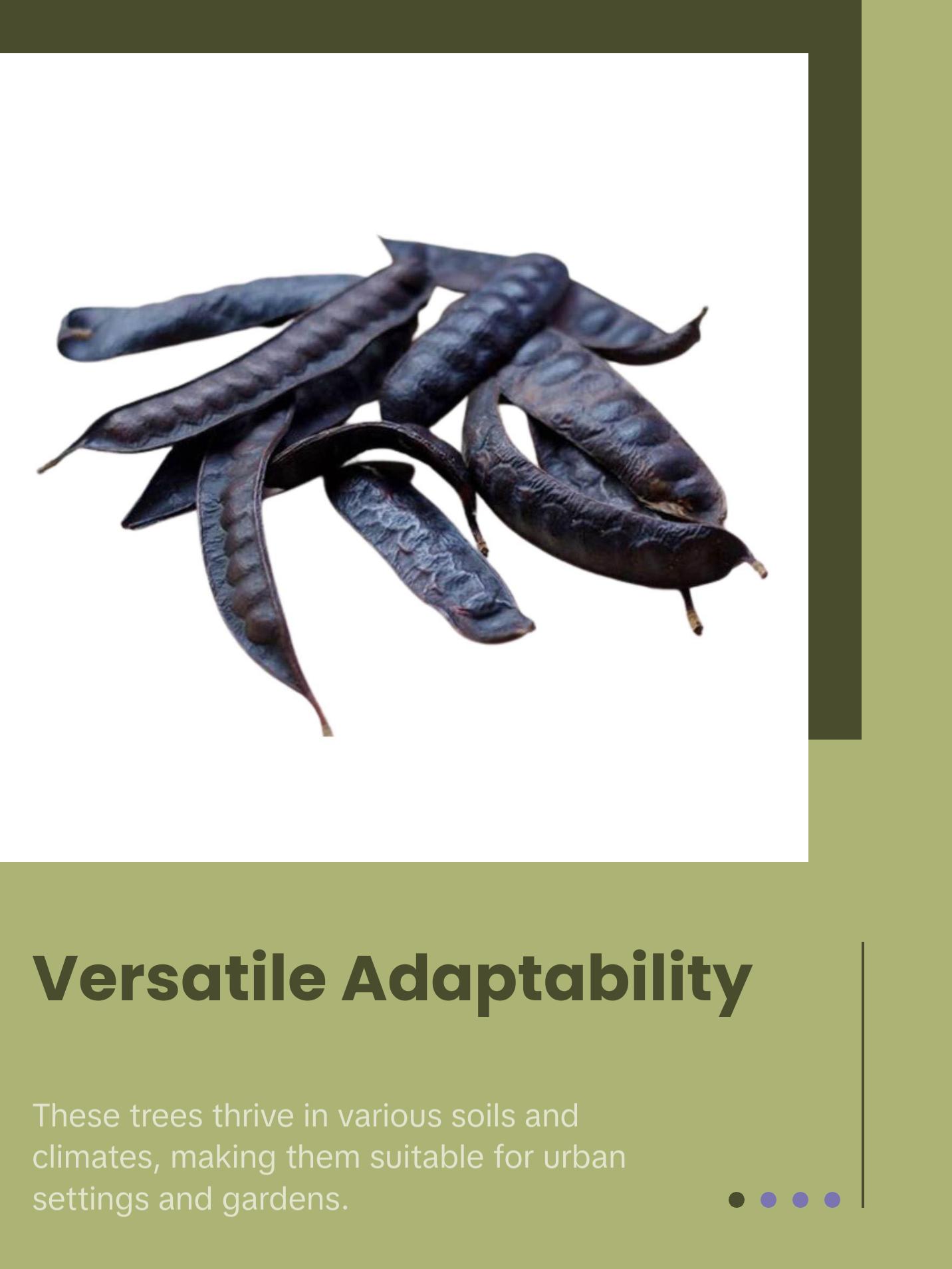
Regular price $9.99A 100g pack of dried honey locust pods (Bồ Kết) used as a traditional Vietnamese, plant-based cleanser for hair and fabrics, activated by simmering to release natural saponins.
Honey locust tree pods (Bồ Kết) serve as a traditional Vietnamese natural detergent and hair wash, producing a gentle, low-suds cleanse when simmered in water. This 100-gram pack of dried Gleditsia pods offers enough for multiple uses—hair washing, fabric cleaning, or even as a gentle plant-based soap alternative. The saponins released during simmering do the cleaning without synthetic chemicals.
Before commercial shampoos and detergents, Vietnamese households relied on Bồ Kết—dried honey locust tree pods—for everything from washing hair to cleaning delicate fabrics. The pods contain natural saponins that release when simmered, creating a gentle, low-lather wash. This 100-gram pack provides enough dried pods for several batches of homemade natural cleanser, whether you're looking for a sulfate-free hair wash or a plant-based alternative for hand-washing delicate garments.
Net weight: 100 g. Form: Whole dried pods. Plant: Gleditsia (honey locust). Use: Hair wash, fabric cleaning, natural detergent. Origin: Vietnam. Shelf life: 24 months sealed.
Store in a cool, dry place away from moisture. Keep sealed between uses. Prepared liquid can be refrigerated for up to 5 days.
There's something grounding about simmering these pods the way generations before us did—the kitchen smells earthy, and the whole process feels intentional.
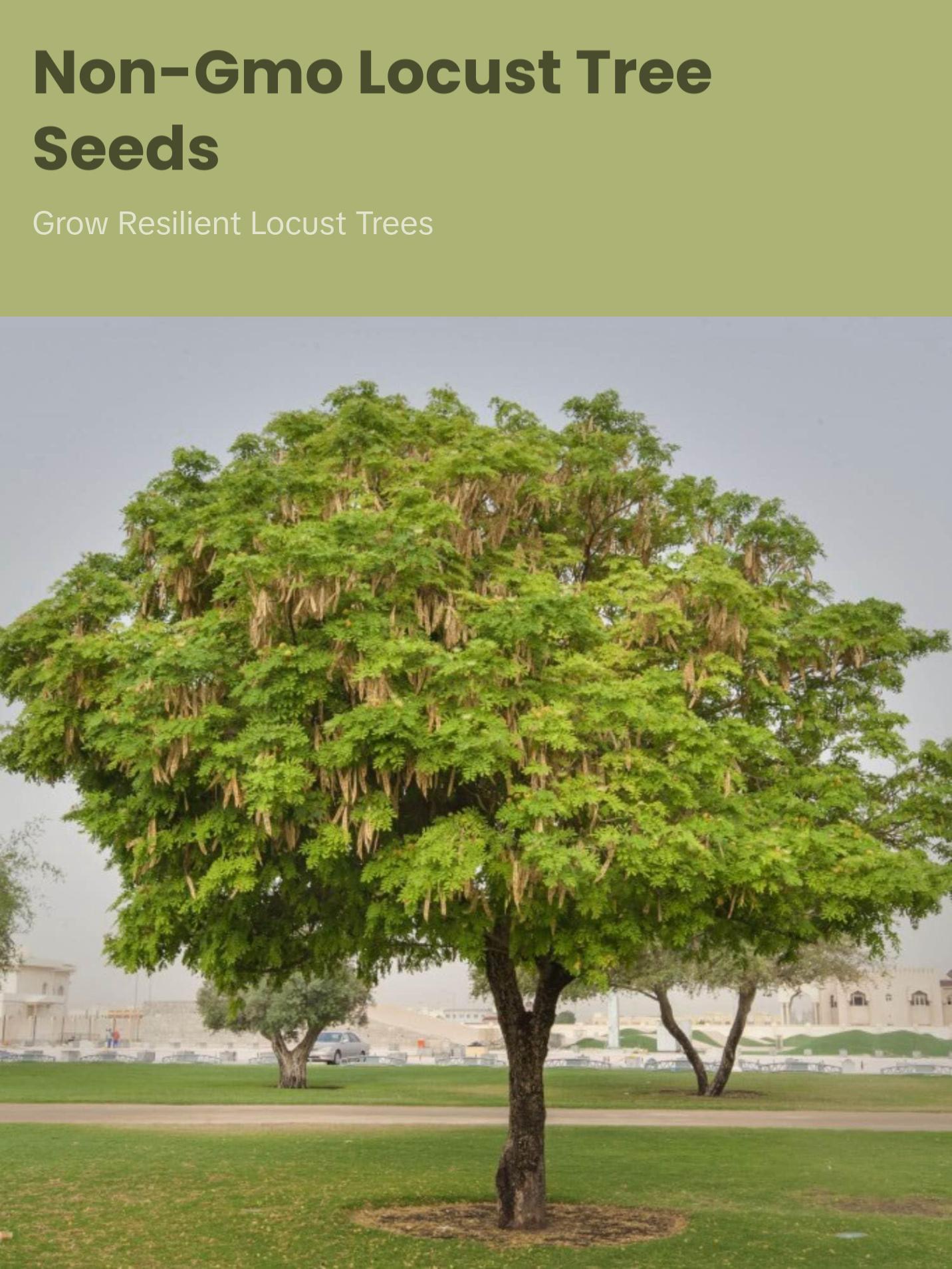
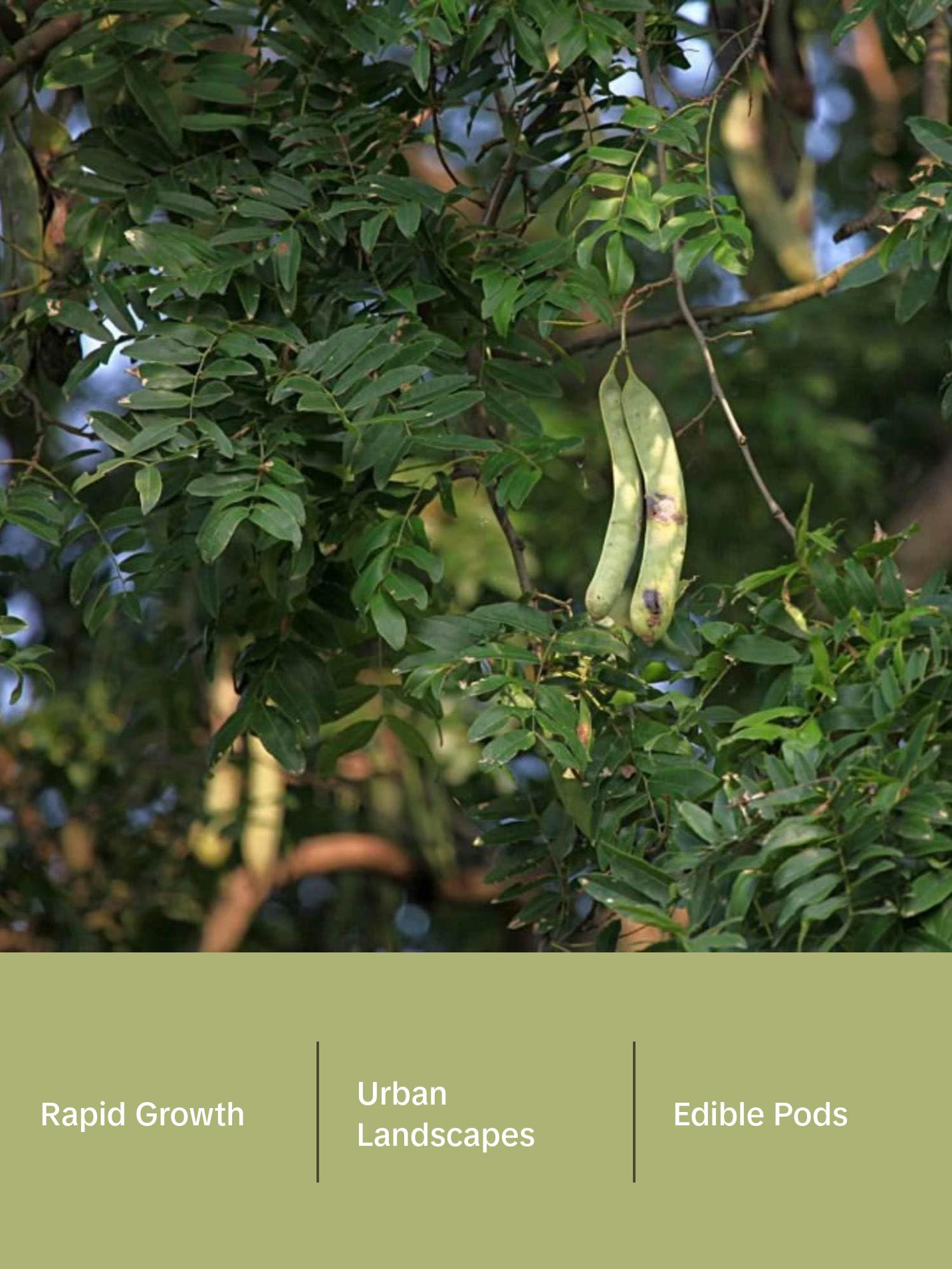
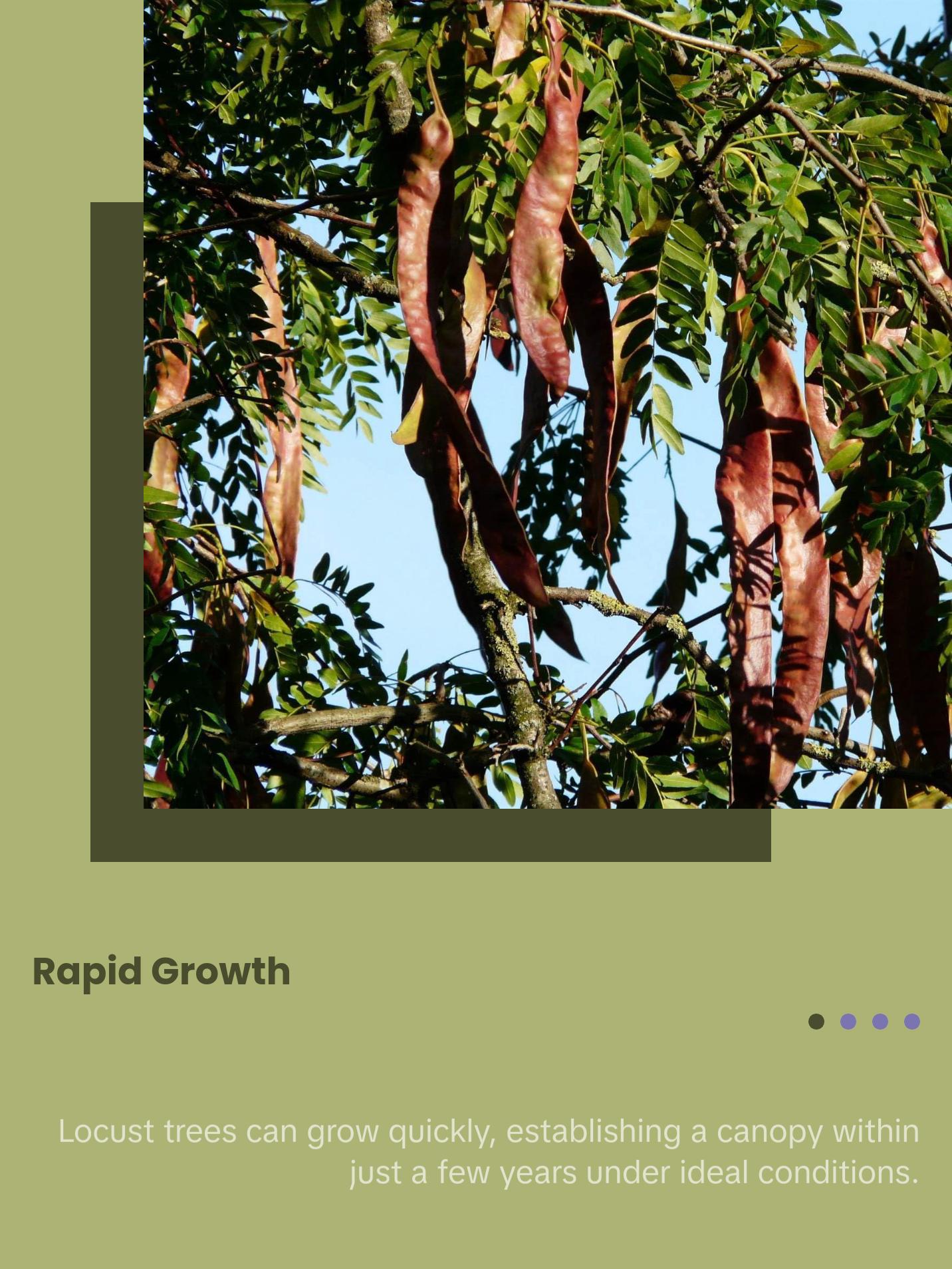
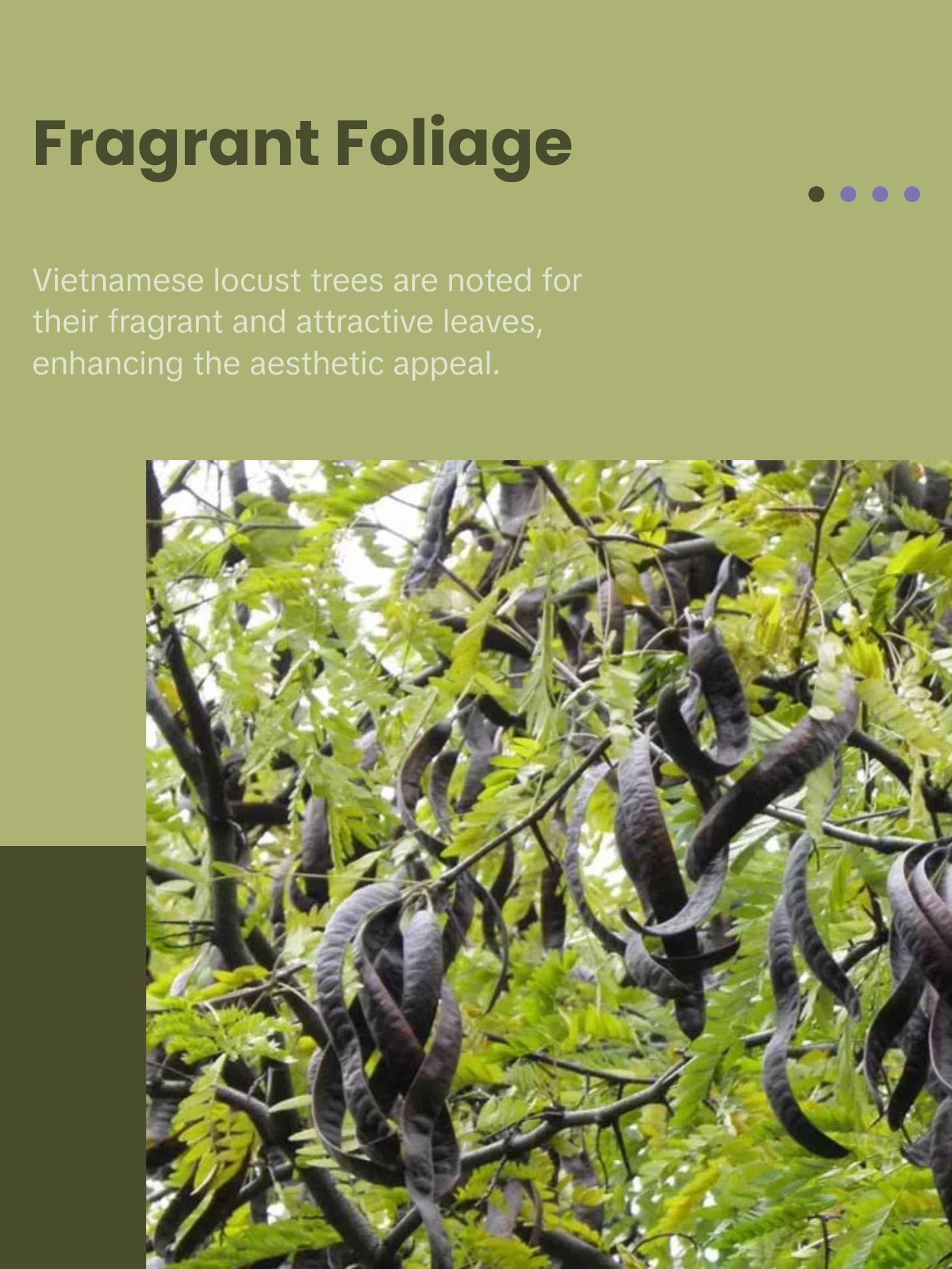
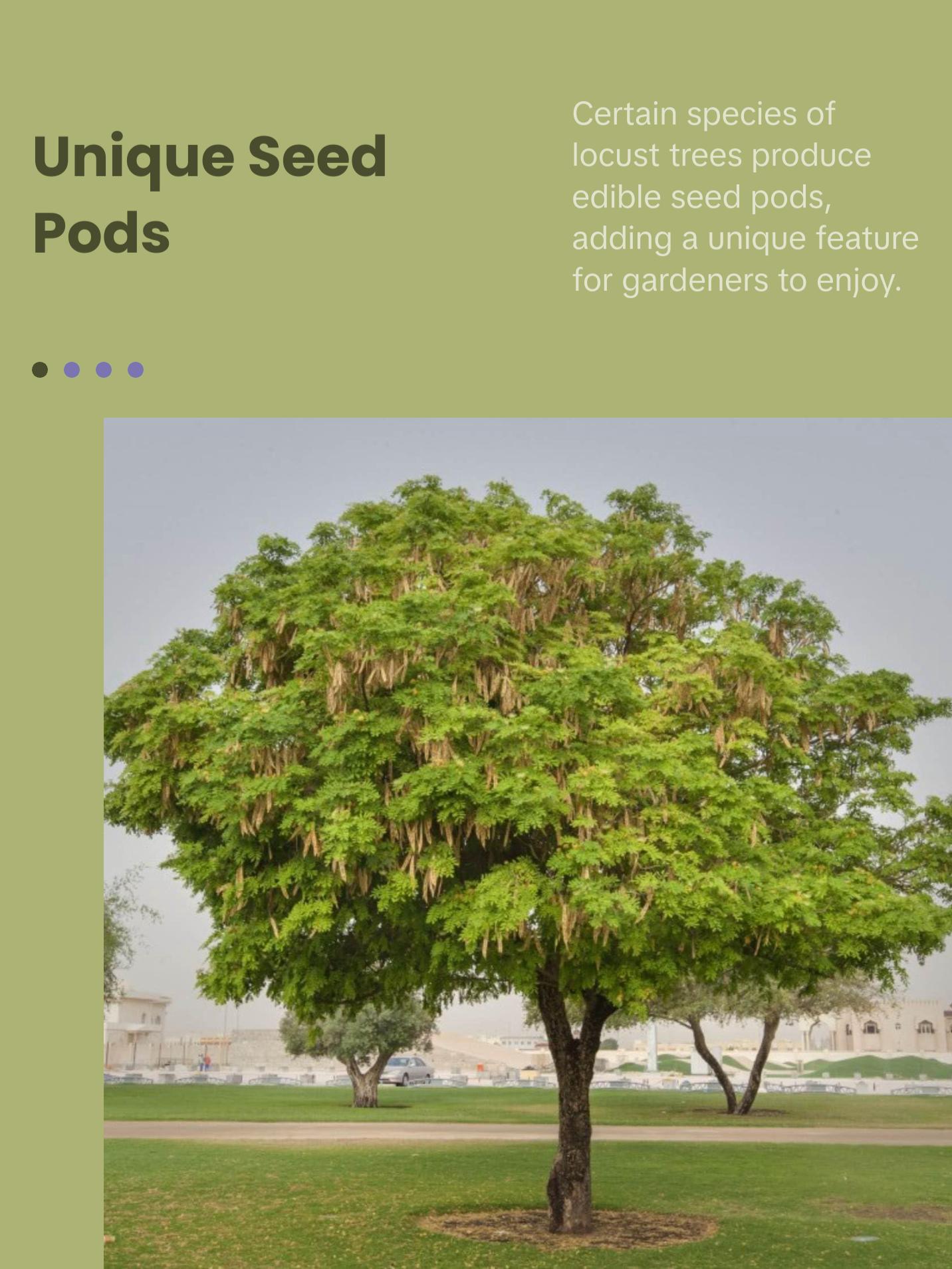
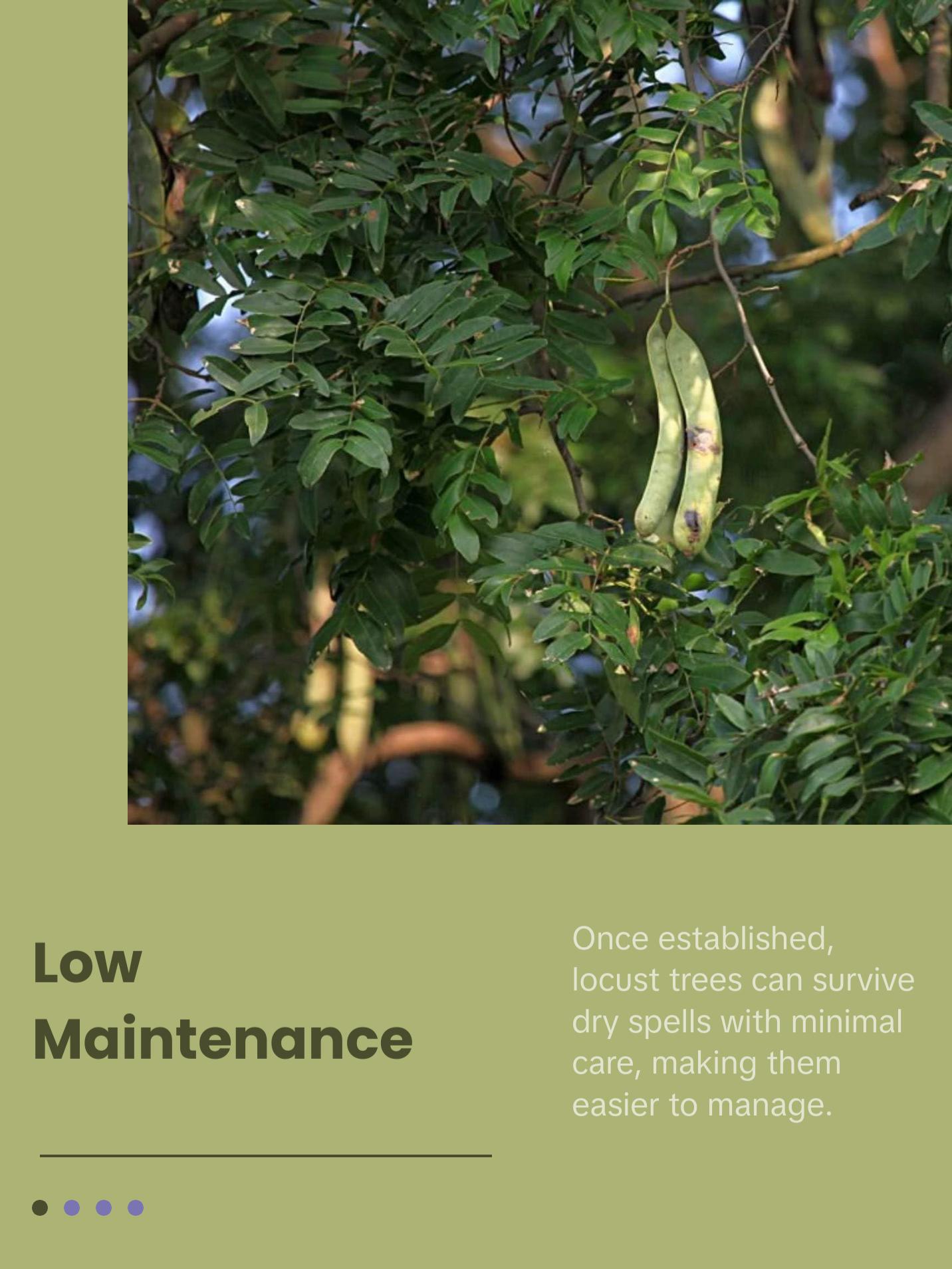

Locust Tree Vietnamese or Bo Ket is a rewarding tree to grow from seed — watch a tiny seed transform into a magnificent living landmark that provides shade, beauty, and habitat for decades. Perfect for home landscapers, reforestation projects, and anyone who appreciates the art of growing trees from the very beginning.
This variety thrives in USDA zones 3-11 depending on your climate, and adapts beautifully to indoor and outdoor growing. Start from seed for the most rewarding gardening experience — there is nothing quite like nurturing a plant from its very first sprout.
1. Seed Prep and Sowing: Soak seeds in warm water for 24 hours. Many tree seeds benefit from cold stratification — place in damp sand in a sealed bag and refrigerate for 30-90 days before sowing.
2. Planting and Container Setup: Start in deep pots or root trainers to allow tap root development. Use well-draining soil amended with compost. Full sun to partial shade (6+ hours daily).
3. Germination and Early Care: Germination can take 14-60+ days depending on species. Keep soil evenly moist but never waterlogged. Be patient — some tree seeds sprout irregularly.
4. Growth and Maintenance: Grow seedlings in containers for 1-2 years before transplanting to their permanent location. Water deeply during dry periods. Protect from strong winds and extreme temperatures.
5. Harvesting: Trees are living investments that grow with your family. Expect seedlings to reach 6-12 inches in the first year. Many trees provide shade, beauty, and habitat for decades.
Understanding Your Soil: The foundation of every successful garden begins beneath the surface. Before planting, test your soil pH using an inexpensive kit from any garden center. Most seeds thrive in slightly acidic to neutral soil (pH 6.0-7.0). If your soil is too acidic, add agricultural lime; if too alkaline, add sulfur or peat moss. The ideal soil structure is loamy — a balanced mix of sand, silt, and clay that retains moisture while allowing good drainage.
Building Living Soil: Healthy soil is a living ecosystem containing billions of microorganisms per teaspoon. Feed your soil with aged compost, worm castings, and mycorrhizal fungi inoculant. These beneficial organisms form symbiotic relationships with plant roots, extending their effective root zone by up to 700% and making locked-up nutrients bioavailable. Avoid synthetic fertilizers that can disrupt this delicate microbial balance.
Companion Planting Strategies: Strategic plant pairings can dramatically improve growth, pest resistance, and flavor. Plant aromatic herbs like basil, dill, and cilantro nearby to attract beneficial pollinators and repel harmful insects through volatile oil release. Marigolds are excellent border plants that deter nematodes and aphids. Avoid planting near allelopathic species like black walnut, which release juglone into the soil.
Mulching for Success: Apply 2-3 inches of organic mulch (straw, shredded leaves, or wood chips) around established seedlings. Mulch regulates soil temperature, conserves moisture by up to 70%, suppresses weeds, and gradually feeds the soil as it decomposes. Leave a small gap around stems to prevent collar rot.
Prevention-First Approach: The most effective pest management starts before problems appear. Choose disease-resistant varieties when possible, rotate crops annually to break pest cycles, and maintain proper plant spacing for air circulation that prevents fungal diseases. Healthy, well-nourished plants are naturally more resistant to pests and diseases than stressed plants.
Biological Controls: Encourage natural predators in your garden. Ladybugs consume up to 5,000 aphids in their lifetime. Green lacewing larvae are voracious predators of soft-bodied insects. Install birdhouses to attract insectivorous birds. Plant yarrow, fennel, and sweet alyssum to provide habitat for predatory wasps and hoverflies. A single bat house can eliminate thousands of mosquitoes nightly.
Organic Remedies: When intervention is needed, reach for the gentlest solution first. A strong spray of water dislodges many soft-bodied insects. Neem oil spray (diluted per label instructions) disrupts feeding and reproduction of over 200 insect species while being safe for beneficial insects when applied correctly. Diatomaceous earth creates a physical barrier against crawling insects. BT (Bacillus thuringiensis) targets caterpillars specifically without harming other organisms.
Extending Your Growing Season: Use cold frames, row covers, and hoop houses to add 4-8 weeks to both ends of your growing season. Start seeds indoors 6-8 weeks before last frost under LED grow lights. In fall, protect mature plants with frost cloth rated to 28 degrees F. For year-round growing, consider a simple greenhouse — even a small one can produce fresh herbs and greens through winter in most climates.


